


Complete Guide to Pediatric Dentistry and Tooth Groove Closure in Hungary
When seeking the absolute best options for your child's long-term oral health, prioritizing preventative pediatric dentistry and tooth groove closure in Hungary offers a strategic advantage for parents worldwide. Modern pediatric dental care focuses heavily on anticipating problems before they occur rather than merely reacting to tooth decay. This proactive approach ensures that children develop strong, healthy permanent teeth while simultaneously building a positive relationship with dental professionals.
Many parents unknowingly underestimate the critical importance of early dental interventions. From the moment the first primary tooth erupts, the oral environment becomes susceptible to bacterial colonization and early childhood caries. Utilizing advanced preventative measures, such as liquid resin sealants, provides an impenetrable shield against these harmful bacteria. High-quality clinics abroad now offer these specialized treatments at exceptionally high standards, blending advanced medical technology with child-friendly environments.
Understanding the precise mechanics behind treatments like pit and fissure sealants empowers parents to make informed healthcare decisions. By establishing a comprehensive daily oral hygiene routine and adhering to professional clinical schedules, families can entirely eradicate the risk of severe dental complications. This guide explores the fundamental pillars of childhood dental care, the psychological benefits of routine checkups, and the profound clinical advantages of pediatric preventative procedures.
Video Chapters & Quick Navigation
The Crucial Role of Treating Deciduous Teeth Early
A widespread misconception among parents is that primary teeth, commonly known as deciduous or baby teeth, do not require rigorous dental intervention because they eventually fall out. As highlighted by specialists at [00:12], there is often a severe lack of attention dedicated to the treatment of these temporary teeth. This oversight can lead to profound developmental issues that extend far beyond simple cavities.
Deciduous teeth serve as the fundamental blueprint for a child's future adult smile. They act as natural space maintainers, holding the precise amount of room required for the much larger permanent teeth to erupt correctly. If a baby tooth is lost prematurely due to untreated decay, the adjacent teeth naturally drift into the empty space. This drifting guarantees severe crowding and misalignment issues later in life, often necessitating expensive and lengthy orthodontic treatments.
Furthermore, untreated infections in primary teeth can easily travel down through the root canal system and directly damage the developing permanent tooth bud resting beneath the gums. This type of deep infection can cause irreversible enamel hypoplasia, meaning the adult tooth will erupt with permanent physical defects and discoloration. Treating deciduous teeth with the same urgency and care as adult teeth is the only way to safeguard a child's long-term oral health.
Why Baby Teeth Matter More Than You Think
Beyond maintaining space for permanent dentition, primary teeth are absolutely essential for normal speech development. The tongue requires the presence of front teeth to properly articulate sounds and form correct pronunciation habits during early childhood. Missing teeth during these critical developmental years often leads to persistent speech impediments that require professional speech therapy to correct.
Proper mastication, or chewing, is another vital function entirely dependent on healthy deciduous teeth. Children with severe tooth decay often experience chronic pain while eating, leading them to avoid nutrient-dense, crunchy foods like raw vegetables and fibrous fruits. This dietary restriction can negatively impact their overall systemic health, physical growth, and nutritional absorption during their most crucial developmental phase.
How to Establish Proper Oral Hygiene and Diet for Children
Clinical interventions in the dental office are only one half of the equation when it comes to successful pediatric dental care. As emphasized at [00:22], professionals can never stress enough the absolute necessity of maintaining a proper diet combined with an optimal daily oral hygiene routine. The home environment is where the true battle against dental caries is fought and won.
Diet plays a dominant role in the fluctuation of the mouth's pH levels, which directly dictates the rate of enamel demineralization. Fermentable carbohydrates, particularly sticky candies, fruit snacks, and constant sipping of natural fruit juices, provide a continuous food source for the naturally occurring bacteria in the mouth. These bacteria metabolize the sugars and excrete highly acidic byproducts that aggressively dissolve the calcium and phosphate minerals within the tooth enamel.
To counteract these dietary attacks, establishing a rigorous mechanical cleaning routine is non-negotiable. Parents must actively participate in brushing their children's teeth until the child possesses the manual dexterity to tie their own shoelaces securely. This ensures that the brushing is not merely performative but effectively removes the sticky bacterial biofilm known as plaque from every surface.
- Fluoride Application: Utilize an age-appropriate amount of fluoridated toothpaste to strengthen enamel resistance against acid attacks.
- Dietary Timing: Limit sugar intake to designated mealtimes rather than continuous snacking throughout the day to allow saliva to neutralize oral acids.
- Mechanical Cleansing: Ensure brushing occurs at least twice daily for a full two minutes, targeting the gumline where plaque accumulation is most severe.
- Hydration: Encourage drinking plenty of plain water, especially after consuming carbohydrates, to naturally wash away residual food particles.
Building Dental Confidence: Overcoming Fear Through Regular Checkups
Dental anxiety is a powerful psychological barrier that prevents millions of adults from seeking necessary medical care. This deep-seated fear almost always originates from traumatic, painful childhood experiences in the dental chair. By implementing the preventative strategies mentioned at [00:30], parents can ensure that their children develop lasting confidence rather than debilitating fear.
The key to preventing dental phobia is exposing the child to the clinical environment long before any invasive treatment becomes necessary. When a child's very first visit involves painful drilling or a stressful extraction due to an existing problem, their brain permanently associates the dental clinic with trauma. Conversely, if their early visits consist purely of riding the mechanical chair, counting teeth, and receiving positive reinforcement, they build a foundation of trust.
Pediatric specialists utilize specific desensitization techniques, such as the "tell-show-do" method, to demystify the dental equipment. By explaining what a tool does, demonstrating it on the child's fingernail, and only then using it in the mouth, the doctor eliminates the fear of the unknown. This profound psychological conditioning is just as important as the physical treatments provided.
Transforming Dental Visits into a Habitual Routine
When checkups are scheduled at regular intervals, the entire process simply becomes an expected, habitual routine for the child. This predictability drastically reduces cortisol levels and anticipatory anxiety leading up to the appointment. They learn to view the dentist as a friendly health partner rather than a scary figure associated with pain.
Routine visits also allow the pediatric dentist to monitor jaw growth, identify potential airway issues, and catch the earliest microscopic signs of demineralization. Early detection means interventions can remain entirely non-invasive, perhaps requiring only a simple fluoride varnish rather than a traditional filling. This reinforces the child's perception that dental visits are completely painless and easy.
Understanding the Tooth Groove Closure Procedure for Children
One of the most frequently asked questions by parents, highlighted at [00:38], pertains to the exact nature of the tooth groove closure procedure. Also known internationally as pit and fissure sealants, this treatment is arguably the most highly effective form of clinical prevention available in modern pediatric dentistry. It specifically targets the chewing surfaces of the posterior molar teeth, which are notoriously vulnerable to decay.
The anatomy of a human molar is highly complex, featuring deep, intricate valleys and crevices called pits and fissures. From a microscopic perspective, these grooves are often narrower than a single bristle on a standard toothbrush. This anatomical flaw makes it physically impossible for even the most diligent brusher to mechanically remove all the impacted food debris and plaque from the depths of the fissures.
The procedure itself, detailed around [00:42], involves filling these deep anatomical grooves with a specialized liquid filler material. Once applied, this liquid resin is quickly hardened using a highly focused curing light, transforming it into a durable, smooth plastic barrier. This physical shield effectively seals off the vulnerable areas, drastically altering the topography of the tooth surface.
| Feature | Unsealed Molars | Molars with Groove Closure |
|---|---|---|
| Bacterial Accumulation | High risk in deep, unreachable pits. | Bacteria cannot penetrate the physical barrier. |
| Ease of Cleaning | Difficult; toothbrush bristles are too thick. | Easy; the surface is smoothed out for simple sweeping. |
| Decay Probability | Extremely high during early childhood years. | Reduced by up to 80% over the first several years. |
Step-by-Step Breakdown of Pit and Fissure Sealants
As noted at [00:53], the primary objective is to prevent bacteria from settling on surfaces that are inherently difficult to clean. The application process is incredibly fast, entirely painless, and requires absolutely no numbing injections or drilling. First, the targeted tooth is meticulously cleaned and dried to ensure optimal adhesion of the resin material.
Next, a mild conditioning gel is briefly applied to slightly roughen the microscopic surface of the enamel, creating an ideal bonding texture. After rinsing and drying the tooth again, the liquid sealant is painted directly into the grooves, flowing deep into the microscopic pits. Finally, a specialized blue light is utilized to trigger a rapid chemical reaction, instantly hardening the liquid into a protective solid shield that can withstand heavy chewing forces.
When is the Best Time for Pediatric Dental Sealants?
Timing is an absolutely critical factor in maximizing the effectiveness of preventative dental procedures. The optimal window for action, clearly defined at [00:57], is to perform the groove closure procedure within the first six months following the eruption of the permanent molars. Acting swiftly within this brief timeframe offers the highest level of structural protection.
When a permanent tooth first breaks through the gum tissue, its enamel has not yet fully matured or hardened through natural salivary remineralization. This newly erupted tooth is at its absolute peak vulnerability to acidic bacterial attacks. By immediately applying the sealant within those first six months, pediatric dentists effectively bypass this dangerous period, protecting the immature enamel until it can fully fortify itself.
Parents should closely monitor the eruption of the "six-year molars," which appear behind the last baby teeth without replacing any existing teeth. A second crucial window occurs around age twelve when the "twelve-year molars" erupt. Maintaining strict, regular checkups every six months ensures that dental professionals can perfectly time the application of these protective sealants immediately upon eruption.
Why Choose Advanced Pediatric Dental Care in Hungary?
The global landscape of medical care has shifted dramatically, and seeking high-quality pediatric dental procedures abroad has become an incredibly smart strategy for families. Facilities specializing in international patient care boast state-of-the-art diagnostic equipment and heavily prioritize continuous medical education for their staff. This dedication ensures that the treatments provided meet, and often exceed, stringent international healthcare standards.
Specialists practicing in these premier international clinics undergo rigorous training, particularly in the psychological management of pediatric anxiety and the execution of micro-invasive preventative techniques. They understand that creating a calm, engaging, and welcoming atmosphere is just as important as the clinical excellence of the procedure itself. Families receive comprehensive care plans that address both immediate procedural needs and long-term preventative maintenance.
By combining world-class clinical expertise with an unwavering focus on child-centric care protocols, these specialized centers deliver unparalleled value. From complex restorative work on compromised deciduous teeth to the precise application of microscopic groove closures, families are guaranteed access to exceptional oral healthcare solutions that protect their children's smiles for a lifetime.
Secure Your Child's Perfect Smile Today
Don't wait until painful cavities develop. Take proactive steps to protect your child's oral health with top-tier pediatric preventative care and expert tooth groove closures. Connect with leading specialists to discuss personalized treatment plans.
Get Free QuoteView Full Video Transcript
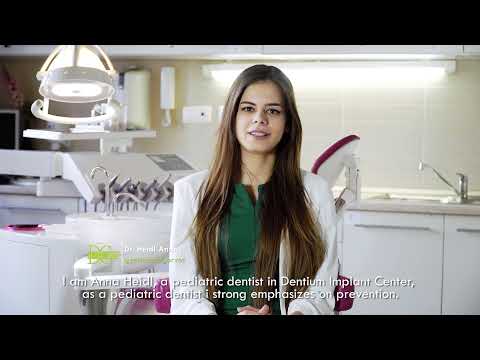
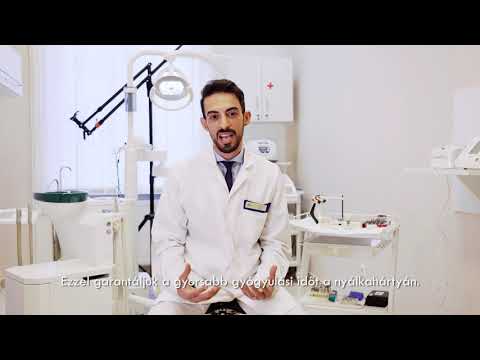
[00:00] Dr. Anna Heidl, a pediatric dentist in Dentium Implant Center, as a pediatric dentist I strong emphasizes on prevention.
[00:12] There is always the least amount of time spent treating deciduous teeth, so parents are always warned about the importance of checking the teeth.
[00:22] You can never stress enough how important it is to control the teeth in addition to proper diet and oral hygiene.
[00:30] It is also important for children to be checked regularly because they won't fear in the future, it would be a habitual routine.
[00:38] Many of my patients ask what a groove closure is.
[00:42] Groove closure is an effective form of prevention procedure in which the grooves of the posterior molars are filled with a liquid filler.
[00:53] This prevents bacteria from settling on those surfaces which are difficult to clean.
[00:57] It is best to do to come in every 6 months for check ups.
.png)
.png)

.png)


.png)

.png)


.png)









Share this listing