
Comprehensive Tartar Removal Procedure in Hungary
Seeking a professional tartar removal procedure in Hungary is the foundational step for achieving optimal oral health and preparing for advanced dental treatments. Maintaining a pristine oral environment goes far beyond simple aesthetics; it is a fundamental requirement for the longevity of your natural teeth. When patients neglect their daily oral care routines, the resulting calculus buildup can lead to severe periodontal complications that threaten both dental integrity and overall systemic health.
This comprehensive overview explores the critical importance of preventive dental care, specifically focusing on professional scaling, personalized aesthetic counseling, and safe teeth whitening practices. By prioritizing high-quality dental hygiene procedures, patients can drastically reduce the risk of implant failure and gum disease. Understanding the direct correlation between a clean oral cavity and the success rate of complex dental surgeries allows individuals to make informed, proactive decisions regarding their long-term health.
Video Chapters & Quick Navigation
- The Role of the Dental Hygienist
- Why Professional Tartar Removal is Necessary
- Increasing the Success Rate of Dental Interventions
- Aesthetic Dentistry and Teeth Whitening
- Patient Instruction and Motivation Strategies
- Establishing Effective Home Oral Care Habits
- The Importance of Regular Dental Check-ups
- Long-Term Maintenance of Oral Flora
The Essential Role of the Dental Hygienist in Modern Clinics
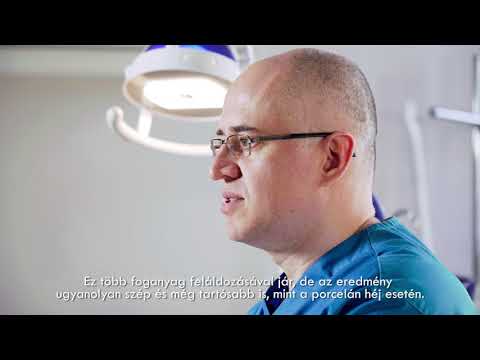
Modern dentistry relies heavily on a collaborative approach between specialized practitioners to deliver the highest standard of patient care. A qualified dental hygienist acts as the primary line of defense against periodontal disease, working diligently alongside dentists to prepare the oral cavity for restorative procedures. As noted at [00:03], experts like Erhard Rachel take on the responsibility of managing foundational oral health so that dentists can focus on complex structural interventions.
The primary responsibilities of these specialists extend far beyond simple cleaning. They perform meticulous tartar removal, offer personalized aesthetic counseling, and administer professional teeth whitening treatments as mentioned at [00:06]. By managing these critical preliminary steps, hygienists ensure that the soft tissues surrounding the teeth remain healthy, uninflamed, and ready to heal properly following any subsequent surgical procedures.
Coordinating Comprehensive Treatment Plans
When you visit a reputable implant center, the treatment timeline is carefully orchestrated to prioritize infection control. Hygienists evaluate your baseline oral health, identifying areas of active inflammation or severe plaque accumulation that could jeopardize future treatments. They establish a customized preparation protocol that addresses these acute issues before the dentist ever picks up a scalpel.
This preliminary care phase is entirely non-negotiable for patients seeking high-end restorative work. Eliminating bacterial load from the gum line creates a sterile, stable environment that significantly reduces post-operative complications and accelerates tissue regeneration.
Why Professional Tartar Removal is Necessary for Lifelong Health
Many individuals underestimate the aggressive nature of calcified plaque, frequently asking their clinicians why tartar removal is strictly required. As highlighted at [00:15], this is one of the most common patient inquiries encountered in professional dental settings. Plaque is a sticky, invisible biofilm composed of harmful bacteria that constantly forms on the enamel surfaces throughout the day.
If this biofilm is not entirely disrupted through daily brushing and flossing, it mixes with the minerals naturally present in human saliva. Within a matter of days, this mixture hardens into a substance known as dental calculus or tartar. Once this calcification process occurs, no standard at-home toothbrush or oral irrigator possesses the mechanical power necessary to dislodge it from the tooth surface.
The Pathophysiology of Untreated Dental Calculus
Calculus acts as a porous sanctuary for pathogenic bacteria, shielding them from the antimicrobial effects of mouthwashes and saliva. These bacteria metabolize dietary sugars, releasing highly acidic byproducts that directly erode dental enamel and irritate the surrounding gingival tissues. This continuous state of localized irritation triggers the body's immune response, resulting in chronic gum inflammation known as gingivitis.
Left unchecked by a professional dental scaling procedure, gingivitis inevitably progresses into advanced periodontitis. This severe form of gum disease actively destroys the underlying alveolar bone and periodontal ligaments that anchor the teeth in the jaw. Consequently, routine professional tartar removal is not merely a cosmetic service, but a vital medical intervention designed to halt structural tissue loss.
| Characteristic | Dental Plaque | Dental Tartar (Calculus) |
|---|---|---|
| Composition | Soft, sticky bacterial biofilm | Hardened, calcified mineral deposits |
| Removal Method | Daily brushing and flossing | Professional dental scaling only |
| Visibility | Often invisible or white/yellowish | Yellow, brown, or black stains near gumline |
| Health Impact | Causes minor surface enamel demineralization | Leads to severe gingivitis and bone loss |
How Adequate Oral Hygiene Increases Dental Intervention Success
The relationship between preexisting oral hygiene and surgical outcomes is arguably the most critical concept in modern restorative dentistry. As stated precisely at [00:20], maintaining adequate oral hygiene significantly increases the success rate of complex dental interventions. Placing a titanium implant or a high-quality ceramic crown into a mouth plagued by active bacterial infection is a recipe for clinical failure.
Surgeons rely on healthy, well-vascularized gum tissue to seal around new implant abutments and prevent foreign pathogens from reaching the underlying bone graft. When tartar is left untouched, the inflamed gums tend to bleed heavily during surgery, compromising the surgeon's visibility and making precise suturing incredibly difficult. Furthermore, the presence of calculus increases the risk of post-operative infections, which can rapidly destroy newly integrated bone tissue.
Mitigating the Risks of Peri-Implantitis
Peri-implantitis is a destructive inflammatory process affecting the soft and hard tissues surrounding dental implants, highly reminiscent of traditional periodontitis. The primary catalyst for this condition is the exact same bacterial buildup found in standard dental calculus. Ensuring that the mouth is thoroughly scaled and disinfected prior to surgery drastically reduces the local bacterial load.
This sterile preparation phase can only be achieved through meticulous professional tartar removal, as emphasized at [00:26]. By systematically eliminating these bacterial reservoirs, hygienists provide the optimal biological environment for osseointegration, ensuring the new implants fuse solidly with the patient's jawbone.
Integrating Aesthetic Dentistry and Professional Teeth Whitening
While health is the primary concern, the aesthetic desires of patients are an equally important aspect of comprehensive dental care. Professional teeth whitening is highly sought after, but it cannot be performed effectively on a foundation of compromised oral hygiene. Whitening agents, primarily concentrated hydrogen or carbamide peroxide, must make direct, uninterrupted contact with the dental enamel to penetrate and lift deep stains.
If a tooth is coated in plaque or rigid calculus, the whitening gel will simply sit on top of the debris, resulting in an uneven, blotchy appearance. Therefore, a thorough ultrasonic scaling and polishing session must precede any aesthetic enhancement. This dual approach ensures both vibrant aesthetic results and underlying physiological health.
The Counseling Process for Cosmetic Enhancements
Prior to administering whitening agents, experienced dental hygienists provide dedicated counseling to manage patient expectations and assess enamel density. They evaluate the root cause of the discoloration, distinguishing between extrinsic dietary stains from coffee or tobacco, and intrinsic stains caused by trauma or medications. This careful assessment prevents unnecessary sensitivity and ensures the chosen whitening protocol is biologically appropriate.
Patient Instruction and Motivation Strategies at Dental Clinics
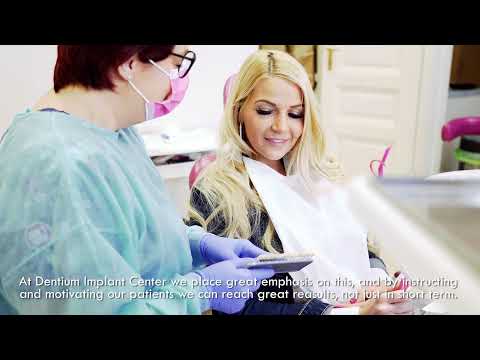
The finest clinical treatments in the world will ultimately fail if the patient does not understand how to maintain the results in their own bathroom. At specialized facilities like the Dentium Implant Center, professionals place immense emphasis on patient education, as highlighted at [00:29]. Transforming passive patients into active participants in their own healthcare journey requires sophisticated instruction and consistent motivational strategies.
Dental hygienists act as personal coaches, visually demonstrating where plaque tends to accumulate uniquely in each patient's mouth. By utilizing disclosing solutions that dye invisible plaque bright colors, professionals can physically show patients the areas they are consistently missing during their daily brushing routines. This visual feedback loop is incredibly powerful for breaking lifelong poor habits.
Achieving Exceptional Short-Term and Long-Term Results
Effective motivation ensures that the pristine condition achieved in the dentist's chair is preserved long after the appointment concludes. Through dedicated instruction, patients learn the correct angulation of the toothbrush bristles and the proper techniques for navigating difficult posterior regions. This educational investment allows clinics to reach outstanding results that endure well beyond the short term, as mentioned at [00:37].
Establishing Effective Home Oral Care Habits for Lifelong Health
By acquiring proper oral care habits at home, patients empower themselves to take control of their systemic well-being. A robust daily hygiene protocol requires specific tools and deliberate techniques, moving far beyond a rapid, thirty-second brushing session. Consistent daily maintenance disrupts the biofilm before it can calcify, effectively neutralizing the threat of periodontal degradation before it begins.
The foundation of this routine involves utilizing a soft-bristled manual or sonic toothbrush angled precisely at 45 degrees towards the gum line. This technique ensures that the bristles sweep away bacteria hiding inside the shallow gingival sulcus, rather than just polishing the broad flat surfaces of the teeth. Furthermore, the integration of interdental cleaning is absolutely non-negotiable for true oral health.
Essential Tools for Advanced Home Maintenance
A toothbrush alone physically cannot reach the tight contact points between adjacent teeth, leaving approximately thirty percent of the tooth surface completely uncleaned. To combat this, patients must integrate specific adjunctive tools into their nightly routines.
- Dental Floss: Traditional waxed string floss is essential for breaking the contact points and scraping the sides of the teeth down to the gum attachment.
- Interdental Brushes: These small, wire-based brushes are highly effective for cleaning larger gaps between teeth and underneath implant bridges.
- Water Flossers: Oral irrigators use targeted, pulsating streams of water to flush out loose debris and anaerobic bacteria deep inside periodontal pockets.
- Fluoride Mouthrinses: Antimicrobial and remineralizing rinses help to lower the overall bacterial count in the mouth while strengthening the enamel against acid attacks.
The Importance of Regular Dental Check-ups and Recall Systems
No matter how diligent a patient is with their home care regimen, microscopic amounts of calculus will inevitably form in hard-to-reach areas over time. Returning to the clinic for scheduled controls allows professionals to monitor the stability of the periodontal tissues and intercept minor issues before they escalate. This ongoing relationship between patient and clinic forms the basis of a reliable dental recall system.
As noted at [00:41], combining proper home habits with routine clinical visits allows patients to maintain this pristine condition indefinitely. These recall appointments typically occur every three to six months, depending heavily on the individual's specific risk factors, systemic health conditions, and history of periodontal disease.
Professional Monitoring of Dental Implants
For patients who have undergone extensive reconstructive surgery, these regular check-ups serve as a warranty period for their investments. Hygienists use specialized titanium or plastic scalers to carefully clean around implants without scratching the delicate abutment surfaces. Taking digital radiographs during these visits also allows dentists to verify that the surrounding bone levels remain stable and completely uninfected year after year.
Long-Term Maintenance of Oral Flora and Systemic Wellness
The ultimate goal of combining professional scaling, advanced instruction, and diligent home care is the permanent stabilization of the patient's oral microbiome. By mastering these habits and committing to regular follow-ups, individuals can preserve their beautiful, healthy smiles for a lifetime, as emphasized at [00:48]. The shift from a reactive treatment model to a proactive, preventive lifestyle completely revolutionizes the patient experience.
Maintaining a balanced oral flora reduces the constant burden on the body's immune system, which has been scientifically linked to improved cardiovascular health and better glycemic control. Investing the time and effort into comprehensive dental hygiene procedures in Hungary guarantees not only a brilliant aesthetic appearance but also robust, enduring physical health across the lifespan.
Ready to Improve Your Oral Health and Secure Your Perfect Smile?
Take the first step towards exceptional dental hygiene. Connect with top specialists for your professional tartar removal and restorative treatments today.
Get Free QuoteView Full Video Transcript
[00:00]
(Visual branding intro for Dentium Implant Center)
[00:03]
I am Erhard Rachel, dental hygienist.
[00:06]
To achieve the perfect smile I try to help my dentist colleagues with working on tartar removal, counseling and teeth whitening.
[00:15]
My patients are often asking why tartar removal is needed.
[00:20]
Adequate oral hygiene significantly increases the success rate of dental interventions.
[00:26]
This can only be achieved through tartar removal.
[00:29]
At Dentium Implant Center we place great emphasis on this, and by instructing and motivating our patients we can reach great results, not just in short term.
[00:41]
By acquiring proper oral care habits at home and returning for controls our patients can maintain this condition for a lifetime.
[00:52]
(Closing visuals and contact information for Dentium Implant Center)

.png)


.png)
.png)
.png)


.jpg)
.png)










Share this listing