
Heart Disease Diagnosis and Treatment in Hamburg, Germany at Asklepios Kliniken
Cardiovascular health remains one of the most critical pillars of human well-being, influencing every aspect of daily vitality and long-term longevity. When cardiac irregularities, palpitations, or signs of heart failure emerge, seeking expert medical evaluation becomes imperative. Patients worldwide increasingly look toward advanced European medical infrastructure for definitive answers, particularly premier institutions renowned for clinical precision. Among these, Asklepios Kliniken in Hamburg, Germany, stands as a global beacon of excellence, offering cutting-edge cardiac diagnostics, comprehensive therapeutic programs, and world-class cardiology care tailored to each patient's individual anatomical and physiological profile.
Navigating heart health concerns often begins with fundamental questions about symptoms, underlying etiologies, and preventive lifestyle adjustments. In this expert Q&A session featuring leading cardiac insights, we explore three critical cardiology questions addressing harmless extra heartbeats, the complex diagnostic journey of heart failure, and the vital role of physical activity in cardiovascular disease prevention. By examining these topics through the lens of advanced medical standards available through Heart Disease Diagnosis in Hamburg Germany, patients can better understand how modern medical science decodes complex cardiac conditions and restores lasting cardiovascular health.
Video Chapters & Quick Navigation
Decoding Extra Heartbeats and Palpitations: When to Seek Medical Evaluation
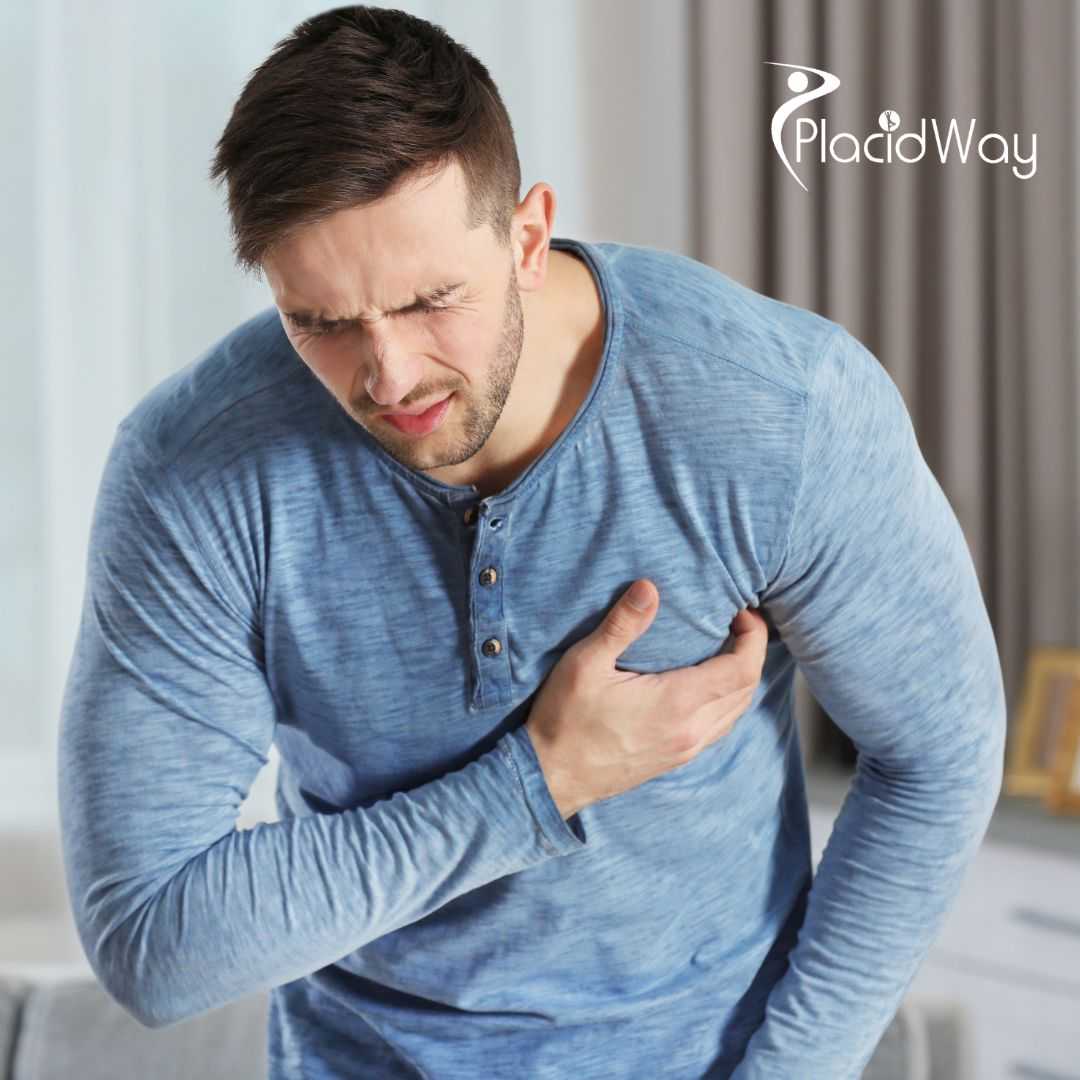
Experiencing an unexpected flutter, skipped beat, or extra thump in the chest can be an alarming sensation for anyone. However, as medical experts frequently explain, these occurrences—often classified clinically as premature atrial or ventricular contractions—are remarkably common and in the vast majority of cases completely harmless. Understanding the underlying mechanisms of these electrical quirks helps alleviate unnecessary anxiety.
As highlighted in the expert discussion at [00:07], these skipped beats are generally benign and present no immediate danger to overall cardiac health. There is typically no reason to worry when they occur sporadically. However, persistent anxiety or accompanying symptoms warrant professional verification. Initial troubleshooting often involves simple dietary and electrolyte adjustments, such as replenishing essential minerals like magnesium and potassium, which are easily obtainable at pharmacies and health food stores [00:21]. If uncertainty persists, performing a standard electrocardiogram (ECG) remains the gold standard for definitive reassurance [00:34].
Key Considerations Regarding Ectopic Heartbeats
- Most extra heartbeats stem from benign ectopic pacemakers and do not indicate underlying structural heart disease.
- Electrolyte imbalances, particularly deficiencies in magnesium and potassium, frequently trigger electrical irritability in cardiac tissue.
- Stress, excessive caffeine consumption, lack of quality sleep, and fatigue can significantly increase the frequency of palpitations.
- An electrocardiogram (ECG) provides a rapid, non-invasive method to map electrical activity and rule out dangerous arrhythmias.
- Consulting an experienced cardiologist ensures that any recurring symptoms are properly evaluated and contextualized within your overall health profile.
Navigating the Complex Diagnostic Pathways of Heart Failure
Diagnosing heart failure is one of the most intricate challenges in modern clinical cardiology. Because the heart is a highly sophisticated muscular pump governed by complex vascular networks, electrical conduction systems, and mechanical valves, a decline in its pumping efficiency can stem from a multitude of distinct root causes. Pinpointing the exact origin of dysfunction is essential for designing an effective therapeutic strategy.
As noted at [00:46], answering questions about heart failure is complex due to the vast array of potential underlying triggers. The primary diagnostic imperative is identifying whether the primary pathology resides within the heart valves, the heart muscle myocardium, or the coronary arteries supplying blood to the cardiac tissue [00:50]. Furthermore, etiologies may be acquired over a lifetime through lifestyle, infection, or hypertension, or they may be inherited genetically, as frequently observed in specific forms of heart muscle weakness [01:01].
Core Diagnostic Pillars in Advanced Cardiology
- Comprehensive echocardiography evaluates ventricular wall motion, ejection fraction, and overall structural valve integrity.
- Coronary angiography and advanced cardiac imaging precisely map blood flow restrictions within major and minor arteries.
- Genetic screening protocols identify hereditary cardiomyopathies and familial risk factors before clinical symptoms fully manifest.
- Biomarker blood testing detects myocardial strain, inflammatory markers, and neurohormonal activation indicative of failing cardiac compensation.
- Multidisciplinary clinical case conferences synthesize imaging, lab data, and patient history to establish an accurate, definitive diagnosis.
Overcoming Physical Limitations in Cardiovascular Disease Prevention
Medical literature universally champions physical exercise as a cornerstone of cardiovascular disease prevention and overall longevity. However, translating this recommendation into daily reality presents significant hurdles, particularly for older adults or individuals burdened by existing physical ailments, joint degeneration, and metabolic challenges.
As discussed at [01:21], while advising patients to exercise is straightforward, execution is frequently hindered by orthopedic limitations, excess body weight, and chronic pain. This creates a challenging vicious cycle where reduced mobility leads to further weight gain, metabolic dysfunction, and an increased risk of developing type 2 diabetes [01:34]. Breaking this cycle requires tailored preventive medicine that balances sensible nutrition with low-impact physical activity adapted to each patient's physical capacity [01:43].
Effective Strategies for Sustainable Cardiovascular Fitness
- Low-impact water aerobics and swimming provide cardiovascular conditioning while minimizing stress on arthritic joints and spine.
- Supervised medical fitness programs offer customized resistance training designed to improve insulin sensitivity safely.
- Nutritional counseling emphasizes balanced, anti-inflammatory diets that support metabolic health without severe caloric deprivation.
- Graduated walking regimens help patients steadily build endurance without overwhelming compromised cardiopulmonary systems.
- Continuous health coaching maintains patient motivation and adjusts activity thresholds based on physiological feedback and recovery.
Clinical Excellence and World-Class Standards in Hamburg, Germany
When seeking specialized medical intervention for complex heart conditions, the choice of hospital is paramount. Germany has long been recognized as a global leader in medical innovation, patient safety, and clinical research. Within this thriving healthcare landscape, Asklepios Kliniken in Hamburg represents the pinnacle of modern medical achievement, uniting multidisciplinary expertise under one comprehensive network.
Patients arriving for specialized care benefit from state-of-the-art diagnostic imaging suites, hybrid operating rooms, and dedicated intensive care units staffed by internationally acclaimed cardiologists and cardiovascular surgeons. The institution's commitment to translational research ensures that breakthrough therapies move swiftly from clinical trials into everyday patient practice. This dedication to excellence makes Asklepios Kliniken a primary destination for individuals seeking top-tier medical tourism and advanced cardiac care in Europe.
Comprehensive Treatment Modalities for Modern Cardiac Patients
Modern cardiology extends far beyond basic medication management and standard surgical interventions. Comprehensive cardiac care requires a holistic continuum that encompasses acute stabilization, minimally invasive procedures, electrophysiological mapping, and structured post-operative rehabilitation programs.
At leading German medical centers, treatment plans are formulated by tumor and cardiac boards comprising specialists from diverse disciplines. Whether a patient requires percutaneous valve replacement, catheter ablation for complex arrhythmias, or advanced heart failure management therapies, every intervention is planned with meticulous precision. This multidisciplinary synergy minimizes recovery times, reduces complication rates, and maximizes long-term cardiovascular resilience for every patient.
The Future of Personalized Heart Care and Medical Tourism
As medical science continues to embrace artificial intelligence, precision genomics, and advanced biomaterials, the future of cardiology is increasingly personalized. Treatments are no longer designed for the average patient but are tailored precisely to an individual's genetic signature, lifestyle factors, and unique vascular anatomy.
For international patients navigating cardiac diagnoses, accessing these cutting-edge innovations through established medical tourism pathways opens doors to life-changing outcomes. Institutions in Hamburg continue to pioneer standards of excellence that redefine global healthcare expectations. By combining profound clinical expertise with compassionate patient advocacy, modern cardiology ensures that individuals can look forward to healthier, more active lives well into their later years.
Ready to Explore Advanced Cardiology Care in Germany?
PlacidWay Medical Tourism connects you with world-class cardiology departments at Asklepios Kliniken, offering expert diagnosis and transformative Cardiology Treatment in Hamburg Germany. Let us help guide your journey to optimal heart health.
GET A FREE QUOTEView Full Video Transcript
[00:00:07] First of all, these skipped beats, or extra heartbeats, are generally harmless. There is usually no reason to worry.
[00:00:13] However, if you are concerned and want to have them checked, you should have an ECG performed.
[00:00:21] The initial measures usually involve replenishing electrolytes, such as magnesium and potassium.
[00:00:30] These supplements are available at health food stores and pharmacies. You can then see whether the extra heartbeats become less frequent.
[00:00:34] However, if in doubt, it is better to have an ECG performed to investigate the cause.
[00:00:46] That is a difficult question because there are an enormous number of possible causes of heart failure.
[00:00:50] When heart failure is present, the first step is to determine what is causing it. Is the problem primarily related to the heart valves, the heart muscle, or the coronary arteries?
[00:01:01] Depending on the cause, the condition may be acquired, meaning it develops during a person's lifetime, or it may be inherited.
[00:01:11] For example, this can be the case with heart muscle weakness. Therefore, an accurate diagnosis must be established first.
[00:01:21] Exercise, exercise, exercise. That is always easy to say when you are physically able to move around comfortably.
[00:01:26] We also know that many people, particularly older adults, have difficulty exercising regularly because of orthopedic conditions, excess weight, and other physical limitations.
[00:01:34] This can create a vicious cycle that may lead to further weight gain and diabetes, along with all the associated health risks.
[00:01:43] Therefore, for prevention, it is certainly important, whenever possible, to maintain a balance between regular exercise, physical activity, and a sensible, balanced diet.


















Share this listing