
Advanced Breast Cancer Treatment in Germany: Denise Rosenthal’s Journey at Asklepios Klinik Barmbek
When the rhythm of a morning run is interrupted by the weight of a medical diagnosis, the world seems to tilt on its axis. For Denise Rosenthal, a vibrant woman who defines her freedom through movement, the discovery of a lump was not just a medical hurdle but a profound test of the human spirit. In Germany, a global leader in oncological excellence, breast cancer treatment has transcended basic survival, focusing instead on holistic healing, aesthetic restoration, and the preservation of a patient's identity. This guide explores Denise's path through the specialized "Brustzentrum" at Asklepios Klinik Barmbek, highlighting how world-class German medicine turns a terrifying diagnosis into a roadmap for a resilient future.
Beyond the sterile walls of a clinic, Denise’s story is one of reclaiming the self—moving from the shock of an aggressive tumor to the triumph of a double mastectomy and successful reconstruction. Watch as we delve into the sophisticated protocols of German oncology, where precision technology and compassionate care meet to provide patients with an 80% healing rate, even in the face of aggressive malignancies.
Video Chapters & Quick Navigation
The Therapeutic Power of Activity in Oncology
For many patients, the journey through cancer begins with the body they know best. Denise Rosenthal illustrates this beautifully by starting her story with a pair of running shoes [00:00]. Running is not just a physical exercise for Denise; it is a mental sanctuary. In modern German oncology, "exercise-oncology" is a recognized field of supportive therapy. Clinical evidence suggests that maintaining physical activity—even at lower intensities—during treatments like chemotherapy can significantly reduce fatigue and improve psychological outcomes.
Denise notes that even when she wasn't as fit as before her chemotherapy, the act of running helped her "clear her head." This psychological resilience is a cornerstone of the treatment philosophy at Asklepios Klinik Barmbek. Patients are encouraged to maintain their passions, whether it’s running or playing volleyball [01:41], as these activities serve as a bridge back to "normalcy" after the world-shaking impact of a cancer diagnosis.
Screening for High-Risk Patients in Germany
Denise was acutely aware of her vulnerability. With a family history that included her mother and aunt suffering from breast cancer, she was classified as a high-risk patient [00:17]. This awareness led her to participate in annual preventive screenings at the Asklepios Klinik Barmbek in Hamburg. Germany’s healthcare infrastructure is particularly robust when it comes to high-risk surveillance, utilizing advanced ultrasound and mammography to catch abnormalities at the earliest possible stage.
Early in May, a routine ultrasound revealed something concerning—a lump that required immediate investigation [00:27]. The transition from a routine check-up to a diagnostic workup is often the most stressful phase for a patient. The efficiency of German medical centers minimizes this waiting period, ensuring that suspicious findings are addressed with high-precision diagnostic tools like 3D-ultrasound and MRI-guided biopsies.
Precision Diagnosis: Biopsy and Histology
Once a lump is identified, the next step is determining its nature. Dr. Ursula Scholz, the Chief Physician at the Breast Center, explains the clinical process [00:39]. They performed a histological validation, taking small tissue samples from the finding. Histology is the study of the microscopic structure of tissues, and in the case of cancer, it tells the doctors exactly what kind of cells they are dealing with.
The results for Denise were sobering: an aggressive breast cancer tumor [00:45]. This level of detail is crucial for developing a treatment plan. Knowing the aggressiveness, hormone receptor status, and HER2 status of a tumor allows the medical team to move away from a "one-size-fits-all" approach and toward a precision-targeted strike against the cancer cells.
Navigating the Complexity of Multimodal Cancer Treatment
Treatment for aggressive breast cancer rarely involves just one method. Denise’s treatment plan was a complex, multi-stage journey [00:59]. In the German oncology system, this is referred to as "multimodal therapy."
| Treatment Phase | Description |
|---|---|
| Initial Surgery | Removal of the primary tumor to prevent further spread. |
| Chemotherapy | 12 rounds of systemic treatment to target microscopic cancer cells. |
| Mastectomy | Removal of breast glandular tissue on both sides to eliminate risk. |
| Radiation & Antibody | Targeted therapy to lower the risk of recurrence and provide long-term protection. |
The first step was the operation, followed by 12 intense rounds of chemotherapy [01:03]. Chemotherapy is designed to kill rapidly dividing cells throughout the body, acting as a secondary defense after surgery. Following this, Denise underwent a double mastectomy—a proactive choice to minimize future risks given her genetic profile.
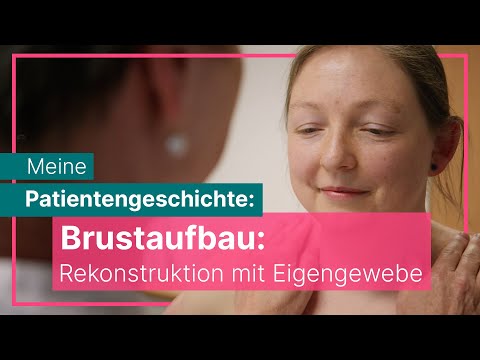
Aesthetic and Surgical Restoration: Mastectomy with Silicone Reconstruction
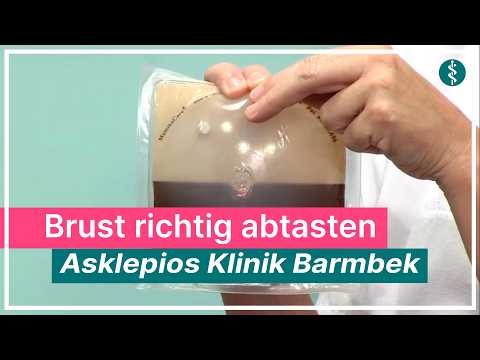
For many women, a mastectomy represents a loss of self-image. However, at specialized centers like Asklepios Klinik Barmbek, the surgical team prioritizes immediate reconstruction [01:08]. Denise describes the process: the glandular tissue is removed, and silicone implants are placed during the same procedure. This "skin-sparing" mastectomy allows for a much more natural aesthetic result and a faster transition to emotional recovery.
This integration of plastic surgery techniques into oncological surgery is known as "oncoplastic surgery." It ensures that the patient does not wake up with just the absence of a tumor, but with the presence of a reconstructed form that helps them feel "like a woman again" [01:55]. This focus on the psychological well-being of the patient is what differentiates modern German breast centers from traditional hospitals.
The 80% Success Rate: Why Personalized Therapy Matters
Dr. Ursula Scholz provides a powerful statistic that offers hope to patients worldwide: the healing chances for breast cancer have significantly improved, with up to 80% of patients being permanently healed [01:26]. This success is not accidental; it is the result of a diverse arsenal of therapies including:
- Advanced Chemotherapies: New drugs with fewer side effects and higher efficacy.
- Immunotherapies: Leveraging the body’s own immune system to fight cancer.
- Antibody Therapies: Targeted molecules that bind to specific receptors on cancer cells.
- Anti-Hormonal Therapies: Starving cancer cells that rely on hormones to grow.
By offering an "individualized therapy," doctors can tailor the combination of these methods to the specific genetic makeup of the patient's tumor. This granular approach minimizes unnecessary treatments while maximizing the impact on the malignancy, leading to the high survival rates seen in centers like Asklepios [01:36].
Life After Cancer: Embracing Fashion and Sport
Denise's journey concludes not in a hospital gown, but in a fashion boutique [01:41]. After the radiation and antibody treatments [01:17], she has reclaimed her life. Her love for fashion and "getting dressed up" serves as a testament to her restored confidence [02:02]. For a patient who has undergone a double mastectomy, finding joy in clothes and aesthetics is a vital indicator of successful holistic healing.
Whether she is trying on new dresses or returning to the volleyball court, Denise exemplifies the goal of German oncology: not just to add years to life, but to add life to years. Her story serves as a beacon for other women facing similar diagnoses, proving that with early detection, advanced medical science, and a resilient mindset, it is possible to emerge from the darkness of cancer stronger and more vibrant than before.
The Global Impact of German Oncological Research
The protocols used at Asklepios Klinik Barmbek are not just local practices; they are part of a global network of oncological research. German medical centers are frequently involved in international clinical trials that set the standards for breast cancer care worldwide. For international patients seeking treatment, Germany offers access to cutting-edge medications and surgical techniques that may not yet be available in their home countries.
This commitment to research, combined with a patient-centric approach that values the aesthetic and emotional outcome as much as the clinical one, makes Germany a premier destination for oncological care. Denise Rosenthal’s smile at the end of the video is the ultimate proof of a medical system that works for the whole person—mind, body, and spirit.
Ready to Restore Your Smile in Egypt?
PlacidWay Medical Tourism connects you with top-rated dental clinics in Egypt, offering world-class care at unbeatable prices. Let us handle the details while you focus on your new smile.
GET A FREE QUOTE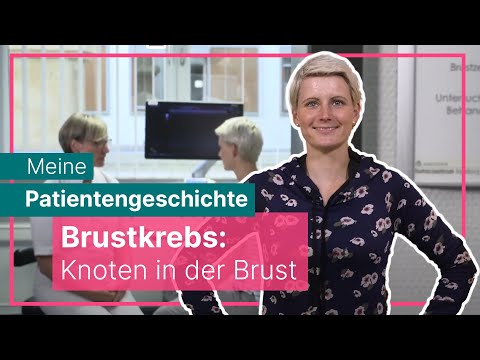























Share this listing