


Treatment Options When Leukemia Returns After Initial Therapy
Key Takeaways
- A leukemia relapse signifies the return of cancer cells, but it is not the end of medical intervention; second-line and targeted treatments are actively used.
- Chimeric Antigen Receptor (CAR) T-cell therapy is a groundbreaking immunotherapy option showing promise for certain relapsed blood cancers.
- Due to the high volume of clinical research, international patients often explore specialized cellular therapies in Asia.
- Evaluating overseas care requires careful consideration of treatment protocols, facility credentials, and post-infusion monitoring.
- Consultation with your current hematologist is essential before making any decisions regarding international medical travel.
What Does It Mean When Leukemia Returns After Treatment?
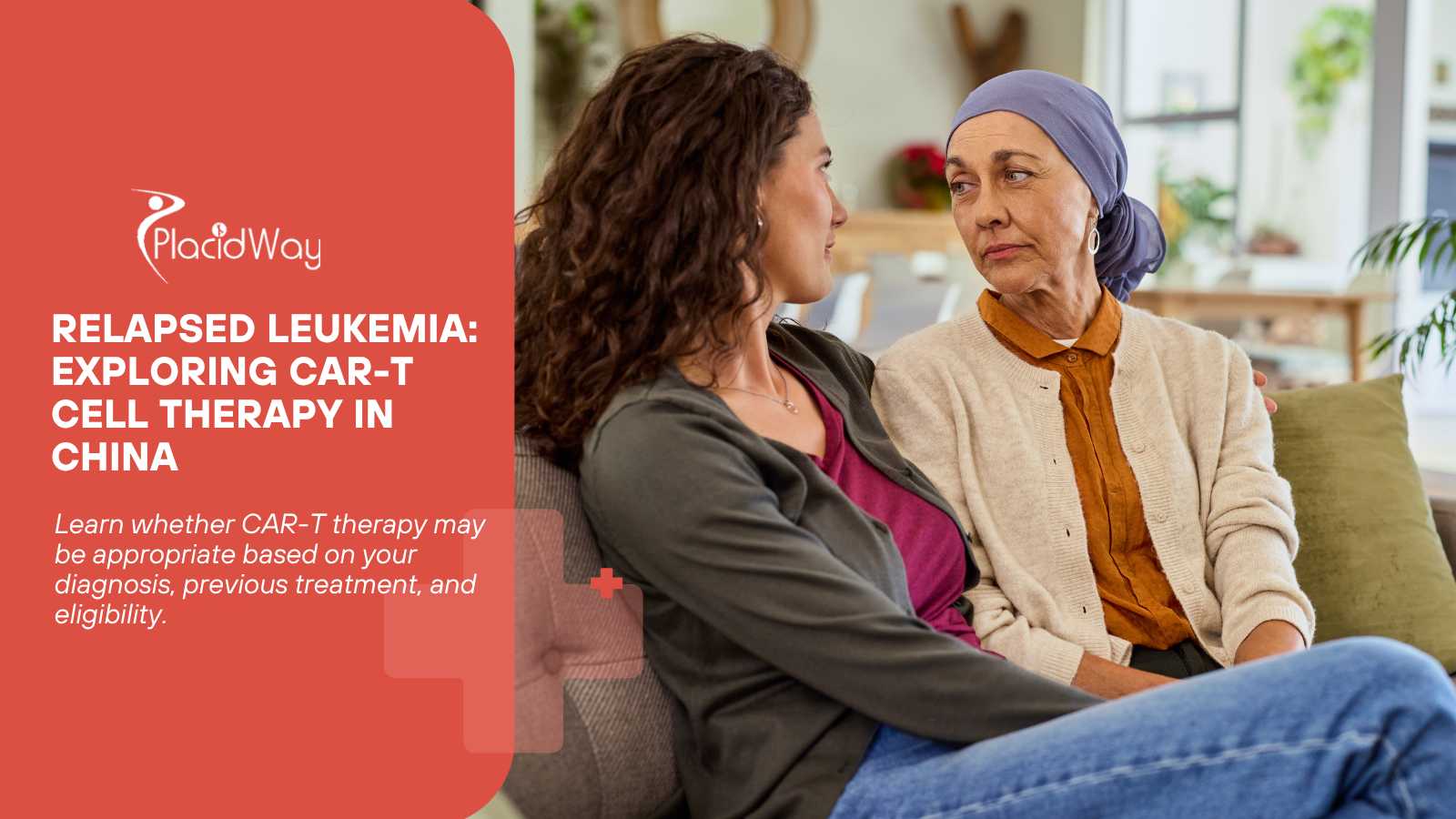
Experiencing a relapse can be deeply distressing for patients and their families. However, from a clinical perspective, a relapse simply indicates that the initial chemotherapy or radiation protocol did not eliminate every single microscopic leukemia cell. These remaining cells can mutate, multiply, and eventually become detectable again through blood tests or bone marrow biopsies.
When relapse occurs, the medical approach shifts. Hematologists will typically conduct comprehensive genetic and molecular testing on the newly returned leukemia cells. Because cancer can mutate, the relapsed cells may behave differently or show resistance to the medications used during the first round of treatment. This testing is vital for identifying new targets for therapy.
This is the stage where innovative, targeted therapies become the primary focus. While standard chemotherapy might be used to reduce the immediate disease burden, long-term management often involves exploring clinical trials, stem cell transplants, or advanced immunotherapies designed to train the patient's own body to fight the mutated cells.
Important Consideration
Relapsed leukemia is often categorized by how soon it returns. An "early relapse" (occurring within months) may require a vastly different, more aggressive medical strategy than a "late relapse" (occurring years after initial remission).
Are There New Options Like CAR-T Cell Therapy in China?
Over the past decade, immunotherapy has transformed the landscape of hematological oncology. CAR-T (Chimeric Antigen Receptor T-cell) therapy stands out as a revolutionary approach. Instead of relying purely on external chemicals to kill cancer, this treatment genetically engineers the patient's own immune system to recognize, bind to, and destroy leukemia cells.
The global availability of this treatment varies widely due to its complex manufacturing process and high costs. Consequently, an increasing number of patients are researching CAR-T Cell Therapy in China. The country has heavily invested in biotechnology and currently hosts hundreds of active clinical trials and specialized centers focusing on cell-based therapies for various blood cancers.
For patients whose leukemia has relapsed or become refractory (resistant) to multiple lines of traditional treatment, these specialized overseas centers may offer internationally recognized protocols or innovative trial targets (such as dual-targeting CAR-T cells) that might not yet be widely accessible in their home countries.
How Does CAR-T Cell Therapy Work for Relapsed Leukemia?
Understanding the mechanics of this treatment helps clarify why it requires highly specialized medical facilities:
- T-Cell Collection (Apheresis): Blood is drawn from the patient, and a machine separates the T-cells (immune cells) from the rest of the blood components.
- Genetic Engineering: In a highly regulated laboratory setting, the T-cells are genetically altered to produce specific receptors (chimeric antigen receptors) on their surface. These receptors act like GPS trackers designed to find specific proteins on leukemia cells.
- Cell Multiplication: The laboratory grows millions of these specialized CAR-T cells over a period of several weeks.
- Conditioning Chemotherapy: The patient receives a brief course of chemotherapy to suppress their remaining immune system, making room for the new CAR-T cells to expand and thrive.
- Infusion: The engineered cells are infused back into the patient's bloodstream, where they multiply and begin attacking the leukemia cells.
What Is the Estimated CAR-T Cell Therapy Cost in China?
When evaluating international healthcare, distinguishing between the base cost of the therapy and total procedural expenses is crucial. In Western countries, commercial CAR-T treatments can exceed $400,000 USD for the cell manufacturing alone. The lower comparative estimates in Asia often stem from local manufacturing capabilities and the framework of clinical trials.
It is vital to understand that an estimate provided by an international clinic is rarely a fixed guarantee. Treatment complexity varies per patient.
| Cost Component | What is Included? | Important Note |
|---|---|---|
| Cell Engineering | Apheresis, genetic modification in the lab, and cell expansion. | This is typically the most expensive single component of the treatment. |
| Conditioning & Infusion | Pre-infusion chemotherapy to prepare the body and the actual IV infusion procedure. | Requires specialized oncology nursing staff and careful timing. |
| Hospitalization & Monitoring | Inpatient stay, routine blood tests, imaging, and intensive care access if needed. | Costs fluctuate wildly if severe side effects like CRS require ICU admission. |
| Travel & Accommodations | Flights, medical visas, and lodging for 2-3 months near the hospital. | Must be calculated entirely out-of-pocket as insurance does not cover travel. |
How Do You Choose a CAR-T Cell Therapy Clinic in China?
When researching facilities, international accreditation (such as JCI - Joint Commission International) can be a helpful baseline indicator of safety and quality standards. However, for specialized treatments like CAR-T, you must look deeper into the specific hematology-oncology department.
Patients and their advocates should request documented evidence of the clinic's experience with the exact type of leukemia in question. It is important to ask about the specific cellular products used, ensuring they are internationally recognized or part of an officially registered clinical trial. Avoid clinics that make absolute medical claims or guarantee success.
Furthermore, managing post-infusion toxicity requires immediate access to advanced intensive care and specific medications (like tocilizumab). A reputable clinic will have strict, transparent protocols in place for transferring patients to the ICU at the first sign of severe immune reactions.
Did You Know?
CAR-T cell therapy is not a single drug; it is a highly personalized treatment manufactured from scratch for each individual patient. This is why the expertise of the specific laboratory and clinical team handling your cells is just as important as the hospital's general reputation.
Is Medical Tourism in China Safe for Leukemia Patients?
Traveling internationally while managing relapsed leukemia carries inherent risks. Leukemia and previous chemotherapy treatments leave patients severely immunocompromised. Navigating commercial airports, long flights, and new environments exposes patients to pathogens that their bodies may struggle to fight.
To mitigate these risks, medical travel must be clinically approved by your home oncologist. Patients must be stable enough to withstand the physical stress of travel. Additionally, comprehensive medical records, translated into the appropriate language, must be securely transferred well in advance to prevent any disruption in care.
Safety also involves understanding the legal and regulatory environment. Ensure the receiving hospital provides clear documentation for medical visas and has an international patient department capable of bridging cultural, linguistic, and logistical gaps during what is often a prolonged, multi-month stay.
Who Is a Good Candidate for CAR-T Cell Treatment Abroad?
Eligibility requires rigorous medical screening. Key factors include:
- Biomarker Presence: The leukemia cells must express specific proteins (antigens) like CD19 or CD22 that the CAR-T cells are engineered to target.
- Organ Function: Patients must have strong heart, lung, kidney, and liver function to endure potential severe systemic inflammation.
- Treatment History: Generally, this therapy is reserved for patients who have relapsed or failed to respond to at least two prior lines of conventional therapy.
- Infection Status: Active infections must usually be fully resolved before the intensive immune suppression required for treatment begins.
- Adequate T-Cell Counts: The patient must have enough healthy, functional T-cells remaining in their blood to allow for successful collection and laboratory expansion.
What Should I Expect During Recovery from CAR-T Cell Therapy?
The immediate weeks following infusion are critical. As the engineered cells multiply and attack cancer, they release massive amounts of cytokines. This can trigger Cytokine Release Syndrome (CRS), a condition characterized by high fevers, dangerous drops in blood pressure, and respiratory difficulty. Medical teams must monitor patients constantly to intervene with immunosuppressive drugs if CRS becomes severe.
Another notable risk is neurotoxicity, known as ICANS (Immune Effector Cell-Associated Neurotoxicity Syndrome). This can manifest as confusion, difficulty speaking, tremors, or in rare cases, seizures. While typically reversible with prompt medical intervention, it underscores the need for highly specialized inpatient monitoring.
Once discharged from the primary overseas facility, the recovery journey continues. Patients must establish a seamless transition of care with their local hematologist upon returning home. Long-term monitoring is required to track B-cell aplasia (a prolonged weakening of the immune system requiring antibody infusions) and to verify continued cancer remission through regular bone marrow assessments.
Why Choose PlacidWay for Finding Treatment Options Abroad?
PlacidWay provides tools and information to assist patients in their research phase:
Global Provider Network
Access a wide directory of international hospitals and specialized oncology centers, allowing for broad comparison of facility credentials.
Transparent Information
Review educational resources and provider profiles to better understand the technologies, accreditations, and specialties available globally.
Direct Clinic Connections
Facilitate direct communication with international medical departments to request customized treatment plans and preliminary cost estimates.
Empowered Decision Making
Utilize comparison tools to evaluate different medical hubs based on your specific health requirements and financial parameters.
Educational Focus
Gain access to medically vetted content regarding complex procedures, helping you formulate the right questions for your current oncologist and potential overseas specialists.
Frequently Asked Questions
Is CAR-T cell therapy a guaranteed cure for relapsed leukemia?
There are no guaranteed cures in cancer treatment. While CAR-T cell therapy has shown impressive remission rates in certain types of relapsed leukemia, results vary significantly depending on the patient's overall health, cancer genetics, and prior treatments.
How long does the CAR-T cell therapy process take?
The entire process typically takes several weeks. It includes cell collection, 2 to 4 weeks for laboratory cell modification, conditioning chemotherapy, the infusion itself, and several weeks of mandatory close monitoring in the hospital.
What are the main side effects of CAR-T cell therapy?
The most significant risks include Cytokine Release Syndrome (CRS), which causes high fevers and blood pressure changes, and neurotoxicity, which can cause confusion or seizures. Both require immediate, specialized medical management.
Can adults receive CAR-T cell therapy for relapsed leukemia?
Yes, while initially approved primarily for pediatric and young adult patients with acute lymphoblastic leukemia (ALL), internationally recognized CAR-T therapies are increasingly available for adult patients depending on the specific subtype of leukemia.
Will my insurance cover medical treatments abroad?
Most standard domestic health insurance plans do not cover treatments received internationally. Patients typically pay out-of-pocket or utilize specialized medical financing when traveling abroad for advanced cell therapies.
What is the difference between CAR-T and a stem cell transplant?
A stem cell transplant replaces your diseased bone marrow with healthy stem cells (often from a donor). CAR-T cell therapy specifically engineers your own immune T-cells in a laboratory to recognize and attack leukemia cells.
How soon after a leukemia relapse should I seek CAR-T therapy?
You should consult your hematologist-oncologist immediately upon relapse. Early evaluation is crucial because patients must be relatively stable and have a manageable disease burden to undergo the cell collection and wait for the manufacturing process.
Do I need a medical visa for treatment in China?
Yes, international patients traveling for healthcare typically require a specific medical visa. This process usually involves providing an official invitation letter from the receiving hospital and proof of medical necessity.
What languages do doctors speak at international clinics in China?
Many top-tier hospitals with international departments employ English-speaking hematologists and oncology staff. Facilities often provide dedicated medical interpreters to ensure clear communication regarding complex medical procedures.
Can I travel home immediately after the CAR-T infusion?
No. Patients are required to stay near the treatment facility for at least 4 to 8 weeks after the infusion. This mandatory period allows medical staff to monitor and rapidly treat any delayed severe side effects.
Explore Your Advanced Treatment Options
Facing a leukemia relapse is challenging, but you don't have to navigate your options alone. Compare specialized medical centers, understand treatment protocols, and gather the information you need to make an empowered decision about your care.
Request Treatment InformationDisclaimer: The information provided is for educational purposes only and does not constitute medical advice. Treatment availability, costs, and medical protocols vary widely. Always consult directly with a licensed hematologist-oncologist to determine the safest and most appropriate medical strategy for your specific condition. Costs mentioned are estimates based on available data and are subject to change without notice.
References
- CAR T Cells: Engineering Patients' Immune Cells to Treat Their Cancers – National Cancer Institute (NCI)
- CAR-T Cell Therapy in China: Rapid Development and Clinical Application – National Center for Biotechnology Information (NCBI)
- Treatment of Children with Leukemia – American Cancer Society (ACS)
- How I Treat Relapsed/Refractory Acute Leukemia – Blood Journal (American Society of Hematology)






.png)
.png)















Share this listing