




Mexico's Rise in Shoulder Replacement Surgery Excellence
The rotator cuff surgery cost in Mexico typically ranges from $4,500 to $7,500, offering patients up to 70% in savings. Top facilities provide board-certified orthopedic surgeons, modern arthroscopic technology, and premium aftercare.
Key Takeaways: Orthopedic Care South of the Border
- Exceptional Savings: Patients bypass exorbitant domestic hospital fees without sacrificing medical quality.
- Advanced Arthroscopy: Surgeons utilize minimally invasive techniques for faster healing and reduced scarring.
- No Wait Times: Immediate access to MRI imaging, specialist consultations, and surgical scheduling.
- Bilingual Medical Staff: Top facilities prioritize seamless communication for international patients.
- All-Inclusive Packages: Many centers bundle surgery, anesthesia, hardware, and initial physical therapy.
Dealing with a torn shoulder tendon can be a debilitating experience, robbing you of your mobility and causing chronic pain that disrupts sleep and daily activities. For many patients in the United States and Canada, seeking timely and affordable treatment feels impossible due to high deductibles, limited insurance networks, and massive out-of-pocket hospital fees. This frustrating reality is precisely why thousands of patients are looking beyond their borders for a reliable medical solution.
The rise of international healthcare travel has fundamentally changed how people access specialized orthopedic treatments. By crossing the border, patients discover modern hospitals equipped with the latest diagnostic technology and staffed by internationally trained specialists. You do not have to endure months of pain waiting for an affordable surgical slot at home when world-class orthopedic care is just a short flight away.
What is the average rotator cuff surgery cost in Mexico?
The rotator cuff surgery cost in Mexico averages between $4,500 and $7,500. This price typically bundles the surgeon fees, operating room time, anesthesia, and necessary medical hardware like suture anchors.
Understanding the financial benefits of seeking treatment abroad begins with a direct comparison. In the United States, an uninsured or underinsured patient can expect to see hospital bills ranging from $15,000 to over $30,000 for a shoulder tendon repair. These astronomical prices are driven by complex administrative overhead, aggressive pharmaceutical pricing, and expensive malpractice insurance premiums that doctors are forced to pay. When you choose to travel south, you bypass this inflated pricing structure entirely.
The remarkable affordability found across the border does not reflect a lower standard of medical care. Instead, it is a direct result of the country having a significantly lower cost of living and more streamlined administrative processes within their private healthcare sector. The government does not heavily tax medical supplies intended for tourist hospitals, and labor costs for highly trained nursing staff are much more reasonable. These systemic economic differences are passed directly to the patient in the form of transparent, accessible pricing.
When reviewing financial estimates, it is crucial to understand what is included. Leading facilities offer comprehensive packages that cover preoperative blood panels, electrocardiograms, specialized surgical hardware, and overnight hospital stays if required. By securing a fixed-price package, patients protect themselves against hidden fees and surprise billing, which are notoriously common occurrences in the American healthcare system.
Why is medical tourism in Mexico growing for orthopedic procedures?
Medical tourism in Mexico is booming due to its perfect combination of geographical proximity to North America, immediate access to world class orthopedic technology, and highly personalized patient care models.
The exponential growth of the healthcare travel sector is largely driven by convenience and accessibility. For patients living in the southern United States, crossing the border for top-tier medical care can be as simple as a short drive or a quick direct flight. Cities near the border and popular coastal resort towns have heavily invested in building modern medical infrastructure specifically designed to cater to the high expectations of international visitors seeking joint repairs.
Beyond geographical convenience, the private healthcare system actively prioritizes the patient experience. In domestic hospitals, patients often feel rushed during brief consultations, leaving them with unanswered questions about their shoulder injury. In contrast, international orthopedic centers allocate significant time for preoperative consultations, ensuring the surgeon thoroughly explains the MRI results, the exact nature of the tendon tear, and the specific mechanics of the proposed repair.
Furthermore, the growth is fueled by the evolution of the medical ecosystem. You are not just booking a surgery; you are accessing a holistic healing environment. Many destinations integrate recovery with relaxation, allowing patients to spend their initial rehabilitation period in comfortable, climate-controlled environments with access to excellent nutrition and dedicated nursing support, which significantly reduces the stress typically associated with major joint surgery.
Many international private hospitals feature VIP recovery suites that look more like luxury hotel rooms than clinical hospital wards. These suites often include accommodations for a traveling companion, ensuring you have familiar support during your early postoperative days without incurring extra hotel costs.
How do you select a top rotator cuff surgery clinic in Mexico?
Choosing the right rotator cuff surgery clinic in Mexico requires looking for international accreditations, verifying the use of advanced arthroscopic imaging technology, and evaluating the comprehensiveness of their rehabilitation support.
- Check International Accreditations: Look for facilities that hold accreditations from recognized global health organizations, which guarantee they follow rigorous protocols for sterilization, patient safety, and surgical outcomes.
- Verify Imaging Capabilities: An accurate diagnosis requires a high-resolution MRI. The best centers have these diagnostic tools in-house, preventing you from having to travel to third-party labs for your preoperative scans.
- Assess Communication Standards: Seamless communication is non-negotiable. Ensure the facility provides a dedicated, fluent English-speaking case manager who will translate medical jargon and handle your logistical needs.
- Review Orthopedic Specialization: General hospitals are fine, but facilities that feature dedicated orthopedic and sports medicine wings tend to have more specialized nursing staff and better equipped physical therapy departments.
- Evaluate Hardware Transparency: Premium centers will openly discuss the brands of surgical anchors and sutures they use, ensuring they match the FDA-approved standards utilized in North American hospitals.
What surgical techniques are used for rotator cuff surgery in Mexico?
Surgeons primarily perform highly advanced arthroscopic shoulder repairs. This minimally invasive technique uses a tiny camera and specialized instruments, resulting in less tissue damage and an accelerated healing process.
The standard of care for shoulder tendon repairs has evolved dramatically, and international orthopedic specialists are at the forefront of these advancements. The most common approach utilized is the fully arthroscopic repair. During this procedure, the surgeon makes several small incisions, roughly the size of a buttonhole, around the shoulder joint. A high-definition camera called an arthroscope is inserted, transmitting clear, magnified images to a large monitor in the operating room, allowing the surgeon to see the tear in precise detail.
Working through the other small incisions, the surgeon uses highly specialized micro-instruments to remove damaged tissue, shave down bone spurs that may be causing impingement, and reattach the torn tendon to the upper arm bone. They secure the tendon using tiny bioabsorbable or titanium anchors equipped with strong sutures. Because this method avoids detaching the deltoid muscle, patients experience significantly less postoperative pain and a lower risk of infection compared to older techniques.
In cases involving massive, complex tears that cannot be fixed solely through a camera, surgeons may employ a mini-open technique. This hybrid approach uses arthroscopy to treat internal joint damage and remove bone spurs, followed by a slightly larger incision to access and repair the severely retracted tendon. Regardless of the specific method chosen, the goal remains the same: restoring maximum structural integrity to the joint while minimizing trauma to the surrounding healthy muscles.
Are orthopedic surgeons performing rotator cuff surgery in Mexico well qualified?
Orthopedic specialists handling international cases are exceptionally qualified, often boasting advanced fellowships from the United States or Europe, and maintaining active memberships in prestigious global surgical societies.
A common misconception regarding international healthcare is that the doctors might lack the rigorous training required in North America. In reality, the specialists who cater to the medical travel industry represent the top tier of the medical profession in their country. Many of these surgeons have spent years studying abroad, completing demanding fellowships in sports medicine and advanced shoulder arthroscopy at renowned teaching hospitals in the US, Canada, or Germany.
Furthermore, these elite physicians actively participate in continuous medical education to stay current with the latest surgical innovations. It is very common to find them holding active memberships in organizations like the American Academy of Orthopaedic Surgeons or the International Society of Arthroscopy, Knee Surgery and Orthopaedic Sports Medicine. These affiliations require adherence to strict ethical and professional standards, providing an extra layer of reassurance for traveling patients.
Experience also plays a critical role in surgical outcomes. Surgeons operating in high-volume international hubs often perform shoulder repairs on a daily basis. This high frequency of specialized procedures refines their technical skills, making them incredibly proficient at handling both routine repairs and complex joint reconstructions. When you book your procedure, you have the full right to request and review your surgeon's complete curriculum vitae, verifying their specific expertise in shoulder biomechanics.
What does the recovery process look like after rotator cuff surgery in Mexico?
The recovery involves immediate immobilization using a specialized sling, strict adherence to a progressive physical therapy schedule, and careful pain management during the initial healing phase of the reattached tendon.
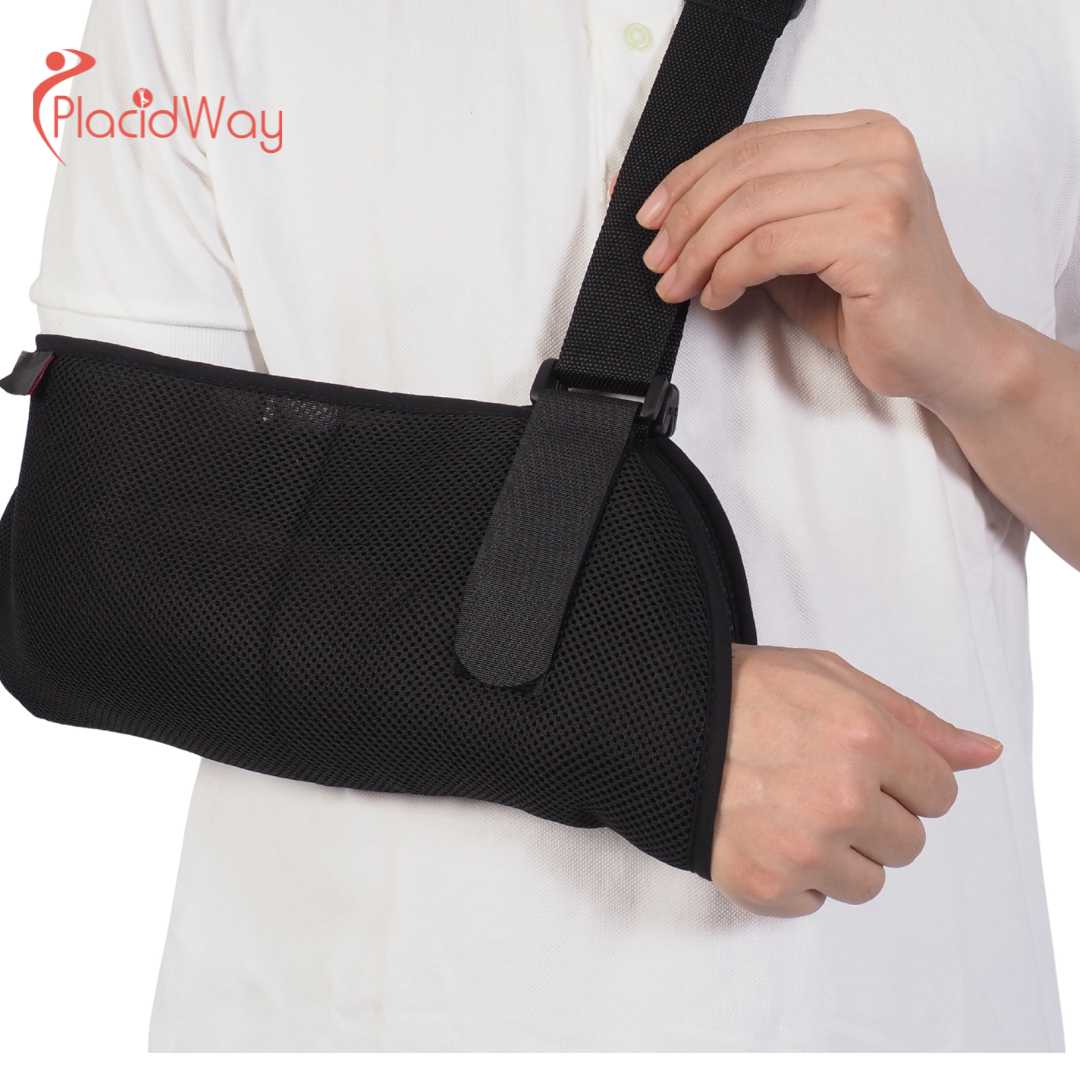
The journey to full mobility truly begins after you leave the operating room. Upon waking from surgery, your arm will be securely positioned in an abduction sling. This specialized brace features a supportive pillow that holds your arm slightly away from your body, relieving tension on the freshly repaired tendon. You must wear this sling day and night, typically for four to six weeks, only removing it for bathing and specific, doctor-approved gentle movements.
Pain management is a primary focus during the first few days. Your medical team will provide a comprehensive regimen combining strong analgesics, anti-inflammatory medications, and ice therapy protocols to keep swelling at bay. Many patients find that the combination of modern surgical techniques and nerve blocks makes the postoperative pain highly manageable. It is vital to take your prescribed medications exactly on schedule, even if you feel relatively comfortable, to prevent pain from intensifying.
Rehabilitation is the absolute key to a successful outcome. Your recovery will be broken into distinct phases, starting with passive motion exercises where a therapist moves your arm for you to prevent the joint from freezing. Weeks later, you will transition to active motion, and eventually, strength-building exercises. Your international surgical team will provide a highly detailed, week-by-week rehabilitation blueprint that you must hand over to your local physical therapist upon returning home.
How much time should I plan to stay for rotator cuff surgery in Mexico?
Patients should anticipate a total stay of 7 to 10 days. This timeframe allows for thorough preoperative evaluations, the surgical procedure itself, early physical therapy, and a final medical clearance check before flying back.
Proper planning is essential for a stress-free medical journey. Rushing the process can compromise your safety and comfort. Your itinerary will begin with arrival and settling into your accommodation. The following day is usually dedicated to preoperative testing. You will meet face-to-face with your orthopedic surgeon, complete any necessary blood work or EKG tests, and have an anesthesiologist review your medical history to ensure you are fully prepared for the operation.
The surgery itself takes a few hours, after which you will spend a period in the recovery room. While arthroscopic repair is often performed as an outpatient procedure domestically, international packages frequently include a one-night hospital stay. This allows the nursing staff to monitor your vital signs, manage your initial pain levels intravenously, and ensure you are stable and comfortable before releasing you to your hotel or recovery retreat.
The remaining days of your trip are dedicated to rest and early rehabilitation. Staying close to the clinic means your surgeon can perform a post-operative wound check, change your dressings, and ensure no early signs of infection exist. Additionally, attending your first few physical therapy sessions while still abroad ensures you learn the correct passive movements and sling adjustments directly from experts before you receive clearance to travel home.
Is it safe to travel for rotator cuff surgery in Mexico?
Yes, traveling south for medical procedures is highly safe when utilizing established healthcare corridors and verified private hospitals that strictly adhere to international surgical safety and sterilization protocols.
Safety encompasses both clinical excellence and personal security. On the clinical side, reputable private hospitals operate under strict scrutiny and maintain sterilization standards that parallel those found in American medical centers. Advanced HEPA filtration systems in operating rooms, single-use surgical tools, and rigorous antibiotic prophylaxis protocols keep infection rates incredibly low, ensuring your joint repair is performed in a completely pristine environment.
Regarding personal security, the medical travel industry is heavily protected. Major healthcare hubs rely on international patients to sustain their economies, meaning local governments heavily invest in keeping these specific medical and tourist districts secure and welcoming. Patients are rarely exposed to any risks when they follow sensible travel guidelines and stay within the recommended clinic and hotel zones.
To maximize safety, reputable facilitators coordinate comprehensive logistics. You will be greeted at the airport by dedicated medical drivers who transfer you directly to your accommodations or the hospital. By utilizing these secure, pre-arranged transportation networks, you eliminate the stress of navigating a foreign city and ensure a seamless, fully escorted journey from the moment you land until the day you depart.
Why choose PlacidWay for your rotator cuff surgery in Mexico?
PlacidWay acts as your ultimate medical advocate, connecting you with rigorously vetted orthopedic specialists, securing transparent all inclusive pricing, and providing comprehensive care coordination for a flawless surgical experience.
- Rigorous Clinic Vetting: We perform extensive background checks on every facility in our network, verifying surgical credentials, hospital accreditations, and historical patient outcomes to ensure you receive the highest standard of care.
- Complete Financial Transparency: We eliminate the fear of hidden medical bills by negotiating clear, upfront package prices that outline exactly what is included in your surgical procedure and hospital stay.
- Seamless Medical Record Transfer: Our platform facilitates the secure and swift transfer of your domestic MRI scans, X-rays, and medical history directly to the international surgeon for an accurate preliminary evaluation.
- Unbiased Expert Guidance: We provide objective comparisons between multiple top-rated orthopedic centers, helping you select the specific surgeon whose expertise best aligns with your unique shoulder injury and recovery goals.
- Dedicated Patient Advocacy: From facilitating your initial virtual consultation to checking in on your postoperative progress after you return home, our team remains by your side to ensure every medical expectation is met.
Frequently Asked Questions About Rotator Cuff Surgery in Mexico
Does health insurance cover rotator cuff surgery in Mexico?
While most standard domestic insurance plans do not cover international procedures, some employer sponsored health plans and specialized medical tourism facilitators are creating cross border networks. Additionally, the out of pocket cost for the procedure in Mexico is often lower than the standard deductible and copay requirements in the United States, making self pay a highly viable option.
What is the success rate for rotator cuff surgery in Mexico?
The success rate for shoulder repair procedures at top tier Mexican hospitals aligns with global standards, generally exceeding 90 percent for pain relief and functional restoration. These high success rates are achieved through the use of advanced arthroscopic techniques, rigorous preoperative screening, and adherence to strict international surgical protocols.
Will there be a language barrier during my rotator cuff surgery in Mexico?
Leading orthopedic centers catering to international patients require their surgeons and core medical staff to be completely fluent in English. Hospitals dedicated to international patients also employ bilingual patient coordinators who accompany you to all consultations, imaging appointments, and therapy sessions to ensure absolute clarity.
How soon can I return to work after rotator cuff surgery in Mexico?
Returning to work depends heavily on your profession. Desk workers can often resume remote work within a week of returning home, while those with physically demanding jobs may require three to six months of rehabilitation. Your Mexican orthopedic specialist will provide a detailed timeline based on the specific size of your tear and the repair method utilized.
Are the implants and anchors used for rotator cuff surgery in Mexico FDA approved?
Yes, reputable orthopedic hospitals in Mexico exclusively use surgical hardware, suture anchors, and medical devices from major global manufacturers that hold strict regulatory approvals. During your consultation, you can request details about the specific brand and type of bioabsorbable or titanium anchors being used for your shoulder repair.
Do clinics provide physical therapy after rotator cuff surgery in Mexico?
Comprehensive care packages typically include your initial postoperative physical therapy sessions before you travel home. These early sessions focus on passive range of motion and safe immobilization techniques. You will also be provided with a detailed, multi phase rehabilitation protocol to share with your local physical therapist once you return home.
What happens if I need revision rotator cuff surgery in Mexico?
While rare, re-tears can happen regardless of where the surgery is performed. Premium medical facilities often offer complication warranties or specialized insurance products covering revision procedures if a mechanical failure occurs within a specific timeframe. It is vital to discuss postoperative guarantees during your initial virtual consultation.
Can I fly back home immediately after rotator cuff surgery in Mexico?
Surgeons strictly advise against flying immediately after orthopedic surgery due to the risks of deep vein thrombosis and altitude induced swelling. Patients are typically required to stay in the country for seven to ten days post surgery to attend follow up evaluations, begin early therapy, and receive medical clearance to fly safely.
Is a medical visa required for rotator cuff surgery in Mexico?
Citizens of the United States, Canada, and the European Union do not require a special medical visa to receive treatment; a standard tourist entry permit granted at the border or airport is sufficient for recovery stays up to 180 days. You should always carry a letter from your clinic explaining the medical nature of your visit to present to customs officials if asked.
What kind of anesthesia is administered for rotator cuff surgery in Mexico?
Orthopedic surgeons generally utilize a combination of general anesthesia and a regional nerve block for shoulder procedures. The nerve block numbs the shoulder and arm entirely, significantly reducing the amount of general anesthesia required and providing excellent pain control for the first 12 to 24 hours following your operation.
Take Control of Your Shoulder Health Today
* Responses typically within 24 hours. Privacy guaranteed.
.png)








Share this listing