
Advancements in Height Enhancement Surgery in Turkey: What's Next?
If you are considering options to increase your stature, you might be looking into the future of height enhancement surgery in Turkey. Medically known as cosmetic limb lengthening or distraction osteogenesis, this complex surgical intervention was originally developed to correct limb length discrepancies and complex deformities. Today, a growing number of individuals are exploring this procedure for cosmetic reasons. Turkey has positioned itself as a prominent destination for this operation, drawing international patients with its modern medical infrastructure and experienced orthopedic teams.
However, increasing your height is an invasive, months-long commitment that alters your body's biomechanics. Understanding how the procedure works, what recovery entails, and the serious risks involved is the most important step any patient can take. This article explores how distraction osteogenesis functions, what you might expect regarding timelines and aftercare, and the factors shaping the future of this medical field.
Key Takeaways
- The procedure relies on distraction osteogenesis, dividing the bone and slowly pulling it apart to allow new bone formation.
- Candidates must undergo thorough physical and psychological evaluations prior to approval.
- The recovery process is intense, requiring months of physical therapy and restricted mobility.
- Risks include infection, nerve damage, muscle contractures, and failure of the bone to fuse properly.
- Patients must plan for extensive local follow-up care after returning home from their destination.
How does limb lengthening work for height enhancement?
The human body possesses a remarkable ability to heal broken bones. Orthopedic surgeons harness this natural healing capacity for height enhancement. During the initial operation (osteotomy), the surgeon makes a precise cut through the targeted bone—typically the femur (thigh bone) or the tibia (shin bone). An orthopedic device is then attached or inserted to stabilize the bone segments.
After a brief resting period of about a week, the "distraction phase" begins. The patient or medical team gradually adjusts the device, separating the bone segments at a microscopic rate of approximately one millimeter per day. As the gap slowly widens, the body produces new tissue, blood vessels, and nerves to fill the space.
Once the desired length is reached, the adjustment stops, and the "consolidation phase" begins. During this time, the newly formed, soft bone gradually hardens and calcifies into solid bone. The device remains in place to support the leg until the new bone is strong enough to bear weight independently.
Who is typically considered a suitable candidate for this procedure?
Not everyone who desires to increase their height will qualify for surgery. A thorough assessment by a multidisciplinary team is necessary. Orthopedic surgeons evaluate bone health, joint stability, and overall physical condition. Pre-existing conditions such as osteoporosis, severe joint problems, or poor blood circulation may act as strict contraindications.
Additionally, psychological stability is an essential criteria. The recovery journey takes a significant emotional toll due to restricted mobility, pain management, and social isolation. Surgeons typically require a psychological evaluation to ensure patients possess the resilience required to adhere to strict rehabilitation protocols.
Finally, candidates must be non-smokers or willing to cease all nicotine use months before and after the surgery. Nicotine heavily restricts blood flow and impairs osteogenesis, dramatically increasing the risk that the new bone will not heal correctly.
What methods are commonly used for height enhancement in Turkey?
The technological horizon of this field is largely defined by the devices used. The approach chosen depends on the patient's anatomy, budget, and the surgeon's recommendation.
| Surgical Method | Mechanism | General Characteristics |
|---|---|---|
| External Fixators (e.g., Ilizarov) | A metal frame sits outside the leg, attached to the bone via pins piercing the skin. | Older technique. Often more affordable but carries a higher risk of pin-site infections and scarring. |
| Combined Method (LON) | Uses both an internal nail and a temporary external frame during the stretching phase. | Reduces the time the external frame must be worn. The frame is removed once target length is reached. |
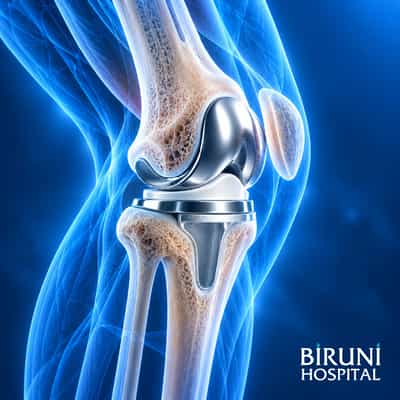
| Internal Nails (e.g., PRECICE) | A telescopic rod is placed entirely inside the bone marrow canal and lengthened magnetically. | No external hardware, reduced infection risk, and improved comfort, though usually the most expensive option. |
The trend is steadily moving toward fully internal devices due to patient comfort and lower rates of external infection, though some methods severely restrict weight-bearing until the bone hardens.
What is the estimated height enhancement surgery cost in Turkey?
One of the primary drivers of medical tourism in Turkey for this procedure is the comparative cost. While the procedure remains a significant financial investment, estimates are often lower than those found in North America or Western Europe.
- External Methods: Typically sit at the lower end of the pricing spectrum due to less expensive hardware.
- Combined Methods (LON): Generally occupy the middle tier of pricing.
- Internal Magnetic Nails: Represent the highest cost, often driven by the proprietary technology of the telescopic rods.
- Hidden Costs: Patients must also budget for long-term accommodation, physical therapy sessions, medications, and potential interventions if complications arise.
How long does the recovery and lengthening process typically take?
Patience is vital for anyone undergoing this surgery. The active distraction phase lasts roughly two to three months, depending on the desired length. Because the bone is pulled at a rate of 1mm per day, gaining 5 centimeters takes about 50 days of continuous adjustment.
Once the stretching is complete, the consolidation phase begins. The newly formed gap is filled with soft callus tissue that needs substantial time to mineralize into strong bone. This phase can take several months. During this period, the patient remains dependent on crutches, walkers, or wheelchairs, depending on the surgeon's weight-bearing guidelines.
Full recovery—meaning a return to unassisted walking, sports, and heavy physical activity—can take upwards of a year to a year and a half. Healing timelines vary wildly based on age, nutrition, and individual physiology.
What are the potential risks and complications associated with this surgery?
It is critical to approach this procedure with a clear understanding of its risks. This is not a simple cosmetic enhancement; it is a profound structural alteration. Potential complications include:
- Infection: Especially prevalent with external fixators where pins break the skin barrier, though deep bone infections (osteomyelitis) can occur with any method.
- Muscle and Tendon Contractures: As the bone stretches, muscles, nerves, and tendons are forced to stretch with it. Without intensive physical therapy, muscles can tighten and stiffen, limiting joint movement permanently.
- Nerve Damage: Overstretching can stretch or damage nerves, leading to numbness, tingling, or loss of motor function in the foot or leg.
- Non-Union or Delayed Union: The new bone may form too slowly or not at all, requiring further surgery such as bone grafting.
- Hardware Failure: Internal rods can bend or break if the patient puts too much weight on them prematurely.
How do patients manage pain and physical therapy during lengthening?
Pain is an expected part of the limb lengthening journey. Discomfort typically arises not just from the surgical site, but from the immense tension placed on the soft tissues—muscles, nerves, and skin—as they stretch. Medical teams provide tailored pain management protocols that may include analgesics and muscle relaxants. However, managing pain must be balanced against the risk of medication dependency.
Physical therapy is not optional; it is a mandatory daily requirement. Patients must dedicate significant time each day to stretching exercises to prevent contractures in the knees and ankles. Skipping physical therapy often leads to stiff joints, which can compromise the entire procedure and require surgical tendon release.
What follow-up care is required after returning home?
Continuity of care is a vital component of safe medical travel. The consolidation phase continues long after the patient has left Turkey. You cannot simply return home and wait to heal. It is imperative to secure a local orthopedic surgeon willing to monitor your progress before you travel abroad.
Local follow-up usually entails monthly X-rays to assess bone density, continuation of supervised physical therapy, and eventual surgery to remove internal nails (usually 1 to 2 years post-operation). If a patient develops a fever, severe pain, or hardware issues at home, immediate local medical intervention is necessary.
How to choose a height enhancement surgery clinic in Turkey?
Due to the severity of this procedure, choosing a provider goes far beyond comparing prices. Prospective patients should look for board-certified orthopedic surgeons who specialize specifically in limb lengthening and deformity correction. A surgeon's track record in managing non-unions and infections is just as important as their successful lengthening outcomes.
When vetting a facility, prioritize hospitals or specialized clinics that hold recognized international accreditations, which generally signify adherence to rigorous sterilization and patient safety protocols. The best facilities will offer a comprehensive pre-operative consultation, openly discuss complications, and mandate a psychological screening. Avoid providers who promise a pain-free experience or guaranteed results.
Why Choose PlacidWay for Medical Tourism in Turkey?
Navigating international healthcare options can be overwhelming. PlacidWay serves as a resource for patients seeking medical treatments globally. Here are five factual ways PlacidWay can assist your research:
- Access to Provider Information: PlacidWay offers directories of international clinics and hospitals, allowing you to review facility profiles.
- Educational Resources: The platform provides informative articles and guides regarding various medical procedures.
- Global Comparisons: Patients can explore and compare healthcare options across multiple countries and continents in one place.
- Facilitated Communication: PlacidWay helps connect patients with international medical teams to begin initial consultations.
- Transparent Platform Use: PlacidWay clearly outlines its role as a medical tourism portal, connecting patients to providers without charging hidden platform fees to the patient.
Frequently Asked Questions
What is the maximum height one can typically gain?
Most patients can typically gain between 5 to 8 centimeters (2 to 3 inches) in a single bone segment, such as the femur or tibia. Lengthening beyond this increases the risk of nerve damage, muscle contractures, and bone non-union.
Does limb lengthening surgery leave noticeable scars?
Yes, scarring is inevitable. External fixators leave multiple small round scars where the pins enter the skin, while internal nails require a few small incisions for insertion. The visibility of scars varies based on individual healing and the surgical method used.
Can I walk during the active lengthening phase?
Mobility during the lengthening phase depends entirely on the device used. Some external frames or combined methods permit limited weight-bearing with walking aids. However, many internal magnetic nails restrict weight-bearing until the bone begins to harden.
At what age is height enhancement surgery usually performed?
This procedure is generally restricted to adults whose growth plates have naturally closed, typically over the age of 18. Upper age limits vary, but older patients may face longer healing times and higher complication risks.
How long do I need to stay in Turkey for the procedure?
Many patients stay in Turkey for 2 to 3 months to complete the active lengthening phase under their surgeon's supervision. Some opt to return home earlier, which requires coordinating rigorous local orthopedic care and physical therapy.
Are internal nails better than external fixators?
Neither is universally better; they serve different patient needs. Internal nails often involve less risk of pin-site infections and offer more comfort, while external fixators are often more affordable and allow for certain alignment adjustments during the process.
What happens if the new bone does not harden correctly?
If the newly formed bone fails to solidify (a condition called non-union), patients may require additional surgeries, such as bone grafting, to stimulate healing. Close monitoring during the consolidation phase helps identify this issue early.
Can I lengthen my arms instead of my legs?
While distraction osteogenesis can be performed on the humerus (upper arm bone) for medical conditions like achondroplasia or trauma, it is rarely performed purely for cosmetic height enhancement.
Is the new bone as strong as my natural bone?
Once fully consolidated and remodeled, which can take a year or more, the newly generated bone is generally as strong as natural bone. However, achieving this strength requires strict adherence to physical therapy and nutritional guidelines.
How do I prepare my body before traveling for this surgery?
Preparation often includes improving baseline fitness, focusing on lower body flexibility, eating a nutrient-rich diet, quitting smoking (as nicotine heavily impairs bone healing), and undergoing psychological counseling to prepare for the arduous recovery.
Compare Treatment Options
Explore facility profiles, gather detailed information, and connect with international providers to make an informed decision.
Request Treatment InformationReferences
- American Academy of Orthopaedic Surgeons (AAOS)
- Pediatric Orthopaedic Society of North America (POSNA)
- National Institutes of Health (NIH) - PubMed
- The Journal of Bone and Joint Surgery (JBJS)
- International Orthopaedics Journal
- World Health Organization (WHO) - Medical Travel Guidelines


















Share this listing