
Full Mouth Dental Implants in Costa Rica: Cost, Benefits & Expert Care
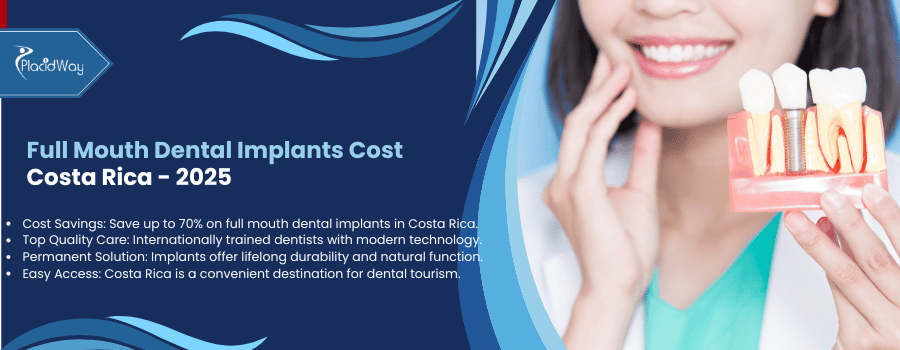
If you are facing extensive tooth loss, you might be researching ways to restore your smile and chewing function. For many patients, the financial reality of restorative dentistry at home prompts them to explore international options. Understanding the full mouth dental implants cost in Costa Rica requires looking beyond just the initial price tag. You have to consider travel logistics, healing timelines, and the vital importance of long-term aftercare.
Getting full mouth dental implants in Costa Rica is a multi-step surgical process. It involves placing titanium posts into the jawbone to serve as artificial roots, which then support a full arch of prosthetic teeth. Finding a suitable full mouth dental implants clinic in Costa Rica means thoroughly researching provider credentials and understanding that complex dental surgery always carries inherent risks. In this guide, we will break down what you need to know about medical tourism in Costa Rica for dental restorations, so you can have an informed discussion with your healthcare provider.
Key Takeaways
- Estimated full mouth restorations in the region often range from $10,000 to $24,000 per jaw.
- Most patients need to schedule two separate trips spaced several months apart to complete the treatment.
- Individual factors like jawbone density, oral health status, and material choices heavily influence the final cost.
- Standard implant protocols typically include All-on-4 or All-on-6 systems.
- You must consult a local dentist first to confirm eligibility and coordinate post-trip maintenance.
What is the average cost for full mouth dental implants in Costa Rica?
When looking at the estimates for these procedures, you have to remember that "full mouth" can mean treating just one jaw (upper or lower) or both. Treating a single arch naturally costs less than restoring the entire mouth. The pricing often depends on the type of system your dentist recommends—such as a four-implant system versus a six-implant system.
Additionally, the total amount can fluctuate based on the materials used for the final prosthetic teeth. A bridge made from highly durable, aesthetic zirconia will typically cost more than an acrylic alternative. It is also important to note that these figures are just estimates; if your pre-surgical evaluation reveals that you need extractions or bone grafting to create a stable foundation for the implants, your overall expenses will increase.
Why is dental work more affordable in Costa Rica?
Many patients wonder if lower prices equate to a drop in the quality of care. The price disparity is largely tied to economics rather than the materials themselves. Dental facilities in Central America often pay less for real estate, administrative staffing, and operational utilities. Furthermore, the cost of medical malpractice insurance and administrative red tape tends to be lower, allowing providers to pass those savings on to the patient.
While these economic factors make treatments more financially accessible, they do not guarantee specific outcomes. You still bear the responsibility of thoroughly vetting providers. Researching their educational background, professional affiliations, and the hygiene standards of their facility is a critical step before committing to any procedure abroad.
Are there hidden fees when getting implants abroad?
A common pitfall in medical tourism is focusing solely on the surgical quote. To get an accurate picture of your financial commitment, you need to factor in all associated costs. Since implant protocols typically require two distinct visits to the country, you must account for double the airfare, hotel stays, ground transportation, and meals.
Clinically, you may also encounter unexpected fees once the dentist evaluates your mouth in person. For example, a 3D CBCT scan might reveal insufficient bone density, necessitating a sinus lift or bone graft that was not included in your preliminary remote estimate. Finally, you should budget for the ongoing maintenance and cleanings you will need from your local dentist back home.
What types of full mouth implant systems are available?
- All-on-4 Implants: This technique uses four strategically angled titanium posts per arch. The angling often maximizes the use of available bone, which may help some patients avoid extensive bone grafting.
- All-on-6 Implants: Similar to the four-implant method, this approach uses six posts for added stability and bite force distribution. It is often recommended for patients who have sufficient bone density to support the extra implants.
- Implant-Supported Overdentures: Sometimes called "snap-on" dentures, these are removable prosthetics that click onto two or more implants. They are typically more affordable and easier to clean than fixed bridges but do not feel as close to natural teeth.
- Zirconia vs. Acrylic: The visible teeth can be crafted from highly durable zirconia, which resists staining and wear, or acrylic, which is often lighter and less expensive but may require replacement sooner.
Am I a good candidate for full mouth dental restorations?
Not everyone who has lost their teeth is immediately ready for implant surgery. A thorough evaluation by a qualified oral surgeon or prosthodontist is necessary to determine your eligibility. They will look closely at your jawbone volume, as implants require a sturdy foundation to anchor successfully.
Your overall health is just as important as your oral health. Conditions such as uncontrolled diabetes, autoimmune disorders, or a history of radiation therapy to the head and neck can significantly complicate the healing process and increase the risk of implant failure. Heavy smoking is also a major contraindication, as it restricts blood flow to the gums and bone.
How long does the implant process take in Costa Rica?
The first trip typically takes about a week to ten days. During this visit, the dentist will perform any necessary extractions, place the titanium implant posts into your jawbone, and fit you with a temporary healing denture. You will then return home while a process called osseointegration occurs—this is when the jawbone slowly heals and grows around the implants, locking them firmly in place.
The second trip, which occurs several months later, involves taking new impressions and fitting your final, permanent prosthetic bridge. This visit may take slightly longer, sometimes up to two weeks, as the dental laboratory needs time to craft and refine the final teeth to ensure a proper bite and aesthetic fit.
What are the risks and potential complications of dental implants?
It is vital to approach medical tourism with a clear understanding of the risks. Surgical complications can occur during or immediately after the procedure. You might experience prolonged bleeding, excessive swelling, or localized infections at the implant site. If an implant in the upper jaw is placed incorrectly, it can protrude into the sinus cavity, leading to chronic sinus issues.
Long-term complications are also possible. Peri-implantitis is a condition where the tissues around the implant become inflamed, often due to poor oral hygiene, which can eventually lead to bone loss and implant failure. Your individual health habits, especially smoking and plaque control, play a massive role in whether your implants succeed or fail over the long run.
How should I plan for aftercare and recovery?
- Immediate Post-Op: Rest heavily for the first few days. Apply ice packs to the outside of your face to help control swelling and take any prescribed antibiotics or pain relievers exactly as directed.
- Dietary Restrictions: You will likely need to consume only liquids or very soft foods for the first few weeks. Chewing hard or crunchy foods too early can disturb the implants and cause them to fail.
- Oral Hygiene: Keeping your mouth clean is crucial to prevent infection. Your dentist will provide specific instructions, which may include gentle saltwater rinses or a specialized antibacterial mouthwash.
- Long-Term Maintenance: Once the final teeth are attached, you must brush them just as you would natural teeth. Using a water flosser is often highly recommended to clean beneath the bridge.
What happens if I experience complications back home?
One of the biggest challenges of receiving dental care abroad is the continuity of care. If an infection flares up, a temporary denture breaks, or you experience severe pain, you need immediate professional attention. You cannot rely on a provider who is a plane ride away to handle an acute issue.
Because of this, it is highly recommended that you establish a relationship with a local dentist in your home country before you travel. Be transparent with them about your plans to go abroad. Some dentists may be hesitant to take on the liability of maintaining work performed by an unknown international provider, so securing a local professional who is willing to assist with your follow-up care and routine cleanings is an essential part of your preparation.
Why Choose PlacidWay for Medical Tourism in Costa Rica?
Navigating international healthcare options can be overwhelming. PlacidWay acts as an informational resource for patients considering medical tourism. When looking into dental options abroad, you might consider how a centralized directory can assist your research.
- PlacidWay provides an online platform where patients can explore healthcare options and treatments in various countries, including Central America.
- The portal allows individuals to compare different clinics, facility amenities, and treatment offerings side-by-side.
- Patients can access informational profiles that outline facility accreditations, professional memberships, and provider backgrounds where available.
- The platform offers educational resources and guides to help individuals understand the general processes involved in international healthcare.
- PlacidWay facilitates direct communication and inquiries between patients and international medical facilities.
Frequently Asked Questions
How much do All-on-4 implants typically cost in Costa Rica?
Estimates for an All-on-4 procedure in Costa Rica typically range between $10,000 and $15,000 per arch. This usually includes the extractions, implant placement, and the final fixed prosthetic, though bone grafting and temporary dentures can increase the final price.
Do I need a passport to get dental implants in Costa Rica?
Yes, international travelers require a valid passport to enter Costa Rica. It is recommended that your passport has at least six months of validity remaining from your planned date of entry.
Will my home dental insurance cover implants in Costa Rica?
Most standard dental insurance plans offer limited coverage for implants, and many do not cover international care. You will need to check directly with your insurance provider to see if they offer out-of-network reimbursement for cross-border treatments.
What materials are used for full mouth restorations?
The posts implanted into the jaw are almost always made of biocompatible titanium. The visible artificial teeth (the fixed bridge) are commonly crafted from zirconia, porcelain, or specialized acrylic over a titanium bar.
How painful is the full mouth implant procedure?
The surgery itself is performed under local anesthesia or IV sedation, meaning you should not feel pain during the procedure. Post-operative discomfort, swelling, and bruising are normal and are typically managed with prescribed pain relievers.
Can I get the extractions and implants done on the same day?
In suitable candidates, dentists can often extract failing teeth and place the implant posts during the same surgical appointment. However, patients with severe bone loss or active infections may need to heal before implants can be placed.
How long do dental implants typically last?
With meticulous oral hygiene, regular dental check-ups, and good overall health, titanium implant posts can last for many years, sometimes a lifetime. The prosthetic teeth attached to them may experience wear and tear over time and might eventually need repair or replacement.
What is a sinus lift and why might I need one?
A sinus lift is a bone-grafting procedure that adds bone to your upper jaw in the area of your molars and premolars. It is required when a patient lacks sufficient bone height in the upper jaw to securely anchor an implant without penetrating the sinus cavity.
Is Costa Rica a common destination for dental care?
Yes, Costa Rica is a frequent destination for patients from North America seeking dental treatments. Many providers cater specifically to international visitors, though patients must still carefully research provider credentials and facility standards.
How do I maintain my dental implants once I return home?
Implants require the same daily care as natural teeth, including brushing twice a day and using water flossers or specialized interdental brushes. Routine professional cleanings and examinations by your local dentist are also essential to monitor the health of your gums and the implants.
Compare Treatment Options
Explore your choices and request treatment information to help you make an educated decision about your dental care.
Request Treatment InformationReferences
- Dental Implants: What You Should Know – U.S. Food and Drug Administration (FDA)
- Dental Implants Information – American College of Prosthodontists
- Implants Overview – American Dental Association (ADA) MouthHealthy
- Clinical Studies on Implant Survival – Journal of Oral Implantology
- Dental Implant Surgery Risks and Recovery – Mayo Clinic
- Medical Tourism Guidelines and Risks – Centers for Disease Control and Prevention (CDC)




















Share this listing