
Why Choose Turkey for Affordable and High-Quality Dental Implants

Many patients missing one or more teeth consider traveling abroad for restorative dentistry. As you explore your options, you might wonder if getting dental implants in Turkey makes sense for your specific health needs and budget. The decision involves weighing significant cost differences against the logistical challenges of international travel, the necessity of multiple visits, and the importance of ensuring high safety standards.
Navigating cross-border healthcare requires a clear understanding of the procedure, the recovery timeline, and the potential risks involved. By evaluating the full scope of what it means to seek treatment overseas, you can make a more informed choice about your oral health.
Key Takeaways
- Cost savings are a primary reason many choose this destination, but prices vary by clinic and materials.
- Quality of care fluctuates, making thorough clinic and dentist research essential for safety.
- Traditional implant treatment typically requires two separate trips spaced several months apart.
- Travel expenses, accommodations, and potential complication management must be factored into total costs.
- Consulting a local dentist for an assessment before and after travel is highly recommended.
Why do patients travel to Turkey for dental implants?
The primary motivation for crossing borders for dental work usually revolves around affordability. In countries with a high cost of living, complex restorative work like implants can place a significant financial burden on patients, particularly because elective dental procedures are frequently underinsured or excluded from basic health plans.
Beyond cost, some international facilities have invested heavily in modern dental technology, such as 3D cone beam computed tomography (CBCT) scanners and digital impression systems. For patients facing long waits for specialist appointments locally, the ability to schedule treatment relatively quickly can be an appealing alternative.
However, focusing solely on the price tag or speed of treatment can obscure the clinical realities of oral surgery. Dental implants are complex medical devices placed into the jawbone, and success relies heavily on the practitioner's skill, infection control standards, and your body's healing capacity.
How much do dental implants cost in Turkey compared to other countries?
When comparing estimates, patients often find that treatment estimates abroad appear substantially lower than domestic quotes. These differences are largely driven by the destination country's broader economic conditions rather than a difference in the materials themselves, provided the clinic uses internationally recognized implant brands.
Your actual expenses will depend on several highly individual factors. The need for tooth extractions, sinus lifts, or bone grafting will increase the total price. Additionally, the specific brand of the titanium implant and the material used for the final crown (such as zirconia or porcelain) will alter the final bill.
It is vital to obtain a comprehensive, itemized treatment plan before committing to any procedure. Be wary of estimates that seem too good to be true, as they may exclude necessary components like abutments, temporary crowns, surgical fees, or required diagnostic imaging.
Is it safe to get dental implants abroad?
Safety in dental tourism is a complex issue because regulations, hygiene standards, and practitioner training vary widely. While many facilities maintain excellent clinical standards—sometimes holding international accreditations like ISO or Joint Commission International (JCI)—others may lack rigorous oversight.
Infection control is a primary concern during any oral surgery. A reputable clinic will be transparent about its sterilization processes and use of single-use disposable items. Furthermore, the safety of the procedure depends on the qualifications of the dentist. Placing an implant requires surgical precision to avoid damaging nearby nerves or penetrating the sinus cavity.
Your own medical history also dictates safety. Patients with uncontrolled diabetes, autoimmune disorders, or those undergoing certain medical treatments may face a higher risk of implant failure or severe infection. A thorough evaluation by a qualified dentist is mandatory to determine if you are physically fit for the surgery.
What is the typical process for getting dental implants in Turkey?
When seeking dental implants in Turkey, the journey usually begins before you leave home. Clinics often ask for recent dental X-rays or a local CBCT scan to assess your bone density remotely. This allows the dentist to draft a preliminary treatment plan and provide a cost estimate.
During the first visit, the dentist conducts a physical examination and finalizes the surgical plan. The surgery involves placing the titanium implant fixture into the jawbone under local anesthesia. If your jawbone lacks sufficient volume, a bone graft may be necessary, which can extend the timeline.
Following placement, the bone must fuse to the implant in a process called osseointegration. This crucial healing phase takes an average of three to six months. Once the implant is firmly integrated, you return for the restorative phase, where the abutment and final crown are permanently attached.
Will I need to make multiple trips for the procedure?
The requirement for multiple trips is one of the most significant logistical factors to consider. The initial trip usually lasts a few days to a week to accommodate the surgery and initial post-operative monitoring. You will then return home to heal.
Some clinics advertise "teeth in a day" or immediate-load implants, where a temporary crown is placed on the same day as the surgery. While this is an option for certain patients with excellent bone density, it is not suitable for everyone and still requires a follow-up visit months later to place the final, durable restoration.
When calculating the overall value of traveling abroad, you must double your estimated travel budget to account for flights, hotels, and local transportation for both the surgical and restorative visits.
Important Consideration: Continuity of Care
Having a local dentist at home who is willing to monitor your healing process between trips is highly advisable. Ensure you ask your international dentist for a detailed surgical report, including the exact brand and size of the implants used, to share with your local provider.
How should I choose a reputable dental implant clinic in Turkey?
- Verify Qualifications: Look for specialists, such as prosthodontists or oral and maxillofacial surgeons, rather than general dentists for complex implant work.
- Check Accreditations: Facilities accredited by independent international bodies often adhere to stricter safety, hygiene, and patient care protocols.
- Ask About Materials: Request the specific brand names of the implants. Globally recognized brands are easier for your local dentist to maintain or repair in the future.
- Demand Transparency: Reputable clinics will provide clear, written, itemized treatment plans that detail all fees, potential extra costs, and required visits.
- Read Independent Reviews: Seek out patient testimonials on independent platforms, looking specifically for reviews from patients who have completed both phases of the treatment.
What are the potential risks and complications of dental tourism?
Every surgical procedure involves inherent risks. With dental implants, complications can include infection at the implant site, damage to surrounding teeth or blood vessels, and nerve damage that may cause pain, numbness, or tingling in your natural teeth, gums, or lips. In the upper jaw, implants protruding into the sinus cavities can cause chronic sinus problems.
When you add travel to the equation, new risks emerge. Flying too soon after a procedure, particularly if a sinus lift was performed, can cause severe pain and bleeding due to changes in cabin pressure. Furthermore, language barriers might lead to misunderstandings regarding pre-operative instructions or crucial post-operative aftercare.
It is important to remember that if an implant fails—which can happen even under ideal conditions—you may need additional surgery. Addressing complications from abroad can be physically taxing and financially draining if you have to arrange emergency travel.
How does medical tourism in Turkey work for dental patients?
Many facilities in popular destinations are structured specifically to accommodate patients arriving from overseas. They often employ patient coordinators who handle the logistics of the medical side, acting as a liaison between the patient and the dental team. These coordinators can help translate documents and ensure clear communication.
While the process is often streamlined to maximize the efficiency of your trip, patients must advocate for themselves. Ensure that the pace of the treatment is dictated by clinical necessity rather than your flight schedule. Dentists should never rush a procedure or skip necessary healing times simply because you have limited time in the country.
Additionally, while some patients treat dental tourism as a "dental vacation," engaging in strenuous tourist activities immediately after oral surgery is strongly discouraged. Rest and proper aftercare must be your primary focus during the trip.
What happens if I experience complications after returning home?
Post-operative care is a critical component of successful implant surgery. Minor issues like swelling or slight discomfort can often be managed with guidance from your international dentist via telemedicine. However, acute complications, such as severe infection or a loose implant, require immediate, hands-on medical attention.
Some local dentists may be hesitant to intervene in complex restorative work started abroad, particularly if they are unfamiliar with the specific implant brand used. Before you travel, it is highly recommended to secure a local dentist who agrees to provide routine maintenance and emergency care for your international implants.
Any emergency care received at home will typically be an out-of-pocket expense, as foreign dental work rarely includes local follow-up coverage. You should factor this potential cost into your overall risk assessment when deciding if the trip is worthwhile.
Are there contraindications that might prevent me from getting implants?
- Bone Density: A healthy jawbone is required to anchor the implant. Severe bone loss may necessitate extensive grafting before placement is possible.
- Gum Disease: Active periodontal disease must be completely treated and resolved before implants can be placed to prevent infection.
- Medical Conditions: Uncontrolled diabetes, bleeding disorders, or compromised immune systems can impair healing and osseointegration.
- Medications: Certain drugs, such as bisphosphonates used for osteoporosis, can interfere with bone healing.
- Smoking: Tobacco use restricts blood flow to the gums, drastically increasing the risk of implant failure and post-operative complications.
Why Choose PlacidWay for Medical Tourism Research?
Planning international dental care requires access to reliable, organized information. PlacidWay helps patients navigate their options by providing educational resources and connections to global healthcare facilities.
- Global Network: Connects patients with clinics and hospitals across multiple international destinations.
- Provider Profiles: Offers access to information regarding clinic facilities, technologies, and dentist credentials.
- Cost Comparisons: Provides access to preliminary cost estimates to help you understand potential price variations.
- Direct Communication: Facilitates the initial contact between patients and international medical providers.
- Educational Focus: Helps patients research medical tourism options, encouraging informed decision-making alongside local medical consultation.
Frequently Asked Questions
How long do dental implants usually last?
With proper oral hygiene and regular dental check-ups, dental implants can often last for decades or even a lifetime. The crown attached to the implant may undergo wear and tear and could need replacement after 10 to 15 years.
Does getting dental implants hurt?
The procedure is typically performed under local anesthesia, meaning you should not feel pain during the surgery. After the anesthesia wears off, mild to moderate discomfort, swelling, and bruising are common but can usually be managed with over-the-counter pain relievers.
Can I get a full mouth of implants in Turkey?
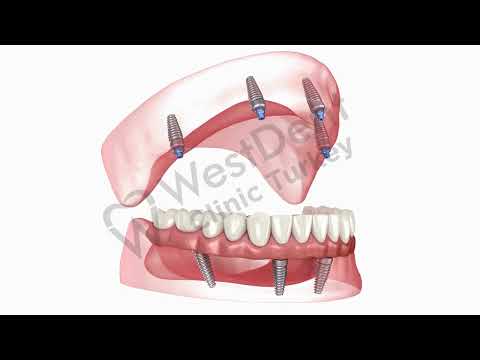
Yes, full-arch restorations like All-on-4 or All-on-6 are commonly offered by Turkish dental clinics. Eligibility depends on your jawbone density, overall health, and a thorough evaluation by a qualified prosthodontist.
Do Turkish clinics use the same implant brands as my home country?
Many international clinics in Turkey use globally recognized implant brands such as Straumann, Nobel Biocare, and Osstem. You can request specific information about the materials and brands a clinic uses during your initial consultation.
How soon can I fly after dental implant surgery?
Dentists often recommend waiting 24 to 48 hours after standard implant placement before flying. If you have had a sinus lift or extensive bone grafting, you may need to wait up to two weeks to avoid complications from cabin pressure changes.
What kind of aftercare is required for implants?
Aftercare includes maintaining excellent oral hygiene, avoiding hard foods during the healing phase, managing swelling with ice packs, and attending regular follow-up appointments. If you travel home, you will need a local dentist to monitor your healing.
Are bone grafts performed during the same trip?
Minor bone grafting can sometimes be done at the same time as implant placement. However, severe bone loss may require a separate grafting procedure that must heal for several months before implants can be safely placed.
Do dentists in Turkey speak English?
Many dentists and staff working in clinics that cater to international patients speak fluent English. Clinics often provide dedicated patient coordinators or translation services to ensure clear communication.
Can smoking affect my dental implant success?
Smoking significantly increases the risk of implant failure, infection, and delayed healing by reducing blood flow to the gums. Dentists strongly advise quitting smoking for several weeks before and after the procedure.
Will my local insurance cover dental work done in Turkey?
Most standard domestic dental insurance policies do not cover elective procedures performed internationally. You should consult your insurance provider directly, though most patients pay out-of-pocket for dental tourism.
Compare Treatment Options
Gather information, review clinic credentials, and request preliminary estimates to make an informed decision about your oral health.
Request Treatment InformationReferences
- Dental Implants – American Dental Association (ADA)
- Dental Implant Surgery – Mayo Clinic
- Dental Implants: What You Should Know – U.S. Food and Drug Administration (FDA)
- Infection Prevention & Control in Dental Settings – Centers for Disease Control and Prevention (CDC)
- Dental Treatments (Implants) – National Health Service (NHS)
- Medical Tourism – Centers for Disease Control and Prevention (CDC) Travelers' Health



















Share this listing