
How much can I expect to pay for Precice nail limb lengthening in Turkey?
Distraction osteogenesis, more commonly known as limb lengthening, is an intensive orthopedic procedure. Historically developed to treat severe congenital deformities or traumatic injuries, it has increasingly become a sought-after option for cosmetic height increases. For patients exploring medical tourism in Turkey, understanding the financial, physical, and emotional commitments of this procedure is vital before making a decision.
Key Takeaways
- Prices generally range from $15,000 to $50,000 based on the technique and device used.
- Methods include internal lengthening nails (like PRECICE) and combined external/internal systems (like LON).
- The procedure requires extensive physical therapy and a prolonged recovery period of several months.
- Candidates must undergo strict medical and psychological evaluations before approval.
- Potential risks include pin-site infection, nerve damage, muscle contractures, and poor bone healing.
What methods are used for limb lengthening in Turkey?
The type of device implanted dictates much of the patient experience, the recovery protocol, and the overall price. The traditional Ilizarov method, which relies entirely on a bulky external frame with pins passing through the skin and muscle into the bone, is still used for complex trauma reconstructions but is less common for pure cosmetic lengthening due to discomfort and scarring.
Instead, many modern orthopedic centers utilize the LON (Lengthening Over Nail) method. This technique combines an external fixator to guide the bone stretching with a standard internal intramedullary nail to stabilize the bone once the target height is reached. The external frame is worn during the active lengthening phase and removed shortly after, leaving the internal nail in place while the bone hardens.
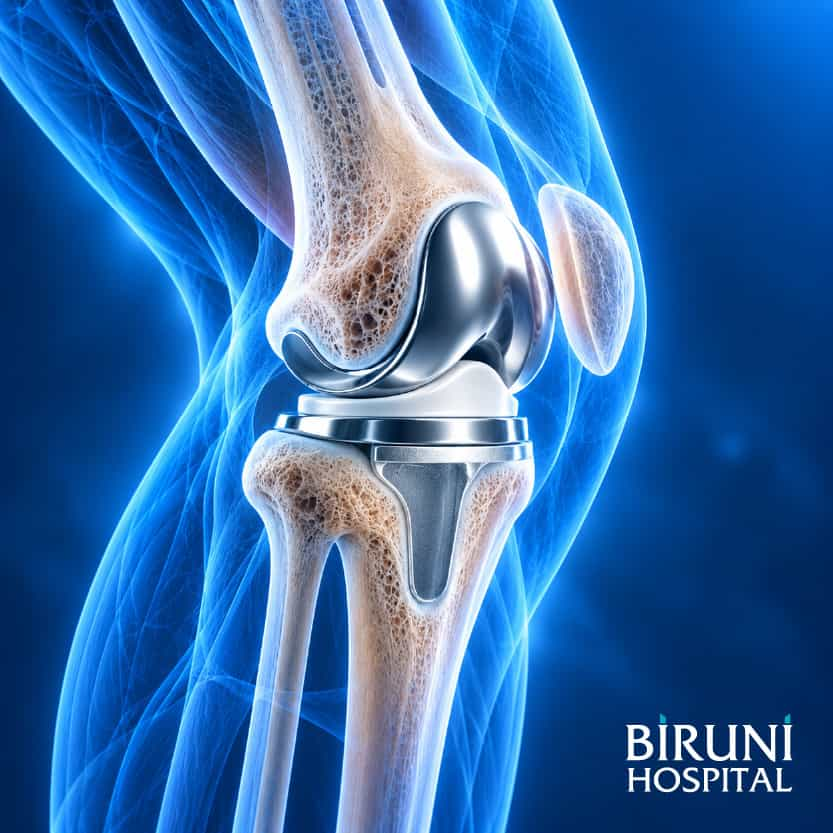
The most advanced option is a fully internal magnetic intramedullary nail, such as the PRECICE system. This method involves surgically placing an adjustable nail directly inside the bone cavity. Patients use an external magnetic remote control daily to trigger the nail's gears, lengthening the bone by microscopic amounts. Because there are no external pins piercing the skin, the risk of pin-tract infections is drastically reduced, and patient comfort is generally higher.
What factors influence the total cost of the procedure?
When calculating the limb lengthening surgery cost in Turkey, patients must look beyond the initial surgical fee. The price structure in orthopedic medical tourism often involves several distinct phases of care.
- The Surgical Technique: External fixator methods and LON are typically on the lower end of the pricing spectrum ($15,000 – $25,000). Fully internal magnetic nails require expensive, highly engineered hardware, pushing the cost higher ($35,000 – $50,000).
- Facility and Surgeon Fees: The reputation and infrastructure of the limb lengthening surgery clinic in Turkey play a role. Clinics with dedicated orthopedic rehabilitation wings or those employing highly experienced specialists often charge more.
- Post-Operative Stay and Rehabilitation: Lengthening takes months. Daily physical therapy, routine X-rays, nursing care, and wheelchair-accessible accommodation add significantly to the overall budget.
- Hardware Removal: Patients must account for a secondary surgery down the line to remove the internal nails once the bone has completely healed.
| Surgical Method | Estimated Cost Range | Hardware Placement |
|---|---|---|
| Ilizarov / External Fixator | $15,000 - $20,000 | Fully External |
| LON (Lengthening Over Nail) | $18,000 - $28,000 | Combined Internal/External |
| Internal Magnetic Nail (e.g., PRECICE) | $35,000 - $50,000 | Fully Internal |
Note: The above prices are estimates and can fluctuate based on exchange rates, specific hospital pricing, and individualized patient needs.
Who is considered a suitable candidate for this surgery?
Limb lengthening is a massive physical trauma deliberately inflicted on the body in a controlled manner. Because of this, patient selection is incredibly strict. Candidates must undergo thorough blood panels, bone density scans (DEXA), and joint health evaluations to ensure their skeletal system can withstand the process.
Psychological screening is just as important. The emotional toll of being temporarily disabled, combined with chronic pain and sleep disruption during the distraction phase, is intense. Medical professionals must screen for conditions like body dysmorphic disorder (BDD). If a patient's desire for height stems from a psychological condition that will not be satisfied by the physical change, they are typically contraindicated for the procedure.
Additionally, patients who smoke, take certain medications that inhibit bone healing (like NSAIDs or high-dose steroids), or have a high Body Mass Index (BMI) may not qualify. The internal nails have strict weight-bearing limits, and excess body weight can cause the surgical hardware to bend or break.
How much height can realistically be gained?
While the hardware is physically capable of stretching further, the limiting factor in limb lengthening is not the bone itself, but the surrounding soft tissues. Nerves, blood vessels, muscles, and tendons do not stretch as easily as bone regenerates.
Pushing past safe limits drastically increases the risk of permanent nerve damage, severe muscle contractures (where joints become permanently stiff and bent), and loss of athletic ability. Orthopedic surgeons will continuously monitor flexibility and nerve function during the lengthening process. If a patient develops tight Achilles tendons or begins losing sensation in their toes, the surgeon may halt the lengthening process early, regardless of the patient's initial height goals.
The principle of distraction osteogenesis relies on creating a "tension-stress" environment. When a bone is cut and slowly pulled apart (usually 1mm per day), the body responds by growing new bone tissue in the gap. If the rate is too fast, the bone won't form; if it's too slow, the bone may fuse prematurely.
What does the recovery timeline typically look like?
The journey is split into two main phases: the distraction phase and the consolidation phase.
- The Distraction Phase: This begins a few days after surgery. The bone is actively lengthened by roughly 1 millimeter a day. If a patient aims for 5 centimeters (50 millimeters) of growth, this phase takes about 50 days. During this time, pain is typically at its highest, and patients usually require walking aids like crutches or a wheelchair.
- The Consolidation Phase: Once the target height is reached, the lengthening stops. The newly formed "regenerate" bone is soft, resembling cartilage. Over the next several months, calcium hardens this tissue into solid bone. Patients gradually increase weight-bearing as the bone solidifies.
It can often take 6 to 12 months before a patient can walk completely unassisted and normally without a noticeable limp. Full athletic recovery may take over a year.
What are the potential risks and complications?
Limb lengthening is categorized as a high-risk elective surgery. Patients must be fully aware that complications can and do occur, sometimes requiring additional surgeries to correct.
For methods utilizing external fixators, pin-tract infections are highly common, though they can often be managed with oral antibiotics and diligent cleaning. A more severe risk across all methods is non-union or delayed union, where the new bone fails to form properly in the gap. This may require bone grafting.
Other serious medical risks include fat embolism syndrome (where fat from the bone marrow enters the bloodstream) and deep vein thrombosis (blood clots in the legs due to limited mobility). Joint contractures are also a major concern; if the muscles cannot keep up with the bone growth, they can pull the knees or ankles into permanently bent positions, affecting long-term mobility.
How do patients prepare for an extended stay in Turkey?
Participating in medical tourism in Turkey for an elective orthopedic surgery requires significant logistical planning. You cannot simply have the surgery and fly home the next week. The distraction phase must be monitored closely by the operating surgeon via weekly X-rays to ensure the bone is forming correctly and the hardware is functioning.
Patients need to secure long-term, accessible accommodation. The apartment or hotel must be wheelchair-friendly with accessible bathrooms. Furthermore, having a dedicated caregiver—whether a family member or a hired local nurse—is essential. You will struggle with basic tasks like cooking, bathing, and getting to physiotherapy appointments during the initial months.
What type of physical therapy is required after surgery?
Physical therapy is not an optional part of the recovery; it is arguably just as important as the surgery itself. Without aggressive, daily stretching, the muscles and fascia will resist the bone lengthening, leading to severe joint stiffness.
During the distraction phase, patients spend 1 to 2 hours every day working with a specialized orthopedic physiotherapist. The sessions focus heavily on stretching the hamstrings, quadriceps, and Achilles tendons. Once surgical incisions have fully closed and healed, hydrotherapy (pool exercises) is often introduced, as the buoyancy allows for gentle weight-bearing and easier movement.
While the stretching can be painful, failing to keep up with the physical therapy regimen can result in a permanent loss of range of motion or require the surgeon to prematurely halt the lengthening process.
How should I plan for returning home and long-term follow-up?
Once the distraction phase ends and the bone enters the consolidation phase, most surgeons will clear international patients to return home. However, flying with newly formed bone and limited mobility poses a high risk for Deep Vein Thrombosis (DVT). Patients are typically prescribed blood thinners and must arrange for wheelchair assistance at all airports.
Before leaving Turkey, it is crucial to establish a relationship with a local orthopedic surgeon in your home country. If an emergency occurs—such as hardware failure or a late-stage infection—you need a doctor who is willing to take over your care. You will also need to arrange local X-rays every few weeks to send back to your surgical team in Turkey to monitor the bone consolidation.
Finally, patients must plan for a future procedure to remove the internal hardware. This is usually done 12 to 24 months after the initial surgery, requiring either another trip abroad or a procedure with a local surgeon.
Why Choose PlacidWay for Medical Tourism in Turkey?
Navigating international healthcare requires reliable information. PlacidWay provides resources for patients exploring treatments abroad.
- Clinic Profiles: Access to detailed profiles and facility information for various international clinics.
- Cost Comparisons: Ability to review and compare estimated treatment costs across multiple providers.
- Educational Resources: Information to help patients understand complex international healthcare systems.
- Procedure Insights: Factual information on available orthopedic technologies and surgical methods.
- Direct Contact: Established pathways to request initial consultations and ask questions directly to providers.
Frequently Asked Questions
Does insurance cover limb lengthening surgery in Turkey?
When performed for purely cosmetic reasons to increase height, limb lengthening is almost never covered by health insurance. Patients must typically pay out of pocket. Insurance may only contribute if the surgery corrects a documented medical deformity or significant limb length discrepancy.
Can both femurs and tibias be lengthened at the same time?
While technically possible, lengthening both the femurs (thigh bones) and tibias (shin bones) simultaneously is generally advised against due to the severe physical toll, high risk of complications, and extreme difficulty in rehabilitation.
Is the limb lengthening process painful?
Yes, significant discomfort is expected. The pain primarily comes from the stretching of muscles, nerves, and soft tissues during the distraction phase, rather than the bone itself. Pain management is a major component of the recovery process.
How long does the distraction phase last?
The distraction phase, where the bone is actively being lengthened, usually lasts 2 to 3 months. This depends on the target height, as the bone is typically lengthened at a highly controlled rate of about 1 millimeter per day.
When can I return to sports after the surgery?
Returning to high-impact sports or heavy physical activity typically takes 1 to 2 years. The newly formed bone must undergo complete consolidation and hardening before it can safely withstand the stress of running or jumping.
Are the metal implants removed after the bone heals?
Yes, internal lengthening nails are typically removed in a minor secondary procedure once the newly formed bone has fully consolidated. This usually occurs 1 to 2 years after the initial surgery.
Can I travel alone for limb lengthening surgery?
Traveling alone for this procedure is highly discouraged. Patients face severe mobility restrictions for months and will require daily assistance with basic tasks, transportation to physical therapy, and personal care. A dedicated caregiver is strongly recommended.
What is the success rate of modern internal nail systems?
Modern internal systems show high rates of successful bone consolidation in suitable candidates. However, overall success relies heavily on the patient's strict adherence to post-operative guidelines, daily physical therapy, and nutritional requirements.
How soon can I walk normally after the procedure?
Walking completely normally without assistive devices like crutches or walkers usually takes 6 to 12 months from the date of the initial surgery, depending on how quickly the bone consolidates and muscle strength returns.
What happens if the bone does not heal properly?
If the bone experiences delayed union or non-union, surgeons may need to intervene. This could involve adjusting the lengthening rate, employing bone grafts, or performing additional surgeries to stabilize the area.
Explore Your Orthopedic Options
Gather more information about facilities, surgical methods, and estimated costs to make an informed decision regarding your healthcare journey.
Request Treatment InformationReferences
- Limb Lengthening and Deformity Correction – American Academy of Orthopaedic Surgeons (AAOS)
- Complications of Cosmetic Limb Lengthening: A Systematic Review – PubMed
- Limb Lengthening Overview and Techniques – Hospital for Special Surgery
- Medical Tourism Guidelines and Risks – Centers for Disease Control and Prevention (CDC)
- Intramedullary Limb Lengthening Outcomes – National Institutes of Health (NIH)
- Principles of Distraction Osteogenesis – International Limb Lengthening and Reconstruction Society (ILLRS)




















Share this listing