
What Patients Pay for Stem Cell Therapy in Colombia
The stem cell therapy cost in Colombia typically ranges from $4,000 to $9,000 per session. This price varies depending on the specific medical condition, the volume of cells required, and the type of biological materials utilized.
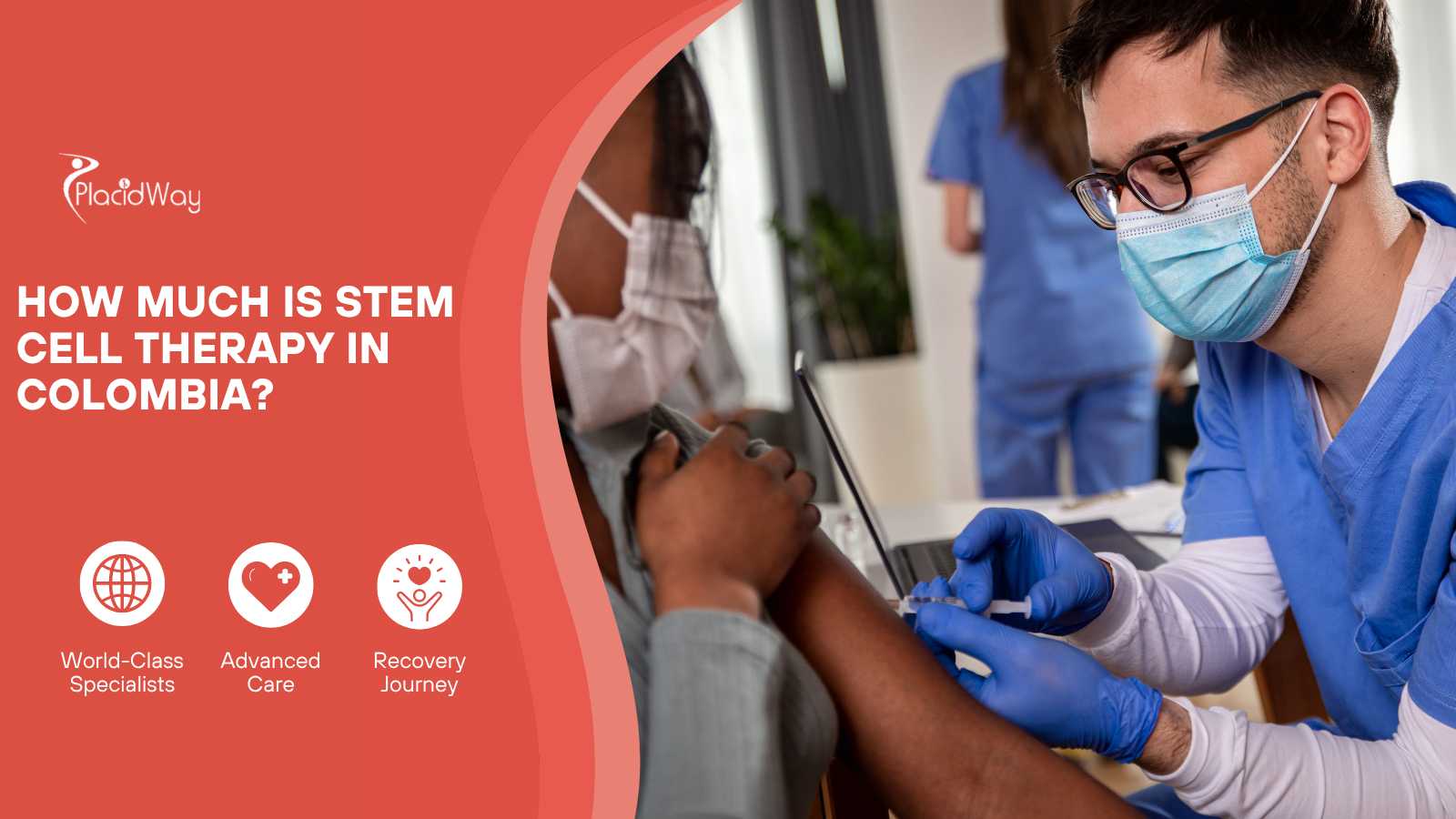
Patients seeking alternative solutions for chronic pain, autoimmune conditions, and wellness optimization are increasingly exploring global healthcare options. Regenerative medicine aims to target cellular inflammation and support natural tissue repair processes. By looking toward South America, individuals can access specific biological therapies while managing the financial impact of out-of-pocket medical expenses, as costs in this region are often substantially lower than in North America.
Key Takeaways
- The financial investment for stem cell therapy in Colombia represents a potential 50-70% reduction compared to equivalent experimental protocols in the United States.
- Regenerative protocols commonly address orthopedic joint wear, autoimmune modulation, and general anti-aging wellness.
- Treatments often utilize concentrated mesenchymal stem cells sourced from thoroughly screened, donated umbilical cord tissue.
- Reputable facilities operate under the regulatory oversight of INVIMA, the Colombian national health authority.
- While therapeutic potential exists, these therapies remain classified as experimental globally, and individual clinical results will vary.
What is Included in the Stem Cell Therapy Cost in Colombia?
A standard package typically covers pre-treatment medical consultations, the meticulous laboratory preparation of the cellular product, the administration procedure by medical specialists, and immediate post-procedure clinical monitoring.
When evaluating a proposed treatment plan, it is essential to understand the detailed breakdown of medical fees. The majority of the cost is dedicated to the complex laboratory processes required to expand, purify, and test the biological materials. Ensuring strict sterility and maintaining high cellular viability before they are introduced to the patient requires significant laboratory resources and oversight.
Many comprehensive programs also integrate supportive functional medicine therapies designed to prepare the body for cellular regeneration. Patients may receive intravenous nutritional drips to lower baseline systemic inflammation, specialized exosome therapy to enhance intercellular signaling, or localized physical therapy sessions to complement orthopedic injections.
It is important to note that logistical expenses are almost never included in the base medical quote provided by a stem cell therapy clinic in Colombia. Patients must budget separately for their international flights to cities like Bogotá or Medellín, specialized medical travel insurance, local hotel accommodations, and any follow-up blood work required upon returning to their home country.
How Does the Stem Cell Therapy Cost in Colombia Compare Globally?
Patients traveling for regenerative care often experience a financial reduction of fifty to seventy percent compared to similar comprehensive therapies in the United States, where costs can frequently exceed twenty-five thousand dollars for expanded cellular protocols.
The fundamental reason for this notable price disparity is related to systemic economic differences rather than a lack of medical quality. Favorable currency exchange rates between the US Dollar and the Colombian Peso, lower overhead costs for facility operations, and different healthcare infrastructure models allow international providers to offer competitive pricing without compromising the biological integrity of the treatment.
Furthermore, specific regulatory environments in South America often permit the safe laboratory expansion of donor cells. In jurisdictions with restrictive expansion laws, clinics are sometimes forced to use complex autologous extraction methods or highly specialized proprietary techniques that drastically inflate the end cost to the consumer.
| Location | Estimated Cost Range (USD) | Primary Regulatory Body |
|---|---|---|
| Colombia | $4,000 – $9,000 | INVIMA |
| United States | $15,000 – $30,000+ | FDA (Strict Trial Limits) |
| Mexico | $5,000 – $12,000 | COFEPRIS |
| Panama | $12,000 – $22,000 | Ministry of Health |
Which Conditions Can Benefit from Stem Cell Therapy in Colombia?
Regenerative protocols are primarily targeted at conditions characterized by chronic inflammation, cellular degradation, or joint tissue wear, though individual suitability requires extensive prior medical evaluation.
A large segment of patients seeking this therapy suffer from orthopedic issues, particularly osteoarthritis of the knees, hips, or shoulders. In these instances, the therapy is injected directly into the joint space, where it aims to reduce localized inflammation, improve lubrication, and potentially stimulate the repair of damaged cartilage over time.
Systemic applications, typically administered via intravenous infusion, are often explored for autoimmune conditions like rheumatoid arthritis, multiple sclerosis, or lupus. The goal here is utilizing the immunomodulatory properties of mesenchymal stem cells to calm the overactive immune responses that are attacking the body's own healthy tissues.
Additionally, many international clinics offer protocols focused on anti-aging and overall vitality. These wellness treatments seek to combat "inflammaging" the chronic, low-grade inflammation associated with biological aging potentially leading to improved energy levels, better sleep patterns, and enhanced systemic cellular function.
Did You Know?
Mesenchymal stem cells do not typically turn into new bone or cartilage tissue directly. Instead, they act more like cellular managers, secreting powerful exosomes and growth factors that signal the body's own local cells to reduce inflammation and initiate natural tissue repair processes.
Why is Medical Tourism in Colombia Popular for Stem Cell Therapy?
Medical tourism in Colombia offers a unique combination of highly trained medical professionals, modern healthcare infrastructure in major urban centers, and a favorable climate for recovering patients.
Colombia has heavily invested in its healthcare infrastructure over the past two decades, with cities like Bogotá, Medellín, and Cali establishing themselves as regional hubs for advanced medical treatments. Many of the leading specialists operating in these urban centers have completed fellowships or supplementary training in the United States or Europe, bringing international standards of care back to their home country.
The legal framework established by the Colombian government allows licensed laboratories to cultivate and expand umbilical cord stem cells to highly therapeutic doses under strict safety guidelines. This specific capability is often restricted in other North American regions, making specialized foreign facilities highly attractive to those seeking targeted, high-dose regenerative medicine.
Beyond the medical appeal, the country offers a welcoming environment for international visitors. The relatively short flight times from major US hubs, combined with affordable luxury accommodations and a focus on patient hospitality within the private healthcare sector, contribute significantly to the country's growing reputation as a preferred medical destination.
What Types of Cells are Used at a Stem Cell Therapy Clinic in Colombia?
Providers predominantly utilize allogeneic mesenchymal stem cells derived from donated umbilical cord tissue, known as Wharton's Jelly, due to their youthful vitality and strong immunomodulatory capabilities.
Umbilical cord cells are heavily favored by modern clinics because they represent biological "day zero." Unlike cells harvested from an adult patient's own body, these donor cells have not been exposed to decades of environmental toxins, oxidative stress, or the natural aging process, making them highly robust and active when administered.
In specific cases, particularly for certain orthopedic conditions, a physician might discuss an autologous protocol utilizing cells derived from the patient's own bone marrow or adipose (fat) tissue. However, this approach requires an invasive surgical extraction procedure, and the harvested cells generally possess lower expansion potential compared to neonatal sources.
Advanced protocols may also incorporate the use of isolated exosomes. These microscopic vesicles carry the communicative RNA and proteins from stem cells directly to the target tissue, potentially amplifying the overall anti-inflammatory effect of the primary treatment without adding intact cellular matter.
How Do I Verify the Safety of a Stem Cell Therapy Clinic in Colombia?
Ensuring medical safety requires diligent verification of facility licenses, laboratory processing standards, and the specific professional credentials of the administering physicians before committing to any treatment plan.
Patients should always request to see current, valid permits from INVIMA, explicitly authorizing the facility to handle, process, and administer human cellular therapies. A reputable clinic will be completely transparent about their regulatory status and willing to share documentation regarding their compliance with local health laws.
It is crucial to confirm that the associated cellular processing laboratory complies with international Good Manufacturing Practice (GMP) guidelines. Before any infusion takes place, the provider must supply a batch-specific "Certificate of Analysis," which is a laboratory document proving the precise cell count, a high viability percentage, and negative test results for communicable diseases.
Finally, verify that the procedure will be overseen by a board-certified specialist relevant to your condition, such as an orthopedic surgeon for joint injections or an immunologist for systemic diseases. Avoid any facility that employs aggressive sales tactics, guarantees a complete cure, or promises the full restoration of severely damaged tissue.
Important Consideration
Any ethical medical provider will insist on a thorough review of your recent medical records, imaging, and blood tests before accepting you as a patient. Travel arrangements should never be finalized until the medical team determines you are a safe and viable candidate for the procedure.
What is the Recovery Timeline After Stem Cell Therapy in Colombia?
The immediate physical recovery from the administration procedure is usually swift, lasting only a few days, but the true biological cellular response unfolds gradually over several months upon returning home.
If the protocol involves targeted joint injections, patients typically experience mild localized discomfort, swelling, or stiffness that resolves within forty-eight to seventy-two hours. Intravenous systemic infusions generally require no specific physical downtime, though some patients report experiencing mild, flu-like fatigue as the body actively processes the cellular influx.
The regenerative process operates on a microscopic timeline. The introduced cells begin signaling local tissues to reduce chronic inflammation and initiate repair pathways. Patients are advised that noticeable subjective improvements in pain reduction, mobility, or stabilized disease progression may not become evident for three to six months post-procedure.
Consistent post-treatment monitoring is vital. Patients must collaborate closely with their primary care physician or specialist back home to track objective metrics, ensuring the therapy received abroad is interacting positively with their specific medical condition.
How Many Sessions of Stem Cell Therapy in Colombia Are Typically Required?
The number of necessary sessions depends entirely on the severity of the medical condition, the patient's biological age, and their unique physiological response to the initial cellular intervention.
Many patients begin their journey with a comprehensive, single-visit protocol designed to deliver a high, therapeutic dose of cells intended to address acute inflammation. Following this initial treatment, doctors rely on objective data and patient feedback gathered during a six-month follow-up window to assess the treatment's efficacy.
For chronic, progressive diseases or advanced joint degeneration, a single session is rarely sufficient for lifelong management. Physicians may recommend a staggered, long-term approach, advising smaller, targeted booster treatments every twelve to eighteen months to sustain the anti-inflammatory environment created by the initial therapy.
A highly customized approach is essential in regenerative medicine. There is no universally applicable schedule, and ethical international providers will adjust the long-term strategy based strictly on measurable clinical results rather than pushing unnecessary repeated procedures.
Are There Financing Options for the Stem Cell Therapy Cost in Colombia?
While traditional health insurance does not cover these international procedures, patients often utilize specialized medical loans, personal financing, or flexible payment plans offered directly by certain medical facilities.
Because regenerative therapies are currently classified globally as elective, out-of-pocket expenses, several third-party financial institutions have developed specialized credit lines designed explicitly for medical tourism. These financial services can sometimes disburse funds directly to international providers, simplifying the payment process for the patient.
Some established medical centers may offer in-house, short-term payment plans that allow patients to distribute the financial burden over several months leading up to the procedure. This option, when available, usually requires a significant initial deposit prior to finalizing the treatment dates.
Patients based in the United States should consult with a certified tax advisor regarding Health Savings Accounts (HSAs) or Flexible Spending Accounts (FSAs). While strict IRS rules apply, certain medically necessary travel expenses or diagnostic tests related to the therapy might occasionally qualify for reimbursement, though the experimental cell product itself rarely does.
Why Choose PlacidWay for Regenerative Medicine Options?
Finding trustworthy information on regenerative medicine requires a reliable resource. PlacidWay assists patients in evaluating international facilities for their specific medical needs worldwide.
Verified Provider Network
We list international facilities that demonstrate compliance with their respective local regulatory standards and employ credentialed medical specialists.
Transparent Pricing Estimates
Access clear estimations regarding treatment protocols across different countries, helping you understand financial requirements before making decisions.
Comprehensive Resources
Utilize our educational content and clinic profiles to gain a deeper understanding of therapeutic options and international medical reputations.
Personalized Assistance
Our platform helps facilitate communication between you and international clinic coordinators, allowing you to ask specific medical questions.
Global Perspective
Compare treatment protocols, medical specialties, and pricing across different global regions to find the approach that aligns best with your needs.
Frequently Asked Questions About Stem Cell Therapy in Colombia
Is stem cell therapy in Colombia legal and regulated?
Yes, regenerative medicine is regulated in Colombia by INVIMA (Instituto Nacional de Vigilancia de Medicamentos y Alimentos), the national health authority. Facilities must adhere to specific national guidelines regarding the safe handling, processing, and administration of human cellular tissues to operate legally.
Does US health insurance cover stem cell therapy in Colombia?
Standard health insurance policies in the United States do not cover the cost of regenerative treatments abroad. These procedures are currently categorized as experimental and elective by most major insurance providers, requiring patients to pay entirely out of pocket.
Are umbilical cord stem cells used safely in Colombia?
When processed in a certified and regulated laboratory environment, mesenchymal stem cells sourced from umbilical cords are considered to have a strong safety profile. Because they are immunoprivileged, they present a very low risk of triggering a negative immune response in the recipient.
How long do the effects of stem cell therapy in Colombia last?
The duration of potential benefits varies significantly based on the underlying condition, the patient's biological age, and individual lifestyle factors. Some individuals may experience stabilized symptoms or reduced inflammation for twelve to twenty-four months, while others may require earlier maintenance sessions.
What is the difference between autologous and allogeneic stem cells in Colombia?
Autologous stem cells are extracted from your own body, typically from adipose (fat) tissue or bone marrow, meaning there is zero risk of rejection. Allogeneic stem cells are ethically sourced from healthy donors, most commonly from umbilical cord tissue, offering highly potent cells without requiring a prior extraction procedure from the patient.
Can stem cell therapy in Colombia cure chronic autoimmune diseases?
No current medical treatment worldwide, including regenerative therapy, can completely cure chronic autoimmune diseases. These protocols aim to manage systemic inflammation, potentially modulate the immune system, and slow disease progression, but they are not a definitive cure.
What biological markers determine eligibility for stem cell therapy in Colombia?
Patient eligibility is determined through comprehensive blood panels, assessing systemic inflammation levels, and evaluating current medical records. Patients with active severe infections, active cancers, or advanced uncontrolled pathologies may not be deemed suitable candidates for treatment.
Is there significant downtime after receiving stem cell therapy in Colombia?
Recovery from an intravenous (IV) stem cell infusion is typically minimal, allowing patients to resume light daily activities shortly after. Localized joint injections may require resting the affected area for a few days, and some patients report mild, temporary fatigue as the body processes the cellular influx.
Do doctors performing stem cell therapy in Colombia speak English?
Many medical professionals who cater to international patients in major Colombian cities like Bogotá and Medellín are bilingual and speak excellent English. Furthermore, established international clinics often provide dedicated patient coordinators and translators to ensure clear medical communication.
What post-treatment care is recommended after stem cell therapy in Colombia?
Aftercare typically involves resting, avoiding strenuous physical activity or intense workouts for a specified period, adhering to an anti-inflammatory nutritional regimen, and scheduling regular follow-up consultations with a local physician upon returning home to monitor your progress.
Explore Regenerative Medicine Options Today
Compare treatment protocols, review pricing estimates, and connect with medical specialists to discuss your health goals and potential eligibility.
Request Treatment InformationDisclaimer: The information provided is for educational purposes only and does not constitute medical advice. Prices are estimates and vary significantly based on individual medical needs, clinical assessments, and facility protocols. Always consult a qualified healthcare provider.
References
- Important Patient and Consumer Information About Regenerative Medicine Therapies – U.S. Food and Drug Administration
- Mesenchymal Stem Cells: Clinical Applications and Biological Characterization – National Center for Biotechnology Information
- Patient Advisory and Cell Therapy Information – International Society for Cell & Gene Therapy (ISCT)
- Health and Safety Guidelines for Medical Tourism – Centers for Disease Control and Prevention (CDC)




















Share this listing