
Guide to BBL Prices in South Korea
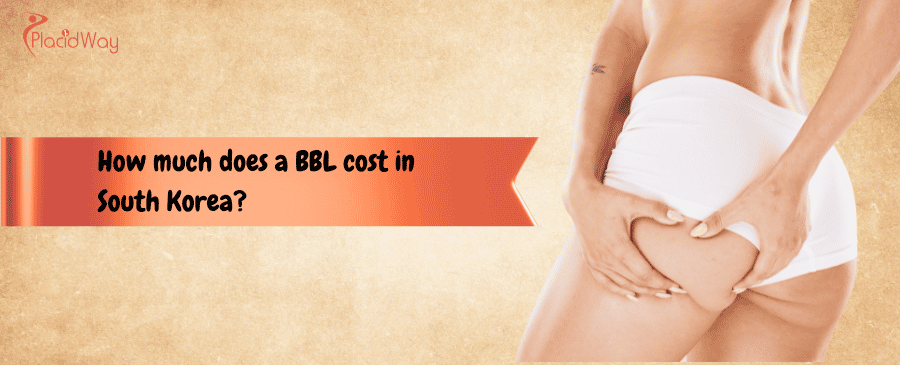
If you are exploring options for body contouring, understanding the typical BBL cost in South Korea is often the first step in your research. A Brazilian Butt Lift (BBL), clinically known as gluteal fat grafting, is a procedure that removes excess fat from areas like the abdomen, flanks, or thighs through liposuction, purifies it, and strategically transfers it to the buttocks to enhance shape and volume.
South Korea has built a strong global reputation for advanced cosmetic surgery. Every year, thousands of patients plan medical tourism in South Korea to access experienced surgeons and modern clinical infrastructure. However, undergoing surgery abroad requires serious consideration. You need a clear understanding of the estimated costs, the surgical process, the necessary recovery timeline, and the very real safety risks involved with fat transfer procedures.
Key Takeaways
- The estimated price for a BBL in South Korea typically falls between $5,000 and $9,000.
- The procedure combines liposuction with localized fat transfer to enhance gluteal volume.
- Safety is paramount; seeking a board-certified surgeon who uses ultrasound-guided techniques reduces severe risks.
- Post-operative recovery is strict, requiring patients to avoid sitting directly on their buttocks for several weeks.
- International patients must factor in extended hotel stays, as flying too soon after surgery poses significant health risks.
What factors influence the BBL cost in South Korea?
No two bodies are exactly alike, which means every procedure is customized. The total amount you pay will depend heavily on how many areas of the body require liposuction to harvest enough viable fat. Extracting fat from a single area, such as the lower abdomen, takes less surgical time than doing a full 360-degree torso liposuction.
Additionally, the technology used can alter the price. Advanced liposuction methods, such as VASER (ultrasound-assisted) or laser-assisted liposuction, often carry a higher price tag than traditional tumescent liposuction due to the cost of the equipment. Finally, a highly sought-after surgeon working in a premium district like Gangnam in Seoul will typically charge more than a lesser-known doctor.
What is included in a typical BBL package?
When reviewing quotes from a BBL clinic in South Korea, you need to ask for an itemized list to understand exactly what you are paying for. Comprehensive packages aimed at international patients often include pre-operative medical tests (like blood work and an ECG), English translation services during your appointments, and airport transfers.
However, you should not assume that everything is covered. Medications for pain and antibiotics to take back to your hotel are sometimes billed separately at the local pharmacy. Furthermore, costs related to your travel, such as flights, hotel accommodations for the duration of your recovery, and daily meals, are almost never included in the clinical quote and must be budgeted separately.
How does the price in South Korea compare to the US or UK?
The lower cost of medical care in South Korea is not a reflection of lower quality; rather, it is driven by a highly competitive local market, lower administrative overhead, and different malpractice insurance structures. Many international patients find that even after factoring in a round-trip flight and a two-week hotel stay, the total expenditure remains lower than having the procedure done domestically.
Despite the financial benefits, comparing prices should never be the only factor in your decision. Traveling abroad for surgery introduces logistical complexities. You will be recovering in a foreign environment, far from your usual support system, which requires careful planning and a comfortable budget for unexpected expenses.
Who is considered an ideal candidate for a BBL?
A BBL is not a weight-loss procedure. In fact, patients should be at or near their ideal body weight before undergoing surgery. To achieve a noticeable enhancement, a surgeon needs a sufficient amount of high-quality fat. Very slender individuals with low body fat percentages may not have enough donor fat and might be advised to look into alternatives like gluteal implants.
Good general health is also mandatory. Conditions such as uncontrolled diabetes, heart disease, or blood clotting disorders can disqualify a patient due to the risks associated with general anesthesia and surgery. Smoking severely constricts blood vessels, which can cause the newly transferred fat cells to die (necrosis), so patients are strictly advised to stop smoking weeks before and after the procedure.
What are the main risks associated with gluteal fat grafting?
It is vital to approach a BBL with a clear understanding of patient safety. A fat embolism occurs if fat is mistakenly injected deep into or beneath the gluteal muscles, where large blood vessels reside. If fat enters the bloodstream, it can travel to the lungs or heart, which can be fatal. Because of this, leading medical societies now strongly mandate that surgeons inject fat only into the superficial subcutaneous layer, well above the muscle.
Many top clinics now utilize real-time ultrasound during the injection phase to visually ensure the cannula remains in the safe zone. Other non-life-threatening but distressing complications include fat necrosis (where the transferred fat forms hard, painful lumps), infections at the incision sites, or uneven results due to unpredictable fat survival rates.
How long is the recovery period after a BBL?
Recovery from a Brazilian Butt Lift is notoriously demanding. To ensure the newly transferred fat survives and establishes a blood supply, you must avoid applying direct pressure to the area. This means sleeping on your stomach or sides and using a specialized BBL pillow under your thighs when sitting is absolutely unavoidable.
You will also be required to wear a compressive faja (a tight medical garment) around the clock to help the liposuction areas retract smoothly and reduce fluid buildup. Most patients take at least two weeks off work. Strenuous exercise, heavy lifting, and intense physical activity are typically restricted for six to eight weeks.
Why do patients travel to South Korea for body contouring?
The appeal of medical tourism in South Korea extends beyond just cost savings. The country's medical facilities are often equipped with the latest technology, from 3D imaging for pre-operative planning to advanced patient monitoring systems. Healthcare standards are tightly regulated by government bodies, ensuring a baseline of clinical hygiene and patient safety.
Furthermore, South Korean surgeons perform a high volume of aesthetic procedures, giving them extensive hands-on experience. Clinics catering to international patients usually provide dedicated concierges, translation support, and detailed discharge instructions in English to ensure a smooth patient experience from consultation to post-op care.
What should I look for in a BBL clinic in South Korea?
Researching a BBL clinic in South Korea requires diligence. You should verify the credentials of the specific surgeon who will operate on you, ensuring they have formal training and certification in plastic and reconstructive surgery. Avoid clinics that refuse to disclose the operating doctor's name or use aggressive sales tactics to secure a deposit.
During your virtual consultation, ask direct questions about their safety measures. Inquire about their protocol for preventing fat embolisms and how they handle medical emergencies. A trustworthy clinic will be transparent about the risks, provide realistic expectations for your specific body type, and refuse to perform the surgery if they deem you an unsuitable candidate.
How long do the results of a fat transfer usually last?
It is important to understand that not all the fat injected during a BBL will survive. Your body will naturally reabsorb roughly 30 to 50 percent of the transferred fat within the first few months. Surgeons account for this by slightly over-injecting the area. By the six-month mark, the remaining fat has established a blood supply and is considered permanent.
However, "permanent" does not mean immune to change. These living fat cells respond to your diet and exercise habits just like fat anywhere else on your body. Significant weight loss will cause the buttocks to shrink, potentially altering the contour you achieved. Maintaining a stable, healthy lifestyle is the best way to protect your surgical results.
Can I combine a BBL with other procedures?
Many patients consider bundling surgeries to save on travel costs and reduce overall downtime. While combining a BBL with breast or facial surgery is occasionally done, it requires thorough medical clearance. Extended surgical time increases the physical toll on your body and the risk of complications such as blood clots and severe post-operative fatigue.
Furthermore, recovering from multiple procedures can be highly uncomfortable. If you combine a tummy tuck or breast surgery with a BBL, you will face conflicting recovery positions—you cannot lie on your back due to the BBL, but lying on your stomach may be prohibited by abdominal or breast incisions. Always defer to your surgeon's advice on what can be safely combined in a single session.
Why Choose PlacidWay for Medical Tourism in South Korea?
Planning international healthcare requires access to reliable information and reputable facilities. PlacidWay serves as a comprehensive resource for patients seeking medical treatments abroad. Here is how PlacidWay can assist your journey:
- Extensive Healthcare Directory: Access profiles of numerous medical centers and specialized clinics globally.
- Educational Resources: Read detailed articles, patient guides, and procedure overviews to understand your treatment options.
- Direct Communication: PlacidWay facilitates initial contact between patients and international medical providers for consultations.
- Cost Transparency Tools: Compare estimated treatment prices across different regions to help plan your medical budget.
- Patient-Focused Platform: Navigate healthcare choices through an easy-to-use interface designed for international patients.
Frequently Asked Questions
1. Is a BBL painful?
Most patients experience moderate discomfort, soreness, and swelling rather than severe pain. The liposuction sites typically feel like deep muscle soreness, similar to an intense workout. Pain is usually well-managed with prescribed oral medications during the first week.
2. How soon can I fly home after a BBL in South Korea?
Surgeons typically recommend waiting at least 10 to 14 days before flying. Long flights increase the risk of deep vein thrombosis (DVT) and blood clots. When you do fly, you will need to take frequent walks in the cabin and use a specialized cushion.
3. Will I have visible scars after a Brazilian Butt Lift?
The incisions made for the liposuction cannula are very small, usually less than a quarter of an inch. While they do result in permanent scars, experienced surgeons place them in natural body creases where they are easily hidden by underwear or swimwear.
4. What happens if I lose weight after a BBL?
The fat cells transferred to your buttocks behave like normal fat cells. If you lose significant weight, the fat cells in the treated area will shrink, potentially reducing the volume and altering your results. Maintaining a stable weight is highly recommended.
5. Are there alternatives to a surgical BBL?
Yes, non-surgical alternatives include dermal fillers (such as Sculptra) injected into the buttocks to stimulate collagen production. Gluteal implants are another surgical alternative for patients who do not have enough body fat for a transfer.
6. Can I sit down at all during BBL recovery?
Direct sitting on the buttocks should be avoided for at least two to four weeks. When sitting is absolutely necessary, you must use a specialized BBL pillow that places your weight on the back of your thighs, keeping pressure off the newly transferred fat.
7. Does the fat transfer feel natural?
Yes, because the procedure uses your own natural body fat, the buttocks will feel completely natural to the touch once fully healed. It does not feel firm or rigid like some synthetic implants might.
8. What is an ultrasound-guided BBL?
An ultrasound-guided BBL uses real-time ultrasound imaging during the fat injection phase. This allows the surgeon to see exactly where the cannula is placed, ensuring fat is injected safely above the muscle to drastically reduce the risk of a fat embolism.
9. How much fat is typically needed for a BBL?
Surgeons typically require extracting at least 1,000 cc of fat (about one liter) to achieve a noticeable difference, as not all extracted fat is viable for transfer, and only a portion of the transferred fat survives the healing process.
10. Will my consultation happen before I travel to South Korea?
Yes, reputable clinics usually conduct a preliminary virtual consultation. You will provide photos and medical history for an initial assessment. However, a comprehensive, in-person physical evaluation is always required once you arrive before any surgery takes place.
Ready to Explore Your Options?
Request detailed treatment information and compare clinical options to make an informed decision about your healthcare journey.
Request Treatment InformationReferences
- Safety Warning on Gluteal Fat Grafting – American Society of Plastic Surgeons (ASPS)
- Brazilian Butt Lift Procedure Information – International Society of Aesthetic Plastic Surgery (ISAPS)
- Medical Tourism Guidelines – Centers for Disease Control and Prevention (CDC)
- Ultrasound-Guided Gluteal Fat Grafting – Aesthetic Surgery Journal
- Complications of Gluteal Fat Transfer – PubMed
- Fat Transfer Advice – British Association of Aesthetic Plastic Surgeons (BAAPS)
- Gluteal Fat Grafting and Fat Embolism Risk – Plastic and Reconstructive Surgery Journal

























Share this listing