
Is Stem Cell Therapy for Joints Cheaper in Mexico?
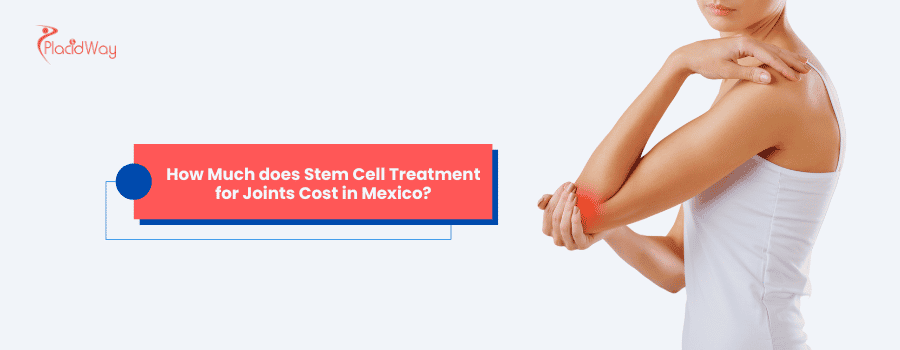
For individuals suffering from chronic joint pain, osteoarthritis, or sports injuries, regenerative medicine has become a topic of significant interest. Because many of these procedures remain investigational and are largely uncovered by standard insurance plans, patients frequently look across borders for care. Seeking stem cell treatment for joints in Mexico is a path many choose in order to manage symptoms while keeping out-of-pocket expenses manageable.
Key Takeaways
- Estimated procedure costs range from $3,500 to $8,000 per joint, varying by specific clinical requirements.
- These therapies are generally considered investigational and are not guaranteed to cure joint disease.
- Eligibility depends heavily on your medical history, age, and the severity of your joint degradation.
- Traveling abroad requires careful planning, including coordinating with your local doctor for post-treatment care.
- Properly evaluating laboratory standards and regulatory compliance in your destination country is essential for safety.
What factors influence the final price of this joint treatment?
Not all regenerative treatments are priced equally. The most significant cost driver is typically the laboratory processing required to prepare the injection. If a facility uses your own tissues (such as bone marrow or fat), the medical team must perform a minor extraction procedure first, which adds to the clinical time and required resources. Conversely, using donor-sourced umbilical cord tissue bypasses the extraction but involves specialized purchasing and screening costs.
Furthermore, many facilities incorporate laboratory expansion. Cell expansion involves growing the cells in a lab over several weeks to increase their number before injection. Because this process requires highly controlled clean-room environments and specialized biologists, it naturally raises the estimated price.
Finally, the geographic location of the facility matters. Clinics situated in popular border towns like Tijuana or resort destinations like Cancun may have slightly different pricing structures based on local overhead costs and regional demand compared to facilities in the country's interior.
How much do US prices compare to treatment in Mexico?
The stark difference in estimates is one of the primary reasons patients look across the border. In the US and Canada, healthcare administrative costs, malpractice insurance premiums, and general overhead are notably higher. These systemic expenses are passed down directly to the patient, especially for elective or investigational therapies that insurance will not cover.
| Location | Estimated Cost (Per Joint) |
|---|---|
| United States | $7,000 - $15,000+ |
| Canada | $6,000 - $12,000+ |
| Mexico | $3,500 - $8,000 |
While the medical fees are lower, you must account for travel logistics. Flights, hotel accommodations, passports, ground transportation, and travel meals will add to your total financial commitment.
What types of stem cells are commonly used for joint issues?
In the field of orthopedics, mesenchymal stem cells are favored because they have the potential to differentiate into bone, cartilage, and fat cells, and they play a role in modulating inflammation. There are two primary categories of these cells: autologous and allogeneic.
- Autologous (Your Own): Often drawn from the pelvic bone (Bone Marrow Aspirate Concentrate) or from abdominal fat (Stromal Vascular Fraction). Because they come from your own body, the risk of immune rejection is practically zero. However, the vitality of these cells may decrease as you age.
- Allogeneic (Donor Sourced): Frequently obtained from donated umbilical cord tissue (Wharton's Jelly) after healthy, full-term cesarean births. These cells are young, robust, and heavily screened for infectious diseases. They do not require you to undergo an extraction procedure.
The regulatory environment in Mexico allows laboratories to culture and multiply these cells before administration, a process heavily restricted in many other countries.
Am I a suitable candidate for stem cell joint therapy?
Suitability is highly individualized and must be determined by a qualified healthcare professional. Generally, this therapy is explored by patients who want to delay joint replacement surgery or those looking for alternatives to chronic steroid injections.
You might not be a candidate if you have "bone-on-bone" arthritis, where the cartilage has completely worn away. In such advanced stages, biological therapies rarely provide meaningful structural improvement, and surgical replacement is often the most appropriate step. Furthermore, individuals with a history of certain cancers, active systemic infections, or severe blood disorders are generally contraindicated for regenerative therapies.
It is vital to consult your home orthopedist and provide recent MRI scans to any overseas provider before booking travel.
What happens during a typical joint injection procedure?
If you are using your own cells, the day begins with the extraction. A physician applies local anesthesia and extracts a small amount of bone marrow or fat tissue. This sample is then rushed to the laboratory where it is processed in a centrifuge to isolate the targeted cells. If you are using donor cells, this extraction step is skipped.
Once the biological material is prepared, the actual injection takes place. To ensure precise delivery into the damaged joint capsule rather than the surrounding muscle, specialists typically use ultrasound or fluoroscopic (X-ray) guidance.
The injection itself takes only a few minutes. Afterward, you will remain under observation for a short period to ensure there are no immediate adverse reactions before you are discharged to return to your hotel.
Expert Insight
Image guidance (like ultrasound) is considered standard practice for intra-articular joint injections. Proper placement is essential; blindly injecting biological material severely limits its potential effectiveness.
Is getting this treatment in Mexico safe for international patients?
Medical facilities and laboratories in the country are overseen by COFEPRIS (the Federal Commission for the Protection against Sanitary Risk), which serves a role similar to the FDA in the United States. Lawful clinics must maintain valid licenses for handling human tissue and administering cellular therapies.
However, enforcement can vary, and patient safety depends largely on the specific facility chosen. The most significant risks associated with intra-articular injections include joint infection (septic arthritis), bleeding, nerve damage, and unexpected immune reactions.
You can help mitigate risks by verifying that the facility utilizes standardized sterile techniques, requires comprehensive pre-treatment bloodwork, and transparently shares their cell viability testing methods.
How long does recovery take after joint stem cell injections?
Immediately following the injection, it is common to experience increased stiffness, mild swelling, and localized pain for 48 to 72 hours. This is a normal inflammatory response as the biological material settles into the joint. Physicians often advise against using anti-inflammatory medications (like ibuprofen) during this early phase, as they might interfere with the intended biological processes.
Over the next few weeks, patients generally transition into physical therapy. A structured rehabilitation program is frequently cited by specialists as a critical component to support the joint structures and optimize mobility.
Because cellular modulation is a slow biological process, evaluating the final outcome of the procedure often requires patience, with peak evaluations commonly taking place three to six months post-injection.
Can I expect long-term pain relief and joint regeneration?
It is essential to maintain realistic expectations. Despite the promising nature of regenerative medicine, scientific consensus has not definitively proven that these injections predictably regrow lost cartilage in human joints.
Instead, researchers believe that the primary benefit of MSCs lies in their paracrine effect. This means the injected cells release powerful signaling molecules, cytokines, and growth factors that help alter the inflammatory environment inside the joint. This modulation can potentially lead to long-lasting pain reduction and improved function for some patients, even without visible cartilage thickening on an MRI.
Because results vary, you should be wary of any facility promising a 100% success rate or a permanent cure for arthritis.
What should I look for in a clinic?
Identifying a responsible provider is one of the most crucial steps in your journey. Because the field of regenerative medicine is expanding rapidly, standards can vary widely between establishments.
- Medical Credentials: Ensure the injections are administered by a licensed orthopedic surgeon or sports medicine specialist, not just a general practitioner or a non-medical business owner.
- Laboratory Transparency: Ask if they process cells in-house or use a third party. They should be able to explain their sterilization protocols and cell counting methods.
- Patient Screening: A responsible provider will request your medical records and imaging before accepting you as a patient, recognizing that not everyone is a suitable candidate.
- Clear Communication: Look for teams that provide a balanced view of benefits and risks, allowing you time to make an informed decision without aggressive sales pressure.
How does medical tourism work for joint therapies?
Traveling internationally for healthcare requires preparation beyond booking a flight and a hotel. You must ensure you have a valid passport and understand the entry requirements. Depending on the location of the facility, you might fly directly to cities like Guadalajara or Monterrey, or you might fly into a US border city like San Diego or El Paso and cross by land.
It is highly recommended to travel with a companion. After a joint injection, your mobility may be temporarily limited, and navigating airports or carrying luggage can be challenging.
Additionally, before you leave home, consult your primary care doctor about your travel plans. Having a local physician aware of your procedure ensures you have a point of contact if complications arise after you return home.
Why Choose PlacidWay for Medical Tourism in Mexico?
Organizing healthcare abroad can feel overwhelming. PlacidWay is an educational medical tourism platform designed to help patients gather information and explore their options internationally.
- Educational Resources: Access comprehensive guides and information about regenerative therapies globally.
- Provider Connections: Facilitates direct communication between patients and a network of international healthcare centers.
- Cost Comparisons: Helps patients receive and compare estimated price quotes from various facilities.
- Global Network: Offers access to information on medical centers across multiple destinations.
- Information Gathering: Streamlines the process of requesting provider credentials, facility details, and treatment protocols.
Frequently Asked Questions
Does insurance cover stem cell therapy for joints in Mexico?
Most major health insurance providers in the United States and Canada do not cover stem cell therapies for joint pain, as these treatments are largely considered investigational. Patients traveling to Mexico for care typically pay out-of-pocket.
Are mesenchymal stem cells (MSCs) legal in Mexico?
Yes, treatments utilizing mesenchymal stem cells are permitted in Mexico when performed by licensed medical professionals at facilities registered with COFEPRIS, the national health regulatory agency.
How many injections will I need for my knee or hip?
The number of injections varies by patient. Some individuals receive a single injection per joint, while others may require a planned series of treatments over several months based on their doctor's assessment.
What is the difference between bone marrow and umbilical cord stem cells?
Bone marrow cells are autologous, meaning they are harvested from your own body, which requires an extraction procedure. Umbilical cord cells are allogeneic, sourced from healthy, screened donors, and do not require the patient to undergo a harvesting procedure.
Are there risks of tumor formation with these injections?
While adult mesenchymal stem cells have a low risk of tumor formation compared to embryonic stem cells, any cellular therapy carries some inherent risks. Proper screening and strict laboratory protocols help mitigate these risks.
Can I fly home the same day as my joint injection?
Physicians generally advise staying in the destination city for at least one to two days after the injection to monitor for any immediate adverse reactions or joint swelling before traveling.
Will I need physical therapy after the procedure?
Yes, a customized physical therapy program is often recommended to strengthen the muscles supporting the joint, improve range of motion, and optimize the potential benefits of the injection.
How do I handle follow-up care once back in my home country?
You should arrange follow-up care with your local orthopedic doctor or primary care physician before you travel. You will need a professional at home who can monitor your progress and manage any potential complications.
Can stem cell therapy completely replace the need for joint surgery?
Stem cell therapy cannot replace surgery for everyone. Patients with severe bone-on-bone arthritis or complete tissue tears typically still require surgical intervention, such as a total joint replacement.
Do clinics in Mexico require my recent MRI or X-ray scans?
Yes, reputable providers will require recent diagnostic imaging, such as an MRI or X-rays, alongside your medical history to accurately assess your joint condition and determine if you are a suitable candidate.
Compare Treatment Options
Gather the information you need to make an informed decision about your joint care. Connect with international facilities and review detailed cost estimates today.
Request Treatment InformationReferences
- FDA Warns About Stem Cell Therapies – U.S. Food and Drug Administration
- Stem Cells: What They Are and What They Do – Mayo Clinic
- Stem Cell Therapy for Arthritis – Arthritis Foundation
- Patient Handbook on Stem Cell Therapies – International Society for Stem Cell Research (ISSCR)
- Mesenchymal Stem Cells for Joint Repair – National Institutes of Health (NIH)
- Medical Tourism Guidelines – Centers for Disease Control and Prevention (CDC)

























Share this listing