


Is Istanbul a good city for medical tourism
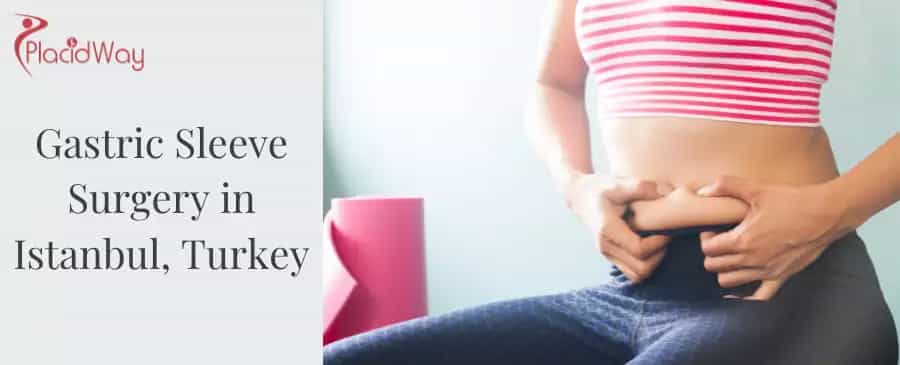
Navigating weight loss treatments requires careful consideration, especially when evaluating international options. If you are exploring gastric sleeve surgery in Istanbul, understanding the medical requirements, facility standards, and recovery processes is crucial. Many patients look abroad to access specialized care, reduce wait times, or manage healthcare expenses. This guide explores the essential factors of undergoing a sleeve gastrectomy in Turkey, from pre-operative testing to long-term dietary changes.
Key Takeaways
- Gastric sleeve surgery removes approximately 80% of the stomach and is a permanent, non-reversible procedure.
- A thorough medical and psychological evaluation is required to confirm patient eligibility.
- Estimated costs in Turkey are often lower, but packages vary based on facility and patient needs.
- International patients should plan for an extended stay of 7 to 10 days for initial recovery and follow-up.
- Lifelong commitment to dietary changes and vitamin supplementation is mandatory for patient safety and successful outcomes.
What exactly does gastric sleeve surgery involve?
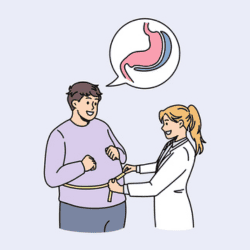
During the operation, surgeons typically use laparoscopic techniques, making several small incisions in the abdomen to insert instruments and a camera. The surgeon divides the stomach vertically, removes the larger curved part, and seals the remaining sleeve with surgical staples. Because the procedure removes the portion of the stomach that produces ghrelin—the hormone responsible for stimulating appetite—patients often experience a significant reduction in hunger after surgery.
This is a major structural change to your digestive system. Unlike an adjustable gastric band, a sleeve gastrectomy cannot be reversed. The remaining stomach holds considerably less food, requiring you to eat much smaller portions and chew thoroughly. While the surgery facilitates weight loss by limiting capacity, the long-term success depends entirely on adopting and maintaining healthier eating habits.
Why do so many patients choose Istanbul for bariatric surgery?
The healthcare system in Turkey has heavily invested in technology and training to attract patients from around the globe. Many hospitals strictly adhere to international healthcare standards and maintain specialized bariatric departments. These departments usually include surgeons, dietitians, cardiologists, and patient coordinators who work together to manage a patient's care from arrival to departure.
Additionally, participating in medical tourism in Istanbul offers logistical benefits. Many clinics provide comprehensive services that organize airport transfers, local accommodation, and dedicated hospital translations. This integrated approach allows patients to focus on their medical preparation and recovery rather than navigating a foreign healthcare system alone. However, traveling for surgery requires careful planning, as long-distance travel right after major surgery requires medical clearance.
Am I a suitable candidate for a gastric sleeve?
Generally, medical guidelines suggest that candidates for bariatric surgery meet specific criteria. You may be evaluated for surgery if you have:
- A BMI of 40 or higher (severe obesity).
- A BMI between 35 and 39.9, combined with a serious weight-related health problem, such as type 2 diabetes, severe sleep apnea, or high blood pressure.
- A documented history of unsuccessful attempts to lose weight through medically supervised diet and exercise programs.
Beyond physical measurements, candidates must be psychologically prepared for the intense lifestyle changes required post-surgery. Surgery is a tool, not an independent cure. If you struggle with binge eating disorders, severe untreated depression, or substance abuse, your medical team may require these conditions to be managed before clearing you for the operating room. An honest discussion with your local doctor is an essential first step.
How much does gastric sleeve surgery cost in Istanbul?
Financial considerations are a major factor for patients lacking bariatric insurance coverage in their home countries. In the United States or the United Kingdom, private bariatric surgery can cost between $15,000 and $25,000. In comparison, clinics in Turkey can offer lower estimates due to a lower cost of living and different national economic structures, rather than a reduction in surgical materials.
When comparing prices, you must carefully review what a quoted estimate includes. A comprehensive surgical package should clearly detail hospital fees, surgeon fees, anesthesia, necessary pre-operative tests, immediate post-operative medications, and standard hospital stays. Always inquire about hidden costs, such as extra charges for extended hospital stays if complications arise, and budget appropriately for your flights and post-surgical vitamins.
What should I look for in a gastric sleeve surgery clinic in Istanbul?
Choosing the right facility is a critical safety decision. Look for hospitals that have international accreditations, such as from the Joint Commission International (JCI), which indicates adherence to rigorous patient safety and facility management standards. Do not rely solely on social media marketing; instead, request information regarding the surgeon’s specific education, board certifications, and frequency of performing bariatric procedures.
A quality clinic will not rush you into the operating room. They will insist on extensive pre-operative testing upon your arrival to confirm your fitness for surgery. Furthermore, specialized facilities will provide access to registered dietitians and psychologists to guide your recovery. Ensure the clinic has an Intensive Care Unit (ICU) on-site, which is an essential safety requirement in the rare event of severe surgical complications.
What are the potential risks and complications of this procedure?
While often performed laparoscopically, this remains major abdominal surgery. Immediate risks during or shortly after the operation include blood clots in the legs or lungs, internal bleeding, and staple line leaks. A staple line leak occurs when the sealed edge of the stomach fails to close properly, allowing stomach contents to leak into the abdominal cavity. This is a severe, potentially life-threatening complication that requires immediate emergency medical intervention.
Long-term complications can also arise and require ongoing medical management. Because your food intake is severely restricted, you are at a high risk for developing vitamin and mineral deficiencies, particularly involving iron, calcium, and vitamin B12. Some patients develop new or worsened gastroesophageal reflux disease (GERD) following a sleeve gastrectomy. Regular blood tests and lifelong nutritional supplementation are necessary to mitigate these ongoing health risks.
How long do I need to stay in Istanbul for recovery?
The immediate recovery phase must be closely monitored. Following surgery, you will typically spend two to three nights in the hospital. During this time, nurses will manage your pain, ensure you can tolerate clear liquids, and encourage short walks to promote circulation and prevent blood clots. Before discharging you to your hotel, the surgical team often performs a leak test using a specialized dye and imaging equipment.
Once resting at a local hotel, you will need to attend at least one final follow-up consultation before traveling. Flying too soon after abdominal surgery poses significant health risks, primarily deep vein thrombosis (DVT). The changes in cabin pressure and prolonged sitting can be dangerous. Following your surgeon’s travel timeline is non-negotiable for your safety.
| Recovery Phase | Typical Location | Focus |
|---|---|---|
| Days 1-3 | Hospital | Pain management, leak tests, tolerating sips of water. |
| Days 4-7 | Local Hotel | Rest, gentle walking, clear liquid diet, monitoring incisions. |
| Days 7-10 | Clinic / Airport | Final medical clearance, safe flight home. |
What kind of pre-operative testing is required?
When you arrive at the hospital, you will spend your first day undergoing rigorous testing. These diagnostics are designed to uncover any hidden health issues that could complicate general anesthesia or the surgery itself. Blood tests will check your liver function, kidney function, and blood clotting times. A cardiologist and a pulmonologist will review your ECG and chest X-rays to confirm your heart and lungs can handle the stress of the procedure.
Additionally, an endoscopy—where a camera is passed down the throat into the stomach—is frequently performed to check for existing ulcers, severe inflammation, or hiatal hernias. If severe medical issues are discovered during these tests, responsible surgeons will cancel or postpone the procedure. Your safety must always take precedence over your travel itinerary.
How will my diet and lifestyle change after returning home?
The initial weeks at home involve a careful dietary progression designed to let your healing stomach rest. You will start on clear liquids, progress to full liquids (like protein shakes), move to pureed foods, and slowly introduce soft solid foods over several weeks. Attempting to eat normal solid foods too quickly can cause severe pain, vomiting, and damage to your surgical staple line.
Once you return to solid foods, your portions will be drastically smaller—often no more than half a cup of food per meal. You must prioritize protein intake to maintain muscle mass during rapid weight loss. Furthermore, drinking water during meals can flush food through your stomach too quickly or cause uncomfortable stretching; therefore, you will need to separate eating and drinking by at least 30 minutes. Adherence to these new rules, alongside regular exercise, dictates your long-term success.
How does medical tourism in Istanbul work for bariatric patients?
The process begins weeks before you travel. You will typically share your medical history, local blood test results, and BMI details with the surgical team via secure online portals. Once preliminary approval is granted, patients organize their flights while the clinic schedules the hospital resources. Upon arrival, the pre-arranged medical itinerary takes over, guiding you seamlessly from testing to surgery to discharge.
However, the most critical phase of medical tourism happens after you return home. Because bariatric surgery alters your anatomy permanently, you must establish a relationship with a local primary care physician or endocrinologist. You will need routine blood tests every few months for the first year to monitor your vitamin levels. If complications like abdominal pain or persistent vomiting arise in your home country, you must have a plan in place to seek immediate local emergency care.
Why Choose PlacidWay for Medical Tourism?
Navigating international healthcare requires reliable information and access to verified medical providers. PlacidWay serves as a global medical resource platform designed to assist patients in their research.
- Comprehensive Provider Network: PlacidWay offers a vast directory connecting patients with medical centers and specialists across various countries.
- Direct Communication: The platform facilitates direct contact between patients and international healthcare facilities to discuss medical needs.
- Educational Resources: Patients can access objective articles, guides, and provider profiles to help them make informed health decisions.
- Facility Comparisons: The system allows users to easily review and compare the credentials, accreditations, and services of different global clinics.
- Empowering Patient Choice: PlacidWay focuses on providing factual data regarding international healthcare options without dictating specific medical treatments.
Frequently Asked Questions
Will I have loose skin after a gastric sleeve in Istanbul?
Significant weight loss often results in excess or loose skin. The amount varies depending on your age, genetics, and how much weight you lose. Some patients choose to undergo body contouring surgery later, once their weight has stabilized for at least a year.
Can a gastric sleeve procedure be reversed?
No, a sleeve gastrectomy is a permanent, non-reversible procedure. Because approximately 80 percent of the stomach is surgically removed from the body, it cannot be reconstructed to its original capacity.
How long does the actual surgery take in Turkish hospitals?
When performed by an experienced bariatric surgical team, the procedure typically takes between one to two hours under general anesthesia, though this can vary based on individual anatomy and surgical complexity.
Will I need to take specialized vitamins forever?
Yes. Because your stomach capacity is drastically reduced, your body will absorb fewer nutrients from food. Lifelong daily bariatric multivitamins, calcium, and often B12 supplements are required to prevent severe nutritional deficiencies.
When can I safely fly back home after my operation?
Most bariatric surgeons require international patients to wait at least 7 to 10 days before taking a commercial flight. Flying too soon increases the risk of deep vein thrombosis (blood clots) and makes managing early complications difficult.
Is the bariatric surgery always performed laparoscopically?
The majority of gastric sleeve procedures are performed laparoscopically using small incisions and a camera. However, if complications arise or if scar tissue from previous surgeries is present, the surgeon may need to convert to an open procedure.
What is dumping syndrome, and does it happen with a sleeve?
Dumping syndrome occurs when food moves too rapidly from the stomach into the small intestine, causing nausea, weakness, and sweating. While it is more common with gastric bypass, it can occasionally affect gastric sleeve patients who consume high-sugar or high-fat meals.
Can I get pregnant after having a gastric sleeve?
Yes, but medical guidelines strongly advise waiting 12 to 18 months after surgery before conceiving. This waiting period allows your weight to stabilize and ensures you can consume enough nutrients to support a healthy pregnancy.
Are the surgical staples used in the stomach safe?
Surgical staples used in bariatric procedures are made of biocompatible materials like titanium, which are designed to remain safely in the body permanently. They do not rust and will not trigger airport security alarms.
Will language be a barrier when seeking treatment in Istanbul?
Facilities catering to international patients usually employ bilingual medical teams and provide dedicated English-speaking patient coordinators. These coordinators assist with consultations, paperwork, and communicating with nursing staff to ensure you understand your care.
Compare Treatment Options Worldwide
Take the next step in researching your medical journey. Request information to learn more about facilities, specialized care, and treatment availability.
Request Treatment InformationReferences
- Bariatric Surgery Procedures – American Society for Metabolic and Bariatric Surgery (ASMBS)
- Bariatric Surgery – National Institute of Diabetes and Digestive and Kidney Diseases (NIDDK)
- Sleeve Gastrectomy Overview and Risks – Mayo Clinic
- Weight Loss Surgery Detailed Information – MedlinePlus (U.S. National Library of Medicine)
- Adult Obesity Facts and Health Consequences – Centers for Disease Control and Prevention (CDC)
- Understanding Bariatric Surgery Guidelines – Obesity Action Coalition



.png)


.png)



.png)










Share this listing