
Rhinoplasty Cost in Spain: A Complete 2025 Price Guide
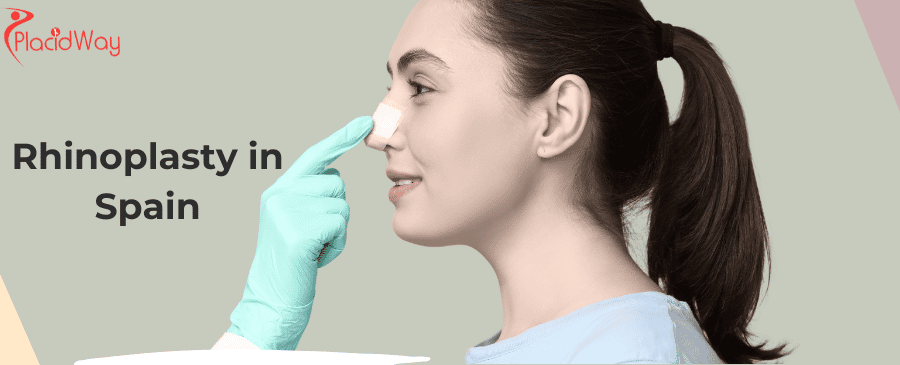
If you are considering altering the shape or function of your nose, you might be researching options abroad. Undergoing rhinoplasty in Spain has become an option for individuals seeking a combination of established medical infrastructure and regulated healthcare standards. Understanding the financial commitment, medical suitability, and recovery process is a vital first step before making any health-related travel decisions.
Key Takeaways
- Average estimates for nose reshaping in Spain typically fall between $4,500 and $7,500.
- Pricing fluctuates based on the surgical approach (open versus closed) and geographic location within the country.
- Spain maintains strict healthcare regulations governing cosmetic and reconstructive surgeries.
- Patients must plan to stay in the country for at least 7 to 10 days post-surgery for initial recovery and follow-up.
- A thorough medical consultation is essential to confirm candidacy and understand individual risks.
What is typically included in the rhinoplasty cost in Spain?
When you receive a price estimate for rhinoplasty cost in Spain, it is important to know which elements of your care are covered. Medical facilities vary in how they package their services, and unexpected fees can arise if you do not ask for clarification beforehand.
Typically, a comprehensive surgical quote will include:
- Surgeon fees: The cost of the specialist performing the operation.
- Anesthesiologist fees: Payment for the professional administering and monitoring anesthesia.
- Operating room and facility costs: The fee for using the surgical center or hospital.
- Standard medical supplies: Items used during the surgery, such as sutures and dressings.
- Immediate follow-up visits: Consultations to remove splints and check early healing.
You should also budget for expenses that are frequently excluded from these packages, such as pre-operative blood tests, post-surgery prescription medications, travel, accommodation, and specialized aftercare items.
Why do prices differ between various clinics?
Finding a rhinoplasty clinic in Spain means navigating a variety of price points. Major metropolitan hubs like Madrid and Barcelona often have higher operational costs, which can translate to slightly higher procedural fees compared to clinics in smaller cities like Valencia or Alicante.
The complexity of your specific procedure is a major factor in the final estimate. A primary rhinoplasty—where the nose has never been operated on before—is generally more straightforward and less expensive. In contrast, a revision rhinoplasty requires navigating existing scar tissue and may involve complex cartilage grafting. This increased difficulty requires more time in the operating room and highly specialized surgical skills, raising the overall cost.
What surgical techniques are commonly used for nose reshaping?
During a closed rhinoplasty, all incisions are made inside the nostrils. This approach leaves no visible external scarring and often results in slightly less post-operative swelling. However, it provides the surgeon with a more limited view of the nasal structures, making it better suited for minor adjustments.
Open rhinoplasty involves an additional small incision across the columella—the tissue separating the nostrils. This allows the surgeon to fold the skin back and gain full visibility of the nasal framework. While this technique may result in a faint scar and potentially more initial swelling, it is often necessary for complex cases, significant reshaping, or revision surgeries where precision is paramount.
Who is generally considered a suitable candidate for rhinoplasty?
Undergoing surgery is a serious physical and emotional commitment. Medical professionals stress that rhinoplasty is not about achieving perfection, but rather about enhancing facial harmony and, in some cases, improving respiratory function. You may be evaluated for suitability based on several criteria:
- Physical maturity: The nasal bone and cartilage must be fully developed.
- Overall health: You should not have underlying conditions that severely impair healing or increase surgical risks.
- Mental readiness: Patients must have realistic expectations and understand that results vary from person to person.
- Lifestyle factors: Smoking significantly restricts blood flow and increases the risk of tissue necrosis and poor healing; surgeons often require patients to quit well before and after surgery.
What does the typical recovery timeline look like?
Following the procedure, you will likely wake up with a nasal splint and potentially internal packing to support the new shape of your nose as it begins to heal. This initial phase involves significant swelling, bruising around the eyes, and a feeling of congestion. Most patients find that they can return to non-strenuous work or daily activities within 10 to 14 days, once the splint is removed and the most obvious signs of surgery have faded.
However, it is vital to understand that healing is a gradual process. While you will see a noticeable difference soon after the splints are removed, the subtle refinement of the nasal contour continues for many months. Depending on your skin thickness and the extent of the surgery, it can take 12 to 18 months for all residual swelling to resolve completely. During this extended period, you will need to follow up with a local healthcare provider in your home country to monitor your progress.
What are the potential medical risks of nose surgery?
Patient safety must always be the top priority when considering medical procedures. Rhinoplasty is a major surgery that alters delicate bone and cartilage structures. It is crucial to have an open discussion with a qualified healthcare professional regarding potential complications.
Known risks associated with rhinoplasty include, but are not limited to:
- Excessive bleeding or hematoma formation.
- Infection at the incision sites.
- Changes in skin sensation, such as numbness.
- Difficulty breathing through the nose if the internal structures are compromised.
- Unsatisfactory aesthetic results leading to the desire for a revision surgery.
- Septal perforation (a hole in the nasal septum).
Before traveling, understand what steps you should take if you develop complications after returning home. You must be prepared to seek care from a local medical provider if issues arise once you have left the destination country.
How long should I plan to stay in Spain for my recovery?
When participating in medical tourism in Spain, you cannot simply have surgery and fly home the next day. The initial post-operative period requires careful monitoring. Your surgeon will need to assess your early healing and safely remove casts, splints, and any non-dissolvable sutures.
Furthermore, air travel immediately following facial surgery poses specific risks. The change in cabin air pressure can exacerbate swelling and increase the risk of nosebleeds. Most medical professionals will strongly advise against flying until the one-week mark, and sometimes longer if your specific case dictates a slower initial recovery.
Why do international patients choose medical tourism in Spain?
Patients researching healthcare options abroad often look for destinations that balance cost with a high standard of medical regulation. The healthcare system in this region is well-established and subject to strict national and European regulatory frameworks. Medical facilities that offer surgical services are required to maintain specific hygiene, safety, and operational standards.
Additionally, because of the increasing number of international patients traveling for healthcare, many facilities have adapted their services to better communicate with those arriving from abroad. This often includes offering consultations in English and providing clear documentation regarding medical histories and procedural plans.
What questions should I ask my surgeon before committing?
Your initial consultation is a critical opportunity to gather information and assess whether a particular medical professional and facility are right for you. Do not hesitate to ask detailed questions about your care plan.
- Are you a board-certified plastic surgeon, and what are your professional qualifications?
- How frequently do you perform rhinoplasty, specifically cases similar to mine?
- Where will the surgery be performed, and is the facility accredited for emergency response?
- What are the specific risks related to my individual nasal structure and medical history?
- What happens if I experience a complication after returning to my home country?
- Can you outline the exact costs included in my estimate?
Why Choose PlacidWay for Medical Tourism Research?
PlacidWay is an informational platform designed to help patients navigate their international healthcare options. When researching procedures abroad, utilizing a structured directory can streamline the information-gathering process.
- Access to Information: PlacidWay provides a directory of international clinics and medical providers for easy comparison.
- Transparent Estimates: The platform helps patients access preliminary cost estimates for various medical treatments.
- Facility Profiles: Users can review details about facility accreditations, practitioner backgrounds, and available services.
- Direct Communication: PlacidWay facilitates initial contact between patients and international healthcare facilities.
- Global Options: The platform offers information on treatment options across numerous global destinations, allowing for broad geographical comparisons.
Frequently Asked Questions
Can I combine a rhinoplasty with a septoplasty in Spain?
Yes, many surgeons perform a septorhinoplasty, which combines cosmetic reshaping with functional correction of a deviated septum to improve breathing. This will increase the overall cost and complexity of the procedure.
Is the cost of a revision rhinoplasty higher than a primary one?
Revision rhinoplasty is typically more expensive than a primary procedure because it involves altering scar tissue and often requires more complex surgical techniques, such as cartilage grafting.
Do clinics in Spain offer virtual consultations before I travel?
Many facilities catering to international patients offer initial video consultations to discuss your goals, review your medical history, and provide a preliminary estimate before you travel.
Are prescription medications included in the surgery quote?
Post-operative medications, such as painkillers or antibiotics, are usually not included in the initial surgical quote and must be purchased separately at a local pharmacy.
When is it safe to fly after having a nose job in Spain?
Surgeons typically advise waiting at least 7 to 10 days before flying. Changes in cabin pressure can increase swelling and the risk of bleeding during the early stages of recovery.
Will my health insurance cover the cost of my procedure?
Health insurance generally does not cover cosmetic rhinoplasty. However, if the surgery includes a functional component like a septoplasty to correct breathing issues, your provider may cover that specific portion, though international coverage varies widely.
How soon after surgery can I wear glasses?
You should avoid resting glasses on your nose for at least four to six weeks post-surgery to prevent indentations and pressure on the healing nasal bones.
Do Spanish surgeons speak English?
Many medical professionals who treat international patients speak English fluently, but it is always wise to confirm language preferences and translation services during your initial inquiry.
What kind of anesthesia is used during the surgery?
Rhinoplasty is most commonly performed under general anesthesia, though some less complex cases may be done using local anesthesia combined with intravenous sedation.
Are there age restrictions for getting a rhinoplasty?
Surgeons typically require patients to wait until their facial bones have stopped growing, which is usually around age 16 for females and slightly older for males.
Explore Your Healthcare Options
Connect with medical professionals and gather information to help you make an informed decision about your healthcare journey.
Request Treatment InformationReferences
- Rhinoplasty Overview – American Society of Plastic Surgeons (ASPS)
- Rhinoplasty Details and Risks – Mayo Clinic
- Nose Reshaping Information – MedlinePlus
- Rhinoplasty Recovery and Procedure – Cleveland Clinic
- Nose Reshaping (Rhinoplasty) – National Health Service (NHS)
- Surgical Care and Safety – World Health Organization (WHO)

























Share this listing