
Gangnam Breast Implant Cost: A Complete Guide
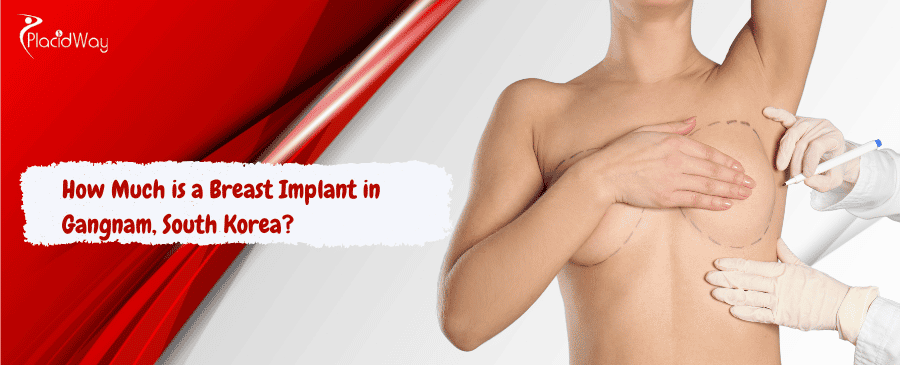
When considering breast implants in Korea, one of the first questions patients ask is which brand will provide the safest and most natural-looking results. South Korea is globally recognized for its advanced aesthetic medical industry, attracting thousands of international patients each year. However, navigating the diverse range of implant options in a foreign country requires careful research.
Because every patient's anatomy, skin elasticity, and aesthetic preference is unique, what works perfectly for one person may not be ideal for another. Understanding the differences between leading implant brands, the associated costs, and what to expect from the procedure is essential for making an informed, medically responsible decision.
Key Takeaways
- Motiva, Mentor, and Sebbin are among the most frequently utilized implant brands in South Korean clinics.
- Brand choice should be based on chest dimensions, existing breast tissue, and surgical recommendations, not just popularity.
- Implant procedures always carry medical risks, including capsular contracture and potential need for future revision surgery.
- International patients should plan to stay in Korea for 7 to 14 days to ensure proper initial recovery and post-operative monitoring.
- Pricing can vary widely depending on the chosen implant technology, clinic reputation, and surgical complexity.
What are the most popular breast implant brands used in Korea?
South Korean plastic surgery clinics typically offer a curated selection of premium implant brands sourced globally. Mentor, a Johnson & Johnson company based in the United States, has been a staple in breast augmentation for decades and holds rigorous FDA approval. Motiva, manufactured by Establishment Labs, has gained massive popularity in Asia over the last several years due to its innovative nano-textured surface and highly elastic gel.
Sebbin, a European brand, is also commonly available and respected for its strict quality control and natural feel. The availability of these premium brands means that patients traveling for aesthetic procedures have access to the same, if not a broader, range of options as they would in North America or Europe.
When evaluating these options, it is important to remember that popularity does not equate to a universal recommendation. A thorough consultation with a qualified medical professional is required to determine which specific brand and model aligns safely with your physical characteristics.
How do Motiva and Mentor implants compare for Korean patients?
The choice between Motiva and Mentor is one of the most common debates among patients seeking aesthetic enhancement. Motiva implants utilize a highly cohesive silicone gel designed to act dynamically—meaning it maintains a round shape when lying down but assumes a more anatomical, teardrop shape when standing. Additionally, Motiva features a "SmoothSilk" nano-textured surface that is intended to minimize inflammation and reduce the risk of capsular contracture, though no implant is entirely risk-free.
Mentor implants, on the other hand, boast a track record spanning decades with robust clinical data supporting their safety. Mentor offers both saline and silicone options, including their MemoryGel line, which provides a predictable, soft feel that closely mimics natural breast tissue. Mentor’s strict FDA approval provides significant peace of mind for many international patients.
- Movement: Motiva is designed to shift shape dynamically; Mentor offers highly stable shape retention.
- Surface: Motiva is known for its proprietary nano-texture; Mentor offers traditional smooth and textured options.
- Incisions: Motiva's highly elastic shell may allow for slightly smaller incision sites during surgery.
Are breast implants used in South Korea safely regulated?
Patient safety is paramount when undergoing any surgical procedure. In South Korea, medical devices, including breast implants, must pass strict regulations enforced by the MFDS before they can be legally used in clinical settings. Furthermore, because the medical tourism industry heavily caters to international standards, most recognized clinics deliberately stock brands that have secured approvals from stringent international bodies like the FDA or have CE certification.
It is highly recommended that you ask your surgeon to provide the product's official certification and registration card after the surgery. This document contains the serial number, lot number, and exact specifications of the medical device placed in your body, which is vital for your long-term medical records back home.
How much does breast implant surgery typically cost in Korea?
Pricing for cosmetic procedures can vary significantly. Traditional smooth silicone implants like Mentor tend to fall on the lower end of the pricing spectrum, often ranging between $5,000 and $7,000 USD. Premium, newer-generation implants such as Motiva or those requiring specialized surgical techniques often range from $7,000 to $10,000 USD.
When reviewing an estimate, you should ask what is included in the package. A comprehensive quote for medical tourism in Korea will usually cover:
- The surgeon’s fee and anesthesiologist charges.
- The cost of the implants themselves.
- Pre-operative lab tests and post-operative medications.
- Compression garments and follow-up consultation fees.
Be aware that these figures are estimates. Your final cost may be different based on individual medical needs, such as combining the procedure with a breast lift.
What shapes and textures of implants are available in Korean clinics?
The profile and shape of the implant dictate the final visual outcome. Round implants generally provide more upper pole fullness (cleavage), which is a common aesthetic goal. Anatomical or teardrop implants hold less volume at the top and slope down to a fuller bottom, mimicking the natural slope of a biological breast.
Surface texture is another critical medical decision. Smooth implants are mobile within the breast pocket and generally feel very soft. Traditional textured implants were designed to grip the surrounding tissue to prevent rotation (crucial for teardrop shapes) and lower the rate of capsular contracture. However, due to concerns linking highly textured implants to Breast Implant-Associated Anaplastic Large Cell Lymphoma (BIA-ALCL), many surgeons now prefer smooth or nano-textured options. Nano-texturing aims to provide a biocompatible surface that reduces inflammation while avoiding the deep crevices of macro-texturing.
What are the potential risks and complications of breast implants?
It is vital to approach cosmetic surgery with a clear understanding of the medical realities. Implants are not lifetime devices, and a significant percentage of patients will require revision surgery at some point in their lives due to complications or aesthetic changes.
The most common complication is capsular contracture, where the body's natural scar tissue forms too tightly around the implant, causing pain and distorting the breast shape. Other risks include implant rupture or deflation, poor wound healing, and asymmetry. Additionally, there is a recognized, albeit low, risk of BIA-ALCL, a rare cancer of the immune system that can develop in the scar tissue capsule surrounding the implant. Discussing your full medical history with a qualified professional is critical to mitigating these risks.
How long is the recovery period after breast augmentation in Korea?
The immediate post-operative phase typically involves soreness, swelling, and a feeling of tightness across the chest. Surgeons often prescribe pain medication and muscle relaxants to manage discomfort during the first few days. Patients are advised to sleep on their backs at an elevated angle to minimize swelling.
While you may feel well enough to resume light, desk-bound work within a week, heavy lifting, strenuous exercise, and raising your arms above your head must be avoided for at least four to six weeks. For those participating in medical tourism, it is generally recommended to remain near your surgical team for at least 7 to 10 days to ensure any early signs of complication, such as infection or fluid buildup, can be promptly addressed.
Am I a suitable candidate for breast augmentation in South Korea?
Suitability for surgery is determined through a comprehensive medical evaluation. Conditions that may contraindicate surgery include active infections, untreated breast cancer or pre-malignant conditions, severe bleeding disorders, or autoimmune diseases that could impair healing.
Furthermore, smoking significantly impedes blood flow and increases the risk of serious complications, including tissue necrosis and severe scarring. Surgeons universally require patients to cease smoking and nicotine use for several weeks before and after the procedure. An individualized assessment by a qualified doctor is the only way to confirm if the procedure is safe for you.
How do I choose the right breast implant size and profile?
Choosing an implant is not as simple as picking a cup size. Implants are measured in cubic centimeters (cc), and how a 300cc implant looks on one person will be entirely different from how it looks on another due to varying chest wall dimensions.
Surgeons evaluate your base width (the horizontal measurement of your breast) to ensure the implant does not protrude unnaturally into your underarm or merge in the center. The "profile" of the implant—how far it projects outward from the chest wall—is also crucial. Low profile implants offer a wider, flatter look, while high profile implants provide more forward projection on a narrower base.
How do I choose a breast implant clinic in Korea?
The quality of your medical facility plays a massive role in patient safety. Ensure that the clinic employs surgeons who are fully certified by recognized national plastic surgery boards. Furthermore, the presence of an in-house anesthesiologist monitoring you throughout the entire procedure is a non-negotiable safety standard.
When evaluating clinics from abroad, consider their communication standards. They should be able to answer medical questions clearly, provide realistic assessments of risks, and not pressure you into immediate decisions. Establish a clear plan for follow-up care, both during your stay in Korea and once you return to your home country.
Why Choose PlacidWay for Medical Tourism in South Korea?
Planning medical treatment abroad can be overwhelming. PlacidWay serves as a valuable educational resource for patients exploring global healthcare options.
- Information Access: PlacidWay provides detailed profiles of medical facilities and providers to help you conduct thorough research.
- Cost Transparency: Patients can review comprehensive pricing estimates to better understand the financial scope of their treatment.
- Global Network: The platform connects you with accredited medical centers across South Korea and around the world.
- Educational Resources: PlacidWay offers articles, guides, and patient resources focused on safety, preparation, and international healthcare standards.
- Direct Communication: The platform facilitates direct contact with international patient coordinators at medical facilities, allowing you to ask medical questions directly to the providers.
Frequently Asked Questions (FAQs)
Do breast implants need to be replaced after 10 years?
Breast implants are not considered lifetime devices, but they do not automatically expire at the 10-year mark. While the risk of rupture or complication increases over time, many patients keep their implants for 15 to 20 years without issues. Replacement is usually only recommended if a complication like rupture or capsular contracture occurs, or if your aesthetic goals change.
Can I fly home immediately after breast surgery in Korea?
No, it is not advisable to fly immediately after surgery. Most surgeons recommend staying in South Korea for at least 7 to 10 days post-operation. This allows time for initial healing, drain removal if used, and a follow-up assessment to ensure it is safe for you to endure cabin pressure and travel.
Will breast implants affect my ability to breastfeed?
Many women with breast implants breastfeed successfully. However, the risk of breastfeeding difficulties depends on the incision site and implant placement. Periareolar incisions (around the nipple) have a slightly higher risk of interfering with milk ducts or nerves compared to inframammary (under the breast crease) incisions.
Do Korean clinics offer fat transfer breast augmentation instead of implants?
Yes, many clinics in Korea offer autologous fat transfer for patients seeking a modest increase in breast size (usually about one cup size). This method uses your own body fat removed via liposuction and transfers it to the breasts, offering an alternative for those who prefer not to use silicone implants.
How often should I get my breast implants checked?
The FDA currently recommends that patients with silicone gel-filled breast implants receive MRI or ultrasound screenings to check for silent ruptures starting 5 to 6 years after the initial surgery, and then every 2 to 3 years thereafter.
Is it safe to get breast implants if I have a family history of breast cancer?
Having a family history of breast cancer does not automatically disqualify you from getting implants. However, it requires a thorough discussion with your doctor. Implants can sometimes make mammograms more challenging to read, though specialized displacement techniques can be used during screening.
Will I lose sensation in my nipples after getting implants?
Changes in nipple sensation, including temporary numbness or hypersensitivity, are common immediately following surgery. For most patients, normal sensation returns within a few months. However, in some rare cases, changes in sensation can be permanent.
What happens if a breast implant ruptures?
If a saline implant ruptures, it will deflate quickly, and the body will safely absorb the saline. If a silicone implant ruptures, it is often a silent rupture, meaning you may not notice it immediately. The silicone usually remains within the scar tissue capsule. In either case, surgical removal and replacement of the implant are typically required.
How long do I need to stay in Korea for follow-up appointments?
Medical tourists should plan to stay in Korea for approximately 7 to 14 days. This window allows the medical team to monitor your initial recovery, remove stitches or drains, and provide clearance before you return home.
Can I exercise normally with breast implants?
Once you have fully recovered and received clearance from your surgeon—usually around 6 to 8 weeks post-surgery—you can return to normal exercise routines. Wearing a highly supportive sports bra is strongly recommended during vigorous activities.
Compare Treatment Options
Connect with accredited clinics and gather the information you need to make a medically responsible decision.
Request Treatment InformationReferences
- Breast Implants – U.S. Food and Drug Administration (FDA)
- Breast Augmentation Safety and Risks – American Society of Plastic Surgeons (ASPS)
- Breast Augmentation Procedure Details – Mayo Clinic
- Global Survey on Aesthetic/Cosmetic Procedures – International Society of Aesthetic Plastic Surgery (ISAPS)
- Risks and Complications of Breast Implants – U.S. Food and Drug Administration (FDA)
- Surface Topography of Breast Implants and Risk of Complications – Aesthetic Surgery Journal


















Share this listing