
Cost, Quality & Care: Why Thailand is a Premier Destination for Plastic Surgery
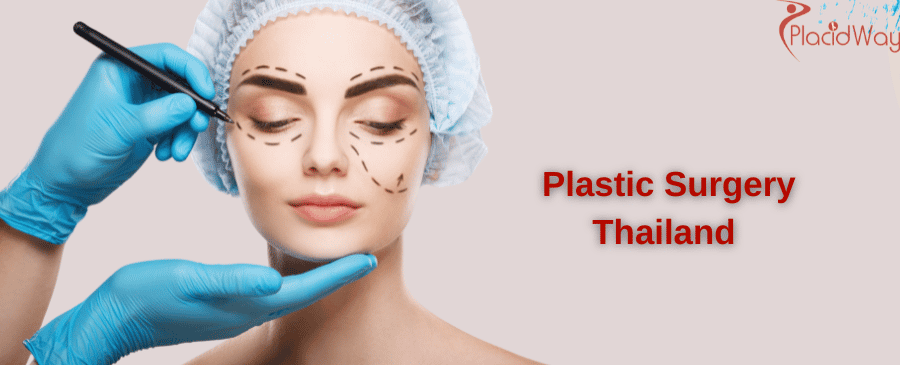
If you are considering cosmetic enhancement, you might be wondering why so many individuals choose plastic surgery in Thailand. Over the last two decades, the country has developed into a major global destination for medical travelers. Patients often seek out a reputable plastic surgery clinic in Thailand to access experienced surgeons, modern technology, and comprehensive post-operative care.
Whether motivated by the expertise of specialists or the broader appeal of medical tourism in Thailand, thousands of international patients arrive each year. From facial rejuvenation to body contouring, understanding the benefits, risks, and logistics of receiving medical care abroad can help you make a more informed decision.
Key Takeaways
- Patients often seek treatment in Thailand for a balance of experienced surgical care and estimated cost savings.
- Joint Commission International (JCI) accredited hospitals operate in major cities like Bangkok and Phuket.
- Popular treatments include rhinoplasty, breast augmentation, body contouring, and gender-affirming surgeries.
- Traveling for surgery carries specific risks, such as the potential for deep vein thrombosis (DVT) during flights.
- Planning for local recovery time and arranging follow-up care in your home country is essential for safety.
What are the main reasons patients choose Thailand for cosmetic procedures?
Thailand has invested heavily in its healthcare infrastructure over the years, aiming to attract international patients by maintaining high clinical standards. Many of the larger hospitals in Bangkok feature dedicated international wings with specialized staff, translators, and concierge services tailored specifically to medical travelers. This level of organization helps reduce the stress of navigating a foreign healthcare system.
Additionally, many Thai plastic surgeons have trained or completed fellowships internationally, bringing global best practices back to their home country. When you combine this level of medical expertise with a culture known for strong hospitality and patient care, it creates an environment where patients feel supported throughout their surgical journey.
How much does plastic surgery cost in Thailand compared to other countries?
Financial considerations are a significant factor for many medical tourists. Because the overall cost of living and operational overhead for hospitals are lower in Thailand than in North America or Western Europe, clinics can frequently offer procedures at a lower price point. However, these figures are only estimates, and the final price will vary based on your individual anatomy, the complexity of the surgery, and the specific materials used, such as the type of breast implants.
When budgeting for your trip, you must look beyond the surgical quote. Remember to factor in round-trip airfare, hotel accommodations for your recovery period, local transportation, food, and potential costs for specialized medical travel insurance. Sometimes, once travel expenses are calculated, the financial gap narrows, making it vital to compare all comprehensive costs before making a decision.
Is it safe to get plastic surgery in Thailand?
No surgery is entirely risk-free, regardless of geographic location. Complications such as infection, adverse reactions to anesthesia, scarring, and prolonged swelling can occur anywhere. Safety in Thailand largely depends on your diligence in selecting a reputable facility. Hospitals accredited by the Joint Commission International (JCI) are held to stringent global standards for patient safety and quality of care.
To maximize your safety, you should openly share your full medical history, including any medications or supplements you take, during your pre-operative consultations. Being an ideal candidate for surgery is a medical decision that a qualified doctor must make after evaluating your health. Prioritizing safety means being willing to walk away if a clinic feels unprofessional or if a doctor advises against the procedure.
What are the most popular cosmetic procedures performed in Thailand?
Thailand’s medical community has developed vast experience across a wide spectrum of aesthetic and reconstructive procedures. Some of the most common treatments international patients seek include:
- Facial Contouring and Rhinoplasty: Surgeons often perform customized nasal reshaping and facial bone contouring.
- Breast Surgeries: Augmentations, lifts, and reductions using FDA-approved or equivalent high-quality implants.
- Body Contouring: Liposuction and abdominoplasty (tummy tucks) for patients looking to remove excess skin or stubborn fat.
- Gender-Affirming Surgery: Thailand is globally recognized for its pioneering expertise and comprehensive care in transgender healthcare.
How do you find a reputable plastic surgery clinic in Thailand?
Start your research by looking for hospitals and clinics that carry independent accreditations. The JCI gold seal is a strong indicator of a facility's commitment to safety, hygiene, and emergency preparedness. Avoid relying solely on social media influencers or heavily edited marketing photos when choosing a provider.
Schedule virtual consultations with prospective surgeons before booking any travel. This allows you to ask detailed questions about their experience, request to see before-and-after photos of patients with similar body types, and discuss potential risks. A reputable surgeon will focus on realistic outcomes and patient safety rather than pressuring you to commit to a procedure immediately.
What qualifications should you look for in a Thai plastic surgeon?
Medical credentials provide an important layer of trust. Verify that your prospective doctor is fully licensed by the Thai Medical Council. Furthermore, membership in professional organizations, such as the Society of Plastic and Reconstructive Surgeons of Thailand or the International Society of Aesthetic Plastic Surgery (ISAPS), indicates that the surgeon adheres to continuous medical education and ethical standards.
Do not hesitate to ask a surgeon directly about their specific training, the number of times they have performed the procedure you want, and their complication rates. Transparency regarding their background is a hallmark of a professional and trustworthy medical provider.
How long should you plan to stay in Thailand for recovery?
Recovery time is highly dependent on the invasiveness of your surgery. While minor procedures might only require a few days of rest, major surgeries like a tummy tuck or a facelift usually require a two-week stay. During this period, you will need to rest in your hotel and attend scheduled follow-ups so your surgeon can monitor your healing and remove any drains or stitches.
Flying too soon after surgery significantly increases the risk of deep vein thrombosis (DVT) and pulmonary embolism due to the combination of post-surgical immobility and cabin pressure changes. Always follow your surgeon’s strict guidelines regarding when it is safe to board a long-haul flight back home.
What are the risks of traveling for cosmetic surgery?
While millions travel safely for medical care, you must account for the unique risks of medical tourism. Travel-related fatigue can weaken your immune system, and navigating an unfamiliar environment while recovering from surgery can be physically and emotionally taxing. Additionally, standards for medication, anesthesia, and postoperative care may differ slightly from what you are used to in your home country.
The most significant challenge often arises after you return home. If you develop a delayed infection, delayed wound healing, or are unhappy with your aesthetic results, it is rarely practical to fly back to Thailand for a simple revision. You must have a plan in place for local follow-up care.
How do language barriers affect medical care in Thailand?
Effective communication is crucial in medicine, especially when discussing aesthetic goals and surgical risks. Fortunately, the top-tier international hospitals in Bangkok, Phuket, and Chiang Mai employ multilingual staff. Many surgeons who treat foreign patients speak excellent English, and hospitals often provide free translation services for various other languages.
However, minor miscommunications can still occur with nursing staff or local pharmacists. To mitigate this, ensure all surgical plans, consent forms, and postoperative instructions are provided in your native language in writing before you proceed with any treatment.
What happens if complications occur after returning home?
Before you travel, it is highly recommended to speak with a primary care physician in your home country. Ask if they are willing to assist with basic follow-up care, such as checking incisions or removing any remaining sutures. Should a serious complication occur, you may need to visit a local emergency room or seek out a local plastic surgeon for reconstructive work.
Because domestic health insurance policies typically exclude elective cosmetic procedures and their subsequent complications, any medical care required at home could result in unexpected medical bills. Purchasing specialized medical tourism complication insurance prior to your trip can help protect you financially in these scenarios.
Why Choose PlacidWay for Medical Tourism in Thailand?
Navigating healthcare options abroad requires reliable information. PlacidWay offers resources to help you explore your choices.
1. Global Directory: Access an extensive database of international healthcare providers and clinics.
2. Educational Resources: Utilize tools and articles designed to help patients compare medical facilities.
3. Accreditation Info: Easily identify internationally accredited hospitals and board-certified professionals.
4. Cost Transparency: Review estimated procedure costs to help budget your medical journey.
5. Direct Connections: Request information directly from chosen clinics to begin your consultation process.
Frequently Asked Questions
Can I combine a holiday with plastic surgery in Thailand?
While you can enjoy a relaxing holiday before your procedure, doctors typically advise against typical vacation activities after surgery. Post-surgery time should be strictly dedicated to rest, attending follow-up appointments, and avoiding sun exposure, swimming, or strenuous physical activity.
Are Thai plastic surgeons board-certified?
Many surgeons practicing in internationally recognized facilities in Thailand hold board certifications from the Thai Medical Council, and some also hold international credentials from organizations like the International Society of Aesthetic Plastic Surgery (ISAPS).
Do I need a specific visa for medical treatment in Thailand?
Visa requirements depend on your nationality and the length of your stay. Many patients use a standard tourist visa for short recovery periods, while others may apply for a specific Non-Immigrant Medical Visa if their treatment requires a longer stay.
Will my home health insurance cover cosmetic surgery abroad?
Standard health insurance policies rarely cover elective cosmetic procedures, whether performed at home or abroad. You will typically need to pay out-of-pocket for the surgery and may want to consider specialized medical tourism insurance to cover potential travel-related complications.
How soon can I fly after breast augmentation in Thailand?
Most surgeons recommend waiting at least 7 to 10 days before flying after a breast augmentation to minimize the risk of deep vein thrombosis (DVT) and ensure the initial healing phase is progressing normally.
What should I pack for surgery recovery in Thailand?
Pack loose, comfortable clothing that buttons or zips in the front, any required medical records, comfortable slip-on shoes, personal medications, and entertainment for your recovery period.
Is the medical equipment used in Thailand modern?
Facilities catering to international patients, especially those with Joint Commission International (JCI) accreditation, typically use modern medical equipment and maintain standards comparable to hospitals in Western nations.
Can I get financing for plastic surgery in Thailand?
Foreign clinics usually require upfront payment and rarely offer direct financing or payment plans to international patients. Patients often use personal savings, specialized medical loans from their home country, or credit cards.
How do I transport my medical records to a Thai clinic?
You can usually send your medical records digitally via secure patient portals or encrypted emails before your trip. It is also wise to bring physical copies of recent blood tests, doctor's notes, and imaging on your journey.
What is the difference between a clinic and a hospital in Thailand?
Hospitals are typically larger facilities equipped with Intensive Care Units (ICUs), emergency response teams, and overnight inpatient care. Clinics may be smaller, specialized for outpatient procedures, and might not have the same level of emergency infrastructure.
Ready to Explore Your Options?
Compare treatment options, check estimated costs, and request information securely to help you make an informed medical decision.
Request Treatment InformationReferences
- Medical Tourism - Centers for Disease Control and Prevention (CDC)
- Patient Safety Guidelines - International Society of Aesthetic Plastic Surgery (ISAPS)
- Accredited Organizations Directory - Joint Commission International (JCI)
- Medical Tourism and the Risks of Plastic Surgery Abroad - American Society of Plastic Surgeons (ASPS)
- Professional Licensing Standards - The Medical Council of Thailand
- Treatment Abroad - National Health Service (NHS UK)


























Share this listing