
What to Expect on Surgery Day in Turkey

Making the decision to travel for bariatric care is a major life event that requires extensive research and careful planning. For many patients, pursuing gastric sleeve surgery in Turkey offers access to treatment they might not otherwise be able to attain. However, the realities of undergoing major abdominal surgery in a foreign country involve much more than simply booking a flight and a hotel room.
Understanding the physical demands of recovery, the strict dietary adjustments, and the complexities of international travel is crucial for a safe experience. To help you make a fully informed decision, we have broken down the ten most important aspects patients frequently mention they wish they had known before undergoing this transformative procedure abroad.
Key Takeaways
- Thoroughly verify international medical accreditations before selecting any provider.
- Pre-operative liver reduction diets are difficult but medically mandatory for safety.
- Flying shortly after surgery increases blood clot risks and requires special precautions.
- Securing a local physician for long-term aftercare is essential before traveling.
- Bariatric surgery is a restrictive tool requiring lifelong commitment to diet and exercise.
What is the true financial commitment of bariatric treatment abroad?
It is easy to look at the baseline gastric sleeve surgery cost in Turkey and view it as a massive saving compared to domestic healthcare prices. Many packages do include the hospital stay, pre-operative testing, and the surgical procedure itself. However, the advertised price rarely reflects the total financial reality of your medical journey.
Patients must factor in the fluctuating costs of international flights, extended hotel stays for recovery, and passport or visa fees. Additionally, specialized bariatric vitamins and high quality protein supplements become a permanent monthly expense that can add up significantly over the years.
Most importantly, individuals need to consider the financial implications of complications. If a complication such as a staple line leak occurs after you return home, your domestic health insurance may deny coverage because the original surgery took place abroad. Purchasing specialized medical travel insurance and having emergency funds available is a vital step in financial preparation.
How do I verify the credentials of a foreign bariatric center?
Finding a reliable gastric sleeve surgery clinic in Turkey requires looking past polished websites and promotional videos. The standards for medical safety and hygiene can vary widely between different facilities. Patients must take an active role in vetting their prospective providers to ensure high standards of care.
Look for facilities that hold recognized international accreditations, such as from the Joint Commission International. Furthermore, verify the operating surgeon belongs to reputable global organizations like the International Federation for the Surgery of Obesity and Metabolic Disorders. These affiliations indicate a commitment to global medical standards.
Communication is another critical factor in medical safety. Ensure the facility employs certified medical translators or that the medical staff is highly fluent in your native language. Misunderstanding pre-operative instructions or post-operative care guidelines due to a language barrier can severely compromise your recovery and safety.
Why is the pre-operative liver reduction diet strictly mandatory?
Many patients are surprised by how difficult the pre-operative diet can be. Typically lasting between one to three weeks before surgery, this regimen is low in carbohydrates, high in protein, and strictly calorie controlled. It is not an arbitrary rule designed to initiate weight loss; it is a critical safety measure.
In individuals with obesity, the liver often becomes enlarged and fatty, laying heavily over the stomach. By depleting glycogen stores, the liver shrinks and becomes less fragile. If a patient fails to follow this diet, the surgeon may find the liver too large to safely lift out of the way, which can result in the procedure being converted to open surgery or canceled entirely.
When engaging in medical tourism in Turkey, adhering to this diet becomes uniquely challenging. You will likely be traveling, waiting in airports, and staying in hotels during the final days of this strict regimen. Planning ahead by packing compliant protein powders and researching food options near your hotel is absolutely necessary.
What does the immediate physical recovery actually feel like?
Because a sleeve gastrectomy is performed laparoscopically, the surgeon pumps carbon dioxide gas into the abdominal cavity to create space to work. After the surgery, trapped remnants of this gas press against the diaphragm, irritating nerves that refer sharp, aching pain directly to the shoulders. Many patients find this gas pain more uncomfortable than the incisions themselves.
In addition to gas pain, the profound swelling in the newly formed stomach pouch can cause intense nausea and difficulty swallowing even tiny sips of water. The medical team will provide medications, but the most effective treatment for gas dissipation is frequent, slow walking around the hospital ward.
Recovering in a foreign environment adds an extra layer of complexity. Once discharged from the hospital, you will spend several days in a hotel room. Patients must be prepared to manage their hydration, pain medication schedules, and daily walking routines without the familiar comforts and support systems of their own home.
How do I manage the strict post-op liquid diet during international travel?
Immediately following the operation, patients are restricted to a strict diet of clear liquids, eventually graduating to full liquids. When it is time to fly back home, maintaining this diet while managing airport logistics can be incredibly stressful. Airport restaurants rarely cater to specific post bariatric requirements.
Patients must plan meticulously by carrying dry, travel sized packets of clear bariatric protein powder that can be mixed with bottled water purchased after passing through security. Understanding transportation security administration rules regarding liquids and medical necessities is important to avoid having essential nutrition confiscated.
Dehydration is one of the most common reasons bariatric patients require hospital readmission in the weeks following surgery. The dry air inside airplane cabins exacerbates this risk. You will need to take continuous, tiny sips of water throughout the entire journey, avoiding gulping which can cause painful spasms in the swollen stomach.
What are the psychological impacts of rapid weight loss?
Bariatric surgery alters the digestive system, but it does not treat the underlying psychological relationships individuals have with food. Many people use eating as a primary coping mechanism for stress, sadness, or boredom. When that coping mechanism is abruptly taken away by the physical restrictions of the new stomach, patients can experience profound emotional turbulence.
Furthermore, as the body rapidly breaks down fat stores in the months following surgery, hormones trapped within that fat tissue are released into the bloodstream. This hormonal dump can cause severe mood swings, depressive episodes, and anxiety. It is incredibly common for patients to wonder if they made a terrible mistake during the first few challenging weeks.
Establishing mental health support before traveling for surgery is just as important as medical preparation. Engaging with a therapist who specializes in eating disorders or joining bariatric support groups can provide the necessary tools to navigate the complex emotional landscape of rapid weight loss and identity shifts.
How does flying after abdominal surgery affect blood clot risks?
Any major surgical procedure increases the body's propensity to form blood clots as part of the natural healing process. Obesity itself is a known risk factor for clotting. When you combine these factors with prolonged immobility and the altered cabin pressure of a long international flight, the risk of developing deep vein thrombosis becomes a serious medical concern.
A blood clot that forms in the deep veins of the legs can break loose and travel to the lungs, causing a potentially fatal pulmonary embolism. To mitigate this risk, international surgeons universally enforce a mandatory recovery period on the ground before they clear a patient to fly home.
Patients are typically prescribed injectable blood thinning medications to take before and during their travel days. Additionally, wearing medical grade compression stockings, staying aggressively hydrated, and standing up to walk the airplane aisles every hour are mandatory safety practices for anyone flying home from bariatric care.
What is the reality of post surgical hair loss and loose skin?
Around three to six months post operation, many patients experience a condition called telogen effluvium, which is a temporary but noticeable thinning of the hair. This happens because the physical stress of surgery, combined with a drastic reduction in caloric and protein intake, forces hair follicles into a resting phase. While distressing, this shedding typically resolves on its own once nutrition stabilizes.
Loose skin is another inevitable reality of massive weight loss. How much loose skin a patient develops depends on factors out of their control, including age, genetics, the duration of obesity, and skin elasticity. No amount of specialized creams or targeted exercises can tighten severely stretched skin.
Patients need to mentally prepare for the fact that their body shape will change dramatically, and the result may not be the flawless contour they envision. In many cases, patients choose to undergo reconstructive skin removal surgeries a year or two later once their weight has fully stabilized.
How do I handle medical follow ups and complications back home?
The most significant vulnerability of medical travel is the disconnect in continuity of care. Bariatric surgery is not a one time event; it requires lifelong medical monitoring. Patients need routine blood panels to check for vitamin deficiencies, bone density monitoring, and dietary adjustments.
Complications such as staple line leaks, severe acid reflux, or strictures can develop weeks or even months after returning home. Unfortunately, some local healthcare systems and private bariatric surgeons may be reluctant to take over the care of a patient who chose to have surgery internationally, often citing liability concerns.
Never board a plane without having an honest conversation with your local primary care provider. Ensure they are willing and capable of ordering the necessary long term bariatric blood panels and have a plan in place for where you should go if an acute surgical emergency arises after you return.
Is a sleeve gastrectomy a permanent fix for weight management?
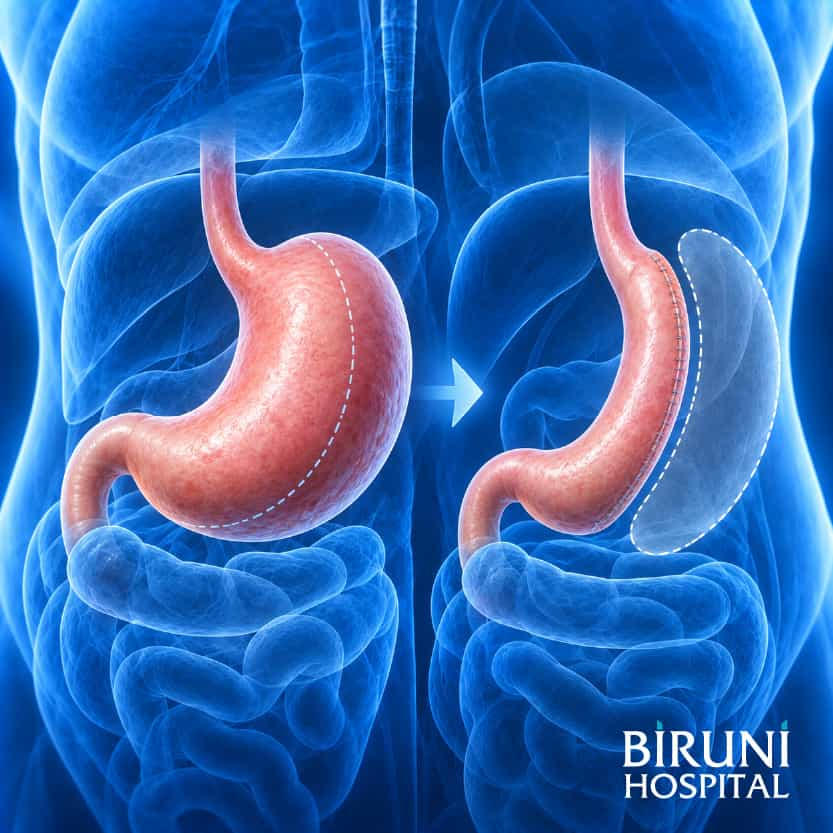
A common misconception is that bariatric intervention permanently prevents overeating. While the surgeon removes roughly eighty percent of the stomach, drastically reducing its capacity and the production of hunger hormones, the remaining stomach tissue is a muscle. If a patient consistently overeats or pushes past the point of fullness, that pouch can stretch over time.
Furthermore, the procedure cannot stop individuals from consuming high calorie liquids or grazing on soft, processed foods that easily slide through the altered stomach. Weight regain years after the operation is a genuine and common struggle for patients who revert to old nutritional habits once the initial rapid weight loss phase ends.
Success requires a permanent mental shift. Patients must commit to prioritizing protein, avoiding empty calories, engaging in regular physical activity, and taking daily vitamin supplements for the rest of their lives. The surgery provides an extraordinary reset, but long term maintenance depends entirely on the patient's dedication to a healthy lifestyle.
Why Choose PlacidWay for Medical Tourism?
For individuals exploring international healthcare options, navigating the vast amount of online information can be overwhelming. PlacidWay serves as a comprehensive medical tourism platform designed to assist patients in their research process.
- Global Network Access: PlacidWay provides information on hundreds of healthcare facilities across multiple global destinations, allowing patients to review a wide variety of clinical options.
- Educational Resources: The platform offers extensive articles, patient guides, and procedure overviews to help individuals understand the medical realities of their chosen treatments.
- Provider Comparison: Patients can utilize the platform to compare estimated costs, facility accreditations, and provider profiles side by side.
- Multilingual Interface: PlacidWay assists international patients by offering communication portals that help bridge initial language barriers between individuals and foreign clinics.
- Direct Inquiry Capabilities: The service allows patients to send direct requests for information and virtual consultation requests to medical centers before making any commitments.
Frequently Asked Questions
Is a passport or visa required for medical travel to Istanbul?
Most international patients require a valid passport and an electronic visa to enter the country for medical purposes. It is highly recommended to check current diplomatic requirements well in advance of your scheduled operation.
What BMI is typically required for bariatric procedures abroad?
International guidelines typically recommend bariatric intervention for individuals with a Body Mass Index of 40 or higher, or 35 and above if accompanied by severe obesity related comorbidities such as type 2 diabetes or hypertension.
How long should I stay in the country after my operation?
Surgeons usually recommend staying in the destination country for at least seven to ten days post surgery. This timeframe allows the medical team to monitor your initial recovery and clear you for air travel.
Can I travel alone for weight loss surgery?
While some patients do travel alone, having a companion is strongly encouraged. A companion can assist with carrying luggage, managing travel logistics, and providing essential emotional support during the vulnerable early recovery phase.
Are specific nutritional supplements available internationally?
Specialized bariatric multivitamins might not be easily accessible in regular foreign pharmacies. Patients are advised to bring a sufficient supply of their required supplements from home to ensure they do not miss any doses.
What type of anesthesia is used during the procedure?
A laparoscopic sleeve gastrectomy is performed under general anesthesia. You will be completely unconscious and monitored by an anesthesiologist throughout the duration of the surgical intervention.
How soon can I return to a desk job after returning home?
Many patients who work sedentary desk jobs are able to return to work within two to four weeks after the procedure. However, energy levels may remain low as your body adjusts to a significantly reduced caloric intake.
Can I drink coffee after recovering from bariatric surgery?
Caffeine is typically restricted for several months post operation because it can irritate the healing stomach lining and contribute to dehydration. Your medical team will provide specific guidance on when it is safe to reintroduce coffee.
Will my home health insurance cover complications from abroad?
Domestic health insurance policies frequently exclude coverage for complications arising from planned elective surgeries performed internationally. Patients must thoroughly check their policy details and consider specialized medical travel insurance.
Do medical professionals speak English in major Turkish medical centers?
Major facilities catering to international patients usually employ English speaking physicians and dedicated medical coordinators. However, it is important to confirm translation services are available for nursing staff and daily care interactions.
Compare Treatment Options
Take the next step in your research. Request educational information and connect with international providers to make an informed healthcare decision.
Request Treatment InformationReferences
- Bariatric Surgery Procedures – American Society for Metabolic and Bariatric Surgery (ASMBS)
- Sleeve Gastrectomy Overview and Risks – Mayo Clinic
- Weight Loss Surgery Guide – National Health Service (NHS)
- Blood Clots and Travel Risk Factors – Centers for Disease Control and Prevention (CDC)
- Obesity and Overweight Fact Sheet – World Health Organization (WHO)
- Bariatric Surgery Guidelines and Recovery – National Institute of Diabetes and Digestive and Kidney Diseases (NIDDK)
- Deep Vein Thrombosis Post-Surgery – MedlinePlus Medical Encyclopedia




























Share this listing