
Things to Know Before Breast Augmentation in Thailand
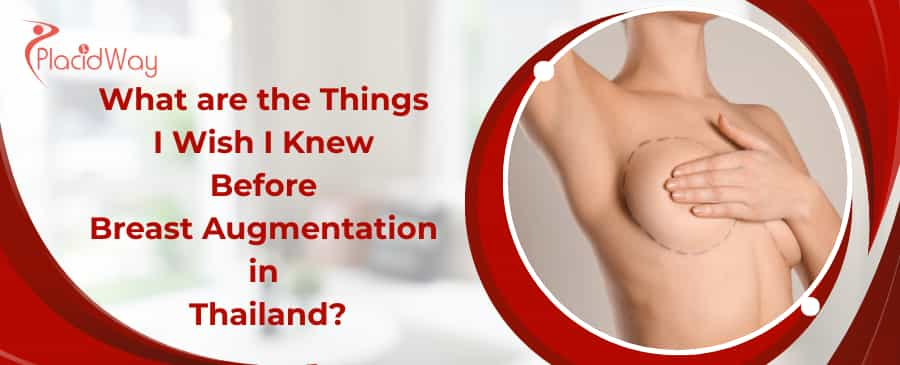
Traveling overseas for cosmetic procedures has grown increasingly popular, and many patients seek out breast augmentation in Thailand due to the availability of highly trained surgeons and modern medical facilities. However, undergoing surgery far from home involves unique logistical, physical, and emotional challenges that standard domestic procedures do not.
If you are exploring your options, it helps to look beyond the clinical brochures and understand the day-to-day realities of recovery in a foreign environment. From navigating the tropical climate to managing long-haul flights post-surgery, understanding these practical details can help you plan a safer and more comfortable experience.
Key Takeaways
- Plan to remain in the country for at least a week to ten days post-surgery for crucial medical clearances.
- Extended flights shortly after general anesthesia can elevate the risk of deep vein thrombosis (DVT).
- Establishing a relationship with a local doctor at home before you travel is vital for managing ongoing aftercare.
- Tropical heat and humidity require strict attention to incision care to prevent complications.
- International implant brands may differ from those approved by your home country's regulatory agencies.
How long do I really need to stay in Thailand after surgery?
Many patients initially assume they can fly home just a few days after their procedure, but this is rarely recommended. The first week of recovery is a vulnerable time. Your body is healing from general anesthesia, adjusting to the implants, and beginning the process of tissue repair.
During this in-country recovery period, your medical team will typically schedule one or two follow-up appointments. They need to verify that your incisions are healing without infection, that fluid is not building up, and that the implants are settling appropriately. Attempting to leave the country before receiving official medical clearance can put your health and the aesthetic outcome of your surgery at risk.
Will flying home increase my risk of post-surgery complications?
Air travel involves sitting in confined spaces for extended periods, which naturally slows blood circulation in the legs. When you add the recent trauma of surgery and the lingering effects of anesthesia, this risk becomes more pronounced. Blood clots that form in the legs can be dangerous if they break loose and travel to the lungs.
To mitigate these risks, medical professionals usually advise taking specific precautions on your flight home. You may be instructed to:
- Wear medical-grade compression stockings during the flight.
- Get up and walk the airplane aisles frequently.
- Perform seated ankle rotations and leg exercises.
- Stay thoroughly hydrated with water and avoid alcohol or caffeine.
How do I handle follow-up care once I return to my home country?
One of the most overlooked aspects of international surgery is what happens when you return home. While your overseas surgeon may offer virtual consultations via video call, they cannot physically examine your incisions, prescribe medications in your home country, or manage an emergency.
Some local plastic surgeons may be hesitant to take over the care of a patient who was operated on by another physician abroad. Therefore, it is highly recommended to arrange this support system before you book your trip. Having a local doctor who knows your surgical plans ensures you will not be left scrambling for help if a complication arises weeks or months later.
Are the breast implants used in Thailand the same as those back home?
When researching materials, you will find that major international brands are widely used across Southeast Asia. However, medical regulatory environments differ by region. An implant that is heavily utilized and legally approved in Europe and Asia may not be approved by your domestic regulatory agency, such as the US Food and Drug Administration (FDA) or the Therapeutic Goods Administration (TGA) in Australia.
This distinction matters for your long-term medical records and potential future surgeries. Always ask your prospective surgeon for the exact brand, model, and regulatory approvals of the implants they intend to use. Ensure you receive the official implant "passport" or registration cards after the surgery, which contains the serial numbers and manufacturer details.
What should I know about the language barrier and medical communication?
Facilities focused on international patients usually employ multilingual coordinators and board-certified surgeons who speak English fluently. However, nursing staff, orderlies, and local pharmacy workers may have varying levels of proficiency.
Effective communication is crucial when discussing pain levels, medication schedules, and post-operative symptoms. To minimize misunderstandings, ask for all pre-operative and post-operative instructions in written English. Do not hesitate to ask clarifying questions until you fully understand your medication dosages and care instructions.
How does the tropical climate in Thailand affect my recovery?
Thailand's beautiful weather is a major draw, but heat and humidity are not ideal companions for fresh surgical incisions. Sweating underneath bandages or a post-surgical compression bra can trap bacteria against the skin, potentially leading to wound breakdown or infection.
To protect your healing process, you will likely need to spend the majority of your recovery time indoors in air-conditioned environments. If you do go outside for short walks, do so during the cooler early morning or late evening hours. Keeping your incisions clean and completely dry is paramount to achieving clean, flat scars.
What is the true cost compared to hidden travel expenses?
Many patients focus solely on the quoted surgical fee, which often appears highly competitive compared to Western pricing. However, an accurate budget requires factoring in the entire logistical journey.
| Expense Category | Considerations to Budget For |
|---|---|
| Travel & Lodging | Round-trip airfare, 7-14 nights in a comfortable hotel, airport transfers. |
| Medical Extras | Prescription medications, specialized post-op bras, pre-op blood work. |
| Daily Living | Room service, bottled water, taxis to follow-up clinic visits. |
| Insurance | Specialized medical complication insurance covering international treatment. |
Can I combine my surgery with a tropical beach vacation?
The concept of medical tourism in Thailand often conjures images of recovering on a white-sand beach with a cocktail in hand. The medical reality is quite different. Surgeons strictly prohibit swimming in natural bodies of water or public pools for several weeks, as waterborne bacteria can easily infect healing incisions.
Furthermore, sun exposure on fresh scars can cause permanent hyperpigmentation (darkening of the scar tissue). Your energy levels will also be significantly lower as your body diverts resources toward healing. If you wish to enjoy a vacation, plan all your tourist activities and sightseeing *before* your surgery date, not after.
How do I verify the credentials of a clinic or surgeon?
Thoroughly vetting your provider is the most critical step you can take for your safety. Rather than relying on social media before-and-after photos, investigate the objective medical qualifications of the facility and the doctor.
For the hospital or clinic, Joint Commission International (JCI) accreditation is a strong indicator that the facility meets rigorous global standards for patient safety, hygiene, and emergency protocols. For the surgeon, check if they are board-certified in plastic surgery within Thailand and if they hold memberships in international organizations such as the International Society of Aesthetic Plastic Surgery (ISAPS). These memberships indicate a commitment to ongoing education and adherence to standardized ethical practices.
What happens if I experience a complication after leaving Thailand?
Complications, though uncommon when guidelines are followed, can occur after any surgery. Issues such as hematoma (blood collection), localized infection, or capsular contracture (scar tissue squeezing the implant) might develop weeks or even months after you have returned to your home country.
Your original surgeon in Asia cannot actively treat these issues from afar. You will have to consult your local healthcare system. It is vital to understand that your domestic health insurance may not cover interventions related to elective cosmetic surgery performed abroad. Preparing for this possibility financially and establishing a local medical contact beforehand is a crucial part of responsible medical travel.
Why Choose PlacidWay for Medical Tourism Research?
Planning international healthcare requires access to clear, organized information. PlacidWay serves as a global medical tourism platform to help patients navigate their options worldwide.
- Global Network: Connects patients with healthcare providers, clinics, and hospitals across multiple continents.
- Facility Information: Provides access to details regarding clinic credentials, accreditations, and available treatments.
- Direct Communication: Offers a platform allowing patients to send inquiries directly to international medical teams.
- Cost Comparison: Allows users to view and compare pricing estimates for procedures across different regions.
- Educational Resources: Supplies informational articles and guides to help patients understand the dynamics of seeking healthcare abroad.
Frequently Asked Questions
Can I get a breast augmentation and a lift at the same time in Thailand?
Many surgeons perform breast augmentation and a breast lift (mastopexy) concurrently if medically appropriate. Combining these procedures may increase the overall surgical time and require a slightly longer recovery period before you are cleared to fly home.
What is the typical age requirement for breast implants in Thailand?
Most international surgical guidelines and local medical regulations require patients to be at least 18 years old for saline implants and 22 years old for silicone implants, though specific clinic policies may vary.
How long does the actual breast augmentation surgery take?
The procedure typically takes between one and two hours to complete, depending on the surgical approach, implant placement, and whether any additional procedures are performed.
Will I need surgical drains after my breast procedure?
Surgeons sometimes use small temporary drains to prevent fluid accumulation around the implants. If used, they are usually removed within 24 to 48 hours before you leave the surgical facility.
Is it safe to get traditional Thai massages during my recovery?
You should avoid any upper body, back, or chest massages for several weeks post-surgery. Light foot or leg massages may be permissible, but always seek direct clearance from your operating surgeon first.
What type of anesthesia is typically used for this procedure?
Breast augmentation is usually performed under general anesthesia so that you are completely asleep and comfortable during the operation, though some surgeons occasionally use intravenous sedation combined with local anesthesia.
Are silicone or saline implants more commonly used by Thai surgeons?
Silicone gel implants are highly prevalent in Thailand due to their natural feel and patient demand, but saline options are also widely available. Your surgeon will discuss which type suits your body and goals.
When can I safely resume exercising after returning home?
Light walking is encouraged immediately to promote circulation, but strenuous exercises, heavy lifting, and intense upper body workouts are typically restricted for four to six weeks to allow the implant pockets to heal.
Does my domestic health insurance cover complications from surgery abroad?
Most standard domestic health insurance policies do not cover complications arising from elective cosmetic procedures performed overseas. Patients often purchase specialized medical travel insurance for this reason.
How do I manage surgical discomfort during the long flight back?
Your surgeon can prescribe appropriate pain management medication for your travel days. Staying hydrated, wearing comfortable clothing, and using a supportive post-operative bra can also help minimize discomfort in the air.
Compare Treatment Options Worldwide
Take the next step in your research by exploring clinics, comparing estimates, and asking questions directly to international healthcare providers.
Request Treatment InformationReferences
- Risks and Complications of Breast Implants – U.S. Food and Drug Administration (FDA)
- Patient Safety in Aesthetic Surgery – International Society of Aesthetic Plastic Surgery (ISAPS)
- Breast Augmentation Recovery – American Society of Plastic Surgeons (ASPS)
- Medical Tourism Guidelines and Risks – Centers for Disease Control and Prevention (CDC)
- Breast Augmentation: What You Can Expect – Mayo Clinic
- Air Travel Health Advice and DVT Risks – World Health Organization (WHO)























Share this listing