


What Do Patients Say About Mommy Makeover in Turkey?
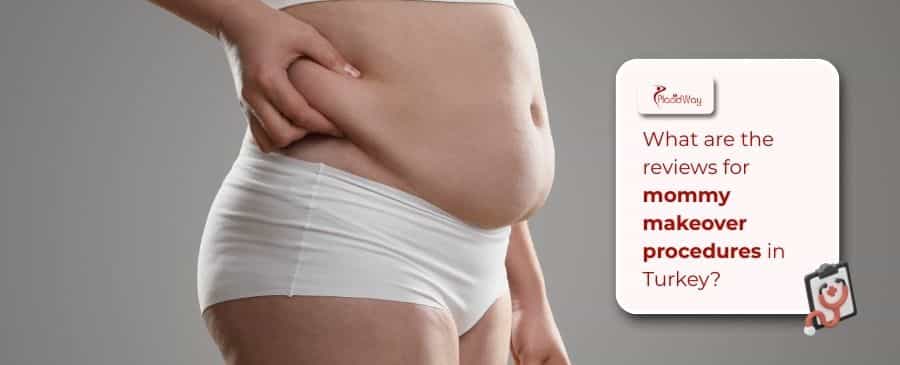
Key Takeaways
- Patient reviews often praise the affordability and organized logistics of medical packages.
- Common complaints in reviews center on travel fatigue, post-operative discomfort, and varying levels of staff English proficiency.
- Thoroughly vetting independent review platforms is essential to filter out fabricated testimonials.
- Realistic expectations are vital, as combination surgeries require significant downtime and carry inherent medical risks.
- Safety standards vary between facilities, making facility accreditation a critical factor when reading patient experiences.
What do patient reviews typically say about a mommy makeover in Turkey?
When analyzing feedback from international patients, a clear pattern emerges regarding the logistical experience. Many reviewers express satisfaction with how thoroughly their trips are organized. Facilities that cater to international visitors often include airport transfers, translation services, and accommodations in their pricing. For a patient traveling abroad for major surgery, this streamlined process is frequently mentioned as a significant source of stress relief.
On the medical side, positive reviews often note the modern aesthetics of the hospitals and the attentive care provided by patient coordinators. Individuals frequently report that their surgeons were thorough during pre-operative consultations, setting realistic expectations for combining procedures like breast lifts, augmentation, and abdominoplasty.
However, reviews are not uniformly glowing. The sheer physical toll of undergoing multiple surgical procedures at once—and then recovering in a hotel room far from home—is a common theme in mixed or negative feedback. Some patients report feeling isolated or overwhelmed by the intensive post-operative care required, emphasizing that a mommy makeover is a major medical event rather than a vacation.
How much does a mommy makeover cost in Turkey according to reviews?
Financial discussions feature prominently in patient testimonials. Most reviewers point out that the quoted price usually encompasses several expenses beyond just the surgery itself. These packages often include the surgeon's fee, anesthesia, operating room costs, post-surgical compression garments, a short hospital stay, and several nights in a partnered hotel.
Patients reviewing their financial experience often advise others to clarify exactly what is included before traveling. For example, some note that while the base price is affordable, costs can increase depending on the type of breast implants chosen, the number of areas requiring liposuction, or necessary post-operative medications. Reviewers frequently suggest having an emergency fund available for unexpected delays or extra days needed for recovery.
What safety concerns are mentioned in negative patient reviews?
While many procedures are completed successfully, cosmetic surgery carries inherent risks, and combining surgeries amplifies these risks. Patient testimonials detailing adverse events often describe issues such as hematomas, seromas (fluid buildup), or delayed wound healing—particularly along the abdominal incision line. Because a mommy makeover is highly invasive, the body's immune system is under considerable stress.
A recurring safety concern in critical reviews is the challenge of finding local care once the patient returns to their home country. Many reviewers express frustration that their local primary care physicians or domestic plastic surgeons are sometimes hesitant to treat complications resulting from surgeries performed abroad. Patients who encountered these issues strongly recommend establishing a post-operative care plan with a local doctor before boarding a plane.
Furthermore, some reviews caution against clinics that seem to operate like "assembly lines." In high-volume centers, patients occasionally report feeling rushed through their discharge process before they felt physically ready to leave the hospital setting.
How do reviewers describe the recovery process abroad?
Reading through detailed recovery logs, a stark contrast often appears between the glamorous social media portrayals of medical travel and the physical reality of post-operative healing. Reviewers consistently warn prospective patients not to underestimate the pain and mobility limitations during the first week. With incisions on both the abdomen and the breasts, simple movements like sitting up in bed, using the restroom, or coughing can be incredibly uncomfortable.
Many successful reviews highlight the importance of bringing a supportive companion. Having a spouse, friend, or family member present to help manage medications, assist with showering, and communicate with hotel staff is repeatedly mentioned as a vital component of a safe recovery. Those who traveled alone often reflect that it was their biggest regret, citing severe physical vulnerability during the initial days.
Are the results of a mommy makeover in Turkey generally positive?
Aesthetic satisfaction is a highly subjective metric, but the majority of verified reviews suggest that patients are pleased with their newly contoured profiles. Positive testimonials often focus on the restoration of pre-pregnancy abdominal firmness and improved breast symmetry. Many patients share update photos at the six-month or one-year mark, noting that their confidence has improved significantly.
Conversely, reviews expressing dissatisfaction frequently stem from mismatched expectations. Swelling from a tummy tuck and liposuction can take up to a full year to completely resolve. Some negative reviews written just weeks after surgery complain of asymmetrical results or bulkiness, which are often normal phases of the healing process. However, legitimate long-term complaints do exist, occasionally citing dog-ears (excess tissue at the ends of an incision), noticeable scarring, or the need for secondary revision surgeries.
What should I look for when evaluating a mommy makeover clinic in Turkey?
Veteran medical travelers often share advice on how they selected their facilities. A common recommendation in reviews is to ensure the hospital or clinic holds recognized accreditations, such as from the Joint Commission International (JCI). This accreditation indicates that the facility adheres to strict global standards for patient safety, hygiene, and emergency protocols.
Additionally, reviewers emphasize focusing on the specific surgeon rather than just the clinic's brand name. Many large medical centers employ multiple doctors, and outcomes can vary. Patients advise checking if the surgeon is a member of reputable organizations, such as the Turkish Society of Plastic Reconstructive and Aesthetic Surgeons or the International Society of Aesthetic Plastic Surgery (ISAPS).
Do reviews mention language barriers with Turkish medical staff?
Communication is a crucial aspect of patient safety and comfort. Testimonials frequently praise the assigned patient coordinators, who usually act as constant liaisons and are highly proficient in multiple languages. These coordinators typically accompany patients to consultations and are present during pre-surgery marking.
However, a frequent point of friction in reviews occurs during the overnight hospital stay. Patients sometimes report that night-shift nurses or hospital orderlies do not speak strong English. When waking up groggy from anesthesia or in need of pain medication, struggling to communicate can cause anxiety. Reviewers recommend downloading offline translation applications and having key medical phrases pre-translated on a smartphone to ease this process.
How do patients review the overall medical tourism in Turkey experience?
Turkey has heavily invested in becoming a global hub for health travel. Patients commonly review the infrastructure favorably, noting that airports, hotels, and hospitals are closely integrated to cater to surgical tourists. The convenience of being picked up in private transport and shuttled between medical appointments and the hotel is frequently cited as a major benefit that reduces travel anxiety.
On the flip side, the popularity of the destination means some clinics process dozens of international patients daily. Some reviewers describe feeling like they were part of a heavily commercialized system, wishing they had received more face-to-face time with their actual surgeon rather than dealing primarily with assistants and sales coordinators.
What do reviewers wish they knew before traveling for surgery?
Hindsight features heavily in patient reviews. A common theme is the "post-op blues." The combination of anesthesia clearing the system, physical discomfort, disrupted sleep, and being away from familiar surroundings can lead to temporary periods of depression or anxiety. Reviewers often wish they had been mentally prepared for this emotional dip, which usually peaks three to five days after surgery.
The return flight is another highly reviewed challenge. Sitting upright in an economy airplane seat for hours with fresh abdominal incisions is widely described as intensely uncomfortable. Patients strongly advise paying for upgraded seats with extra legroom or securing wheelchair assistance at the airports to minimize walking through vast terminals.
How can I spot fake reviews for cosmetic surgery in Turkey?
As the industry grows, so does the prevalence of fabricated testimonials designed to boost clinic ratings. Savvy medical tourists advise against relying solely on reviews posted directly on a clinic's own website or social media pages, as these are heavily curated to show only ideal outcomes.
To find authentic experiences, reviewers suggest looking for detailed journals where patients document their journey over several months, including both the good and the bad. Genuine reviews typically mention specific logistical details, the natural discomforts of recovery, and realistic timeframes for swelling reduction. Engaging with patient communities and asking specific questions can also help verify if a reviewer is a real person who has undergone the procedure.
Why Choose PlacidWay for Medical Tourism in Turkey?
Navigating the global healthcare landscape requires careful research. PlacidWay serves as an informational platform to assist patients in exploring their options abroad. Here is how PlacidWay supports your search:
- Extensive Network: Connects individuals with a diverse directory of internationally recognized clinics and medical centers.
- Facility Transparency: Provides accessible information regarding the accreditations and certifications held by various international healthcare providers.
- Cost Comparisons: Allows users to review and compare estimated pricing structures from multiple facilities to better understand market averages.
- Direct Communication: Facilitates the initial contact between prospective patients and global healthcare teams for consultations.
- Educational Resources: Offers guides and informational content to help patients understand the general scope of medical tourism.
Frequently Asked Questions
Is it safe to fly after a mommy makeover in Turkey?
Flying immediately after major surgery increases the risk of deep vein thrombosis (DVT) and blood clots. Surgeons typically require patients to stay in Turkey for 10 to 14 days post-operation before being medically cleared to fly home.
How long do I need to stay in Istanbul or Antalya after surgery?
Most medical guidelines suggest a stay of at least 10 to 14 days. This allows the medical team to monitor your initial healing, remove surgical drains, check for early signs of infection, and clear you for air travel.
Do Turkish clinics offer post-operative care once I return home?
While many clinics provide ongoing communication via messaging apps or video calls for months after the surgery, physical hands-on care is not possible once you leave the country. Patients must arrange a local primary care physician or specialist for in-person follow-ups.
Can I combine a mommy makeover with dental work while in Turkey?
While theoretically possible, medical professionals strongly advise against combining major body contouring surgeries with extensive dental work due to the high physical strain, increased risk of infection, and conflicting recovery requirements.
What happens if I experience a complication after returning home?
If you experience a complication at home, you must seek immediate care from a local medical provider or emergency room. You will typically be responsible for the costs of treating complications locally.
Are Turkish plastic surgeons board-certified?
Many surgeons in Turkey hold certification from the Turkish Society of Plastic Reconstructive and Aesthetic Surgeons, and some hold international certifications. However, qualifications vary by individual, so patients must verify their specific surgeon's credentials.
Why are cosmetic procedures in Turkey so much cheaper?
The lower prices are primarily due to differences in the cost of living, favorable currency exchange rates, lower local labor and operational costs, and government subsidies aimed at promoting the healthcare sector.
Will my local insurance cover complication costs from a surgery abroad?
Most standard domestic health insurance policies do not cover elective cosmetic surgery or complications arising from procedures performed outside your home country. Specialized medical tourism insurance may be required.
How long does a typical mommy makeover surgery take?
Because it combines multiple procedures such as a tummy tuck and breast surgery, the operation typically lasts between four and six hours under general anesthesia, depending on the complexity of your specific case.
Can I travel alone for a mommy makeover in Turkey?
Traveling alone for major combination surgery is strongly discouraged. You will have significant mobility restrictions and need physical assistance with basic tasks like getting out of bed, managing garments, and showering during the first week.
Compare Treatment Options Worldwide
Request treatment information, explore accredited facilities, and evaluate estimated pricing options with PlacidWay.
Request Treatment InformationReferences
- Mommy Makeover Overview – American Society of Plastic Surgeons (ASPS)
- Patient Safety and Medical Travel Guidelines – International Society of Aesthetic Plastic Surgery (ISAPS)
- Medical Tourism: Information for Travelers – Centers for Disease Control and Prevention (CDC)
- Finding Accredited Organizations – Joint Commission International (JCI)
- Treatment and Cosmetic Procedures Abroad – National Health Service (NHS)
- Mommy Makeover Guide – American Board of Cosmetic Surgery (ABCS)



.png)
.png)
.png)
.jpg)
.png)
.jpg)

.png)










Share this listing