
Contents
Choosing breast augmentation in Turkey for international patients involves more than finding an attractive before-and-after photograph. You are comparing implant types, surgical techniques, hospital standards, recovery support and a final bill that can change once the details are added.
A realistic current planning range is approximately US$2,700 to US$5,400. Lower prices may cover surgery alone, while higher-priced options may include implants, anesthesia, hospital care, accommodation and transfers. A breast lift, complex asymmetry correction or upgraded implant may increase the total.
Before comparing prices, confirm that the facility holds a Turkish Ministry of Health operating licence and an International Health Tourism Authorization Certificate. International accreditation such as JCI can provide another quality indicator, but it does not replace mandatory Turkish authorization. Patients most often consider Istanbul, Antalya, Izmir and Ankara because each offers different travel routes, clinical settings and package structures.
A package can look wonderfully tidy until blood tests, medication or an extra hotel night appear outside the quote. Ask for a written breakdown covering the surgeon, implant, anesthesia, operating room, hospital stay, compression bra, medicines, follow-up visits and airport or clinic transfers.
For all-inclusive breast augmentation packages in Turkey, also check who pays if your stay must be extended or an early complication requires treatment. Compare the packages below by their medical inclusions rather than the number of free transfers or hotel stars.

Price starting from $3,000
Breast Augmentation Package in Istanbul, Turkey by ClinicExpert
ClinicExpert - Multispecialty Hospital in Istanbul
- Cosmetic/Plastic Surgery
Istanbul, Turkey

Price starting from $3,300
Breast Augmentation in Antalya, Turkey by Dr. Sultan Yalcin
Dr. Sultan Yalcin Clinic
- Cosmetic/Plastic Surgery
Antalya, Turkey

Price starting from $2,700
Breast Augmentation Packages in Istanbul, Turkey by Optimed
Optimed International Hospital in Istanbul Turkey
- Cosmetic/Plastic Surgery
Istanbul,Tekirdag, Turkey

Price starting from $3,550
Breast Augmentation Package in Ankara, Turkey by Prof. Dr. Furkan Karabekmez Clinic
Prof. Dr. Furkan Karabekmez Clinic | Best Plastic Surgery Ankara
- Cosmetic/Plastic Surgery
Ankara, Turkey
Breast augmentation in Turkey generally costs about US$2,700 to US$5,400. Many surgery and accommodation packages fall between approximately US$3,000 and US$4,900.
The quote can change with implant brand, implant shape, surgeon experience, hospital fees, required testing and whether a breast lift is added. Ask whether the amount is fixed after your medical assessment and request the cancellation, revision and complication policies in writing. Use the cost options below to compare like with like rather than assuming every price covers the same care.
Breast Augmentation Centers Cost Comparison in Turkey
| Provider | Procedure | Price |
|---|---|---|
| Izmir Ekol Hospital | Breast Augmentation, Cosmetic/Plastic Surgery | $4700 |
| Group Florence Nightingale Hospitals in Istanbul Turkey | Breast Augmentation, Cosmetic/Plastic Surgery | $4300 |
| Dr. Cemal Kara Clinic | Breast Augmentation, Cosmetic/Plastic Surgery | $5500 |
| ClinicExpert - Multispecialty Hospital in Istanbul | Breast Augmentation, Cosmetic/Plastic Surgery | $3490 |
| Private Olimpos Hospital - Multispecialty Center in Antalya | Breast Augmentation, Cosmetic/Plastic Surgery | $4600 |
Breast Augmentation Cost Comparison in Turkey
| Country | Procedure | Price |
|---|---|---|
| United Kingdom | Breast Augmentation, Cosmetic/Plastic Surgery | $7000 |
| Germany | Breast Augmentation, Cosmetic/Plastic Surgery | $5534 |
Before choosing a clinic confirm the legal name of the facility where surgery will take place and check that it appears on the Turkish Ministry of Health list of providers authorized for international health tourism.
Ask for the facility’s operating licence, International Health Tourism Authorization Certificate, emergency arrangements and infection-control process. Confirm whether an intensive care unit, blood bank and overnight medical staff are available or accessible if needed.
Compare the clinics below using verifiable documents, surgical facilities and aftercare arrangements—not polished reception language.
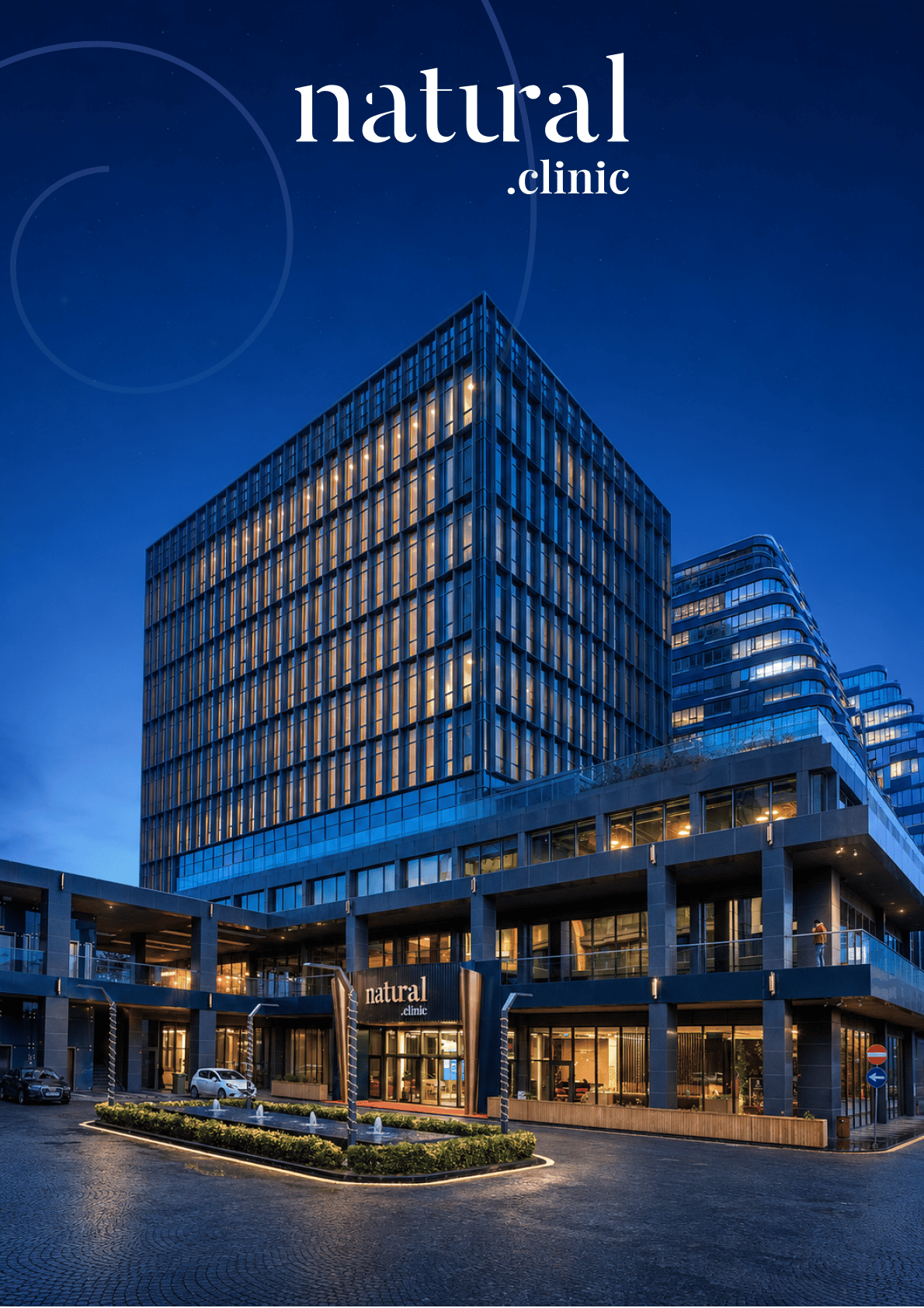
Natural Clinic - Aesthetics, Dental & Hair Clinic in Istanbul
Istanbul, Turkey

International Multispecialty Hospital in Istanbul, Turkey
Istanbul, Turkey

ClinicExpert - Multispecialty Hospital in Istanbul
Istanbul, Turkey

Prof. Cenk Demirdover - Plastic Surgery in Izmir Turkey
Izmir, Turkey

Hospital XP - Plastic Surgery in Istanbul Turkey
Istanbul, Turkey
Wolistic Center - Aesthetic & Wellness Clinic in Istanbul Turkey
Istanbul, Turkey
Videos can show how a facility communicates, but they cannot confirm surgical safety or predict your result. Look for material explaining consultation steps, implant selection, incision placement, anesthesia, recovery and warning signs rather than dramatic transformations alone.
Check whether the surgeon speaking in the video is the person who will operate on you. Patient footage should also be viewed cautiously because lighting, posture, editing and recovery stage can change how results appear.
Watch the videos below as an educational starting point, then verify every medical claim during a direct surgical consultation.


The most useful review is rarely the one that simply says everything was perfect. Look for details about the consultation, implant discussion, hospital experience, pain management, follow-up access and how the team responded when the patient had questions.
Separate comments about hotels and drivers from evidence about clinical care. Results also vary with anatomy, implant choice and healing, so another patient’s outcome cannot guarantee yours. Compare the reviews below for recurring patterns across several patients, especially comments about communication, informed consent and support after discharge.

How much does breast augmentation cost in Turkey?
A reasonable current planning range is approximately US$2,700 to US$5,400. The final cost depends on the implant, surgeon, hospital, anesthesia, tests, accommodation and aftercare. A breast lift or complex correction normally costs more than straightforward augmentation. Request an itemized written quote before comparing offers.
What is normally included in a breast augmentation package in Turkey?
Packages may include the surgeon, implant, anesthesia, operating room, hospital stay, medications, surgical bra, hotel accommodation, transfers and follow-up appointments. Inclusions vary widely. Ask whether blood tests, imaging, extra nights, companion accommodation and treatment of complications are covered.
How can I check whether a clinic in Turkey is authorized?
Confirm the facility’s legal name and check the Turkish Ministry of Health list of providers holding an International Health Tourism Authorization Certificate. Also request its operating licence. The clinic arranging your consultation may not be the same facility where surgery occurs, so verify the actual hospital or surgical centre.
How do I verify a breast augmentation surgeon in Turkey?
Ask for the surgeon’s full name, medical registration details and specialty certificate in Plastic, Reconstructive and Aesthetic Surgery. You can search the Turkish plastic surgery society’s doctor directory as an additional check. Ask how frequently the surgeon performs augmentation and manages revision cases.
How long should I remain in Turkey after breast augmentation?
Many international patients plan roughly seven to fourteen days, but there is no universal safe stay. The correct duration depends on your operation, health, early recovery and flight length. Confirm that your schedule includes an in-person postoperative examination before departure.
When can I fly after breast implant surgery in Turkey?
Your surgeon must clear you to fly. General CDC medical-tourism guidance suggests delaying air travel for about 10 to 14 days after major surgery, particularly chest surgery, to reduce travel-related risks. Longer delays may be advised if you have clotting risks, limited mobility or a complication.
Which implants are used for breast augmentation in Turkey?
Turkish surgeons may offer silicone or saline implants in different shapes, profiles, sizes and surface designs. Availability varies by facility. Ask for the manufacturer, model, surface, warranty, regulatory status and patient information leaflet before agreeing to a specific implant.
Are breast implants permanent?
No. Breast implants are not lifetime devices. Some patients keep them for many years without immediate problems, while others need removal or replacement because of rupture, capsular contracture, pain, position changes or personal preference. Discuss long-term monitoring and future surgery costs before treatment.
What are the main risks of breast augmentation?
Risks include bleeding, infection, anesthesia complications, changes in sensation, scarring, asymmetry, implant displacement, rupture, persistent pain and capsular contracture, which is tightening of scar tissue around the implant. Further surgery may be required. Rare implant-associated cancers should also be covered during informed consent.
Can breast augmentation affect breastfeeding?
Some patients can breastfeed after augmentation, but surgery may affect milk production or nipple sensation depending on the incision, implant placement and individual anatomy. Tell the surgeon about future pregnancy plans and ask how the proposed technique could affect breastfeeding.
Can I have a breast lift and implants during the same surgery in Turkey?
Sometimes. An implant adds volume, while a breast lift removes excess skin and raises the breast and nipple position. Patients with noticeable sagging may need both procedures. Combining them can increase surgical complexity, scarring, recovery requirements and cost, so it should follow an individual examination.
What happens if I develop a complication after returning home?
Ask this before paying a deposit. You should receive clear instructions for urgent symptoms, a direct clinical contact, medical records and an implant identification card. Confirm whether remote follow-up is available, who pays for treatment at home and what circumstances would require returning to Turkey.
What warning signs require urgent medical attention after surgery?
Seek urgent medical advice for chest pain, breathing difficulty, sudden leg swelling, heavy bleeding, rapidly increasing breast swelling, severe or worsening pain, fever, spreading redness, wound separation or unusual discharge. Follow the discharge instructions provided by your surgical team.
Start with the surgeon’s full name and specialist title. The doctor should be trained in Plastic, Reconstructive and Aesthetic Surgery, not simply described as a cosmetic doctor.
Request proof of medical registration, specialty training and current professional standing. You can also search the Turkish Society of Plastic, Reconstructive and Aesthetic Surgeons directory, while remembering that society membership supports verification but does not replace licensing.
Compare the surgeons below by qualifications, breast-surgery experience, complication planning and willingness to explain alternatives—not follower counts or procedure volume claims that cannot be checked.
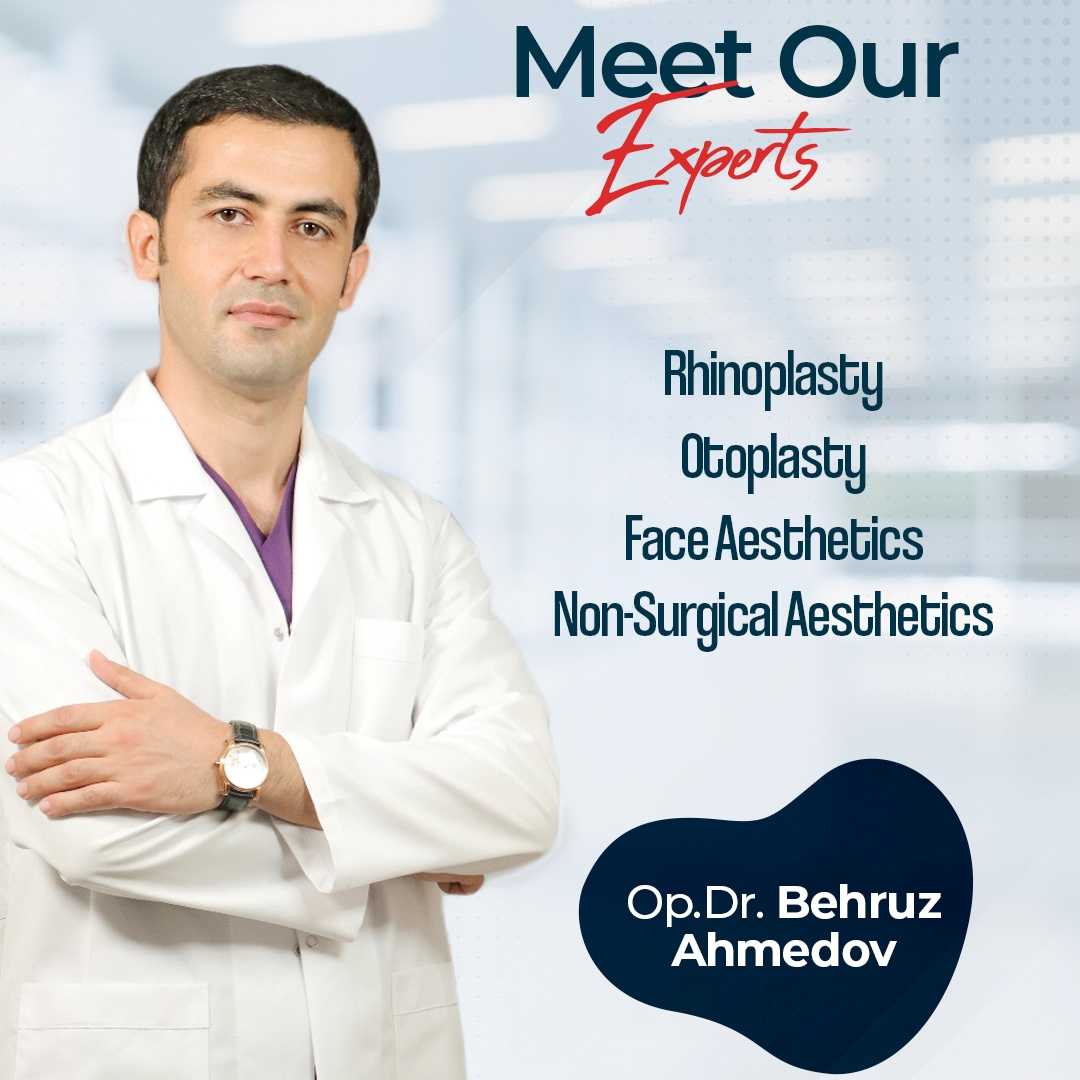
Dr. Behruz Ahmedov
ClinicExpert - Multispecialty Hospital in Istanbul
- Plastic Surgeon
Istanbul, Turkey
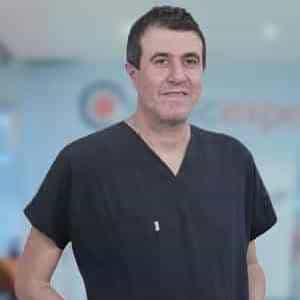

Cenk Demirdover
Prof. Cenk Demirdover - Plastic Surgery in Izmir Turkey
- Plastic Surgeon
Izmir, Turkey


Dr. M. Mustafa AYDINOL
Dr. Mustafa Aydinol Clinic: Premier Plastic & Reconstructive Surgery in Istanbul
- Plastic Surgeon
Istanbul, Turkey

Hair Transplant Doctor in Istanbul
International Multispecialty Hospital in Istanbul, Turkey
- Hair Transplantation
Istanbul, Turkey
Turkey sits between Europe and Asia, making it relatively accessible from several regions. Istanbul receives the widest range of international flights, while Antalya and Izmir can be practical for patients coming from Europe, the United Kingdom, the Middle East and nearby Mediterranean countries. Ankara is another option, although direct international routes may be more limited from some cities.
Patients travelling from the United States, Canada or Australia usually face longer journeys and connecting flights. That makes the recovery schedule especially important. A cheap return flight is not helpful if it leaves before your surgeon is comfortable clearing you to travel.
| Destination | Main air access | May suit patients travelling from | Planning consideration |
|---|---|---|---|
| Istanbul | Istanbul Airport and Sabiha Gökçen Airport | Europe, UK, Middle East, North Africa, North America and Central Asia | Check which airport your transfer covers because the two airports are on different sides of the city. |
| Antalya | Antalya Airport | UK, Europe, Gulf countries and Mediterranean routes | Seasonal flight schedules can change, so confirm your return route before fixing surgery dates. |
| Izmir | Adnan Menderes Airport | European and regional travellers | Ask how far the hospital, hotel and airport are from one another. |
| Ankara | Esenbo?a Airport | Regional, European, Middle Eastern and connecting travellers | Some patients may need a connection through Istanbul. |
Plan the medical trip before booking the sightseeing
- Send an accurate medical history, medication list, smoking status and previous breast imaging before accepting a quote.
- Confirm how many nights you should remain near the surgeon after discharge.
- Travel with an adult companion if the medical team recommends one.
- Arrange flexible flights and accommodation in case your surgeon delays your return.
- Keep the surgeon’s contact information, implant record and discharge summary with you.
- Check visa and passport requirements for your nationality through an official Turkish consular source.
Recent surgery and prolonged sitting can both contribute to blood-clot risk. The CDC advises considering a delay of approximately 10 to 14 days before flying after major surgery, particularly surgery involving the chest. This is general travel-health guidance, not an automatic clearance date. Your surgeon should decide when you can fly based on your procedure, mobility, medical history and recovery.
Do not plan beach activities, swimming, heavy luggage or a packed tourism schedule during early recovery. Turkey may be your destination, but the first part of the trip is still postoperative care.
PlacidWay can help you request information from clinics offering breast augmentation in Turkey and organize the responses so you can compare procedure costs, package inclusions, locations, surgeon profiles and available appointment dates.
Before making a decision, request itemized quotes and verify the surgeon’s qualifications, facility authorization, implant details and follow-up plan. A personal consultation with a qualified plastic surgeon is still necessary to determine whether augmentation is appropriate for you and which technique may suit your anatomy and goals.
This information is intended for general patient education and does not replace medical advice, diagnosis or an individual surgical consultation.
References
- Regulation on International Health Tourism and Tourist Health – Republic of Türkiye Ministry of Health
- Healthcare Providers with International Health Tourism Authorization Certificates – Republic of Türkiye Ministry of Health
- Search Plastic, Reconstructive and Aesthetic Surgeons – Turkish Society of Plastic, Reconstructive and Aesthetic Surgeons
- Things to Consider Before Getting Breast Implants – U.S. Food and Drug Administration
- Risks and Complications of Breast Implants – U.S. Food and Drug Administration
- Breast Augmentation Recovery – American Society of Plastic Surgeons
- Medical Tourism: Travel to Another Country for Medical Care – Centers for Disease Control and Prevention
- Understanding Your Risk for Blood Clots with Travel – Centers for Disease Control and Prevention

















Share this listing