
Why Choose Bangkok for a Boob Job?
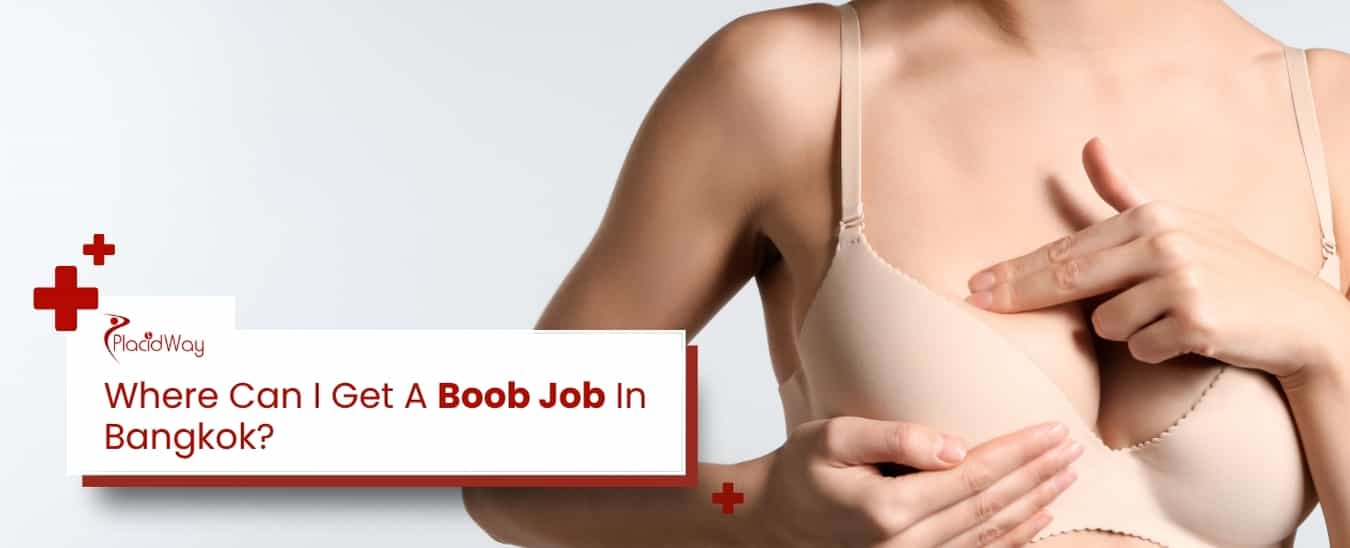
When looking into breast augmentation in Bangkok, patients quickly realize the city is a major global hub for medical care. Thailand's capital offers a wide variety of healthcare facilities that cater specifically to international patients seeking cosmetic procedures. From large, multi-specialty hospitals to boutique plastic surgery clinics, the options are extensive.
Finding the right location involves more than just picking a convenient neighborhood. It requires carefully evaluating medical credentials, understanding what the process entails, and planning for a safe recovery period. Participating in medical tourism in Thailand means you need to be an advocate for your own health, balancing the appeal of traveling abroad with the serious nature of undergoing surgery.
Key Takeaways
- Bangkok offers numerous accredited medical facilities for breast surgery, mostly clustered in central districts.
- Choosing a board-certified surgeon and an internationally accredited facility is critical for your safety.
- Patients must plan to stay in the city for at least 10 to 14 days post-surgery to heal and receive medical clearance to fly.
- Thorough pre-trip planning and arranging local follow-up care at home are essential parts of the medical tourism process.
- Outcomes and risks vary by individual; thorough consultation with a qualified medical professional is required.
How do I choose the right breast augmentation clinic in Bangkok?
Selecting a breast augmentation clinic in Bangkok should be a meticulous process. Because there are so many options, ranging from small storefront clinics to massive international hospital complexes, knowing what to look for can help you filter out unsafe environments. The primary indicator of a facility's commitment to safety and quality is accreditation from recognized bodies, such as the Joint Commission International (JCI).
In addition to the facility itself, you need to research the surgeon who will perform the procedure. Look for membership in recognized professional organizations, such as the Society of Plastic and Reconstructive Surgeons of Thailand (ThPRS) or the International Society of Aesthetic Plastic Surgery (ISAPS). These memberships indicate that the surgeon has undergone rigorous training and adheres to a strict code of ethics.
Finally, ask to see a portfolio of the surgeon's before-and-after photos for patients with body types similar to yours. A transparent clinic will be happy to discuss not just their successes, but also their complication rates and how they handle medical emergencies if they arise.
What is the average boob job cost in Bangkok?
While often more affordable than in Western countries, the boob job cost in Bangkok is not a single flat rate. It depends heavily on several factors, primarily the type and brand of implants you choose. Premium FDA-approved silicone cohesive gel implants usually cost more than standard saline implants. Additionally, the surgeon's experience level and the prestige of the medical facility will influence the final price.
When reviewing quotes from clinics, pay close attention to what is included. A comprehensive surgical package should cover the surgeon's fee, anesthesiologist fees, operating room charges, the implants themselves, and immediate post-operative garments or medications.
Keep in mind that your total budget must also account for travel expenses. Flights, hotels for a two-week stay, local transportation, and daily living costs will add to your overall expenditure. It is wise to have an emergency fund available in case you need to extend your stay for medical reasons.
What types of breast implants are available in Bangkok?
Top-tier hospitals in Thailand utilize the same medical-grade implants found in the US, Europe, and Australia. You will generally have a choice between saline and silicone implants. Silicone cohesive gel implants, often referred to as "gummy bear" implants, are highly popular because they hold their shape well and tend to feel more like natural breast tissue.
| Implant Type | Characteristics | Incision Size Needed |
|---|---|---|
| Saline | Filled with sterile salt water after insertion; firmer feel. | Smaller (filled during surgery) |
| Silicone Gel | Pre-filled with silicone gel; closely mimics natural tissue. | Slightly larger |
| Cohesive Gel | Form-stable silicone that retains shape even if the shell breaks. | Largest (pre-filled and firm) |
Your surgeon will help you decide between round and teardrop (anatomical) shapes, as well as smooth versus textured shells. Note that certain textured implants have been linked to a rare condition called Breast Implant-Associated Anaplastic Large Cell Lymphoma (BIA-ALCL), so it is important to discuss the safety profile of specific implant brands with your doctor.
How long should I plan to stay in Bangkok for recovery?
Recovery timelines vary from patient to patient, but medical professionals strongly advise against flying immediately after surgery. The change in cabin pressure and prolonged immobility during a long flight increase the risk of deep vein thrombosis (DVT) and pulmonary embolism.
During your stay in Bangkok, you will have several follow-up appointments. Your surgeon will monitor the healing of your incisions, manage your pain, and eventually remove any drains or sutures if they were used. This observation period is vital for catching any early signs of infection or complications like hematoma.
Your time in the city post-surgery should be treated strictly as a recovery period. You will need to avoid heavy lifting, raising your arms high, and strenuous physical activity. Most patients spend this time resting in their hotel room.
What credentials should a plastic surgeon in Thailand have?
In Thailand, any licensed doctor can legally perform cosmetic procedures, which makes checking specific credentials incredibly important. You want a surgeon who has completed dedicated residency training in plastic surgery, not just a general practitioner who took a short course.
Look for the following credentials when evaluating a doctor:
- Active registration with the Thai Medical Council.
- Board Certification in Plastic Surgery from the Thai Board of Plastic and Reconstructive Surgery.
- Membership in the Society of Plastic and Reconstructive Surgeons of Thailand (ThPRS).
- International memberships, such as ISAPS or the American Society of Plastic Surgeons (ASPS) International division.
- Privileges to operate at major accredited international hospitals.
What are the risks of getting breast augmentation abroad?
All surgeries carry inherent risks, regardless of where they are performed. Breast augmentation complications can include capsular contracture (scar tissue squeezing the implant), implant rupture or deflation, changes in nipple or breast sensation, and the need for future revision surgeries.
When you add travel into the mix, specific medical tourism risks arise. The stress of travel can impact your immune system and healing. Furthermore, sitting on long flights post-surgery drastically increases the risk of blood clots. It is imperative that you follow your surgeon's timeline for when it is safe to board a plane.
Another major consideration is continuity of care. If a complication arises after you return home—such as a delayed infection—you need to know where to go. Some local doctors may be hesitant to treat complications from surgeries performed abroad, so establishing a local care plan before you leave is highly recommended.
Can I combine my surgery with a Thai vacation?
Many people are drawn to the idea of recovering on a tropical beach, but the reality of post-operative recovery is quite different. After breast augmentation, you will be wearing a surgical bra, dealing with swelling and discomfort, and taking pain medication. Your mobility will be restricted, making carrying luggage or exploring cities difficult and unsafe.
Furthermore, you cannot swim in pools, oceans, or hot tubs while your incisions are healing due to a high risk of severe bacterial infection. Sun exposure to healing scars can also cause permanent hyperpigmentation.
If you want to experience the food, temples, and beaches of Thailand, plan to arrive a week or two early. Once the surgery takes place, your focus must shift entirely to healing in a clean, quiet, and air-conditioned environment near your medical facility.
What happens during the initial consultation in Bangkok?
Even if you have had remote video consultations beforehand, the in-person meeting in Bangkok is crucial. The surgeon will take physical measurements of your chest wall and existing breast tissue to ensure the implant size you desire is anatomically safe and achievable.
You will discuss implant placement options: either subglandular (over the muscle) or submuscular (under the pectoral muscle). The surgeon will also go over the incision site, which is typically inframammary (under the breast fold), periareolar (around the nipple), or transaxillary (in the armpit).
Before confirming the surgery, the hospital will conduct blood tests, an EKG, and potentially a mammogram or chest X-ray to confirm you are healthy enough to undergo general anesthesia.
How do I manage follow-up care after returning home?
Continuity of care is one of the most vital aspects of medical tourism. Before you leave Bangkok, ensure the hospital provides you with all your medical records in English. This should include detailed surgical notes, anesthesia records, and the official "passport" for your breast implants, which contains the serial and lot numbers.
Once home, you should schedule a check-up with your local doctor. You need to be aware of the signs of infection—such as excessive redness, swelling, fever, or unusual discharge from the incision—and seek immediate local medical attention if they occur. Do not wait to try and contact your surgeon in Thailand if you are experiencing an acute medical issue at home.
Why Choose PlacidWay for Medical Tourism in Thailand?
Navigating international healthcare options can be overwhelming. PlacidWay acts as an informational resource to help patients research and connect with medical providers globally. When considering a procedure abroad, PlacidWay offers several useful tools:
- Extensive Directory: Access a broad list of international hospitals and specialized clinics located throughout Bangkok and greater Thailand.
- Facility Profiles: Review detailed, transparent profiles that list clinic accreditations, facility amenities, and available medical technologies.
- Surgeon Credentials: Access information regarding the educational background, board certifications, and professional memberships of various international doctors.
- Pre-Consultation Facilitation: Utilize tools to request quotes, ask questions, and set up initial remote consultations with clinics before deciding to travel.
- Educational Resources: Read comprehensive guides about procedures, estimated cost ranges, and general advice for managing healthcare abroad.
Frequently Asked Questions
How long does a breast augmentation procedure take in Bangkok?
The surgery typically takes one to two hours to complete, depending on the complexity of the procedure and the surgical technique used. You will generally spend additional time in the recovery room as the anesthesia wears off.
Do Bangkok clinics use FDA-approved implants?
Many international hospitals and reputable clinics in Bangkok use breast implants that are approved by the U.S. FDA, as well as the Thai FDA. You should always ask your surgeon for the specific brand and certification of the implants being used.
Will language be a barrier at a breast augmentation clinic in Bangkok?
In major medical centers catering to international patients, language is rarely a barrier. Most surgeons and medical staff speak fluent English, and many facilities employ dedicated medical translators for other languages.
Is it safe to fly back home after breast surgery?
Flying too soon after surgery can increase the risk of deep vein thrombosis (DVT) and affect healing due to cabin pressure changes. Surgeons usually require patients to wait at least 10 to 14 days and receive medical clearance before flying.
Do I need a medical visa for breast surgery in Thailand?
Many patients travel on a standard tourist visa or visa exemption, which usually allows a stay long enough for surgery and recovery. However, if your treatment plan requires a longer stay, you may need to apply for a specific medical visa.
Can I get financing for a boob job in Bangkok?
While Thai clinics generally do not offer direct in-house financing to international patients, some patients use third-party medical loans or credit cards from their home country to fund their procedure abroad.
Are silicone or saline implants more popular in Thailand?
Silicone cohesive gel implants are generally more popular in Thailand and globally due to their natural feel and shape retention. However, saline implants are still available if that is your preference or medical requirement.
What is the minimum age for breast augmentation in Bangkok?
Reputable clinics require patients to be at least 18 years old for saline implants and 22 years old for silicone implants, aligning with international medical guidelines to ensure full physical development.
How soon can I swim in the ocean or pool after surgery?
You must avoid submerging your incisions in pools, hot tubs, or the ocean for at least four to six weeks, or until your surgeon confirms the wounds are fully closed. This is crucial to prevent serious infections.
Do Bangkok hospitals provide medical records in English?
Yes, facilities that regularly treat international patients typically provide all discharge summaries, surgical notes, and implant passport details in English so you can share them with your local doctor.
Compare Treatment Options in Bangkok
Explore accredited clinics, review surgeon credentials, and request information to help you make an informed decision about your healthcare journey.
Request Treatment InformationReferences
- Risks and Complications of Breast Implants – U.S. Food and Drug Administration (FDA)
- Medical Tourism Guidelines and Travel Safety – Centers for Disease Control and Prevention (CDC)
- Breast Augmentation Safety and Risks – American Society of Plastic Surgeons (ASPS)
- Patient Safety and Choosing a Surgeon – International Society of Aesthetic Plastic Surgery (ISAPS)
- JCI-Accredited Organizations in Thailand – Joint Commission International (JCI)
- Medical Professional Licensing and Verification – The Medical Council of Thailand




















Share this listing