


Is it safe to get a boob job in Gangnam?
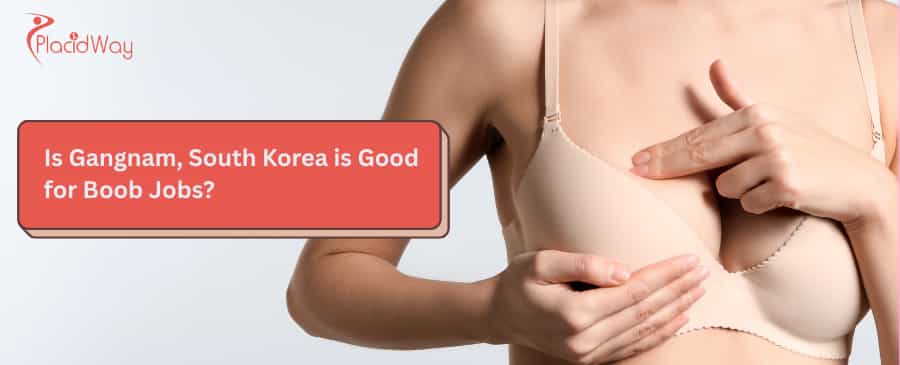
Gangnam, a bustling district in Seoul, has established a widespread reputation as a major hub for aesthetic enhancement. Patients traveling for breast augmentation in South Korea often do so seeking experienced surgeons, modern technology, and comprehensive patient care. If you are considering traveling abroad for this major surgery, it is essential to look past the marketing and carefully evaluate the medical realities, costs, and safety protocols.
Understanding what to expect—from the initial consultation to the crucial post-operative recovery phase—can help you make an informed choice. This guide explores the details of getting a breast enhancement in Seoul, covering everything from estimated costs and implant options to the important risks you need to consider before booking a flight.
Key Takeaways
- Gangnam is highly regarded for its dense concentration of specialized, board-certified plastic surgeons.
- Prices generally range between $5,000 and $10,000 USD, though complex cases can cost more.
- Patients should plan to stay in Seoul for at least 7 to 14 days to recover safely before flying.
- Like all major surgeries, breast enhancement carries risks, including capsular contracture and infection.
- Choosing a fully accredited facility with an in-house anesthesiologist is critical for patient safety.
1. Why is Gangnam well-known for breast enhancement surgeries?
The Gangnam district has cultivated a unique medical environment. Aesthetic surgery is highly normalized in South Korea, leading to a fiercely competitive medical market. Because of this competition, clinics often invest heavily in modern diagnostic equipment, such as 3D imaging technologies, which allow surgeons to map out chest anatomy and simulate potential outcomes during the consultation phase.
Furthermore, plastic surgeons in this area often undergo rigorous training. The pathway to becoming a board-certified plastic surgeon in South Korea is extensive, requiring years of specialized residency. This high level of education often translates to a deep understanding of surgical techniques, particularly in adapting implant placements to suit narrower or asymmetrical chest frames often seen in diverse patient demographics.
2. What is the typical breast augmentation cost in South Korea?
While South Korea is not always the cheapest destination for medical travel, it is often favored for providing a strong balance between price and medical quality. The breast augmentation cost in South Korea is usually comprehensive in reputable facilities, often bundling the surgical fees, anesthesia, pre-operative tests, and post-operative care garments into one package.
Cost variations usually depend on the materials used. Premium, highly cohesive silicone gel implants (often referred to colloquially as "gummy bear" implants) tend to sit at the higher end of the pricing spectrum. Additionally, if you require a breast lift alongside the augmentation, the overall surgical time increases, which will raise the final cost.
| Cost Factor | Description |
|---|---|
| Implant Brand | Brands like Motiva or Mentor often carry different pricing tiers based on their manufacturing technologies. |
| Surgical Technique | Complex placements (like dual-plane) or adding fat grafting can increase the fee. |
| Anesthesia Services | Fees for a dedicated, board-certified anesthesiologist present for the duration of the surgery. |
3. What implant options are commonly offered in Korean clinics?
Silicone implants are the standard of care in South Korea due to their natural feel and ability to hold their shape over time. During your consultation, your surgeon will likely discuss the differences between smooth and micro-textured implants. The choice of implant surface is an important medical decision, as it can influence the risk of certain complications, such as capsular contracture or implant shifting.
Modern clinics focus on highly individualized sizing. Rather than choosing an arbitrary cup size, surgeons measure the base width of your natural breast, the elasticity of your skin, and the amount of existing breast tissue to recommend an implant volume (measured in cubic centimeters, or CCs) that your body can safely accommodate.
4. How safe is breast augmentation in South Korea?
South Korea boasts a well-regulated medical system, and clinics catering to international patients must often meet specific government criteria. However, patient safety is never automatic. A crucial factor in ensuring a safe procedure is verifying that the clinic employs a board-certified anesthesiologist. Anesthesia management is just as important as the surgical technique itself, particularly for a procedure lasting one to two hours.
5. What are the common risks and complications of breast augmentation?
No surgical procedure is without risk, and it is vital to have realistic expectations. One of the most common long-term complications is capsular contracture. This occurs when the body's immune system forms a tight ring of scar tissue around the implant, which can cause the breast to feel hard, look distorted, or become painful. If this happens, revision surgery may be necessary to remove the scar tissue or replace the implant.
Other risks include hematoma (blood pooling beneath the skin), seroma (fluid accumulation), and asymmetrical healing. Additionally, patients should be aware that breast implants are not lifetime devices. You will likely need additional surgeries in your lifetime to remove or replace them due to natural aging, changes in your body weight, or device wear and tear.
6. What should I expect during the consultation and surgical process?
Before proceeding, your surgeon will require a thorough medical history to ensure you are a suitable candidate. You will be asked about any previous surgeries, medications, allergies, and family history of breast disease. Many clinics also require pre-operative blood tests, an electrocardiogram (ECG), and sometimes a breast ultrasound or mammogram to ensure there are no underlying health issues.
During the surgery, the surgeon will create an incision—typically in the crease under the breast (inframammary), around the areola (periareolar), or in the armpit (transaxillary). The implant is then inserted either behind the breast tissue (subglandular) or partially/fully beneath the chest muscle (submuscular/dual-plane). The choice of incision and placement will be decided during your consultation based on your anatomy and lifestyle.
7. How long should I stay in South Korea for recovery?
The first few days post-surgery are often the most uncomfortable. You can expect swelling, bruising, and a sensation of tightness across your chest. Your surgeon will prescribe pain medication and antibiotics to manage discomfort and mitigate infection risks. If surgical drains were used to prevent fluid buildup, they are typically removed within the first 3 to 5 days.
Staying in the country for at least a week allows your medical team to monitor your initial healing, check the incision sites, and remove stitches if non-dissolvable sutures were used. Flying too soon after surgery can increase the risk of deep vein thrombosis (DVT) and may worsen swelling due to cabin pressure changes, so following your surgeon's clearance timeline is essential.
8. How do I choose a reputable breast augmentation clinic in South Korea?
Research is your most powerful tool. When looking for a breast augmentation clinic in South Korea, do not rely solely on social media before-and-after photos, as these can be misleading or digitally altered. Instead, verify the surgeon's credentials. A legitimate specialist will be registered with the appropriate medical boards.
Furthermore, consider how the clinic handles communication. If you do not speak Korean, ensure the clinic provides a fluent medical translator who can accurately convey complex medical terminology. You must fully understand the consent forms, the surgical plan, and the post-operative instructions before agreeing to the procedure.
9. What makes medical tourism in South Korea appealing for this procedure?
The infrastructure supporting medical tourism in South Korea is well-developed. Many clinics in Gangnam have dedicated international departments that assist patients with navigating the medical process from afar. This often includes virtual consultations before arrival, which helps patients gauge whether they are suitable candidates and understand estimated costs before committing to the trip.
Additionally, post-operative care in South Korea is often very thorough. Many clinics offer specialized aftercare treatments, such as LED light therapy to reduce swelling or ultrasound massages to help soften the breast tissue as it heals. While these therapies do not replace proper surgical technique, many patients find them beneficial for comfort during the early stages of recovery.
Why Choose PlacidWay for Medical Tourism in South Korea?
Navigating healthcare systems in a foreign country requires careful research and access to accurate information. PlacidWay serves as a medical tourism resource to help patients explore their options globally. Here are five factual ways PlacidWay assists patients:
- Provider Information: PlacidWay provides access to a database of international clinics, outlining their facility details and available treatments.
- Cost Comparisons: The platform allows users to review estimated pricing structures from various healthcare facilities to help with financial planning.
- Surgeon Profiles: Patients can review the educational backgrounds, credentials, and board certifications of medical professionals listed on the platform.
- Direct Communication: PlacidWay facilitates initial contact between the patient and the clinic's international department to streamline the consultation process.
- Educational Resources: The platform offers articles and guides detailing procedure information, recovery expectations, and general medical tourism considerations.
Frequently Asked Questions (FAQs)
Does breast augmentation require general anesthesia?
Yes, breast augmentation is a major surgery that typically requires general anesthesia. In some specific cases, twilight sedation (intravenous sedation) with local anesthesia may be used, depending on the surgeon’s recommendation and the patient's medical profile.
Can I combine a breast lift with augmentation in South Korea?
Yes. Many patients who experience breast sagging (ptosis) due to weight loss, pregnancy, or aging may be candidates for a combined breast lift (mastopexy) and augmentation to address both volume and position.
Are Korean breast augmentation clinics English-friendly?
Many clinics in Gangnam that cater to international patients employ in-house medical translators or English-speaking coordinators to assist with consultations, surgical consent, and post-operative care instructions.
How long do breast implants typically last?
Breast implants are not considered lifetime devices. While many can last 10 to 15 years or longer without issues, they may eventually need to be replaced or removed due to complications like rupture or capsular contracture.
Will getting breast implants in Seoul affect breastfeeding?
Many women successfully breastfeed after augmentation. However, incisions made around the areola (periareolar) carry a higher risk of interfering with milk ducts or nerves compared to incisions made in the breast crease.
What is a dual-plane implant placement?
Dual-plane placement is a surgical technique where the upper portion of the implant is placed beneath the chest muscle, while the lower portion sits behind the breast gland. This method often yields a more natural slope and reduces the visibility of implant edges.
How soon after surgery can I shower?
Surgeons typically allow patients to take a brief shower 48 to 72 hours after surgery, provided surgical dressings are removed or waterproofed. Specific instructions will vary based on whether surgical drains were used.
Is it safe to fly shortly after breast surgery in South Korea?
Flying too soon can increase the risk of deep vein thrombosis (DVT) and exacerbate swelling. Most surgeons recommend waiting at least 7 to 10 days before taking a long-haul flight back home.
Will I need to wear a special bra after the procedure?
Yes, patients are usually required to wear a specialized surgical compression bra for several weeks. This helps minimize swelling, supports the healing tissues, and keeps the implants in the correct position.
Can I undergo other procedures at the same time?
Some patients choose to combine breast augmentation with other cosmetic procedures, such as liposuction or facial surgeries. Your surgeon will determine if combining surgeries is safe based on your overall health and the total required anesthesia time.
Ready to Explore Your Options?
Gather the information you need to make an informed medical decision. Compare reputable clinics, review surgeon credentials, and request treatment details today.
Request Treatment InformationReferences
- Breast Augmentation Overview – American Society of Plastic Surgeons (ASPS)
- Aesthetic Procedures: Breast Augmentation – International Society of Aesthetic Plastic Surgery (ISAPS)
- Risks and Complications of Breast Implants – U.S. Food and Drug Administration (FDA)
- Air Travel and Deep Vein Thrombosis – Centers for Disease Control and Prevention (CDC)
- Breast Augmentation: Why it's done and what to expect – Mayo Clinic
- Medical Tourism Guidelines – Centers for Disease Control and Prevention (CDC)


.png)

.png)

.png)
.png)
.jpg)
.jpg)
.jpg)








Share this listing