


Understanding Stem Cell Treatment for Liver Cirrhosis in Mexico
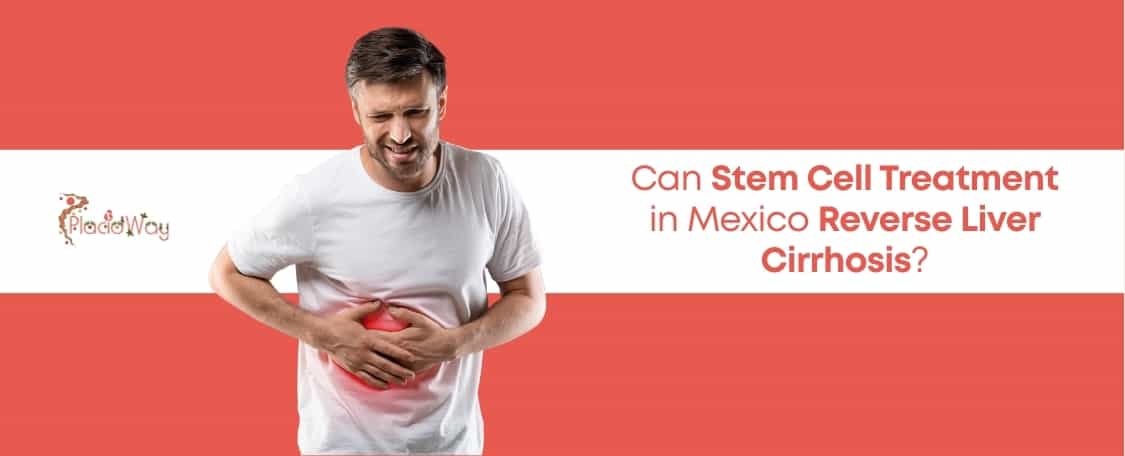
Liver cirrhosis is a serious condition where healthy liver tissue is replaced by scar tissue, leading to irreversible liver damage and impaired function. For many years, treatment options have been limited, primarily focusing on managing symptoms and preventing further damage, with a liver transplant being the only definitive cure for end-stage disease.
However, the emerging field of regenerative medicine, particularly stem cell therapy, is offering new hope for individuals seeking alternatives. Mexico has become a notable destination for medical tourism, including advanced stem cell treatments, attracting patients from around the globe.
Many are asking whether these innovative therapies can truly reverse the damage caused by liver cirrhosis. While the term "reversal" can be complex in medical contexts, especially for chronic conditions like cirrhosis, ongoing research and clinical applications suggest that stem cell treatments in Mexico can significantly improve liver health, reduce inflammation, and promote regeneration, offering a new pathway for patients grappling with this challenging condition.
Can stem cell treatment truly reverse liver cirrhosis?
While complete reversal of severe, long-standing liver cirrhosis remains a significant challenge, stem cell therapy offers a unique approach that goes beyond traditional symptomatic management. The goal is not always a full return to a perfectly healthy liver, but rather a significant improvement in liver function and a reduction in the symptoms and complications associated with cirrhosis.
Stem cells work by targeting the underlying mechanisms of liver damage, promoting repair, and modulating the immune response. This innovative approach can lead to a noticeable improvement in patients' quality of life, a decrease in the severity of symptoms such as fatigue and jaundice, and an overall enhancement of the liver's ability to perform its vital functions.
For many, this translates to delaying or even preventing the need for a liver transplant, which is a major benefit given the scarcity of donor organs and the risks associated with major surgery. It represents a shift from simply managing the disease to actively promoting healing and regeneration within the liver.
What types of stem cells are used for liver cirrhosis treatment?
Mesenchymal Stem Cells (MSCs) are the most frequently utilized type of stem cell in regenerative therapies for liver cirrhosis. These cells are multipotent, meaning they can differentiate into various cell types, including some liver cells. More importantly, MSCs possess powerful immunomodulatory and anti-inflammatory properties, which are crucial for addressing the chronic inflammation and scarring characteristic of cirrhosis.
- Umbilical Cord-Derived MSCs (UC-MSCs): These are often preferred because they are young, robust, and readily available from screened donors. They have a high proliferative capacity and low immunogenicity, meaning they are less likely to cause an immune reaction in the recipient.
- Adipose-Derived MSCs (AD-MSCs): These cells are harvested from a patient's own fat tissue through a minimally invasive liposuction procedure. Being autologous (from the patient's own body), they eliminate the risk of immune rejection.
- Bone Marrow-Derived MSCs (BM-MSCs): These are also autologous and have been extensively studied for various regenerative purposes. They are obtained through a bone marrow aspiration procedure. Each source has its own advantages, and the choice often depends on the individual patient's condition, the clinic's protocols, and the type of treatment offered.
How does stem cell therapy for liver cirrhosis work?
When stem cells are administered, typically intravenously or directly into the liver, they migrate to areas of inflammation and damage. Once there, they exert their therapeutic effects through several key mechanisms:
- Anti-inflammatory Action: Stem cells release various molecules that reduce inflammation in the liver, which is a primary driver of cirrhosis progression.
- Immunomodulation: They help to balance the immune system, preventing it from attacking healthy liver cells and reducing the autoimmune component often seen in some forms of cirrhosis.
- Paracrine Effects: Stem cells secrete a wide array of growth factors, cytokines, and exosomes. These bioactive molecules stimulate the repair of damaged liver cells, promote the growth of new blood vessels, and encourage the existing liver cells to regenerate.
- Anti-fibrotic Effects: They can inhibit the activity of stellate cells, which are responsible for producing the collagen that forms scar tissue in the liver. By doing so, stem cells can slow down or even reduce the progression of fibrosis.
- Differentiation (less common as primary mechanism): While stem cells can differentiate into liver-like cells in laboratory settings, their primary therapeutic effect in vivo is believed to be through the paracrine and immunomodulatory mechanisms rather than extensive direct differentiation. This multi-faceted approach helps to improve the liver's microenvironment, allowing it to heal and function more effectively.
What are the benefits of stem cell treatment for liver cirrhosis?
Patients undergoing stem cell therapy for liver cirrhosis often experience a range of positive outcomes that can significantly improve their health and well-being. These benefits extend beyond just laboratory markers and often translate into tangible improvements in daily life. Key benefits include:
- Improved Liver Function Tests: Many patients show a reduction in elevated liver enzymes (ALT, AST) and bilirubin levels, indicating improved detoxification and metabolic functions of the liver.
- Reduced Inflammation and Fibrosis: Imaging studies or biopsies in some cases have shown a decrease in the inflammatory markers and the extent of scar tissue within the liver, suggesting a halt or slowdown in disease progression.
- Enhanced Quality of Life: Patients frequently report increased energy levels, reduced fatigue, better appetite, and a decrease in symptoms such as itching (pruritus) and abdominal discomfort.
- Delay or Avoidance of Transplant: By improving the liver's health, stem cell therapy can potentially extend the time before a transplant is needed, or in some cases, make a transplant unnecessary.
- Reduced Complications: Improvements in liver function can lead to a reduction in common cirrhosis complications like ascites (fluid buildup in the abdomen) and hepatic encephalopathy. It's important to note that individual results can vary depending on the severity of the cirrhosis, the patient's overall health, and the specific stem cell protocol used.
What are the potential risks and side effects of stem cell therapy for liver cirrhosis?
While stem cell therapy is generally considered safe, especially with autologous (patient's own) cells, no medical procedure is entirely without risk. Reputable clinics in Mexico adhere to strict safety protocols to minimize potential complications. Common, usually mild, side effects might include:
- Injection Site Reactions: Pain, redness, or bruising at the site where stem cells are administered.
- Temporary Flu-like Symptoms: Some patients may experience a low-grade fever, chills, or fatigue for a day or two after treatment. More serious risks, though rare, could involve:
- Infection: As with any procedure involving injections, there is a minimal risk of infection. Clinics use sterile techniques to prevent this.
- Immune Reaction: If allogeneic (donor) cells are used, there's a slight risk of an immune response, although MSCs are known for their low immunogenicity. Thorough donor screening and cell processing reduce this risk significantly.
- Tumor Formation: This is a theoretical concern with certain types of pluripotent stem cells, but it is not typically associated with the adult mesenchymal stem cells used for liver cirrhosis. Patients should always have a thorough discussion with their medical team about potential risks and benefits based on their individual health profile.
Is stem cell treatment for liver cirrhosis legal in Mexico?
Mexico has established a regulatory framework that allows for the legal administration of stem cell therapies, particularly for conditions like liver cirrhosis. This has positioned Mexico as a leading destination for regenerative medicine, often offering treatments that are not yet widely available or approved in other countries due to differing regulatory landscapes.
The Mexican health authority, COFEPRIS (Comisión Federal para la Protección contra Riesgos Sanitarios), oversees and regulates medical facilities and procedures, including those involving stem cells. However, it is crucial for patients to verify that any clinic they consider is fully licensed and accredited.
Choosing a reputable clinic ensures that the treatment is administered by qualified medical professionals, using ethically sourced and properly processed stem cells, and following established safety protocols. Patients should ask for documentation of licensing and accreditations to confirm the clinic's legitimacy and commitment to patient safety and quality care.
What is the cost of stem cell treatment for liver cirrhosis in Mexico?
The cost of stem cell therapy in Mexico for liver cirrhosis can vary significantly, making it essential for prospective patients to obtain detailed quotes from clinics. Several factors influence the total price:
- Clinic Reputation and Location: Renowned clinics in popular medical tourism cities might have higher costs.
- Type and Source of Stem Cells: Whether autologous (patient's own) or allogeneic (donor) cells are used, and their source (umbilical cord, adipose, bone marrow) can affect pricing.
- Number of Cells and Doses: The quantity of stem cells administered and the number of treatment sessions required will impact the overall cost.
- Inclusion of Ancillary Therapies: Some clinics offer comprehensive packages that include supportive therapies, consultations, follow-ups, and sometimes even accommodation or transportation.
- Severity of Cirrhosis: More advanced cases might require more intensive or prolonged treatment, influencing the cost. Patients should clarify what is included in the quoted price to avoid unexpected expenses. It is often significantly more affordable than similar experimental treatments in countries like the United States, which is a major draw for medical tourists.
How do I choose a clinic for stem cell treatment in Mexico?
Selecting the right clinic is paramount for safety and efficacy when considering stem cell treatment in Mexico. A thorough due diligence process is highly recommended:
- Licensing and Accreditation: Ensure the clinic is officially licensed by COFEPRIS and, ideally, holds international accreditations such as JCI (Joint Commission International) or similar certifications.
- Physician Credentials: Verify that the doctors administering the treatment are board-certified, specialized in regenerative medicine or hepatology, and have extensive experience with stem cell therapies for liver conditions.
- Stem Cell Sourcing and Processing: Inquire about the origin of the stem cells (autologous vs. allogeneic) and the laboratory standards for processing and culturing them. Reputable clinics will use certified labs (e.g., ISO-certified) that follow Good Manufacturing Practices (GMP).
- Treatment Protocols: Understand the specific protocol proposed for your condition, including the type and number of stem cells, administration methods, and the number of treatment sessions. It should be tailored to your individual needs.
- Safety and Follow-up: Ask about the clinic's safety record, adverse event reporting, and post-treatment follow-up plan. A good clinic will offer comprehensive support before, during, and after your treatment.
- Patient Testimonials and Reviews: Seek out independent patient reviews and testimonials, but also be aware that individual results vary.
What is the typical recovery time after stem cell treatment for liver cirrhosis?
The nature of stem cell treatment for liver cirrhosis typically involves intravenous infusions or localized injections, which are minimally invasive procedures. Therefore, the immediate physical recovery is quite short.
- Immediate Post-Treatment: Most patients can resume light activities within a day or two. Some might experience mild fatigue or flu-like symptoms for a short period, which usually resolve on their own. Clinics often recommend a few days of rest and avoiding strenuous activities.
- Therapeutic Effects: The real "recovery" in terms of liver regeneration and functional improvement is a gradual process. Stem cells need time to exert their anti-inflammatory, immunomodulatory, and regenerative effects. Patients often begin to notice improvements in symptoms and laboratory markers over several weeks to months.
- Monitoring and Follow-up: Regular follow-up appointments with your local physician, including blood tests and imaging, are crucial to monitor progress. The full extent of the benefits may become apparent over a period of 3 to 6 months, and sometimes even longer. It's important to maintain a healthy lifestyle, including diet and exercise, as recommended by your doctors, to support the regenerative process.
What success rates are reported for stem cell treatment in Mexico for liver cirrhosis?
Success rates for stem cell treatment for liver cirrhosis are often presented by clinics based on their own clinical experience and patient outcomes. It's important to approach these figures with a clear understanding that "success" can be defined in various ways, ranging from improved lab markers to enhanced quality of life. Typically, reported success indicators include:
- Improved Liver Function Tests: A significant percentage of patients show a measurable improvement in ALT, AST, bilirubin, and albumin levels.
- Reduced MELD or Child-Pugh Scores: These scores, which assess the severity of liver disease, often show a favorable trend, indicating stabilization or improvement in liver health.
- Symptom Alleviation: A large number of patients report a reduction in symptoms such as fatigue, ascites, and jaundice, leading to an overall better quality of life.
- Slowed Disease Progression: The treatment is often successful in halting or slowing down the further scarring (fibrosis) of the liver. While some patients may experience partial regeneration of liver tissue, particularly those with less advanced cirrhosis, complete "reversal" where the liver returns to a perfectly healthy state, especially in severe cases, is rare.
Many clinics in Mexico, and studies globally, indicate that a significant majority of treated patients (often cited in the range of 60-80%) experience some level of positive response or improvement. Prospective patients should discuss realistic expectations with their chosen clinic.
What post-treatment care is recommended after stem cell therapy for liver cirrhosis?
Effective post-treatment care is vital to maximize the benefits of stem cell therapy and support the ongoing regenerative processes in the liver. While the stem cells do their work, the patient's lifestyle choices play a significant role in long-term outcomes. Key recommendations typically include:
- Regular Medical Follow-up: Continue seeing your local gastroenterologist or hepatologist for routine check-ups, blood tests (liver function, viral loads if applicable), and imaging studies (ultrasound, MRI) to monitor liver health and track progress.
- Healthy Lifestyle Adherence: Maintain a balanced, nutritious diet low in processed foods, saturated fats, and sugars. Regular, moderate exercise, as approved by your doctor, is also encouraged to support overall health and circulation.
- Avoid Liver Toxins: Strictly avoid alcohol and recreational drugs. Discuss all medications, including over-the-counter drugs and supplements, with your doctor to ensure they are not hepatotoxic (damaging to the liver).
- Hydration: Drink plenty of water to support detoxification processes.
- Stress Management: Practice stress-reducing techniques, as chronic stress can impact overall health.
- Patience: Understand that the regenerative process takes time. Improvements may be gradual, and consistent adherence to post-treatment guidelines is essential. Your chosen clinic in Mexico should provide a detailed post-treatment care plan, which you can then share with your local healthcare providers.
Are there patient testimonials or success stories from Mexico for liver cirrhosis?
Yes, numerous clinics offering stem cell treatment for liver cirrhosis in Mexico prominently feature patient testimonials and success stories on their websites and social media platforms. These stories often provide valuable insights into real-world experiences and outcomes, which can be reassuring for prospective patients. These testimonials typically describe:
- Improvements in Symptoms: Patients often share how their debilitating symptoms, such as chronic fatigue, abdominal swelling (ascites), jaundice, and brain fog (hepatic encephalopathy), have significantly diminished or resolved.
- Better Quality of Life: Many patients report being able to resume activities they enjoyed before their illness, experiencing increased energy levels, and a general improvement in their daily living.
- Positive Medical Reports: Some testimonials include mentions of improved liver function test results, stabilized or reduced MELD scores, and other objective medical data supporting their subjective improvements.
- Positive Experiences with Clinics: Beyond the medical outcomes, patients often praise the professionalism, care, and support received from the medical staff and the overall experience of undergoing treatment in Mexico. While these stories can be very encouraging, it's crucial to remember that individual results vary greatly.
What one patient experiences may not be the same for another, as factors like the stage of cirrhosis, overall health, and specific treatment protocol all play a role. It is always wise to discuss realistic expectations with medical professionals.
Looking for advanced treatment options for liver cirrhosis or exploring medical travel? PlacidWay can connect you with leading international clinics and specialists offering cutting-edge healthcare solutions tailored to your needs.




.png)




-(9).png)



.png)
.png)

-(3).png)









Share this listing