
PRP Platelet Rich Plasma Therapy in the Dominican Republic
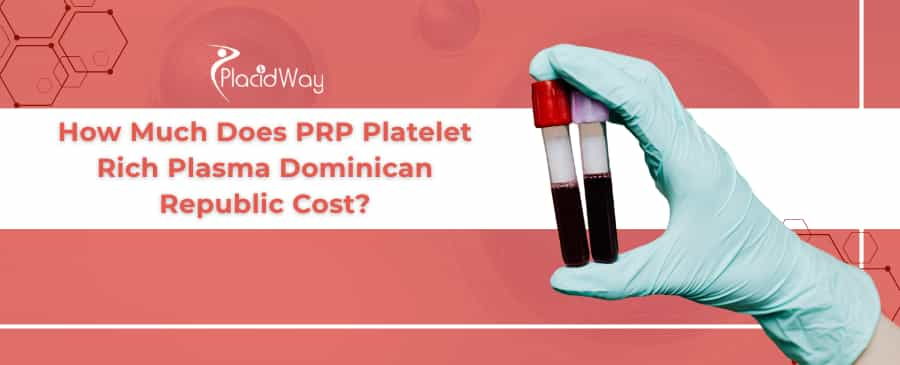
Exploring medical treatments abroad has become increasingly common as patients seek more affordable care without wanting to compromise on standard health practices. Platelet-Rich Plasma (PRP) therapy is one such treatment drawing attention. Used across multiple medical fields—from addressing joint pain to treating hair loss—PRP offers a minimally invasive approach using the body's own natural resources.
If you are considering this procedure in the Caribbean, understanding the financial landscape, safety protocols, and what the entire process entails is a vital first step. This guide breaks down the expenses, the procedure itself, and what you need to know before booking a trip.
Key Takeaways
- A single PRP session in the Dominican Republic typically costs between $150 and $400.
- PRP utilizes a concentrated dose of your own platelets, reducing the risk of allergic reactions.
- Most treatment plans require a series of three to six sessions for the best potential outcome.
- Costs vary based on whether the treatment is for orthopedic repair, hair restoration, or skin rejuvenation.
- Patients must factor in travel, accommodation, and potential local follow-up care when calculating total expenses.
What exactly is Platelet-Rich Plasma (PRP) therapy?
Your blood is primarily composed of a liquid called plasma, but it also contains microscopic solid components: red cells, white cells, and platelets. Platelets are best known for their role in clotting blood, but they also contain hundreds of proteins called growth factors, which are vital in the healing of injuries.
PRP is plasma with many more platelets than what is typically found in blood. The concentration of platelets—and, thereby, the concentration of growth factors—can be five to ten times greater than usual. By injecting this concentrated mixture directly into an affected area, the goal is to stimulate and enhance the body's natural tissue repair processes.
Because the treatment uses your own blood (autologous), the risk of experiencing an allergic reaction or rejecting the treatment is exceptionally low. However, individual responses to the therapy vary, and while many patients report significant improvements, it is not a guaranteed cure for any condition.
What factors affect the cost of PRP in the Dominican Republic?
While the baseline price might seem straightforward, several variables determine the final quote you will receive from a medical facility:
- Treatment Purpose: Injecting PRP into a knee joint under ultrasound guidance often costs more than a standard cosmetic facial application due to the required imaging technology and specialized orthopedic expertise.
- Number of Areas Treated: Treating a small patch of thinning hair will cost less than extensive scalp coverage or multiple joints in a single session.
- Clinic Location: Facilities located in popular tourist hubs like Punta Cana or upscale districts in Santo Domingo may have higher overhead costs, which can reflect in their pricing compared to clinics in smaller cities.
- Technology and Kits: The type of centrifuge used and the specific biological kits utilized to separate the blood impact the price. High-end, closed-system kits tend to be safer and yield a higher platelet concentration, but they are more expensive.
- Consultation Fees: Some clinics include the initial medical evaluation in the session price, while others bill it separately.
How does the price of PRP in the Dominican Republic compare to the US?
In the United States and Canada, the cost of a single PRP session can range anywhere from $500 to over $2,000, depending heavily on the provider and the city. Because PRP is frequently considered an elective or experimental procedure by insurance companies, patients in North America almost always pay these high fees entirely out of pocket.
In contrast, the same treatment in the Dominican Republic generally costs between $150 and $400. This price difference is not inherently a reflection of lower medical standards. Instead, it is primarily driven by the lower cost of living, reduced facility overhead, differences in medical liability insurance rates, and favorable currency exchange rates for those spending US dollars or Euros.
| Treatment Type | Est. Cost in US/Canada | Est. Cost in Dominican Republic |
|---|---|---|
| Orthopedic PRP (Joints) | $700 - $2,000+ | $200 - $400 |
| Cosmetic PRP (Facial) | $600 - $1,200 | $150 - $350 |
| Hair Restoration PRP | $800 - $1,500 | $150 - $350 |
Note: The prices above are rough estimates per single session and vary by individual clinic and patient needs.
What conditions are commonly treated with PRP therapy?
The versatility of growth factors means that specialists across various disciplines utilize PRP. Some of the most common applications include:
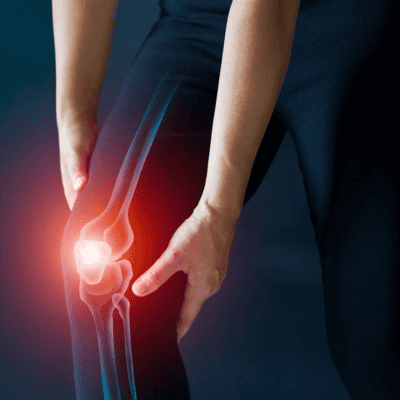
- Orthopedics and Sports Medicine: Doctors frequently use PRP to treat chronic tendon injuries, such as tennis elbow or Achilles tendonitis. It is also increasingly used as a conservative treatment option for mild to moderate knee osteoarthritis to help manage pain and potentially improve joint function.
- Dermatology and Aesthetics: In cosmetic fields, PRP is often referred to as the "vampire facial" when combined with microneedling. It aims to boost collagen production, smooth fine lines, and improve skin texture.
- Hair Restoration: For individuals experiencing androgenetic alopecia (pattern baldness), PRP injections into the scalp may stimulate dormant hair follicles, potentially slowing hair loss and encouraging thicker growth in suitable candidates.
Are there any hidden costs when getting PRP abroad?
Looking only at the clinic's price sheet can be misleading for an international traveler. A $200 PRP session sounds excellent, but the logistics of medical travel add up. You will need to budget for round-trip airfare to the Dominican Republic, hotel stays, and food.
Furthermore, medical hidden costs can arise if you do not ask the right questions beforehand. Does the quoted price include the necessary blood work before the procedure? Are the consultation fee and the local anesthetic cream included in the final bill? Because PRP often requires multiple sessions spaced weeks apart, you must decide whether you will stay in the country for an extended period or make multiple international flights—both of which significantly alter the true cost of your treatment plan.
How many PRP sessions will I need for optimal results?
One of the most important things to understand about PRP is that it is rarely a "one-and-done" procedure. Because the treatment relies on biological healing, the effects take time to build, and repeated stimulation is often necessary.
For orthopedic issues, a patient might receive one to three injections spaced a few weeks apart. For cosmetic applications and hair restoration, providers typically recommend an initial phase of three to four sessions, spaced four to six weeks apart, followed by maintenance sessions every four to six months. When planning your budget and travel schedule, it is vital to discuss the complete, projected treatment timeline with your chosen provider.
Is it safe to travel for PRP therapy in the Dominican Republic?
Because PRP uses your own blood, the primary risks—allergic reaction and disease transmission—are incredibly low compared to using donor materials. However, safety heavily relies on the environment in which the procedure is performed. If blood is handled improperly or if unsterile equipment is used, there is a risk of severe infection.
The Dominican Republic has a growing private healthcare sector that caters to international patients, with many top-tier clinics maintaining hygiene standards on par with North American facilities. Nevertheless, regulatory oversight can vary. It is your responsibility to verify that the clinic follows strict biomedical waste protocols and that the medical staff is properly licensed by the appropriate Dominican health authorities.
What should I expect during a typical PRP procedure?
The entire process usually takes between 45 to 90 minutes and can be completed in an outpatient setting. Here is a typical step-by-step breakdown:
- The Blood Draw: A healthcare professional will draw a small amount of blood from your arm, similar to a routine laboratory test.
- Centrifugation: The vial of blood is placed into a centrifuge machine, which spins at high speeds. This separates the blood into its different components based on density.
- Extraction: The provider extracts the platelet-rich plasma layer, leaving behind the red and white blood cells.
- Injection: After cleaning and potentially numbing the treatment area, the provider injects the PRP. For joint injections, they may use ultrasound guidance to ensure exact placement.
Following the injection, patients may experience mild soreness, swelling, or bruising at the site. These symptoms usually resolve within a few days. Providers often advise against taking anti-inflammatory medications immediately after treatment, as these can disrupt the very healing response the PRP is attempting to trigger.
Who is considered an ideal candidate for PRP treatment?
While PRP is a highly versatile treatment, it is not suitable for everyone. Because the therapy relies on the quality of your own blood, your overall health directly impacts the potential success of the treatment. Individuals with active infections, certain types of cancer, low platelet counts (thrombocytopenia), or bleeding disorders are generally contraindicated for PRP.
Additionally, heavy smokers or those who consume excessive alcohol may have compromised blood quality, which can diminish the effectiveness of the growth factors. Always disclose your full medical history and all medications you take to your provider during the initial consultation to ensure PRP is a safe and logical choice for you.
How do I choose a reputable PRP clinic in the Dominican Republic?
Choosing the right clinic is the most critical decision in your medical tourism journey. Start by researching the qualifications of the medical professional who will actually perform the injections. For hair and skin, look for a board-certified dermatologist; for joints, look for a board-certified orthopedic specialist. Ensure they have specific training and extensive experience with PRP therapies.
During your research phase, do not hesitate to ask clinics directly about the type of centrifuge equipment they use. Closed-system kits, which minimize the blood's exposure to the open air during processing, are the gold standard for reducing contamination risks. Lastly, avoid making decisions based solely on the lowest price point. Extremely cheap offers may indicate the use of subpar equipment, inadequate sterilization, or inexperienced staff.
Why Choose PlacidWay for Medical Tourism in the Dominican Republic?
Navigating international healthcare options can feel overwhelming. PlacidWay serves as a global medical tourism platform designed to help patients research and connect with healthcare facilities worldwide. Here is how PlacidWay can assist you:
- Extensive Provider Directory: Access a broad list of clinics and hospitals in the Dominican Republic offering specialized treatments.
- Direct Communication: The platform facilitates direct contact between you and the medical providers to ask specific clinical questions.
- Facility Information: Easily view details regarding a clinic's medical accreditations, certifications, and facility standards.
- Cost Transparency: Request and compare initial price estimates from multiple facilities to better plan your healthcare budget.
- Multilingual Platform: Explore healthcare options and communicate with international facilities in multiple languages, bridging potential communication gaps.
Frequently Asked Questions
Does PRP therapy hurt?
Most patients report only mild discomfort during PRP injections. Providers often use a topical numbing cream or local anesthetic to make the process more comfortable, especially for sensitive areas like the scalp or face.
How long does it take to see results from PRP?
Results are not immediate, as your body needs time to heal and regenerate tissue. Some patients notice improvements within a few weeks, while optimal results for hair growth or joint pain may take three to six months to fully develop.
Can I fly immediately after a PRP session?
Generally, you can fly after a PRP treatment, but you should discuss this with your provider. If you received injections in a joint, sitting in a cramped airplane seat might cause stiffness. Cosmetic PRP patients may experience facial swelling that pressure changes could temporarily exacerbate.
Is PRP covered by insurance in the Dominican Republic?
For international medical tourists, PRP is almost always an out-of-pocket expense. Even domestically, many insurance plans consider PRP experimental or cosmetic, meaning it is rarely covered by standard health insurance policies.
What are the main side effects of PRP injections?
Because PRP uses your own blood, allergic reactions are highly unlikely. Common, temporary side effects include mild bruising, swelling, redness, and soreness at the injection site. There is a small risk of infection, as with any procedure involving a needle.
How do I prepare for my PRP appointment?
Your provider will likely advise you to stay well-hydrated and avoid anti-inflammatory medications (NSAIDs) like ibuprofen for a week or two before the procedure, as these can interfere with the platelet function necessary for healing.
Can PRP be combined with other treatments?
Yes, PRP is frequently combined with other therapies to potentially enhance results. Dermatologists often pair it with microneedling for facial rejuvenation, while orthopedic specialists might use it alongside physical therapy.
What happens if I do not complete all recommended sessions?
If you do not complete the treatment plan outlined by your provider, you may still see some benefit, but the results will likely be suboptimal or shorter-lived than if you had completed the full series of injections.
Is the Dominican Republic a good destination for cosmetic PRP?
Many patients find it to be a favorable destination due to the availability of modern clinics and experienced specialists, combined with lower treatment costs. However, thorough research and prioritizing medical standards over vacation appeal remain essential.
How long do the effects of PRP last?
The longevity of results varies by condition and individual response. Generally, benefits can last anywhere from 12 to 18 months. Many patients opt for annual maintenance sessions to prolong the positive effects.
Compare Treatment Options Today
Take the next step in your healthcare journey. Connect with top clinics in the Dominican Republic and request information to make an educated decision about your PRP treatment.
Request Treatment InformationReferences
- Platelet-Rich Plasma (PRP) for Hair Loss – American Academy of Dermatology (AAD)
- Platelet-Rich Plasma (PRP) – American Academy of Orthopaedic Surgeons (AAOS)
- Health Information for Travelers to Dominican Republic – Centers for Disease Control and Prevention (CDC)
- Platelet-Rich Plasma (PRP) Treatment – Johns Hopkins Medicine
- Blood & Blood Products – U.S. Food and Drug Administration (FDA)
- PRP Injections – Hospital for Special Surgery (HSS)
Disclaimer: The information provided in this article is for educational and informational purposes only and does not constitute medical advice. Treatment outcomes, costs, and recovery times vary by individual. Always consult with a qualified healthcare provider regarding a medical condition or treatment plan before making decisions based on this content.
















Share this listing