
What treatment


20+ Key FAQs on Stem Cell Therapy in Dominican Republic
Questions About Stem Cell Therapy in Dominican Republic? Start Here
Trusted Medical Tourism Platform Since 2007

Can Stem Cell Therapy In The Dominican Republic Treat Rheumatoid Arthritis?
Yes, stem cell therapy in the Dominican Republic is a growing treatment option for Rheumatoid Arthritis, utilizing mesenchymal stem cells to potentially reduce inflammation and modulate the immune system at a lower cost than in the US. Dealing with Rheumatoid Arthritis (RA) can feel like an endless battle against your own body. The stiffness, the joint pain, and the fatigue often persist despite a daily regimen of medications. If you have been searching for alternatives, you have likely stumbled upon regenerative medicine. specifically stem cell therapy in the Dominican Republic. This Caribbean nation has emerged as a leading destination for patients seeking advanced treatments that are either unavailable or prohibitively expensive in their home countries. So, can it actually help? The short answer is that many patients are finding relief through this innovative approach. By leveraging the body's natural repair mechanisms, stem cell therapy aims to do more than just mask pain—it targets the underlying inflammation. The Dominican Republic offers high-quality medical facilities that specialize in these therapies, often using potent mesenchymal stem cells (MSCs). In this guide, we will dive deep into everything you need to know. We will cover the cost of dental implants in Turkey (as a comparison for medical tourism savings), the specific benefits for RA, safety protocols, and what you can realistically expect. We want to help you make an informed decision about your health without the medical jargon, just clear, honest answers. What is stem cell therapy for rheumatoid arthritis? "Stem cell therapy for rheumatoid arthritis involves using mesenchymal stem cells to regulate the immune system, reduce inflammation, and potentially repair damaged joint tissue." Stem cell therapy for rheumatoid arthritis is a form of regenerative medicine designed to address the root cause of the disease: an overactive immune system attacking the joints. Unlike traditional medications that often suppress the entire immune system, stem cells, particularly Mesenchymal Stem Cells (MSCs), have a unique ability to "immunomodulate." This means they can detect an inflammatory environment and release signaling molecules to calm the immune response down, reducing the attack on your cartilage and lining. Beyond just stopping the damage, these cells have the potential to aid in repair. When injected intravenously or directly into the affected joints, they can stimulate the body's own healing processes. They act like general contractors at a construction site, directing other cells to repair damaged tissue and improve blood flow. This dual action—halting inflammation and promoting repair—is what makes this therapy so promising for RA patients. It is important to understand that this is not a "magic pill." While some patients experience dramatic improvements in mobility and pain reduction, the goal is often to induce long-term remission and reduce the dependency on harsh medications like steroids or biologics. The therapy focuses on restoring balance to the body's internal environment. Is stem cell therapy legal in the Dominican Republic? "Yes, stem cell therapy is legal in the Dominican Republic and is regulated by the Ministry of Health, allowing for advanced treatments like expanded stem cell culture." One of the most common concerns is legality. Stem cell therapy is legal in the Dominican Republic. The country has established a regulatory framework overseen by the Ministry of Health (Ministerio de Salud Pública). This allows licensed medical centers to offer regenerative therapies under strict safety and sanitary guidelines. This legal status is one of the main reasons the DR has become a hub for medical tourism. Unlike the United States, where the FDA restricts the "expansion" (growing) of stem cells in a lab for clinical use, the Dominican Republic allows for the culture and expansion of cells. This is a crucial distinction. It means clinics can cultivate a much higher number of cells—often into the millions—giving patients a more potent therapeutic dose than what might be available under stricter US regulations. However, legality doesn't mean a free-for-all. Reputable clinics adhere to international standards, such as those set by the International Society for Stem Cell Research (ISSCR). When researching, you should always verify that the facility is fully licensed by the local authorities to perform these specific cellular therapies. How much does stem cell therapy cost in the Dominican Republic? "The cost of stem cell therapy for rheumatoid arthritis in the Dominican Republic typically ranges from $4,000 to $8,000, offering significant savings compared to US prices." The cost of stem cell therapy in the Dominican Republic is a major factor for international patients. Generally, you can expect to pay between $4,000 and $8,000 for a comprehensive treatment protocol. This price usually includes the consultation, the stem cell harvesting or sourcing, laboratory processing, and the administration of the cells (IV and/or joint injections). Some premium packages for systemic autoimmune conditions might go up to $15,000 if they involve multiple sessions or extremely high cell counts. Comparatively, similar treatments in the United States, if they are even available (often under "clinical trial" labels or using less potent non-expanded cells), can cost upwards of $20,000 to $50,000. In Europe, prices can also be quite high. The lower cost in the DR is due to lower overhead expenses, labor costs, and insurance premiums, not a lack of quality. Below is a general cost comparison to highlight the potential savings: Treatment Type Dominican Republic Cost USA Cost (Approx) Estimated Savings Standard Joint Injection $3,000 - $5,000 $8,000 - $12,000 50% - 60% Systemic IV Therapy (Autoimmune) $5,000 - $9,000 $15,000 - $30,000 60% - 70% Expanded Stem Cell Protocol $7,000 - $12,000 Not FDA Approved N/A What types of stem cells are used for rheumatoid arthritis? "Clinics in the Dominican Republic primarily use Allogeneic Mesenchymal Stem Cells (MSCs) from umbilical cord tissue, known for their high potency and anti-inflammatory properties." For Rheumatoid Arthritis, the most commonly recommended cells in the Dominican Republic are Allogeneic Mesenchymal Stem Cells (MSCs) derived from umbilical cord tissue (specifically Wharton’s Jelly). These cells are harvested from healthy, donated cords after a scheduled C-section birth. They are preferred because they are "young," meaning they replicate faster and release more potent anti-inflammatory signals than older cells found in adult bone marrow or fat. Another option sometimes used is Autologous Stem Cells, which come from your own body (usually bone marrow or adipose fat tissue). While this eliminates any risk of rejection, the downside for RA patients is that their own cells might be "tired" or affected by the disease itself. Older cells may not be as effective at calming the aggressive immune response typical of RA. Umbilical cord tissue cells are "immune-privileged," meaning the patient's immune system generally does not recognize them as foreign, so there is no need for donor matching. This allows clinics to use high-quality, pre-screened cells that are ready for immediate use, ensuring a consistent and high standard of treatment. What is the success rate of stem cell therapy for RA? "While individual results vary, many patients report a 50-70% reduction in pain and inflammation, with improvements often lasting from six months to several years." Measuring the success rate of stem cell therapy for RA can be tricky because "success" means different things to different people. However, clinical data and patient reports suggest that a significant majority—often cited around 70-80%—experience some level of benefit. This usually manifests as a noticeable reduction in joint pain, decreased morning stiffness, and a drop in inflammatory markers (like CRP and ESR) in blood tests. It is crucial to manage expectations. This therapy is rarely a "cure" in the traditional sense. Instead, it is a management tool. Some patients achieve remission where they can lower or stop their other medications, while others may simply find that their "bad days" are less frequent and less severe. The degree of success often depends on the severity of the disease and how much permanent joint damage has already occurred. Long-term studies are still ongoing, but many patients report benefits lasting anywhere from six months to several years. Factors influencing success include the patient's overall health, adherence to post-treatment protocols (like diet and physical therapy), and the quality of the stem cells used. How does stem cell therapy compare to traditional RA treatments? "Unlike traditional DMARDs that suppress the entire immune system, stem cell therapy aims to modulate specific immune responses and repair tissue with fewer systemic side effects." Traditional treatments for RA, such as DMARDs (Methotrexate) and Biologics (Humira, Enbrel), work by forcefully suppressing the immune system to stop it from attacking the joints. While effective, they often come with a laundry list of side effects, including fatigue, nausea, and a compromised ability to fight off infections. They manage the disease but rarely repair the damage already done. Stem cell therapy offers a different approach. It works to "retrain" the immune system rather than just shutting it down. The anti-inflammatory cytokines released by MSCs help switch the immune response from a pro-inflammatory state to an anti-inflammatory one. Furthermore, while drugs cannot rebuild cartilage, stem cells have the potential to regenerate damaged tissues, offering a restorative element that pharmaceuticals lack. However, stem cell therapy is not usually covered by insurance, whereas traditional meds are. This makes it an out-of-pocket investment. Many patients view it as a way to reduce the toxicity burden on their bodies from years of pharmaceutical use. Is the procedure painful? "The procedure is minimally invasive and generally not painful; patients may experience mild discomfort during IV insertion or slight pressure during joint injections." Most patients are pleasantly surprised to find that stem cell therapy is not painful. If you are receiving Umbilical Cord MSCs, the process is very similar to getting a standard IV drip or a routine vitamin infusion. You sit comfortably in a chair while the cells are administered into your bloodstream over the course of an hour or two. There is a tiny pinch when the needle is inserted, but that is usually the extent of it. If your treatment plan includes intra-articular injections (injections directly into the knee, hip, or shoulder), the doctor will typically use a local anesthetic to numb the area first. You might feel some pressure or fullness in the joint as the fluid is injected, but sharp pain is rare. The medical teams in the Dominican Republic are experienced in pain management and prioritize patient comfort. For treatments involving Autologous cells (harvested from your own fat or bone marrow), there is slightly more discomfort due to the liposuction or bone marrow aspiration step. However, this is also done under local anesthesia or mild sedation to ensure you don't feel pain during the harvesting process. What is the recovery time? "Recovery time is minimal; most patients resume normal daily activities within 24 to 48 hours, though strenuous exercise should be avoided for a few weeks." One of the biggest advantages of regenerative medicine is the minimal recovery time. Unlike joint replacement surgery, which requires months of rehab, stem cell therapy is an outpatient procedure. Most patients walk out of the clinic on their own the same day. You might feel a bit tired or "foggy" immediately after the treatment, which is a normal reaction as your body processes the new cells. For the first 24 to 48 hours, doctors usually recommend taking it easy—resting at your hotel, staying hydrated, and avoiding alcohol. If you had joint injections, the area might be slightly sore or swollen for a day or two, but this typically resolves quickly with rest and ice. You are generally free to explore the Dominican Republic's beaches (in a relaxing capacity!) shortly after. However, "recovery" doesn't mean the healing is done. The cells continue to work for weeks and months. Physicians will advise you to avoid heavy lifting or high-impact sports for at least 4 to 6 weeks to give the cells the best chance to settle and begin the repair process without mechanical stress interfering. Are there side effects? "Side effects are generally mild and rare, commonly limited to temporary fatigue, headache, or minor swelling at the injection site." When performed in a regulated, sterile environment, stem cell therapy is considered very safe. The most common side effects are mild and transient. Some patients report a "flu-like" feeling, mild fever, or headache for the first 24 hours. This is actually a sign that the immune system is responding to the cells. Swelling or bruising at the injection site is also possible but minor. Serious complications like infection or rejection are extremely rare, especially with Mesenchymal Stem Cells, which lack the markers that typically trigger an immune attack. Because the cells used in the DR are often screened rigorously for infectious diseases (HIV, Hepatitis, etc.) according to international blood bank standards, the risk of disease transmission is negligible. It is important to note that while the therapy is safe, it is not risk-free. Choosing a high-quality clinic is the single most important factor in avoiding complications. Reputable clinics will always be transparent about potential risks during your consultation. Can stem cells regrow damaged cartilage? "Stem cells have the potential to regenerate cartilage by stimulating chondrocytes, but severe bone-on-bone damage may only see limited structural regrowth." The question of cartilage regrowth is the "holy grail" of arthritis treatment. Stem cells are naturally regenerative; they can differentiate into cartilage cells (chondrocytes) and stimulate the surrounding tissue to repair itself. In early to moderate stages of RA, where there is still some cartilage structure remaining, stem cells can significantly improve the quality and thickness of the tissue. However, if the joint has progressed to "bone-on-bone" friction with severe deformity, stem cells cannot grow a completely new joint from scratch. In these advanced cases, the primary benefit is usually pain relief and inflammation control rather than structural restoration. The "cushion" might improve, but it won't return to the state of a teenager's knee. That said, even without massive cartilage regrowth, the modification of the joint environment—turning off the destructive enzymes that eat away at cartilage—helps preserve what is left, preventing the need for joint replacement surgery for many years. How many treatments are needed? "Most RA patients receive a single comprehensive treatment protocol, though severe cases may require a booster treatment 6 to 12 months later." The number of treatments varies by individual. For many patients with Rheumatoid Arthritis, a single trip to the Dominican Republic for a multi-day protocol is sufficient to see results that last for a year or more. A typical protocol might involve 2 or 3 days of IV infusions to ensure a high saturation of cells in the body. Because RA is a chronic, progressive autoimmune disease, it is not uncommon for patients to return for "maintenance" or booster treatments. Some patients choose to go back annually to keep their inflammation levels in check and maintain their quality of life. The clinic will monitor your progress and help you decide if and when a follow-up is necessary. Unlike steroid injections which can degrade tissue if done too often, stem cell treatments do not harm the joint with repetition. In fact, cumulative treatments can sometimes build upon previous improvements. Why is treatment cheaper in the Dominican Republic? "Lower costs in the Dominican Republic are due to a lower cost of living, reduced operational overhead, and more affordable medical insurance and staffing expenses." A lower price tag often raises eyebrows, leading people to ask, "Is it lower quality?" In the case of the Dominican Republic, the cost difference is economic, not medical. The general cost of living in the DR is significantly lower than in the US or Western Europe. This translates to lower rent for medical facilities, lower salaries for non-medical staff, and cheaper utilities. Additionally, medical malpractice insurance—a massive expense for US doctors that gets passed on to patients—is much more affordable in the DR. Administrative costs are also lower because these clinics typically operate on a direct-pay model, avoiding the massive bureaucracy of the US insurance system. These savings allow clinics to invest in state-of-the-art equipment and highly trained medical staff while still offering the procedure at a fraction of the US price. You are essentially paying for the medical care itself, rather than the inflated administrative overhead found in the American healthcare system. Is it safe to travel to the Dominican Republic for medical care? "Yes, medical tourism in the Dominican Republic is safe, with many clinics located in secure, tourist-friendly zones and offering dedicated patient concierge services." Safety is a valid concern for any traveler. The Dominican Republic is one of the most visited destinations in the Caribbean, welcoming millions of tourists annually. The medical tourism sector is a priority for the government, meaning that clinics catering to international patients are often located in safe, upscale neighborhoods or tourist zones like Punta Cana and specific districts in Santo Domingo. Most reputable clinics offer a concierge service. This means they handle your transportation from the airport to the hotel and the clinic. You are rarely left to navigate the city on your own. This "door-to-door" service ensures a secure and stress-free experience. As with any travel, standard precautions apply—don't flash expensive jewelry and stay in recommended areas. But regarding the medical experience specifically, thousands of patients travel there every year for dental, cosmetic, and stem cell procedures without incident. Who is a good candidate for this therapy? "Good candidates are individuals with a confirmed RA diagnosis who have not found relief with standard medications and do not have active infections or cancer." Not everyone is a perfect fit for stem cell therapy. The best candidates are those who have a confirmed diagnosis of Rheumatoid Arthritis and are looking for alternatives because traditional medications (like steroids or methotrexate) are either not working well enough or causing intolerable side effects. You should be in general good health, aside from the arthritis. Doctors will typically screen you for active infections, a history of cancer (as stem cells promote growth, they are generally avoided in patients with active cancer), and severe bleeding disorders. Age is less of a factor than overall frailty; even older adults can benefit significantly from allogeneic cells. It is also important to have realistic expectations. Patients who understand that this is a therapy to improve quality of life, rather than a guaranteed 100% cure, tend to have the best satisfaction rates. How to choose the right facility in the Dominican Republic? "Choose a facility that is licensed by the Ministry of Health, employs board-certified physicians, and provides transparent protocols and patient testimonials." Selecting the right clinic is the most critical step in your journey. You should look for a facility that is fully licensed by the Dominican Ministry of Health. Do not be afraid to ask for proof of certification. The doctors should be specialists rheumatologists, orthopedists, or regenerative medicine experts—with verifiable credentials. Transparency is key. A good clinic will openly discuss their cell sources (where the cords come from), their viability testing (how many cells are alive), and their safety protocols. If a clinic promises a "miracle cure" or refuses to answer technical questions about the cells, that is a red flag. Reading reviews and watching video testimonials from previous patients can give you insight into the patient experience. Look for stories that sound realistic and balanced. PlacidWay can assist in vetting these clinics, providing you with a curated list of trusted providers. What should I prepare before traveling? "Prepare recent medical records, X-rays, and blood work to send to the clinic beforehand, and ensure your passport is valid for at least six months." Preparation ensures a smooth trip. Before you even book your flight, you will need to send your medical records to the clinic. This typically includes recent blood work (showing inflammation levels like CRP), X-rays or MRIs of the affected joints, and a list of current medications. The medical team needs this to approve you for treatment and customize your protocol. Logistically, ensure your passport is valid for at least six months beyond your travel dates. Pack comfortable clothing—loose-fitting shirts are best for IV access, and shorts are helpful if you are getting knee injections. Bring a copy of your medical records with you, just in case. Finally, plan for a relaxing trip. Stress can increase inflammation, so view this as a medical vacation. Bring a good book, download some movies, and prepare to rest and let the cells do their work. Ready to Explore Pain Relief Options? If you are tired of living with the chronic pain of Rheumatoid Arthritis and want to learn more about affordable, cutting-edge stem cell therapy options, we can help. PlacidWay connects you with top-rated, vetted medical centers in the Dominican Republic and around the world. Get a Free Consultation & Quote...
Read more details

Does Stem Cell Treatment in the Dominican Republic Work for Rotator Cuff Tears
Stem cell treatment in the Dominican Republic may help reduce pain and improve function for partial rotator cuff tears by promoting tissue healing. However, it is not a guaranteed cure and cannot mechanically reconnect fully torn, retracted tendons. A rotator cuff tear can severely impact your quality of life, making simple movements like lifting your arm or reaching for an object intensely painful. When conservative options like rest, physical therapy, and cortisone injections fail to provide sufficient relief, many patients begin exploring regenerative medicine. Over recent years, stem cell treatment in the Dominican Republic has emerged as a popular option for individuals seeking alternative approaches to orthopedic healing. Regenerative therapies utilize the body's natural cellular mechanisms to target inflammation and encourage tissue repair. While orthopedic stem cell therapy holds promise for certain types of shoulder injuries, it is vital to approach it with realistic expectations. The treatment is not a magic solution, and its effectiveness depends heavily on the severity of your tear, your biological age, and your body's individual response to the cells. Key Takeaways Stem cell therapy may benefit partial rotator cuff tears by reducing inflammation and supporting local tissue healing. It is not typically effective as a standalone treatment for full-thickness tears where the tendon has pulled away from the bone. The stem cell treatment cost in the Dominican Republic is generally lower than estimates found in the US or Canada. Patient outcomes vary significantly based on injury severity, age, and adherence to post-procedure physical therapy. Selecting a highly regulated stem cell treatment clinic in the Dominican Republic is essential for minimizing risks and ensuring sterile protocols. How does stem cell therapy target rotator cuff injuries? Stem cells are injected directly into the damaged shoulder tissue, where they may help reduce localized inflammation and release growth factors that encourage the body's natural healing response. When you sustain a rotator cuff tear, the tendons and muscles surrounding the shoulder joint become damaged and inflamed. Tendons naturally have a poor blood supply, which often makes healing slow and difficult. Mesenchymal stem cells (MSCs) are specialized cells that can differentiate into various tissue types, including tendon and cartilage cells. However, their primary role in orthopedic treatments is believed to be immunomodulatory—meaning they help manage the immune response and reduce chronic inflammation. Once injected into the site of the tear, these cells release cytokines and growth factors. These proteins communicate with your body's existing cells, signaling them to repair damaged tissue and potentially create new blood vessels (angiogenesis) to improve blood flow to the injured area. While research is ongoing and outcomes can vary, this biological process is what may help reduce pain and improve range of motion in suitable patients. Who is an ideal candidate for this shoulder treatment? The most appropriate candidates are usually patients with partial rotator cuff tears, persistent tendinopathy, or mild shoulder degeneration who have not found adequate relief from standard physical therapy. Suitability for stem cell therapy requires a thorough evaluation by an orthopedic specialist. The procedure is often considered for individuals who wish to delay or potentially avoid invasive shoulder surgery, provided their specific injury type allows for it. Ideal candidates typically have incomplete tears where the structural integrity of the tendon remains mostly intact, providing a physical scaffold for the cellular treatment to work upon. Conversely, patients may not be eligible if they have active infections, certain autoimmune conditions, active cancer, or severe bleeding disorders. Furthermore, individuals who smoke or take certain anti-inflammatory medications may be advised to stop prior to treatment, as these factors can impair the survival and function of the injected cells. A detailed medical history and recent MRI scans are essential steps in determining candidacy. Can stem cells heal a full-thickness rotator cuff tear? Stem cell therapy alone cannot physically reconnect a fully torn and retracted rotator cuff tendon, as surgical intervention is typically required to mechanically anchor the tissue back to the bone. One of the most important facts to understand about regenerative medicine is its physical limitations. If a tendon has snapped completely in two and pulled away from its attachment point on the humerus (a full-thickness, retracted tear), liquid cell injections cannot bridge the gap or suture the tissue back together. Relying on injections for a severe structural tear will likely lead to delayed appropriate care and prolonged discomfort. However, stem cells are sometimes utilized as an adjunctive treatment alongside traditional surgery. In these instances, a surgeon will mechanically repair the full-thickness tear and then apply stem cells or bone marrow aspirate to the surgical site. The goal of this combined approach is to potentially enhance tissue healing and strengthen the surgical repair, though patients should discuss the specific risks and potential benefits of this combination with their surgeon. What is the average stem cell treatment cost in the Dominican Republic? While pricing depends on the specific protocol and cell source, the stem cell treatment cost in the Dominican Republic for orthopedic applications generally ranges between $3,000 and $8,000 as an estimate. Many patients explore international healthcare options due to the high out-of-pocket expenses associated with regenerative medicine in North America. The lower estimated costs in the Dominican Republic are largely due to differences in standard of living, lower facility overhead, and reduced administrative costs, rather than a necessary decrease in the quality of the biological materials used. The total price you encounter will fluctuate based on several variables. These include whether the cells are harvested from your own body or sourced from a donor, the complexity of laboratory processing required, and whether image-guided technology (such as ultrasound or fluoroscopy) is used to ensure precise needle placement. When requesting quotes, it is important to ask facilities for a transparent breakdown of what is included, such as pre-procedure consultations, the injection itself, and any required follow-up appointments. Where do the stem cells used for shoulder injuries come from? Clinics typically utilize autologous stem cells harvested from your own bone marrow or fat tissue, or allogeneic cells sourced from donated, ethically screened umbilical cord tissue. Understanding the source of the biological material is a vital part of your research. Providers generally use one of three main sources for orthopedic joint treatments, each with distinct characteristics: Bone Marrow Aspirate Concentrate (BMAC): Harvested from the patient's own hip bone using a specialized needle. This liquid is spun in a centrifuge to isolate stem cells and growth factors. It is highly favored in orthopedics because it is your own tissue, minimizing rejection risks. Adipose-Derived Stem Cells: Harvested from a small sample of the patient's belly or thigh fat through a mini-liposuction procedure. Fat tissue contains a high volume of mesenchymal stem cells. Umbilical Cord Tissue (Wharton's Jelly): Allogeneic (donor) cells acquired from healthy, full-term pregnancies after thorough maternal screening. These cells are highly proliferative and do not require the patient to undergo an extraction procedure, though regulatory standards for donor cells vary by country. How safe is the procedure at a stem cell treatment clinic in the Dominican Republic? While using your own cells carries a low risk of rejection, overall safety heavily depends on selecting a highly regulated stem cell treatment clinic in the Dominican Republic that follows strict sterile protocols. No medical procedure is entirely devoid of risk. Potential complications of joint injections include localized bleeding, temporary pain at the injection site, nerve irritation, and, most seriously, joint infection. When considering treatments abroad, the regulatory environment may differ from that of your home country, making your personal due diligence critical. A reputable provider should prioritize patient safety by maintaining cleanroom laboratory standards and utilizing advanced imaging techniques. Blind injections (done without ultrasound or fluoroscopy) carry a higher risk of missing the injured tendon entirely or damaging surrounding nerves. You should always inquire about the facility's international accreditations, the specific training of the administering physician, and their protocol for managing potential adverse reactions. Important Consideration: Ensure any clinic you evaluate clearly explains the risks and does not present the therapy as a "100% risk-free" or "guaranteed" cure. Ethical medical providers will transparently discuss both the benefits and the potential complications. What does the recovery process look like after shoulder injections? Patients often experience mild soreness for a few days, followed by a prescribed period of rest and targeted physical therapy over several weeks to support tissue remodeling. Recovery from an injection is vastly different from surgical recovery, but it still requires patience and strict adherence to medical advice. Immediately following the procedure, an inflammatory response is actually desired, as this is part of the healing mechanism. Therefore, patients are typically advised to avoid anti-inflammatory medications (NSAIDs) like ibuprofen, which can suppress the cellular activity. Physical therapy is a crucial component of the rehabilitation process. Relying solely on the injection without addressing underlying shoulder mechanics often yields poor results. Recovery Phase Estimated Timeline Typical Patient Activity Immediate Post-Op Days 1–3 Resting the shoulder; mild pain and swelling; wearing a sling if directed by the provider. Early Rehabilitation Weeks 1–4 Gentle, passive range-of-motion exercises. Avoiding heavy lifting or overhead reaching. Active Strengthening Months 1–3 Gradual progression to active physical therapy to rebuild rotator cuff strength. Potential Optimal Benefit Months 3–6+ Return to normal activities; assessment of the therapy's long-term effectiveness. Are the results of stem cell therapy for shoulders permanent? Outcomes can last for several years in suitable patients, but stem cell therapy does not stop the natural aging process or prevent future injuries from occurring. Many patients look to stem cells hoping for a permanent fix. If the therapy successfully reduces inflammation and aids in healing a partial tear, the relief can be substantial and long-lasting. However, the longevity of these results relies heavily on how you treat your shoulder moving forward. Factors such as repetitive stress, poor posture, heavy overhead lifting, and natural degenerative aging will continue to impact the joint. If poor shoulder mechanics caused the initial tear, failing to correct those mechanics through physical therapy could lead to a re-injury down the road. Results are highly individualized, and some patients may require periodic booster treatments over time. Why is medical tourism in the Dominican Republic popular for orthopedics? Medical tourism in the Dominican Republic is popular due to its close proximity to North America, competitive healthcare pricing, and availability of modern regenerative medicine therapies. The Caribbean nation has heavily invested in developing a healthcare infrastructure aimed at attracting international patients. For individuals in the US and Canada, short flight times make the travel logistics manageable, particularly when dealing with a painful shoulder condition that makes long-haul travel uncomfortable. Additionally, many established clinics cater specifically to English-speaking patients by offering bilingual staff and streamlined communication. While the opportunity to recover in a tropical climate is appealing, health and safety must always remain the primary focus of your trip. Patients should concentrate their research on the medical credentials of the providers, the source of the biological materials used, and the clinical outcomes, rather than treating the medical journey purely as a vacation. Why Choose PlacidWay for Medical Tourism? PlacidWay serves as a comprehensive platform designed to help patients navigate international healthcare options effectively. Here is how the platform can assist your research: Global Directory Access: PlacidWay provides access to an extensive directory of medical centers and clinics across the Dominican Republic and globally. Direct Provider Communication: The platform facilitates direct messaging between patients and international medical professionals to discuss individual health needs. Credential Visibility: Patients can review facility accreditations, provider training backgrounds, and available technologies before making decisions. Side-by-Side Comparisons: PlacidWay allows users to compare estimated procedural costs and treatment approaches across different geographic regions. Educational Resources: The site offers factual guides and information on international medical regulations to help patients make informed healthcare choices. Frequently Asked Questions (FAQs) How long does the actual stem cell injection procedure take? The injection itself usually takes only a few minutes, but the entire appointment can last between two to four hours. This timeframe accounts for the extraction of your own cells (if utilizing autologous stem cells), laboratory processing, preparation of the injection site, and a brief observation period afterward. Is the stem cell extraction process painful? Local anesthesia is used to numb the extraction site, whether cells are being harvested from your bone marrow (usually the pelvis) or adipose (fat) tissue. While you may feel pressure or a mild pulling sensation during the extraction, severe pain is uncommon. Mild soreness at the harvest site typically resolves within a few days. Do I need an MRI before traveling to the Dominican Republic for shoulder treatment? Yes, having a recent MRI (usually within the last three to six months) is highly recommended. Orthopedic specialists rely on high-resolution imaging to determine the exact size, location, and severity of your rotator cuff tear, which dictates whether stem cell therapy is a medically appropriate option for you. Can I combine stem cell therapy with Platelet-Rich Plasma (PRP)? Many orthopedic providers frequently combine stem cell injections with PRP therapy. Platelet-rich plasma contains high concentrations of growth factors that may help signal the stem cells to activate and multiply, potentially enhancing the overall healing environment within the shoulder joint. Will my health insurance cover stem cell therapy in the Dominican Republic? Stem cell treatments for orthopedic conditions are widely considered investigational by most major regulatory bodies and insurance providers. Therefore, standard health insurance plans generally do not cover the cost of the procedure, whether performed domestically or internationally. Patients should plan to pay out-of-pocket. How soon can I fly home after a shoulder stem cell injection? Most patients are cleared to fly home within 48 to 72 hours following the injection. It is advisable to wait a few days to ensure no immediate complications, such as an infection or severe inflammatory response, occur. Your treating physician will provide specific travel clearance based on your individual recovery. What happens if I develop an infection after returning home? If you experience signs of infection, such as increasing redness, severe pain, swelling, or fever after returning home, you must seek immediate medical attention from a local healthcare provider or emergency room. Delaying treatment for joint infections can lead to severe complications and permanent joint damage. Are there any age limits for receiving stem cells for a rotator cuff tear? There is no strict universal age limit, but outcomes can be influenced by age. Older adults may have fewer robust stem cells if using an autologous (self-derived) source, and their tissues generally heal more slowly. Providers evaluate patients individually based on overall health, bone density, and the severity of the tear rather than age alone. Can stem cells cure shoulder arthritis associated with a rotator cuff tear? Stem cell therapy cannot cure or reverse established osteoarthritis in the shoulder. However, in some suitable patients, the anti-inflammatory properties of the therapy may temporarily help manage pain and improve joint mobility when arthritis is present alongside a minor rotator cuff injury. How many stem cell sessions are usually required for a shoulder injury? Many patients receive a single, targeted stem cell injection as their primary treatment. Depending on the clinical response, the severity of the tear, and the specific protocol of the provider, some patients may undergo a follow-up booster injection or subsequent PRP treatments a few months later. Explore Your Regenerative Treatment Options Evaluate clinics, review estimated costs, and gather the educational resources needed to make an informed decision about orthopedic care abroad. Request Treatment Information References Frequently asked questions about stem cell research - Mayo Clinic FDA Warns About Stem Cell Therapies - U.S. Food and Drug Administration Orthobiologics - American Academy of Orthopaedic Surgeons (AAOS) Medical Tourism Travel Guidelines - Centers for Disease Control and Prevention (CDC) Patient Guide to Stem Cell Treatments - International Society for Stem Cell Research (ISSCR) Efficacy of mesenchymal stem cells in rotator cuff repair (Study) - National Institutes of Health / PubMed Medical Disclaimer: The information provided in this article is for educational and informational purposes only and does not constitute medical advice, diagnosis, or treatment. Stem cell therapy is considered an investigational procedure for orthopedic applications and is not guaranteed to cure rotator cuff tears. Individual eligibility, risks, and potential benefits must be evaluated by a qualified, board-certified healthcare professional. Always consult with a doctor before undergoing any medical treatment or traveling abroad for healthcare services....
Read more details
How Effective is Ligament Repair Stem Cell Dominican Republic for Joint Recovery
Stem cell therapy for ligament repair in the Dominican Republic may help reduce inflammation and promote tissue healing in suitable patients. While not a guaranteed cure, many individuals report improved joint mobility and pain relief over time. Ligament injuries can severely limit your mobility and quality of life. Because ligaments have a naturally poor blood supply, they often heal slowly or incompletely. If you are exploring regenerative medicine to support joint recovery, you might be researching ligament repair stem cell in Dominican Republic. This Caribbean nation has developed a growing medical travel sector, attracting international patients seeking orthopedic therapies. Before pursuing treatment abroad, it is vital to understand how these therapies work, what they can realistically achieve, and the safety considerations involved. This guide explores the efficacy, procedure details, and essential patient information for those considering regenerative joint care. Key Takeaways Stem cell treatments aim to modulate inflammation and may support the biological healing of partial ligament tears. Treatment is typically not suitable for complete, retracted ligament ruptures, which often require surgery. Cost varies based on the type of stem cells used (autologous vs. allogeneic) and the number of joints treated. Medical clearance, accurate diagnosis via MRI, and post-procedure physical therapy are critical for optimal outcomes. Patients traveling abroad must verify clinic standards and plan for local follow-up care upon returning home. How do stem cells help heal torn or damaged ligaments? Stem cells, particularly mesenchymal stem cells (MSCs), release growth factors and cytokines that help reduce chronic inflammation. They may also stimulate the body's native repair cells to form new collagen at the site of the ligament injury. Ligaments are dense bands of connective tissue that connect bones to other bones, providing stability to joints like the knee, ankle, and elbow. Unlike muscles, ligaments have very limited vascularity (blood supply). When a ligament is sprained or partially torn, the lack of blood flow makes natural healing a long and sometimes incomplete process. Regenerative medicine seeks to overcome this biological hurdle. When stem cells are injected directly into or around a damaged ligament, they act as signaling centers. They secrete specialized proteins that instruct the surrounding tissue to reduce localized inflammation, which is often a major source of chronic pain. Furthermore, these cells may help recruit fibroblasts—the cells responsible for producing collagen. By potentially enhancing collagen production, the therapy aims to strengthen the damaged ligament tissue over several months, promoting better joint stability. What types of stem cells are used for joint recovery? Orthopedic treatments typically utilize either autologous stem cells (harvested from your own body) or allogeneic stem cells (donated tissue, such as umbilical cord Wharton's jelly). The source of the stem cells can influence the procedure's cost, complexity, and potential biological effects. Doctors typically discuss these options based on your age, health status, and the extent of the joint injury. Cell Type Source Characteristics Bone Marrow Aspirate (BMAC) Patient's own pelvis (autologous) Requires a minor surgical extraction. High concentration of MSCs and growth factors. Low risk of rejection. Adipose-Derived Patient's own fat tissue (autologous) Extracted via mini-liposuction. Yields a high volume of cells, but requires processing to isolate them. Umbilical Cord Derived Donated umbilical tissue (allogeneic) No extraction needed for the patient. Cells are youthful and robust, but rely on rigorous laboratory screening for safety. Who is an ideal candidate for this regenerative treatment? The best candidates are generally individuals with partial ligament tears, chronic sprains, or early-stage joint instability who have not responded adequately to rest and physical therapy. It is crucial to understand that stem cell therapy is not appropriate for everyone. A thorough evaluation, typically involving an MRI and a physical examination by an orthopedic specialist, is required to determine eligibility. Suitable Conditions: Patients with Grade 1 or Grade 2 ligament sprains (partial tears where the fibers are stretched or slightly torn but still connected) often see the most benefit. Unsuitable Conditions: Grade 3 sprains (complete ruptures where the ligament is split into two separate pieces) rarely benefit from injections alone. Surgery is usually the standard of care to reattach or reconstruct a fully severed ligament. Health Factors: Candidates should be in good general health. Active infections, blood disorders, active cancer, or severe immune system compromise generally contraindicate this procedure. What is the typical recovery time after stem cell joint injections? Initial recovery from the injection takes just a few days, but biological tissue healing is a gradual process. Patients typically begin to notice improvements in pain and joint function between 4 to 12 weeks post-treatment. The healing timeline varies significantly depending on the specific joint treated, the severity of the original injury, and how strictly the patient follows aftercare protocols. Immediately following the procedure, it is normal to experience a temporary increase in joint soreness, stiffness, and mild swelling. This is often the body's initial inflammatory response kicking off the healing cascade. Patients are usually advised to rest the joint and avoid strenuous activities or heavy lifting for several weeks. Important Consideration: Anti-inflammatory medications (NSAIDs) like ibuprofen are typically prohibited for a period before and after the injection, as they can inhibit the inflammatory phase necessary for the stem cells to function effectively. What are the potential risks and side effects of this therapy? While minimally invasive, stem cell injections carry risks such as infection at the injection site, joint stiffness, nerve damage, or simply a failure of the treatment to relieve symptoms. No medical procedure is entirely without risk. Because stem cell therapy involves breaching the skin and entering a joint capsule, infection (septic arthritis) is a rare but severe risk. Strict sterile protocols and image-guided delivery are essential to minimize these hazards. If autologous cells (your own bone marrow or fat) are used, there are additional risks associated with the extraction site, including bleeding, bruising, and prolonged pain. With allogeneic (donor) cells, there is a theoretical risk of disease transmission or immune reaction, which is why rigorous laboratory screening is paramount. Patients must also understand the risk of non-efficacy. There is no guarantee that the treatment will heal the ligament or eliminate pain. Outcomes vary greatly by patient, and some may eventually require surgery despite trying conservative and regenerative approaches. How does the ligament repair stem cell cost in Dominican Republic compare? Patients often find that the estimated cost of stem cell therapies in the Caribbean is lower than in the US or Canada. Prices vary based on the cell source, laboratory processing, and the complexity of the specific joint injection. When evaluating the financial aspect of this procedure, it is important to remember that most domestic insurance providers view stem cell therapy as investigational and do not cover it. As a result, patients are usually paying completely out-of-pocket. The ligament repair stem cell cost in Dominican Republic is influenced by several factors: Cell Sourcing: Allogeneic cells (umbilical cord) typically have a different pricing structure than autologous extractions (bone marrow), due to laboratory processing and storage fees. Guidance Technology: Injections performed using ultrasound or fluoroscopic (X-ray) guidance—which is highly recommended for accuracy—may cost slightly more than blind injections. Adjunct Therapies: Sometimes, stem cells are combined with Platelet-Rich Plasma (PRP) to potentially boost the healing environment, which alters the total estimate. Travel Expenses: Patients must factor in flights, accommodations, ground transportation, and potential companion travel costs. Are stem cell treatments in the Dominican Republic regulated? Medical practices in the Dominican Republic fall under the oversight of the Ministry of Public Health (MISPAS). However, regulatory frameworks for regenerative medicine can differ significantly from those in North America or Europe. In countries like the US, the FDA maintains strict regulations regarding the manipulation and expansion of stem cells. In other nations, the rules may be less restrictive, allowing for treatments—such as expanded umbilical cord cells—that might not be widely available at home. Because enforcement and clinical standards can vary, the responsibility often falls on the patient to perform thorough due diligence. It is essential to ensure that any facility you consider adheres to international standards for tissue handling, sterility, and infection control, regardless of local laws. How many sessions are usually needed for optimal ligament healing? Many ligament repair protocols involve a single, targeted stem cell injection session. However, some patients may require follow-up therapies, such as a subsequent PRP injection, depending on their healing progress. The treatment plan is highly individualized. An isolated, mild ligament sprain might only require one intervention. More complex cases, involving multiple affected ligaments or significant joint degeneration, might be approached in stages. Your treating physician should establish follow-up milestones—usually at 3, 6, and 12 months post-procedure—to assess functional improvement and pain reduction. Because you will likely be back in your home country during this time, coordinating post-procedure imaging or assessments with your local orthopedist is a vital step in your recovery plan. How do I choose a safe ligament repair stem cell clinic in Dominican Republic? Selecting a provider requires careful research. Prioritize facilities that employ board-certified orthopedic specialists and utilize image-guided injection techniques to ensure precise delivery. When evaluating a ligament repair stem cell clinic in Dominican Republic, look beyond marketing materials. Regenerative medicine should be practiced by qualified specialists who understand joint anatomy deeply, not just general practitioners. Expert Insight: Always ask how the injection is performed. Delivering cells blindly by feel is less accurate than using ultrasound or fluoroscopy. Precise placement is crucial for treating small, specific ligament bands. Request the credentials of the treating physician and verify their specialty training in orthopedics or sports medicine. Ask about the source of their stem cells and what independent testing is done for cell viability and safety. Ensure the clinic is transparent about the fact that outcomes vary and does not make guaranteed promises of a "cure." Inquire about their protocols for managing potential complications and what support they offer once you return home. What should I know about medical tourism in Dominican Republic for regenerative medicine? Traveling abroad for medical care requires logistical planning and health considerations. Patients must account for travel-related joint stiffness and ensure they have clearance to fly after an injection. The proximity of the Caribbean to North America makes medical tourism in Dominican Republic an accessible option for many patients. Major cities like Santo Domingo and Punta Cana have modern healthcare infrastructure tailored to international visitors. However, combining a medical procedure with a vacation requires caution. After a joint injection, you will need rest, not strenuous sightseeing. Prolonged sitting on airplanes can also increase joint stiffness and the risk of deep vein thrombosis (DVT). Discuss your travel itinerary with both your local physician and the overseas provider to determine the safest window for air travel post-procedure. Why Choose PlacidWay for Medical Tourism? Navigating the landscape of international healthcare can be complex. PlacidWay is a medical tourism platform designed to help patients explore global healthcare options by providing access to information and resources. Global Network: PlacidWay provides a directory of medical centers and clinics across numerous countries, allowing patients to review international options. Informational Hub: The platform offers educational content regarding various procedures, helping patients understand treatments before making decisions. Provider Profiles: Patients can access facility profiles that list available services, physician qualifications, and facility accreditations. Direct Connections: PlacidWay facilitates direct communication between patients and international clinics to ask questions and request preliminary cost estimates. Multilingual Platform: Resources are available to assist patients from different regions in overcoming language barriers when researching global care. Frequently Asked Questions Can stem cells completely heal a fully torn ACL? Stem cell therapy is generally not considered an effective standalone treatment for a fully retracted, complete ligament tear (such as a Grade 3 ACL tear). Complete tears often require surgical reconstruction, though stem cells are sometimes used as an adjunct during surgery to potentially aid post-operative healing. How soon can I fly home after the procedure? Many patients are cleared to fly home within 48 to 72 hours after a joint injection. However, flying can increase the risk of blood clots and joint stiffness. You should consult your treating physician for specific clearance based on the joint treated and your individual medical history. Is stem cell therapy painful? Patients often experience mild to moderate discomfort during the extraction (if using your own cells) and the injection process. Local anesthesia is typically used to minimize pain. Post-injection soreness and swelling are common for a few days. Do I need physical therapy after the injections? Yes, physical therapy is almost always recommended after a short period of rest. A structured rehabilitation program helps restore strength and mobility to the joint, which is a crucial component of the overall recovery process. Will my insurance cover stem cell therapy in the Dominican Republic? Most health insurance providers classify stem cell therapy for orthopedic conditions as experimental or investigational and do not cover the cost. Additionally, treatments received abroad are rarely covered by standard domestic insurance plans. Can I combine stem cell therapy with PRP (Platelet-Rich Plasma)? Yes, many regenerative medicine protocols combine stem cell injections with Platelet-Rich Plasma (PRP). The growth factors in PRP are thought to potentially enhance the activity and survival of the injected stem cells, though results vary by patient. How long do the results of stem cell ligament repair last? The longevity of results varies widely depending on the severity of the initial injury, the patient's age, activity level, and compliance with physical therapy. Some patients report relief lasting several years, while others may require additional interventions sooner. What joints can be treated with stem cell therapy? Stem cell therapy is commonly explored for ligaments in the knee (ACL, MCL), ankle, shoulder (rotator cuff, though technically tendons, the approach is similar), and elbow. Eligibility depends on an individualized assessment of the specific joint damage. Are umbilical cord stem cells used in the Dominican Republic? Yes, some clinics in the Dominican Republic offer treatments using allogeneic umbilical cord-derived mesenchymal stem cells. It is critical to ensure these products are sourced from regulated, ethically managed tissue banks that screen thoroughly for communicable diseases. What happens if I experience swelling after returning home? Mild swelling is a normal part of the initial inflammatory healing response. However, if swelling is severe, prolonged, accompanied by a fever, or extreme pain, you should immediately consult a local healthcare professional to rule out infection or other complications. Explore Your Joint Recovery Options Connect with clinics globally to gather information, compare treatment estimates, and see if regenerative medicine aligns with your orthopedic health goals. Request Treatment Information References Stem Cell Therapy for Ligament Injuries - National Institutes of Health (NIH) Stem Cells: What They Are and What They Do - Mayo Clinic Orthobiologics and Regenerative Medicine - American Academy of Orthopaedic Surgeons (AAOS) Travel Health Information: Dominican Republic - Centers for Disease Control and Prevention (CDC) Medical Tourism and Patient Safety - World Health Organization (WHO) Consumer Updates: Stem Cell Therapies - U.S. Food and Drug Administration (FDA) Medical Disclaimer: The information provided in this article is for educational and informational purposes only and does not constitute medical advice, diagnosis, or treatment recommendations. Regenerative medicine, including stem cell therapy, is a rapidly evolving field, and outcomes vary significantly based on individual patient health, injury severity, and adherence to aftercare. Not all patients are candidates for stem cell therapy, and it is not a substitute for professional orthopedic evaluation or, when indicated, surgical intervention. Always consult with a licensed, qualified healthcare professional regarding any medical condition and before undertaking any treatment or traveling abroad for medical care....
Read more detailsDiscover your treatment options with a free, no-obligation quote!
Get your quote now!
Can Stem Cell Therapy Help with Musculoskeletal Pain in the Dominican Republic
Yes, stem cell therapy may help manage musculoskeletal pain by potentially reducing inflammation and supporting tissue repair. Many patients travel to the Dominican Republic to access these regenerative treatments for conditions like osteoarthritis. Living with chronic joint and muscle discomfort can significantly impact daily activities and overall well-being. For those seeking alternatives to joint replacement surgery or long-term pain medication, exploring stem cell therapy for musculoskeletal pain in the Dominican Republic has become an increasingly popular option. This tropical destination offers a combination of accessible medical care and modern regenerative techniques. While this therapeutic approach is not a universal cure and outcomes vary from person to person, many individuals report improvements in joint mobility and pain reduction. By understanding how these procedures work, who might be a suitable candidate, and what safety considerations exist, you can make a more informed choice about managing your orthopedic health abroad. Key Takeaways Regenerative treatments aim to reduce inflammation and may help alleviate chronic joint pain. Therapies are commonly considered for osteoarthritis, tendonitis, and mild to moderate joint injuries. Costs in the Caribbean are often lower than in North America, though they remain an out-of-pocket expense. Patient outcomes vary widely, and severe bone-on-bone arthritis typically requires surgical intervention instead. Comprehensive medical evaluation by a qualified orthopedic specialist is necessary before traveling. How does stem cell therapy address joint and muscle pain Stem cell therapy aims to reduce localized inflammation and promote cellular repair in damaged tissues, which can often help alleviate ongoing joint and muscle discomfort over time. When injected into an injured joint or inflamed tendon, mesenchymal stem cells interact with the surrounding tissue environment. They release various proteins and growth factors that help modulate the immune system and calm chronic inflammation. This biological response is primarily responsible for the pain relief many patients experience. Furthermore, these cells have the potential to support the natural healing processes of cartilage, ligaments, and tendons. While they do not usually regrow entirely new cartilage to replace what has been lost, they can improve the health of existing tissue and improve joint function, making daily movements much easier to manage. What types of musculoskeletal conditions are treated in the Dominican Republic Physicians typically utilize regenerative treatments for degenerative conditions like osteoarthritis, as well as soft tissue injuries including tendon strains and ligament tears affecting major joints. Orthopedic specialists managing regenerative medicine programs frequently evaluate patients for the following musculoskeletal issues: Mild to moderate osteoarthritis in the knees, hips, or shoulders Rotator cuff injuries and chronic shoulder tendinopathy Tennis elbow and other localized repetitive strain injuries Plantar fasciitis and Achilles tendon issues Chronic back pain related to degenerative disc disease It is highly beneficial to have an accurate diagnosis from your local physician prior to seeking treatment abroad, as not all musculoskeletal pain stems from conditions that respond well to orthobiologics. What is the estimated stem cell therapy cost in the Dominican Republic The stem cell therapy cost in the Dominican Republic generally ranges from $4,000 to $8,000, depending heavily on the specific joint being treated and the cellular materials utilized. Pricing for regenerative medicine fluctuates based on multiple clinical factors. If the procedure requires extracting cells from your own bone marrow or fat tissue, the cost may differ from protocols that use ethically sourced donor umbilical cord tissue. Additionally, treating multiple joints during the same visit will increase the total expense. Treatment Variable Estimated Range (USD) Single Joint Injection (e.g., Knee) $4,000 - $6,000 Multiple Joints or Complex Delivery $6,000 - $8,000+ Note: The prices listed above are estimates only and do not include travel, accommodation, or pre-procedure diagnostic imaging. Prices vary by medical facility and individualized treatment plans. Where do the stem cells used for orthopedic treatments come from Medical providers typically source mesenchymal stem cells either directly from your own bone marrow or adipose tissue, or they utilize safely screened donor tissue derived from umbilical cords. When cells are taken from your own body, the process is known as an autologous treatment. A physician will numb a small area, usually the hip bone or the abdomen, to extract marrow or fat. This sample is then spun in a centrifuge to concentrate the healing cells before they are reinjected into the painful joint. This method minimizes any risk of tissue rejection since the biological material is your own. Alternatively, allogeneic treatments use cells donated from healthy, full-term pregnancies after rigorous laboratory screening for infectious diseases. Many international facilities prefer these umbilical cord-derived cells because they are highly potent and spare the patient the discomfort of the extraction process. Are stem cell treatments for pain safe and regulated in the Dominican Republic The Dominican Ministry of Public Health oversees medical facilities, and while treatments can be safe when performed correctly, risks such as infection or unexpected adverse reactions always exist. No medical procedure is free from risk. Potential complications of joint injections include localized bleeding, temporary swelling, nerve irritation, or joint infection. Choosing a well-regulated facility that adheres to strict sterilization and handling protocols is vital for patient safety. Important Consideration Regenerative therapies are still heavily studied, and international regulatory frameworks differ from those in the United States or the European Union. You must discuss potential risks with an independent healthcare professional before deciding to undergo treatment abroad. Who is a suitable candidate for regenerative therapy for joint pain Ideal candidates are adults with chronic joint discomfort or mild arthritis who have not achieved adequate relief from conservative treatments such as physical therapy or anti-inflammatory medications. Suitability heavily depends on your specific diagnosis and medical history. Patients who maintain a healthy lifestyle and are motivated to participate in post-injection physical therapy often experience better functional outcomes. A thorough medical evaluation, usually involving X-rays or MRI scans, is required to confirm eligibility. Conversely, individuals with severe, end-stage bone-on-bone arthritis are generally poor candidates, as there is insufficient cartilage remaining for the therapy to interact with. Furthermore, those with active systemic infections, certain blood disorders, or active cancers are typically contraindicated for regenerative therapies. What should patients expect during the procedure and recovery The procedure is usually performed as a straightforward outpatient injection, allowing patients to rest locally for a few days before traveling home, though strenuous activities must be avoided. On the day of the procedure, the targeted joint is cleaned and numbed. The physician may use ultrasound guidance to ensure the cells are delivered precisely to the damaged area. The actual injection takes only a few minutes. If a cell extraction is required from your own body, the entire appointment will take a few hours. Post-procedure recovery focuses on protecting the joint. You will likely experience mild to moderate soreness or stiffness at the injection site for a few days. Doctors routinely advise against high-impact sports, heavy lifting, or intense exercise for at least four to six weeks to give the biological materials time to integrate and begin the healing process. Following up with a physical therapist in your home country is highly recommended. How long does it take to notice improvements in musculoskeletal pain While some individuals notice reduced inflammation within a few weeks, meaningful functional improvements and significant pain relief usually take three to six months to fully manifest. Cellular healing is a gradual biological process. Unlike corticosteroid injections that may provide immediate but temporary numbing of pain, orthobiologics take time to alter the joint environment. During the first month, the cells are working to suppress inflammation. By the second and third months, tissue remodeling occurs. Patients often report a gradual increase in their range of motion and a decrease in daily stiffness. Because outcomes vary, some patients might see exceptional results, while others may experience only moderate or limited benefits depending on the underlying severity of their condition. How do I choose a reliable stem cell therapy clinic in the Dominican Republic You must carefully research any stem cell therapy clinic in the Dominican Republic by verifying the credentials of the orthopedic specialists and insisting on clear safety protocols. Choosing the right facility is crucial for your health and safety. When evaluating medical centers abroad, consider prioritizing the following steps: Verify that the treating physicians hold board certifications in orthopedics, sports medicine, or a relevant medical specialty. Ask about the source of the biological materials and the laboratory standards used for cell processing. Request transparent pricing estimates in writing prior to booking travel. Ensure the facility utilizes image guidance (like ultrasound or fluoroscopy) for precise joint injections. Ask detailed questions about their post-procedure follow-up care and complication management plans. Why is medical tourism in the Dominican Republic popular for regenerative medicine Medical tourism in the Dominican Republic appeals to North American patients due to its proximity, access to modern clinical facilities, and availability of specialized orthopedic therapies. The geographic proximity of the Dominican Republic to the United States and Canada means shorter, more manageable flights, which is a major benefit for individuals already struggling with joint pain. Major cities like Santo Domingo and Punta Cana have developed robust medical infrastructures specifically catering to international visitors. Furthermore, many clinics in the region employ bilingual medical staff who understand the specific needs and expectations of medical tourists. The combination of focused medical care and a pleasant climate for initial recovery continues to drive interest in this Caribbean destination. Why Choose PlacidWay for Your Medical Journey Navigating international healthcare options can feel overwhelming. PlacidWay exists to help patients gather information about global medical facilities so they can make educated decisions regarding their care. Extensive Provider Network: Access profiles for multiple medical centers offering regenerative medicine across the Caribbean and globally. Detailed Facility Information: Review factual data regarding hospital accreditations, facility amenities, and available treatments. Cost Transparency: Obtain initial pricing estimates directly from healthcare providers to help you budget accordingly. Physician Credentials: Read through documented educational backgrounds and specializations of attending doctors. Direct Communication: Utilize a platform that connects you directly with international medical teams to ask specific clinical questions. Frequently Asked Questions Is stem cell therapy for joint pain painful? Patients typically experience mild discomfort during the injection process. Local anesthesia is often used to numb the area, but some soreness at the injection site is common for a few days following the procedure. Can I fly home immediately after receiving stem cell injections in the DR? Medical professionals usually advise waiting at least 48 to 72 hours before flying. This brief waiting period allows your clinical team to monitor for any immediate adverse reactions and helps reduce the risk of travel-related complications. Will my health insurance cover stem cell therapy in the Dominican Republic? Most standard health insurance plans in the United States and Canada do not cover regenerative medicine treatments performed abroad, as these therapies are often classified as experimental or elective. Are the results of stem cell therapy for arthritis permanent? Results are not permanent. While some individuals experience relief for several years, degenerative joint conditions continue to progress over time, and repeat treatments may eventually be necessary. Do I need an MRI before traveling for orthopedic stem cell treatment? Yes, physicians generally require recent MRI scans or X-rays to properly evaluate the extent of tissue damage and determine if you are a suitable candidate for the procedure before you travel. Can multiple joints be treated during the same trip? It is often possible to treat more than one joint, such as both knees or a shoulder and a hip, during the same visit. This depends entirely on your overall health and the medical assessment provided by your attending physician. Are there age restrictions for getting stem cell therapy in the DR? While there is no strict upper age limit, older adults with severe bone-on-bone arthritis or multiple underlying health conditions may not be eligible. Eligibility is based on individual health status rather than age alone. How many injections are usually required for knee pain? Many protocols involve a single targeted injection session per affected joint. However, some physicians may recommend a secondary booster treatment a few months later depending on how your body responds. What happens if I develop an infection after returning home? If you experience signs of infection such as severe swelling, redness, or fever after returning home, you must seek immediate care from a local healthcare provider or emergency room to prevent serious complications. Which cities in the Dominican Republic are best for medical tourism? Santo Domingo and Punta Cana are the primary hubs for medical travelers. These cities offer major international airports, modern medical infrastructure, and clinics equipped to provide specialized orthopedic and regenerative therapies. Compare Treatment Options Today Explore global healthcare facilities and request detailed information about orthopedic procedures to find the best fit for your medical needs. Request Treatment Information References Orthobiologics – American Academy of Orthopaedic Surgeons (AAOS) Stem cells: What they are and what they do – Mayo Clinic Important Patient Safety Information about Stem Cell Treatments – U.S. Food and Drug Administration (FDA) Stem Cell Therapy for Arthritis – Arthritis Foundation Stem Cell Basics – National Institutes of Health (NIH) Patient Guide to Stem Cell Therapies – International Society for Stem Cell Research (ISSCR) Medical Tourism Safety and Planning – Centers for Disease Control and Prevention (CDC) Medical Disclaimer: The information provided in this article is for educational purposes only and does not constitute professional medical advice, diagnosis, or treatment. Stem cell therapy is an evolving medical field, and its efficacy and safety profile may vary by patient. Always consult with a licensed and qualified healthcare provider regarding your specific medical condition before making decisions about treatment or travel....
Read more details
Can Stem Cell Therapy in the Dominican Republic Reduce Joint Inflammation
Stem cell therapy may help reduce joint inflammation by using cells that release anti-inflammatory proteins. While some patients report decreased pain and improved mobility, results vary. It is an investigational treatment, not a guaranteed cure. Living with chronic joint pain can severely impact your quality of life. For individuals dealing with persistent discomfort who have not found relief through standard medications or physical therapy, exploring alternative treatments often becomes a priority. Recently, stem cell therapy in the Dominican Republic has gained attention among international patients looking for regenerative medicine options. This Caribbean nation has developed a growing healthcare infrastructure that caters to medical travelers seeking innovative therapies. Stem cell therapy is largely an investigational approach for musculoskeletal conditions. Medical professionals utilize these specialized cells to target localized inflammation in joints affected by wear, injury, or degenerative diseases. Before considering cross-border travel for regenerative care, it is vital to understand how the procedure works, what scientific evidence supports it, and what to expect during the treatment process. Key Takeaways Stem cells are primarily used for their potential to modulate the immune system and reduce local joint inflammation. Outcomes vary widely by patient; the treatment is considered investigational and not a definitive cure. Patients frequently seek care abroad due to alternative regulatory frameworks and varying treatment availability. Proper vetting of credentials and facility standards is critical for patient safety. Thorough medical consultation is required to determine if your specific joint condition is suitable for cellular therapy. How do stem cells target joint inflammation? Mesenchymal stem cells are believed to release cytokines and growth factors that modulate the local immune response and can temporarily reduce localized joint inflammation. The human body uses inflammation as a natural response to injury or cartilage breakdown. In chronic conditions like osteoarthritis, this inflammatory response remains active, causing continuous pain, swelling, and further tissue damage. When a physician injects stem cells directly into an inflamed joint, the goal is to alter this biological environment. Research indicates that mesenchymal stem cells (MSCs) possess immunomodulatory properties. Rather than simply turning into new cartilage cells, they act as cellular communicators. They release specialized proteins, known as cytokines, which interact with the immune cells responsible for inflammation. This interaction can help transition the joint space from a pro-inflammatory state to an anti-inflammatory state. While this process can reduce swelling and alleviate pain for some individuals, it is important to maintain realistic expectations. The anti-inflammatory effect can improve mobility and joint function, but it does not completely reverse severe joint degeneration. Patients often find the most success when cellular therapy is combined with physical rehabilitation and lifestyle modifications. What types of joint conditions are treated in the Dominican Republic? Physicians typically offer stem cell injections for conditions involving joint wear and tear including osteoarthritis, tendon injuries, and some inflammatory joint disorders. Doctors specializing in regenerative medicine evaluate a variety of musculoskeletal issues. The most common condition treated using stem cells is osteoarthritis, particularly in weight-bearing joints such as the knees and hips. Osteoarthritis involves the gradual wearing down of protective cartilage, leading to bone-on-bone friction and significant inflammation. Additionally, patients may seek treatment for: Rotator cuff tears and chronic shoulder inflammation. Tennis elbow and golfer's elbow. Plantar fasciitis and ankle joint degeneration. Certain localized autoimmune joint inflammations. Meniscus tears and general sports injuries. Eligibility heavily depends on the structural integrity of the joint. If a joint has completely deteriorated or if bone deformities are present, stem cell therapy is unlikely to provide meaningful relief, and surgical interventions like joint replacement may be necessary. Expert Insight Many rheumatologists and orthopedic specialists emphasize that while cellular therapies show promise in managing pain and inflammation, they should not be viewed as a substitute for necessary structural orthopedic surgery in cases of severe, end-stage arthritis. What types of stem cells are used for joint treatments? Most joint treatments utilize autologous stem cells harvested from a patient's own fat or bone marrow, though some clinics also provide treatments using ethically sourced umbilical cord tissue. The source of the stem cells plays a significant role in how the treatment is administered. Autologous stem cell therapy involves extracting cells from the patient's own body. The most common extraction sites are adipose (fat) tissue, typically taken from the abdomen or flank, and bone marrow, usually drawn from the pelvic bone. Once extracted, the sample is spun in a centrifuge to concentrate the regenerative cells before they are injected into the affected joint. Alternatively, allogeneic stem cell therapy relies on donor tissues. In the context of joint inflammation, clinics may use mesenchymal stem cells derived from donated umbilical cord tissue, Wharton's jelly, or placental tissue. These sources are known for containing robust, youthful cells with strong anti-inflammatory capabilities. Each source has distinct advantages and potential drawbacks. Using your own cells eliminates the risk of tissue rejection, while using donor cord tissue avoids the need for an invasive extraction procedure. A qualified medical provider must review your medical history to determine which approach may be most appropriate for your specific health profile. How much does stem cell therapy cost in the Dominican Republic? Prices generally range between an estimated $3000 and $8000 per joint, making it a more accessible option for many travelers compared to costs in North America. Cost is a major driving factor for patients seeking healthcare options abroad. The stem cell therapy cost in the Dominican Republic is often noticeably lower than comparable treatments in the United States or Canada. This price difference is not necessarily indicative of lower quality, but rather reflects differences in the cost of living, administrative overhead, and national healthcare economics. Several factors will influence the final cost of your treatment. These include the number of joints being treated, the source of the stem cells (autologous extractions versus donor tissue), the complexity of the delivery method (such as ultrasound or fluoroscopy guidance), and the specific clinic you choose. Cost Factor Details Impacting Price Estimate Cell Source Bone marrow extraction often differs in price from umbilical cord allografts. Number of Joints Treating both knees simultaneously increases the overall material and clinical time. Imaging Technology Using ultrasound guidance for precise injection may add to the base facility fee. It is crucial to request a detailed, itemized estimate before committing to travel. You should clarify whether the quoted price covers consultations, pre-procedure blood work, facility fees, and any necessary local follow-up care. Are the results of stem cell therapy for joint pain permanent? The effects of cellular therapy are rarely permanent; while some individuals experience relief for several years, ongoing joint degeneration may eventually require additional interventions. Patients often wonder if a single injection will resolve their joint issues for a lifetime. Unfortunately, current medical evidence does not support stem cell therapy as a permanent cure for chronic joint degeneration. The underlying biomechanical issues that caused the arthritis or inflammation often persist, meaning wear and tear will continue over time. However, many patients report a significant reduction in pain and inflammation that can last anywhere from a few months to several years. By altering the inflammatory environment within the joint, stem cells can provide an extended period of relief, potentially delaying the need for more invasive joint replacement surgeries. The longevity of the results heavily depends on individual patient factors. Age, body weight, activity level, and the initial severity of the joint damage all play a role in how long the relief lasts. Patients who follow post-treatment rehabilitation protocols and maintain a healthy weight often experience more sustained benefits. What should I look for in a stem cell therapy clinic in the Dominican Republic? Prospective patients must verify the facility licenses, the physicians board certifications, cell sourcing transparency, and strict adherence to patient safety protocols. Choosing the right stem cell therapy clinic in the Dominican Republic is the most important step in ensuring a safe medical journey. Because regenerative medicine operates differently across various international jurisdictions, you must perform diligent research to ensure the facility meets recognized medical standards. Begin by requesting information about the medical team's qualifications. Doctors administering these treatments should have specific training in regenerative medicine, orthopedics, or rheumatology. Ask about the clinic's sterilization procedures and whether they operate in a clinical environment regulated by the Dominican Ministry of Public Health. Transparency is a strong indicator of a trustworthy clinic. They should be willing to openly discuss the origins of their stem cells, the processing methods used, and their protocols for managing potential complications. Avoid facilities that claim a 100% success rate or advertise their treatments as a miraculous, risk-free cure. What are the potential risks of stem cell injections in joints? Potential risks include localized infection, temporary joint stiffness, nerve damage, adverse immune reactions, or the possibility that the therapy simply may not alleviate your symptoms. Like any medical procedure involving needles and injections, stem cell therapy carries inherent risks. The most common complications are relatively minor and short-lived, such as localized pain, swelling, and stiffness at the injection site or the tissue harvest site. More severe, though rare, complications can include joint infections (septic arthritis), damage to surrounding nerves or blood vessels, and adverse tissue reactions. When donor cells (allogeneic) are used, there is a theoretical risk of disease transmission or immune rejection, which is why rigorous screening and sterilization protocols by the clinic are non-negotiable. One of the most significant risks for patients to consider is financial and emotional: the treatment may not work. Because results vary greatly between individuals, you must weigh the out-of-pocket costs and travel expenses against the possibility of experiencing minimal to no improvement in your joint inflammation. Important Consideration If complications arise after returning home, you will need a local doctor to manage your care. It is highly recommended to inform your primary care physician or orthopedic specialist about your plans before undergoing any treatment abroad. How long does recovery take after joint stem cell injections? Recovery typically involves a few days of localized soreness, followed by a gradual return to normal, light activities over several weeks as the joint heals. The immediate recovery following a joint injection is generally quite manageable. Most patients experience a temporary increase in soreness or swelling inside the treated joint. This is an expected part of the biological healing response. Doctors usually advise resting the joint and minimizing weight-bearing activities for the first 24 to 48 hours. Over the next few weeks, patients are typically encouraged to slowly reintroduce light, low-impact movements to help maintain joint mobility and support blood flow. Strenuous exercises, heavy lifting, and high-impact sports should be avoided until cleared by a medical professional. It is important to understand that pain relief is rarely immediate. Because the stem cells require time to alter the inflammatory environment and promote cellular signaling, it may take several weeks or even a few months for patients to notice significant improvements in joint comfort and function. Who is a good candidate for this procedure? Good candidates are typically individuals with mild to moderate joint inflammation who have exhausted conservative therapies but are not yet candidates for total joint replacement. Patient selection is critical for achieving optimal outcomes with regenerative medicine. Individuals who suffer from chronic joint pain related to early or moderate osteoarthritis, sports injuries, or repetitive strain often see the most benefit. These patients generally have enough remaining cartilage structure to benefit from an altered inflammatory state. Conversely, patients with complete cartilage loss, severe bone-on-bone friction, or major structural deformities in the joint are usually better suited for traditional orthopedic surgery. Furthermore, individuals with active systemic infections, active cancer, or certain autoimmune disorders may not be medically eligible for stem cell therapies. A comprehensive consultation involving physical examinations, medical history reviews, and imaging studies (like X-rays or MRIs) is required to accurately determine if this treatment aligns with your health status and recovery goals. How does medical tourism in the Dominican Republic work for regenerative medicine? Patients travel to access therapies that may be unavailable or cost-prohibitive in their home countries, combining medical care with a supportive recovery environment. The rise of medical tourism in the Dominican Republic is driven by the country's strategic geographical location, modernizing medical facilities, and skilled healthcare workforce. Cities like Santo Domingo and Punta Cana have developed clinics that cater specifically to international patients seeking specialized treatments. When organizing a medical trip, patients typically coordinate with the clinic remotely to share their medical records and imaging for an initial virtual consultation. Once eligibility is estimated, patients travel to the clinic for in-person evaluations, the actual procedure, and a short monitoring period before flying home. While the tropical environment can offer a relaxing setting for immediate recovery, medical travelers must prioritize their health logistics over vacation activities. Adhering to the physician's post-treatment guidelines regarding mobility and rest is essential for ensuring safety and maximizing the potential benefits of the therapy. Why Choose PlacidWay for Medical Tourism? Navigating international healthcare options requires careful research. PlacidWay serves as a global medical resource, helping patients access information about clinics and treatments worldwide. When exploring treatments in the Dominican Republic, PlacidWay offers: Extensive Provider Directories: Access to a wide network of international clinics offering regenerative medicine. Direct Communication: Tools that allow you to connect directly with medical centers to ask specific questions about your condition. Facility Profiles: Information on clinic histories, available technologies, and listed physician credentials to aid your research. Cost Comparisons: The ability to review estimated pricing structures from multiple international providers simultaneously. Educational Resources: Informative articles and guides to help you better understand the scope of medical travel and regenerative therapies. Frequently Asked Questions Is stem cell therapy legal in the Dominican Republic? Yes, regenerative medicine and cellular therapies are legally permitted when performed in facilities regulated and approved by the Dominican Republic Ministry of Public Health. Patients should always verify a clinic's licensing before booking. How many injections will I need for knee inflammation? The number of injections depends on the clinic protocol and the severity of your joint inflammation. Many patients receive a single treatment session, while others may require a subsequent injection months later based on their body's response. Can I fly home immediately after receiving stem cell joint injections in the DR? Physicians generally advise waiting 24 to 48 hours before flying home. This allows them to monitor for any immediate adverse reactions, handle localized swelling at the injection site, and ensure it is safe for you to endure air travel. Does insurance cover stem cell therapy abroad? Standard health insurance policies typically do not cover stem cell therapy for joint pain, whether performed domestically or abroad, as it is largely considered an investigational treatment by most major insurance providers. What joints can be treated with stem cells? Medical professionals frequently inject stem cells into major load-bearing and highly mobile joints, including knees, hips, shoulders, elbows, and ankles, depending on the patient's specific injury or degenerative condition. Is it painful to get stem cell injections? Patients usually experience mild discomfort. Local anesthesia is commonly applied to the injection site, and if cells are harvested from your body (like bone marrow), sedation or local numbing is used during the extraction process to minimize pain. Are umbilical cord stem cells used in the Dominican Republic? Yes, some specialized clinics in the Dominican Republic offer allogeneic treatments using ethically sourced mesenchymal stem cells derived from umbilical cord tissue, providing an alternative to autologous cell extraction. How long does a stem cell consultation and treatment take in the DR? The actual procedure is usually completed on an outpatient basis within a few hours. However, pre-treatment consultations, necessary blood work, and initial follow-up monitoring often require a total stay of a few days. What should I avoid after joint stem cell injections? Patients are typically advised to avoid strenuous physical activity, heavy lifting, and the use of non-steroidal anti-inflammatory drugs (NSAIDs) for a specific period to allow the cells to integrate and begin modulating inflammation naturally. Can stem cells rebuild lost cartilage in my knee? Current clinical evidence suggests that stem cells primarily help by modulating inflammation and reducing pain, rather than substantially regrowing or replacing lost cartilage in severely degenerated joints. Compare Treatment Options for Joint Inflammation Explore facility profiles, review estimated costs, and connect with medical centers in the Dominican Republic to gather information for your healthcare journey. Request Treatment Information References Mesenchymal Stem Cells for Osteoarthritis: Current Perspectives – National Institutes of Health (NIH) / PMC Stem Cell Therapy for Arthritis – Arthritis Foundation FDA Warns About Stem Cell Therapies – U.S. Food and Drug Administration Stem Cells: What They Are and What They Do – Mayo Clinic Patient Resources and Guidelines for Stem Cell Treatments – International Society for Stem Cell Research (ISSCR) Medical Tourism Guidelines and Travel Safety – Centers for Disease Control and Prevention (CDC) Medical Disclaimer: The information provided in this article is for educational and informational purposes only and does not constitute medical advice, diagnosis, or endorsement of any specific treatment or facility. Stem cell therapy for joint inflammation is largely considered an investigational procedure, and clinical outcomes vary significantly among individuals. Always consult with a licensed, qualified healthcare professional to thoroughly evaluate your medical condition, discuss potential risks, and determine the most appropriate treatment plan for your specific needs before engaging in medical travel....
Read more details
How Effective is Stem Cell Therapy for Wrist and Finger Pain in the Dominican Republic
Stem cell therapy for wrist and finger pain may help reduce joint inflammation and improve mobility for some suitable patients. While not a guaranteed cure, many report gradual symptom relief within a few months of treatment. Chronic hand and joint pain can severely impact your daily life, making simple tasks like gripping a steering wheel, typing on a keyboard, or holding a cup of coffee feel overwhelming. As conservative treatments like bracing or corticosteroid injections lose their effectiveness over time, many patients begin exploring alternative options. Investigating stem cell therapy for wrist and finger pain in the Dominican Republic has become an increasingly popular route for individuals seeking regenerative medicine outside of their home healthcare systems. The complex anatomy of the hand—comprising intricate networks of carpal bones, metacarpals, phalanges, tendons, and delicate cartilage—makes treating joint deterioration challenging. Regenerative approaches aim to alter the inflammatory environment within these small joints rather than simply masking the pain. Key Takeaways • Variable Results: Outcomes differ by patient; the treatment may reduce inflammation and pain but is not a permanent cure for arthritis. • Investigational Nature: Stem cell injections for orthopedic conditions are still considered experimental by many global health authorities. • Cell Sources: Clinics may use your own cells (from fat or bone marrow) or donor cells (umbilical cord tissue). • Medical Oversight: Facilities in the destination are regulated by the local Ministry of Public Health, not the U.S. FDA. • Comprehensive Care: Proper diagnosis, realistic expectations, and post-treatment physical therapy are vital for potential success. What conditions cause wrist and finger pain treated by stem cells? Stem cell therapy is most frequently evaluated for osteoarthritis, which involves the progressive wear and tear of cartilage in the small joints of the hand and wrist. Osteoarthritis (OA) is the primary driver of joint-related hand pain. Over time, the protective cartilage that cushions the ends of the bones wears away. This leads to bone rubbing against bone, triggering inflammation, stiffness, and pain, particularly at the base of the thumb or the middle joints of the fingers. In addition to OA, some clinics evaluate patients with chronic tendinopathies, such as De Quervain's tenosynovitis or repetitive strain injuries that have not responded to prolonged rest and physical therapy. It is important to note that regenerative medicine is typically directed at localized joint degeneration and tissue damage rather than systemic autoimmune conditions like severe rheumatoid arthritis, although research in all of these areas is ongoing. Because symptoms can overlap, a thorough medical evaluation including X-rays or MRI scans is necessary. Only a qualified physician can determine if the underlying structural cause of your pain makes you an appropriate candidate for an intra-articular joint injection. How does stem cell treatment for joint pain actually work? The therapy works primarily through a process called the paracrine effect, where the injected cells release growth factors and anti-inflammatory proteins to alter the environment of the damaged joint. When stem cells are introduced into a painful wrist or finger joint, they do not simply transform into new cartilage to replace what was lost. Current medical understanding suggests that their main benefit comes from their signaling capabilities. These cells act as localized managers, secreting various cytokines and growth factors that communicate with your body’s existing cells. This communication aims to accomplish two main goals: reducing chronic, destructive inflammation and encouraging the body's natural repair mechanisms. By calming the aggressive inflammatory response that causes swelling and pain in an arthritic finger or wrist, patients may experience improved joint mobility and decreased discomfort. While the process can slow the degradation of the joint in some suitable patients, it is crucial to understand that it does not completely regenerate severely worn cartilage. Medical professionals consider this an investigational disease-modifying approach rather than a structural cure. What types of stem cells are used for hand and wrist joints? Treatments usually involve mesenchymal stem cells (MSCs), which can be sourced directly from the patient’s own bone marrow or fat tissue, or obtained from donated umbilical cord tissue. There are two primary categories of cells utilized in orthopedic applications: autologous (from your own body) and allogeneic (from a donor). Autologous treatments often involve extracting Bone Marrow Aspirate Concentrate (BMAC) from the pelvis or adipose-derived cells from abdominal fat. These cells are processed in a laboratory setting to concentrate the beneficial components before being injected into the targeted joints of the hand. Alternatively, many clinics utilize allogeneic mesenchymal stem cells derived from Wharton’s Jelly, a substance found within donated umbilical cords. These tissues are collected from healthy, full-term cesarean births following strict screening protocols. Proponents suggest that cord-derived cells are younger, more robust, and easier to administer since they do not require the patient to undergo an extraction procedure. The choice of cell type depends on the clinic's specialized protocols, the patient’s age and health status, and specific regulatory approvals. Each source carries different benefits, processing methods, and considerations that should be discussed thoroughly during a medical consultation. Who is a suitable candidate for this procedure? Ideal candidates are typically adults experiencing mild to moderate joint degeneration who have not found sufficient relief from conservative treatments like rest, splinting, and physical therapy. Patient selection is one of the most critical factors in the potential success of regenerative treatments. If joint destruction is too advanced—meaning the bone is severely deformed or there is no joint space left at all—stem cells are highly unlikely to provide significant benefit. In such cases, surgical intervention, such as joint fusion or replacement, may be the only viable medical option. ? Have documented mild to moderate osteoarthritis or tendinopathy. ? Are in generally good health without active systemic infections or cancers. ? Do not suffer from severe blood disorders or bleeding risks. ? Possess realistic expectations regarding the outcome and timeline of the therapy. Your medical history, current medications (especially blood thinners or NSAIDs), and lifestyle factors will all be evaluated. A qualified specialist will review imaging studies of your hand and wrist to determine if this therapy is medically appropriate for your specific condition. What is the typical recovery time for hand and wrist treatments? Initial recovery involves 24 to 48 hours of rest, with gradual resumption of normal activities over several weeks as the joint responds to the treatment. Because the procedure relies on injections rather than surgical incisions, the immediate downtime is relatively short. However, the biological healing process takes time. For the first few days following the injection, patients often experience an increase in swelling, stiffness, and localized pain in the treated wrist or fingers. This is a normal inflammatory response to the injection itself. Physicians typically advise patients to wear a supportive brace or splint and avoid repetitive hand movements, heavy lifting, or forceful gripping for at least two to four weeks. Pushing the joint too hard during this early phase can disrupt the intended therapeutic effects. After the initial rest period, a structured physical therapy program is often introduced. Gentle stretching and strengthening exercises help restore the range of motion and support the joint structures as the inflammation subsides over the subsequent months. Are there risks or side effects associated with joint injections? Like any medical procedure, joint injections carry risks, including the potential for infection, bleeding, localized nerve irritation, and the possibility that the treatment may not be effective. While minimally invasive, inserting a needle into the small, complex spaces of the wrist and fingers is not without risk. The most common side effects are temporary and include soreness, bruising, and swelling at the injection site. More severe, though less common, complications can occur. These include joint infections (septic arthritis), damage to surrounding nerves or blood vessels, or adverse reactions to the local anesthetic used. If autologous extraction is performed, there are also risks associated with harvesting cells from the hip bone or abdominal fat, such as pain at the donor site. Furthermore, the most significant risk for many patients is financial and emotional—the treatment may simply fail to provide the anticipated relief. It is vital to report any worsening pain, fever, or excessive swelling to a healthcare professional immediately, especially upon returning home from traveling abroad. How long does it take to see results in the fingers and wrists? Improvements are generally not immediate; most patients who respond to the therapy begin noticing changes in pain levels and mobility between four to twelve weeks after the injection. Unlike corticosteroid injections, which can provide rapid but often temporary relief by quickly suppressing inflammation, biological treatments require time to interact with the body's tissues. The cellular signaling processes unfold gradually. During the first month, the joint is primarily recovering from the injection trauma. By the second and third months, many suitable patients report a gradual decrease in morning stiffness and a reduction in sharp joint pains during daily activities. The longevity of these potential benefits varies significantly from person to person. Some individuals experience relief that lasts for over a year, while others may require lifestyle modifications, ongoing physical therapy, or even repeat treatments to maintain their comfort levels. Because degenerative conditions are chronic, ongoing joint management remains necessary. Important Consideration When considering medical treatments abroad, always secure copies of all medical records, imaging, and detailed clinical reports of the exact cell types and volumes injected. This documentation is essential for your local primary care physician or orthopedist to provide safe follow-up care once you return home. What should patients know about medical tourism in the Dominican Republic? The country offers modern private healthcare facilities and proximity to North America, but patients must navigate different regulatory environments and plan for safe travel logistics. The Dominican Republic has positioned itself as a prominent destination in the Caribbean for international patients seeking various medical and cosmetic procedures. Cities like Santo Domingo, Santiago, and Punta Cana host private clinics catering specifically to international visitors, often providing bilingual staff and modernized medical equipment. Patients are often drawn by the combination of accessible locations—with short, direct flights from many major U.S. and Canadian cities—and healthcare frameworks that allow for certain regenerative therapies that may be restricted or unavailable in their home countries. However, different regulations mean that the burden of research falls heavily on the patient. It is crucial to plan for a safe recovery environment. While the idea of a tropical recovery sounds appealing, exposure to sun, sand, and public pools must be avoided immediately following joint injections to prevent serious infections. Patients should plan to rest indoors in clean, air-conditioned environments for the first few days. How can patients evaluate a stem cell clinic in the Dominican Republic? Thoroughly vetting a clinic involves verifying doctor credentials, ensuring proper facility licensing, and asking direct questions about safety protocols and cell sourcing. Not all clinics operate under the same standards. When researching facilities abroad, it is imperative to move past marketing materials and demand specific medical information. You should look for clinics that prioritize patient safety and comprehensive evaluations over high-pressure sales tactics. ? Physician Credentials: Verify that the doctor performing the injection is a board-certified orthopedist, rheumatologist, or specialist in a relevant field. ? Facility Licensing: Ensure the clinic is registered with the Dominican Republic’s Ministry of Public Health. ? Clear Protocols: The clinic should clearly explain where their biological materials come from and how they are screened for transmissible diseases. ? Medical Transparency: Reputable doctors will openly discuss the risks, acknowledge that outcomes vary, and inform you if you are not a suitable candidate. Why Choose PlacidWay for Medical Tourism in the Dominican Republic? Navigating international healthcare options requires careful research. PlacidWay serves as an educational platform and directory to help patients explore healthcare providers abroad. Extensive Network Directory PlacidWay provides access to a database of international clinics and hospitals, allowing you to view facility profiles and available treatments in one place. Direct Clinic Connections The platform facilitates direct communication between patients and international medical teams, helping you ask specific questions about your condition. Informational Resources Patients can read articles, view facility accreditations when provided by the clinic, and gather baseline information to discuss with their local doctor. Cost Estimate Comparisons The platform allows you to compare general price estimates from different clinics globally, aiding in financial planning and budget assessment. Patient Support Team Customer service representatives are available to assist with navigating the platform and gathering initial information from medical providers. Frequently Asked Questions Is stem cell therapy for arthritis FDA-approved? The U.S. Food and Drug Administration (FDA) has not approved stem cell therapy for orthopedic conditions like arthritis. In the Dominican Republic, treatments are regulated by the local Ministry of Public Health, meaning protocols and oversight differ from U.S. standards. Can stem cells cure osteoarthritis in the fingers? No, stem cell therapy is not a cure for osteoarthritis. It is an investigational treatment that may help manage pain and reduce inflammation for some patients, but it cannot completely reverse severe cartilage loss or joint deformity. Do I need multiple sessions for wrist pain? The number of sessions depends on the severity of your condition and the specific protocol recommended by the treating physician. Many patients receive a single injection, while others may require a follow-up treatment months later. Will I need physical therapy after the injections? Yes, physical therapy is often recommended after joint injections to help maintain range of motion, strengthen the surrounding muscles, and support the overall recovery process. How soon can I type or use my hands after treatment? Most patients are advised to rest their hands and avoid repetitive motions like typing or heavy gripping for several days to a few weeks following the procedure to allow the joint to heal. Is the injection process painful? Patients typically experience mild to moderate discomfort during the injection. Physicians often use local anesthesia to numb the area, but some post-injection soreness is common for a few days. Can I fly home the same day as my procedure? While some minimally invasive procedures allow for same-day travel, physicians usually recommend staying in the country for 24 to 48 hours for immediate monitoring and a brief follow-up. Are medical facilities in the Dominican Republic regulated? Yes, medical facilities must be registered and regulated by the Dominican Republic's Ministry of Public Health. However, regulatory standards and enforcement can vary compared to North American or European systems. What is the average stem cell therapy cost in the Dominican Republic? Prices are highly variable, but patients typically find that treatment costs range from $3,500 to $8,000 depending on the cell source, the clinic, and the complexity of the wrist or hand condition. How do Dominican Republic clinics source their stem cells? Clinics either harvest autologous cells directly from the patient’s own body (bone marrow or fat) or source allogeneic cells (like umbilical cord tissue) from regulated tissue banks. It is important to verify the source and safety protocols with the provider. Explore Your Healthcare Options Gather more information about facilities, treatment protocols, and estimated costs in the Dominican Republic to discuss with your primary care physician. Request Treatment Information References Efficacy of Mesenchymal Stem Cells in Osteoarthritis – National Institutes of Health (NIH) / PubMed Stem cells: What they are and what they do – Mayo Clinic FDA Warns About Stem Cell Therapies – U.S. Food and Drug Administration (FDA) Stem Cell Therapy for Arthritis – Arthritis Foundation Traveler's Health: Dominican Republic – Centers for Disease Control and Prevention (CDC) Orthobiologics – American Academy of Orthopaedic Surgeons (AAOS) Medical Disclaimer: The information provided in this article is for educational and informational purposes only and does not constitute medical advice, diagnosis, or treatment. Stem cell therapy for orthopedic applications is widely considered investigational and results vary significantly. Always consult with a qualified, local healthcare provider before making any medical decisions or pursuing treatment abroad....
Read more details
Can bone fractures stem cell Dominican Republic speed up healing?
Stem cell therapy may support bone fracture healing by promoting new tissue growth, particularly in complex or non-union fractures. However, it is an investigational treatment, and while the Dominican Republic offers these options, results are not guaranteed and healing speeds vary by patient. Key Takeaways Stem cells are primarily explored for difficult-to-heal fractures, such as non-unions, rather than standard broken bones that heal well naturally. Stem cell therapy for bone fractures in the Dominican Republic is sought after for its accessibility and lower out-of-pocket expenses compared to North America. Treatments often utilize mesenchymal stem cells (MSCs) harvested from a patient's own bone marrow or fat tissue. Stem cell injections do not replace traditional orthopedic care; patients still require proper casting, bracing, or surgical fixation. Because this field is largely investigational, thorough consultation with your local orthopedic specialist is vital before traveling abroad. How do stem cells potentially help heal broken bones? Mesenchymal stem cells (MSCs) have the unique potential to differentiate into bone-forming cells and release growth factors that stimulate blood vessel development, which may aid the body's natural repair process. When a bone breaks, the body initiates a complex healing process that begins with inflammation, progresses to a soft callus formation, and eventually results in hard bone remodeling. For most people, this system works efficiently on its own. However, stem cell therapy is being studied as a way to supplement this natural process when it falls short. Mesenchymal stem cells are particularly valuable in orthopedic research because they are multipotent, meaning they can transform into osteoblasts—the exact cells responsible for building new bone tissue. Beyond simply turning into bone cells, stem cells act as biological coordinators. They secrete specialized proteins and growth factors into the surrounding tissue, a process known as paracrine signaling. This signaling helps to modulate inflammation, reducing excessive swelling that might impede healing. Furthermore, these growth factors encourage angiogenesis, which is the formation of new blood vessels. A robust blood supply is crucial for delivering oxygen and nutrients to the fracture site, without which new bone cannot form. While the biological theory is sound and supported by laboratory studies, human trials are still ongoing. Researchers are working to understand the optimal cell counts, delivery methods, and specific fracture types that respond best to these interventions. Therefore, while the potential exists, it is presented as a supportive therapy rather than a primary cure. Is stem cell therapy proven to speed up all bone fracture healing? No treatment can guarantee faster healing, as outcomes depend heavily on fracture severity, biological factors, and overall health. For routine fractures, standard care remains the most effective and proven approach. It is a common misconception that injecting stem cells into any broken bone will act like a biological fast-forward button. In reality, a standard, uncomplicated fracture—such as a simple forearm break in an otherwise healthy individual—will usually heal effectively within a predictable timeframe using a traditional cast or splint. Introducing stem cells to a straightforward fracture has not been definitively proven to cut recovery time in half, and the added cost and minor risks of injection may not be justified. The medical community primarily looks toward regenerative medicine when normal healing pathways fail. Factors that can impede bone healing include advanced age, smoking, diabetes, poor nutrition, and severe trauma that damages the surrounding blood supply. In these complex scenarios, the body lacks the necessary biological tools to bridge the gap in the bone. Even in these difficult cases, success rates vary significantly from patient to patient. While some individuals report positive outcomes and eventual bone union after receiving stem cell injections, others may see no noticeable acceleration or improvement. Patients must approach this treatment with realistic expectations, understanding that it is a supplementary, investigational procedure. Which types of bone fractures might benefit most from regenerative medicine? Medical professionals typically consider stem cell therapies for complex orthopedic cases, such as non-union fractures, delayed unions, and severe trauma where standard bone healing has stalled. Non-Union Fractures: A non-union occurs when a broken bone fails to heal after an extended period (usually defined as nine months, with no visible progress in the last three months). Stem cells are often investigated to jumpstart the stalled healing process. Delayed Unions: In these cases, the bone is healing, but at a much slower pace than expected. Regenerative therapies may be used to provide a biological boost. Severe Traumatic Fractures: High-impact injuries (like motorcycle accidents) can strip the bone of its periosteum—the outer layer that holds crucial blood vessels and cells. Added MSCs may help replace the lost biological material. Avascular Necrosis: While not a fracture initially, this condition involves bone death due to a lack of blood supply, often leading to micro-fractures. Stem cells are sometimes injected to stimulate new blood vessel growth and preserve the joint. Spinal Fusions: Stem cells are sometimes combined with bone grafts during spinal fusion surgery to encourage the vertebrae to grow together more successfully. What happens during a stem cell procedure for bone repair? The process usually involves harvesting stem cells from your own bone marrow or fat tissue, processing them in a specialized lab to concentrate the cells, and injecting them directly into the fracture site under imaging guidance. If you are receiving an autologous treatment (meaning the cells come from your own body), the first step is extraction. A physician will numb a specific area, usually the back of the pelvis (iliac crest) for bone marrow, or the abdomen for adipose (fat) tissue. A specialized needle is used to draw out the marrow or aspirate the fat. While local anesthesia is used, patients often report a dull ache or pressure during this step. Once the raw material is collected, it is immediately processed. The clinic will use a centrifuge to spin the tissue at high speeds, separating the concentrated stem cells and growth factors from red blood cells and other fluids. This concentrated mixture is often referred to as Bone Marrow Aspirate Concentrate (BMAC) or Stromal Vascular Fraction (SVF), depending on the source. The final step is delivering the cells to the injury. Using real-time imaging technology, such as ultrasound or fluoroscopy (live X-ray), the doctor carefully guides a needle into the precise location of the bone fracture. The concentrated cells are then injected into the gap or along the fracture line. Sometimes, the cells are combined with a biological scaffold or bone graft material to help hold them in place so they can begin their work. Important Consideration Some clinics offer allogeneic treatments, which use cells derived from donated umbilical cord tissue rather than your own body. If considering this route, ask detailed questions about donor screening, cell processing, and viability testing. Why are patients exploring medical tourism in the Dominican Republic for this care? Patients often look to the Dominican Republic for medical care due to lower out-of-pocket costs, shorter wait times, and the availability of specific regenerative therapies that might be highly restricted in their home countries. The landscape of medical tourism in the Dominican Republic has grown significantly over the last decade. Many patients from the United States, Canada, and Europe face high healthcare costs and strict regulations regarding regenerative medicine at home. In places like the U.S., the FDA heavily regulates how stem cells can be processed and used, limiting many treatments to clinical trials or specifically approved indications. The Dominican Republic operates under a different regulatory framework, allowing clinics to offer a wider variety of stem cell applications directly to patients. Accessibility is another major factor. Wait times for specialist consultations and elective orthopedic procedures can be lengthy in countries with socialized healthcare systems. Medical tourists often find that international clinics can schedule evaluations and treatments within a matter of weeks, which is appealing to patients eager to address a stubborn, painful non-union fracture. Additionally, the geographic proximity of the Dominican Republic makes it a relatively short flight from many major North American cities. Combined with the appeal of recovering in a tropical climate and modernizing private hospital infrastructure, it has become a prominent hub for individuals seeking alternative or supplementary medical solutions. How much does stem cell therapy cost in the Dominican Republic? Orthopedic stem cell therapy cost in the Dominican Republic typically ranges from $4,000 to $8,000, which is often considerably lower than the prices found in North America. While prices vary widely, patients can generally expect to pay between $4,000 and $8,000 for a comprehensive stem cell treatment addressing a bone fracture in the Dominican Republic. For comparison, similar investigational treatments in the United States can range from $8,000 to over $25,000, depending on the complexity of the procedure and the facility. This price difference is a primary driver for medical travel. The total cost usually depends on several variables. Autologous treatments (using your own bone marrow or fat) may have a different price structure than therapies using donor umbilical cord cells. The severity of the fracture, the need for advanced imaging guidance (like fluoroscopy), and whether the stem cells are combined with other therapies (like Platelet-Rich Plasma or bone grafts) will all influence the final bill. It is important for patients to request a detailed, itemized quote before committing. You should clarify whether the estimated price includes initial consultations, pre-treatment blood work, imaging, the extraction procedure, cell processing, the injection itself, and any immediate post-procedure follow-up. Keep in mind that travel expenses, accommodation, and any necessary care upon returning home are separate costs. Are there risks or side effects associated with orthopedic stem cell treatments? While often well-tolerated when utilizing a patient's own cells, risks include infection at the injection site, bleeding, failure to improve the fracture, and unpredictable cellular behavior. Infection Risk: Any procedure that breaks the skin carries a risk of infection. If strict sterile protocols are not followed during harvesting, processing, or injection, bacteria can be introduced directly to the bone, leading to osteomyelitis (a severe bone infection). Lack of Efficacy: The most common risk is simply that the treatment may not work. The fracture may remain a non-union, meaning the financial investment will not yield the desired medical outcome. Bleeding and Soreness: Patients frequently experience localized pain, bruising, and mild bleeding at both the harvest site (like the hip) and the injection site for several days. Immune Reactions: If donor cells (allogeneic) are used, there is a small risk of an immune response or rejection, though MSCs are generally considered immune-evasive. Unpredictable Growth: Though rare in orthopedic joint applications, there is a theoretical risk that stem cells could multiply improperly. This is why thorough vetting of cell processing techniques is paramount. How do you evaluate a stem cell clinic in the Dominican Republic? Patients should carefully research the clinic's regulatory standing, the specific qualifications of the orthopedic medical staff, and their strict protocols for cell harvesting and laboratory processing. Selecting a facility abroad requires diligent research to prioritize patient safety. Because regulations differ, you cannot assume every stem cell clinic in the Dominican Republic operates to the same standards. Start by verifying the credentials of the treating physicians. Ensure that the doctor performing the injection is a board-certified orthopedic surgeon or a specialist with verifiable training in regenerative medicine, rather than a general practitioner. Investigate the facility's laboratory standards. Ask where and how the cells are processed. Reputable clinics use closed-system centrifuges or on-site ISO-certified cleanrooms to prevent contamination. If the clinic uses donor cells, ask for clear documentation regarding how those cells are screened for communicable diseases and how cell viability is tested before injection. Finally, be wary of clinics that make absolute guarantees. Medically responsible providers will openly discuss the limitations of stem cell therapy, explain that results vary, and outline the risks. If a clinic claims a "100% success rate" for healing bone fractures, this is a significant red flag. Consult your local orthopedic doctor for a second opinion on the proposed treatment plan before making a deposit. What should you expect during recovery after stem cell injections? Patients typically experience temporary soreness at the treatment sites and must strictly continue to follow standard fracture care protocols, including immobilization and restricted weight-bearing, as advised by their doctor. Receiving stem cell therapy does not mean you can immediately walk on a broken leg or use a fractured arm. The injection is meant to stimulate biological healing beneath the surface, but the bone still requires physical stability to unite properly. You will likely still need to wear a cast, splint, or walking boot. In the first few days following the procedure, it is normal to experience an increase in localized inflammation, pain, and stiffness. Doctors often advise against taking non-steroidal anti-inflammatory drugs (NSAIDs) like ibuprofen during this time, as mild inflammation is actually a necessary part of the stem cell signaling and initial healing phase. Acetaminophen is usually recommended for pain management instead. Long-term recovery requires patience. You will need to arrange follow-up care with an orthopedic specialist in your home country. They will need to perform periodic X-rays or CT scans to monitor the bone's progress. Physical therapy will also play a crucial role once the bone has stabilized, helping you regain muscle strength and joint mobility after prolonged immobilization. Why Choose PlacidWay for Medical Tourism Research? Planning international healthcare requires access to reliable information. PlacidWay is a medical tourism platform designed to help patients explore global treatment options, including regenerative medicine. Extensive Directory: PlacidWay aggregates profiles of various international clinics, allowing you to compare facilities in the Dominican Republic. Provider Details: The platform lists doctor credentials, clinic certifications, and available facility technologies for your review. Direct Communication: Patients can use the platform to request direct quotes and set up initial virtual consultations with international medical teams. Free to Browse: The information portal is free for patients to use while gathering initial research on procedure options and estimated costs. Global Options: PlacidWay covers multiple destinations, allowing you to weigh the Dominican Republic against other regions offering orthopedic care. Frequently Asked Questions Will I need surgery in addition to stem cell injections? This depends entirely on the severity of your fracture. Stem cells do not realign broken bones. If a fracture is displaced, you will likely still need surgical intervention (like pins, plates, or screws) to set the bone before regenerative therapies are considered as a supplementary treatment. Are the stem cells used in the Dominican Republic derived from embryos? No. Reputable clinics use adult stem cells, typically harvested from your own body (bone marrow or adipose tissue) or ethically sourced umbilical cord tissue (Wharton's Jelly). Embryonic stem cells are generally not used for orthopedic treatments due to ethical regulations and biological risks. How long does a stem cell procedure take? If the clinic is using your own cells, the process usually takes a few hours. This includes the time needed to extract the tissue (marrow or fat), process it in an on-site centrifuge or laboratory to isolate the cells, and inject them back into the fracture site. Can I fly home immediately after the procedure? It is generally not recommended to fly immediately. Doctors typically advise staying in the destination for several days to a week to monitor for any immediate adverse reactions, manage post-injection soreness, and ensure it is medically safe for you to travel, especially considering the risks of flying with a fracture. Does insurance cover stem cell therapy in the Dominican Republic? Health insurance standardly does not cover stem cell therapy for bone fractures, as it is still widely considered an investigational or experimental treatment by major medical regulatory bodies. Patients traveling abroad for this care should expect to pay out-of-pocket. What happens if I develop complications after returning home? If you experience signs of infection, increased pain, or systemic illness after returning home, you should immediately contact your local primary care doctor or an emergency room. You should also notify the clinic that performed the procedure so they can provide treatment details to your local healthcare team. Are there age limits for this treatment? While there is no strict upper age limit, older adults naturally have fewer and less robust stem cells in their bone marrow. Some clinics may recommend donor (allogeneic) umbilical cord cells for elderly patients, though eligibility is determined on a case-by-case basis through medical evaluation. Can smokers undergo stem cell therapy for bone fractures? Nicotine significantly constricts blood vessels and impairs both natural bone healing and stem cell function. Most responsible medical professionals will require patients to quit smoking several weeks before and after the procedure, or they may decline to perform the treatment altogether. How long until X-rays show signs of improvement? Bone regeneration is a slow process. While some patients report early reductions in pain, visible changes on an X-ray or MRI indicating new bone growth typically take several weeks to several months to appear, depending on the severity of the initial non-union or fracture. Is it safe to travel to the Dominican Republic with a healing fracture? Traveling with a fracture carries inherent risks, including a higher chance of developing deep vein thrombosis (DVT) or blood clots during long flights. You must consult with your local orthopedic doctor before flying to determine if you are fit for air travel and if you need specific precautions like blood thinners. Explore Your Treatment Options If you are considering traveling for stem cell therapy and want to learn more about facility options, available specialists, and cost estimates, you can request more information to help you make an educated decision. Request Treatment Information References Mesenchymal Stem Cells for Bone Fracture Healing – National Institutes of Health (NIH) / PubMed Patient Guide to Stem Cell Treatments – International Society for Stem Cell Research (ISSCR) Nonunions: When Bones Don't Heal – American Academy of Orthopaedic Surgeons (AAOS) FDA Warnings on Stem Cell Therapies – U.S. Food and Drug Administration (FDA) Medical Tourism Safety Guidelines – Centers for Disease Control and Prevention (CDC) Health and Travel Risks – World Health Organization (WHO) The Role of Angiogenesis in Bone Repair – National Institutes of Health (NIH) / PubMed Medical Disclaimer: The information provided in this article is for educational and informational purposes only and does not constitute medical advice, diagnosis, or treatment planning. Stem cell therapy for bone fractures is an investigational treatment, and its safety, efficacy, and suitability vary significantly based on individual patient health, fracture severity, and underlying conditions. Outcomes are not guaranteed, and inappropriate treatment can lead to severe complications. Always consult with a qualified, board-certified orthopedic physician to discuss the risks, benefits, and viable alternatives before making any decisions regarding your healthcare or traveling abroad for medical procedures....
Read more detailsDiscover your treatment options with a free, no-obligation quote!
Get your quote now!
Can Foot and Ankle Pain Stem Cell Dominican Republic Improve Mobility?
Stem cell therapy for foot and ankle pain in the Dominican Republic may help improve mobility by reducing inflammation and supporting tissue repair. While results vary, suitable patients often report decreased pain and better joint function. Living with chronic foot or ankle discomfort can severely limit your daily activities, making simple tasks like walking or climbing stairs a challenge. When conservative treatments like physical therapy, orthotics, or steroid injections no longer provide relief, many patients begin exploring regenerative medicine. Stem cell therapy for foot and ankle pain in the Dominican Republic has emerged as a popular option for individuals seeking alternative ways to manage joint degeneration and tissue damage without immediately resorting to invasive surgery. By traveling abroad, patients often find more flexible treatment protocols and lower costs. However, regenerative medicine is complex, and success depends heavily on accurate diagnosis, patient suitability, and the medical standards of the chosen facility. Understanding the realistic benefits, the limits of the procedure, and the logistics of traveling for care is crucial before making a health decision. Key Takeaways Stem cells may reduce inflammation and promote a healing environment in damaged foot and ankle joints. The treatment is primarily used for conditions like osteoarthritis, tendinopathy, and chronic ligament damage. Outcomes are not guaranteed, and effectiveness varies based on the patient's age and severity of the condition. Thoroughly evaluating clinics for proper laboratory standards and board-certified specialists is essential. Post-treatment physical therapy is usually necessary to achieve the best possible mobility improvements. How do stem cells address foot and ankle pain? Regenerative therapies use stem cells to target joint inflammation and potentially support the repair of damaged cartilage, tendons, and ligaments in the foot and ankle area. The human foot and ankle contain complex networks of bones, ligaments, tendons, and cartilage. When these tissues become damaged through wear and tear, injury, or disease, they often struggle to heal independently due to poor blood supply in certain areas. Mesenchymal stem cells (MSCs) are often utilized in regenerative medicine because they have the unique ability to modulate the immune system and release growth factors. Once injected into the affected joint or tissue, these cells primarily work by calming chronic inflammation, which is a major source of pain. By signaling the body's natural repair mechanisms, the therapy aims to create a healthier environment within the joint. While the cells may not completely regrow lost cartilage, they can alter the painful environment, which often translates to improved movement and reduced stiffness for the patient. What conditions causing foot pain are typically treated? Common targets include ankle osteoarthritis, Achilles tendinopathy, severe plantar fasciitis, and chronic ligament sprains that have not responded to conservative care. Orthopedic specialists evaluate patients based on the specific structures causing their pain. Regenerative medicine is not a one-size-fits-all solution, but it is often applied to several chronic issues. The conditions most frequently evaluated for this treatment include: Ankle Osteoarthritis: Degeneration of the cartilage in the ankle joint, often resulting from previous trauma or fractures. Achilles Tendinopathy: Chronic inflammation and micro-tears in the large tendon connecting the calf to the heel. Plantar Fasciitis: Severe, persistent pain in the thick band of tissue running across the bottom of the foot, especially when traditional therapies fail. Ligament Injuries: Chronic instability caused by old sprains that never healed correctly. Tendonosis: Non-inflammatory degeneration of various foot tendons, such as the posterior tibial tendon. Who is an ideal candidate for this regenerative treatment? Ideal candidates are adults with localized foot or ankle pain who want to delay invasive surgery, are in relatively good health, and have realistic expectations about the outcomes. Not everyone with ankle pain is a suitable candidate for stem cell therapy. A qualified physician must perform a thorough evaluation, often including MRIs and X-rays, to determine if the procedure is appropriate. The best candidates usually have mild to moderate joint damage. If a joint has progressed to severe, "bone-on-bone" arthritis where the cartilage is completely gone, stem cells are highly unlikely to reverse the damage, and a joint fusion or replacement may be the only viable medical option. Furthermore, medical history plays a significant role. Individuals with active infections, bloodborne diseases, certain types of cancer, or compromised immune systems are typically advised against this procedure. Medications like blood thinners can also complicate the injection process. A reputable doctor will review your entire health profile to ensure the potential benefits outweigh any risks. How much does stem cell therapy for foot and ankle pain cost in the Dominican Republic? Treatment typically ranges from $4,000 to $8,000, depending on the extraction method, the number of joints being treated, and the specific clinic's laboratory protocols. The stem cell therapy for foot and ankle pain cost in the Dominican Republic is often more accessible compared to prices in the United States or Canada, where similar regenerative procedures can exceed $10,000 to $15,000 and are rarely covered by standard health insurance. The lower cost in the Dominican Republic is largely due to differences in the general cost of living, lower administrative overhead, and different healthcare economic structures, rather than a lack of quality care. When reviewing estimates, patients must ask exactly what is included. The final price can fluctuate based on whether the cells are harvested from your own bone marrow or adipose (fat) tissue, or if donor cells are used. Additionally, inquire if the quoted cost covers pre-treatment blood work, imaging guidance (such as ultrasound used during the injection), and any necessary follow-up consultations. Travel and accommodation expenses should also be factored into your overall budget. What should patients expect during the procedure? The outpatient process usually involves extracting the cells, concentrating them in an on-site laboratory, and carefully injecting them directly into the damaged foot or ankle joint using imaging guidance. If you are receiving an autologous treatment (using your own cells), the day typically begins with the extraction phase. A doctor will apply local anesthesia and extract a small amount of bone marrow from the hip bone, or fat tissue from the abdomen or flank. While this sounds daunting, most patients report only a dull ache or pressure rather than sharp pain. The extracted tissue is then processed in a centrifuge to separate and concentrate the stem cells and beneficial growth factors. Once the solution is prepared, the doctor will use ultrasound or fluoroscopy to guide the needle precisely into the damaged area of the ankle or foot. Image guidance is heavily emphasized by medical professionals because blindly injecting such small, complex joints greatly reduces the chances of the cells reaching the necessary target. How long is the recovery after ankle stem cell injections? Patients usually experience mild soreness for a few days and are advised to restrict weight-bearing and high-impact activities for several weeks while the joint begins to heal. Recovery from regenerative injections is a gradual process. Immediately following the procedure, it is normal to experience an increase in swelling, stiffness, and pain at the injection site. This is actually a sign that the body's inflammatory healing response has been triggered. Doctors typically advise against using anti-inflammatory medications (like ibuprofen) during this period, as they can interfere with the stem cells' intended mechanisms; instead, specialized pain management guidelines are provided. For foot and ankle treatments specifically, protecting the joint is vital. You may be asked to wear a supportive walking boot or use crutches for the first week or two to prevent excessive stress on the treated area. Patients often begin to notice gradual improvements in pain and mobility around the four-to-six-week mark, with continued progress extending over several months. Committing to a prescribed physical therapy routine once cleared by your doctor is highly beneficial for regaining strength and flexibility. Are there risks associated with orthopedic stem cell treatments? While considered minimally invasive, potential risks include infection, bleeding, nerve damage at the injection site, or simply a lack of clinical improvement in your symptoms. No medical procedure is devoid of risk. Because autologous stem cell therapy uses your body's own biological material, the risk of an allergic reaction or immune rejection is quite low. However, any injection that penetrates the skin and enters a joint capsule carries a small risk of infection or bleeding. This underscores the necessity of choosing facilities that adhere to strict, internationally recognized sterilization protocols. Perhaps the most significant non-physical risk is the possibility that the treatment may not work. Stem cell therapy is not a definitive cure, and some patients do not achieve the pain relief or mobility improvements they anticipated. Patients must approach this treatment with a clear understanding that biological responses differ widely from person to person. If donor cells are used (allogeneic), you should have a thorough discussion with your doctor regarding how those cells were sourced, screened for diseases, and processed. Important Consideration: Traveling Post-Treatment Flying shortly after receiving foot or ankle injections can increase discomfort due to cabin pressure and prolonged sitting. It is often recommended to stay in the destination country for a few days post-procedure to rest and attend any required follow-up appointments before undertaking air travel. How do I choose a safe stem cell therapy for foot and ankle pain clinic in the Dominican Republic? Look for facilities with transparent medical protocols, board-certified specialists, internationally accredited on-site laboratories, and verifiable patient safety records. Selecting the right stem cell therapy for foot and ankle pain clinic in the Dominican Republic requires diligent research. You should seek out medical centers where the procedures are performed by licensed orthopedic surgeons or regenerative medicine specialists, not general practitioners. Ask detailed questions about the laboratory: How do they handle and count the cells? Do they assess cell viability before injection? Furthermore, a reputable clinic will be honest about your suitability. If a clinic claims a 100% success rate, implies the procedure is entirely risk-free, or pressures you to book immediately without reviewing your medical records, those are significant red flags. Request consultations via video call to discuss your imaging results and ensure you feel comfortable with the doctor's communication style and treatment philosophy. Why do patients travel for medical tourism in the Dominican Republic? The country provides modern private healthcare facilities, experienced medical specialists, accessible direct flights from North America, and competitive pricing for out-of-pocket procedures. Medical tourism in the Dominican Republic has expanded significantly, supported by investments in private hospital infrastructure and medical technology. Cities like Santo Domingo, Punta Cana, and Santiago are home to facilities catering specifically to international patients. Many of the doctors practicing in these specialized clinics have received part of their training or fellowships in the United States, Europe, or South America, bringing international expertise to their practice. Besides the medical benefits, logistics play a large role. The Dominican Republic is highly accessible via short, direct flights from major cities across the US East Coast and Canada. English is widely spoken in the private healthcare sector, facilitating clear communication between patients and medical staff. For many, the combination of professional care, ease of travel, and the ability to recover in a warmer climate makes it a practical destination for seeking specialized regenerative therapies. Why Choose PlacidWay for Medical Tourism Research? Navigating international healthcare options can feel overwhelming. PlacidWay is a medical tourism platform designed to help patients research and connect with healthcare providers worldwide. When exploring options abroad, utilizing a structured platform can assist in gathering information efficiently. Extensive Network: PlacidWay connects individuals with numerous accredited hospitals and specialized clinics globally. Detailed Provider Profiles: The platform offers access to facility credentials, doctor qualifications, and available treatment lists. Transparent Inquiries: Patients can request specific information regarding treatment protocols and estimated costs directly from the providers. Destination Comparisons: The site allows users to compare different healthcare destinations to find the environment that best suits their needs. Educational Focus: PlacidWay provides articles and resources to help patients understand various procedures before initiating contact with a clinic. Frequently Asked Questions Does stem cell therapy for ankle arthritis really work? Outcomes vary significantly among patients. While many individuals report reduced pain and improved mobility, stem cell therapy is not a guaranteed cure for ankle arthritis, and results depend on the severity of joint degradation. How long do the effects of stem cells last for foot pain? The duration of relief can range from several months to a few years. Factors influencing longevity include the patient's age, overall health, post-treatment physical therapy, and the specific condition being treated. Can I walk immediately after ankle stem cell injections? Most doctors advise against bearing full weight immediately. You may need to use crutches or wear a supportive boot for a few days to a few weeks to allow the injected cells to settle and begin the healing process. Do Dominican Republic clinics use my own stem cells? Many clinics offer autologous treatments, meaning they harvest cells from your own body fat or bone marrow. Some facilities may also offer allogeneic (donor) cells, so it is important to clarify this during your consultation. Are stem cell injections in the foot painful? Patients typically experience mild discomfort during the extraction and injection processes. Local anesthesia is commonly used to minimize pain, and post-procedure soreness is usually manageable with over-the-counter pain relievers. How many treatment sessions are usually required? Many patients undergo a single comprehensive treatment session. However, depending on the severity of the foot or ankle condition and the clinic's protocol, a follow-up booster injection may be recommended a few months later. Can stem cells heal a torn Achilles tendon? Stem cells may support tissue regeneration in mild to moderate Achilles tendinopathy or partial tears. However, complete tendon ruptures typically require surgical intervention rather than relying solely on regenerative medicine. What should I pack for medical tourism in the Dominican Republic? Pack comfortable, loose-fitting clothing, supportive footwear that can accommodate swelling or a medical boot, any current medical records or imaging (MRIs/X-rays), and necessary prescription medications in their original bottles. Is the Dominican Republic safe for medical travelers? Thousands of patients travel safely to the Dominican Republic each year for medical care. Following standard travel precautions, staying in recommended areas, and using clinic-arranged or reputable transportation helps ensure a secure trip. Will I need physical therapy after returning home? Yes, completing a structured physical therapy program after returning home is often highly recommended. Proper rehabilitation helps strengthen the supporting muscles and can significantly improve the overall outcome of the procedure. Explore Your Treatment Options Today Connect with medical facilities to request information about regenerative therapies, compare estimated costs, and determine if you are a suitable candidate. Request Treatment Information References FDA Warns About Stem Cell Therapies – U.S. Food and Drug Administration Stem Cell Therapy for Arthritis – Arthritis Foundation Mesenchymal Stem Cells in Cartilage Repair – National Institutes of Health (PMC) Stem Cell Applications in Foot and Ankle Surgery – National Institutes of Health (PMC) Travelers' Health: Dominican Republic – Centers for Disease Control and Prevention (CDC) Frequently Asked Questions About Stem Cell Research – Mayo Clinic Patient Resources for Cell Therapies – International Society for Cell & Gene Therapy Medical Disclaimer: The information provided in this article is for educational and informational purposes only and does not constitute medical advice, diagnosis, or treatment recommendations. Regenerative medicine treatments, including stem cell therapy, have varying outcomes, and their efficacy is not guaranteed. Patients should always consult with a qualified, board-certified healthcare professional to discuss their specific medical condition, overall health, and suitability for any medical procedure before traveling abroad for care....
Read more details
Does Herniated Discs Stem Cell Dominican Republic Help Avoid Surgery?
Stem cell therapy for herniated discs in the Dominican Republic may help some patients delay or avoid surgery by reducing inflammation and promoting tissue repair. However, it is not a guaranteed cure, and severe cases may still require surgery. Living with the debilitating pain of a herniated or slipped disc can make everyday activities feel impossible. When conservative treatments like physical therapy and medication fall short, many doctors suggest spinal fusion or microdiscectomy. Because spinal surgery carries lengthy recovery times and potential risks, a growing number of patients are exploring regenerative medicine as a middle-ground alternative. Exploring herniated disc stem cell therapy in the Dominican Republic has become a popular option for individuals seeking potentially less invasive solutions outside their home healthcare systems. While this approach is still considered investigational, some patients report significant reductions in chronic back pain and nerve irritation. If you are considering traveling abroad for regenerative orthopedics, it is crucial to understand the biological realities, the financial commitments, and the safety considerations involved. Key Takeaways Stem cell injections aim to reduce spinal inflammation and potentially manage disc degeneration, but they do not guarantee a complete reversal of structural damage. This therapy may help suitable candidates avoid or delay invasive back surgery, though patients with severe nerve compression usually still need surgical intervention. Patients must prioritize medical safety, choosing transparent, highly regulated clinics with board-certified specialists. Careful travel planning is required, as flying immediately after spinal injections is not advised. Always consult with your primary care physician or a qualified orthopedic specialist before pursuing investigational treatments abroad. How exactly do stem cells target a herniated disc in the Dominican Republic? Stem cells are injected near the damaged spinal disc to help reduce localized inflammation and potentially encourage the body's natural healing processes. They release proteins that may soothe irritated nerves and slow tissue degeneration. When a spinal disc herniates, the soft inner gel pushes through a crack in the tough exterior casing. This not only causes mechanical pressure on nearby spinal nerves but also triggers a massive inflammatory response, which is often the primary cause of radiating pain (like sciatica). Regenerative medicine focuses on altering this hostile microenvironment. Mesenchymal stem cells (MSCs) are often utilized because of their unique immunomodulatory properties. Instead of simply masking the pain like oral painkillers, these cells act as signaling mechanisms. Once introduced to the injured disc space—typically via precise, image-guided injections—they release cytokines and growth factors. This paracrine effect may help lower inflammation, improve blood flow to the area, and support cellular repair. It is important to understand that injecting stem cells does not magically regrow a brand-new spinal disc. Rather, the goal is to stabilize the degeneration, relieve the painful chemical irritation around the nerve root, and restore enough function so that the patient can engage in physical therapy and normal life activities without requiring surgery. Who is a good candidate for this non-surgical approach? Ideal candidates typically have mild to moderate disc herniation or degenerative disc disease that has not improved with standard conservative care. Those with severe spinal instability or significant nerve compression usually still require surgery. Patient selection is highly critical for determining the potential success of any regenerative orthopedic procedure. Medical professionals generally evaluate candidates based on their specific MRI results, the duration of their symptoms, and their overall health profile. Those who respond best often have early-stage degeneration or small, contained herniations that are causing chronic pain rather than catastrophic structural failure. You may not be a suitable candidate if you experience "red flag" symptoms such as loss of bowel or bladder control (cauda equina syndrome), severe progressive muscle weakness in the legs, or profound spinal instability. In these scenarios, the mechanical pressure on the nerves is too severe for cellular therapy to resolve, and immediate surgical decompression is required to prevent permanent nerve damage. Furthermore, active infections, a history of certain cancers, or severe bleeding disorders may disqualify a patient from receiving stem cell injections. A responsible specialist will always conduct a thorough review of your medical records before approving you for treatment. Can stem cell therapy completely heal a torn spinal disc? Current medical evidence does not show that stem cell therapy can completely rebuild or reconstruct a severely torn spinal disc. The realistic objective is to manage symptoms, improve daily function, and potentially delay surgical intervention. Managing expectations is a vital part of exploring regenerative treatments. Many patients hope that stem cells will reverse aging or completely close a large tear in the annulus fibrosus (the outer layer of the disc). Biologically, adult spinal discs have very poor blood supply, making complete structural regeneration highly unlikely, even with advanced cellular therapies. However, a "healed" disc on an MRI is not always necessary for a patient to feel better. Many people walk around with herniated discs visible on imaging but experience zero pain. Stem cell therapy aims to transition a painful, inflamed herniation into a stabilized, non-painful state. By mitigating the chemical irritation, the nerves can settle down. Important Consideration: Do not rely on promises of a "100% cure." If a provider guarantees that your disc will look completely normal on a post-treatment MRI, treat that claim with caution. Medical outcomes vary widely by individual. What is the average herniated disc stem cell therapy cost in the Dominican Republic? The herniated disc stem cell therapy cost in the Dominican Republic generally ranges from $4,000 to $8,000, depending on the facility and protocol. This is typically an estimate and varies based on individual medical requirements. One of the primary reasons patients look across borders for regenerative medicine is the high out-of-pocket expense in North America. Because these therapies are largely investigational, they are rarely covered by traditional health insurance in the US or Canada. Domestic treatments can easily exceed $10,000 to $15,000 per session. In contrast, the Dominican Republic offers a lower cost of living and different administrative overheads, allowing facilities to provide the same or similar biological materials at a reduced price point. The total price usually depends on several factors: Type of cells used: Harvesting your own bone marrow may cost differently than utilizing expanded donor umbilical cord tissue. Number of injections: Treating multiple disc levels will increase the overall cost. Imaging technology: The use of advanced fluoroscopy or ultrasound to guide the needle is essential for safety and impacts pricing. Additional therapies: Some protocols include PRP (Platelet-Rich Plasma) or ozone therapy alongside stem cells. Are stem cell treatments for spine issues safe in the Dominican Republic? While minimally invasive, spinal stem cell injections carry risks such as infection, bleeding, or nerve irritation. Patient safety heavily depends on the clinic's sterilization standards and the physician's experience with image-guided injections. No medical procedure is entirely risk-free, especially when it involves accessing the delicate structures of the human spine. The safety of receiving this therapy abroad hinges primarily on the regulatory compliance of the specific facility and the clinical expertise of the treating physician. The Dominican Republic has established health ministries that oversee medical practices, but enforcement and standards can vary between institutions. The most significant risks involve the physical injection itself. If a needle is placed incorrectly, it can puncture the dura (the sac enclosing the spinal cord), leading to a spinal fluid leak or severe nerve damage. Furthermore, if the stem cells or the equipment are not perfectly sterile, introducing an infection into the disc space (discitis) is a severe complication that requires immediate, aggressive medical intervention. To mitigate these risks, reputable practitioners will never perform a spinal injection "blind." They utilize live X-ray (fluoroscopy) to watch the needle enter the correct space safely. Ensure that the facility you choose adheres to strict international sterilization protocols and uses verified, tested cellular products. How do I choose a reliable herniated disc stem cell clinic in the Dominican Republic? Selecting a reliable herniated disc stem cell clinic in the Dominican Republic involves researching facility accreditations, provider credentials, and treatment transparency. Look for specialists who clearly explain both potential benefits and risks. Vetting an international medical provider requires diligence. You should not base your decision solely on attractive marketing or the lowest price. Instead, prioritize medical credentials and clinical transparency. Look for doctors who are board-certified in relevant specialties, such as orthopedic surgery, interventional pain management, or physical medicine and rehabilitation. When evaluating a facility, ask direct questions about their protocols. Where do they source their stem cells? If using donor tissue, how is the tissue screened for communicable diseases? If using autologous cells (your own), what specialized equipment is used to process them? A trustworthy provider will gladly share lab testing reports, cell viability counts, and detailed answers to these questions. It is also highly recommended to arrange a pre-travel video consultation. This allows you to gauge the communication style of the medical team, confirm that there is no language barrier, and ensure they take the time to review your home-country MRI scans thoroughly before approving you for travel. What types of stem cells are commonly used for spinal therapies? Clinics typically use either autologous stem cells, harvested from the patient's own bone marrow or fat tissue, or allogeneic stem cells derived from donated, ethically sourced umbilical cord tissue. Each has specific biological characteristics. The source of the stem cells is a major topic of discussion in regenerative medicine. The two primary categories available are autologous (from you) and allogeneic (from a donor). Autologous treatments often involve extracting Bone Marrow Aspirate Concentrate (BMAC) from your hip bone or taking adipose (fat) tissue from your abdomen. These cells are then concentrated in a centrifuge and re-injected into your spine. Because they are your own cells, the risk of immune rejection is nonexistent. However, as we age, our native stem cells decline in both number and vitality. For older patients, or those with underlying health issues, autologous cells may not be as robust. In these cases, clinics may suggest allogeneic MSCs sourced from Wharton's Jelly—the connective tissue within human umbilical cords. These donated cells are youthful, highly prolific, and generally considered immune-privileged (meaning they rarely provoke an immune response in the recipient). The Dominican Republic's regulatory environment often permits the use of expanded umbilical cord stem cells, which allows doctors to administer a highly concentrated dose. However, patients must ensure these products are sourced from regulated laboratories that adhere to rigorous safety and communicable disease screening. What is the typical recovery time after spinal stem cell injections? Recovery from the injection itself usually takes a few days of rest, but it can take several weeks or even months to notice potential improvements in back pain as the cellular processes take effect. Unlike the lengthy rehabilitation required after spinal fusion surgery, the physical downtime following a stem cell injection is relatively brief. Patients often experience increased soreness, stiffness, and localized pain at the injection site for the first 3 to 7 days. This is a normal part of the body's acute healing response and the slight volume increase within the disc space. During this initial period, you will likely be advised to avoid heavy lifting, twisting motions, and strenuous exercise. Anti-inflammatory medications (like ibuprofen or steroids) are usually strictly prohibited, as they can interfere with the stem cells' biological signaling. Pain is typically managed with mild analgesics or prescribed alternatives. The long-term recovery requires patience. Because regenerative therapies work on a cellular level, you will not wake up the next day miraculously cured. Most patients begin noting subtle decreases in radiating nerve pain or back stiffness around the 4-to-8-week mark, with continued improvements possible for up to six months. Engaging in guided physical therapy during this window is vital to support structural stability. How does medical tourism in the Dominican Republic work for spine patients? Navigating medical tourism in the Dominican Republic involves coordinating flights, accommodations, and medical appointments carefully. Spine patients must factor in necessary rest periods and avoid strenuous vacation activities. Traveling for healthcare requires significantly more logistical planning than a standard vacation. Patients dealing with herniated discs already face mobility challenges, so organizing comfortable travel is paramount. The Dominican Republic is highly accessible via direct flights from many major North American cities, making it a convenient destination for those who cannot tolerate long-haul travel with back pain. Once there, it is crucial to remember the primary purpose of your trip: medical treatment. While the location boasts beautiful beaches and resorts, recovering spine patients must refrain from swimming in pools or oceans immediately following an injection to prevent infection at the needle site. Activities like golfing, hiking, or prolonged walking must also be paused. Plan to arrive a day or two before your procedure to settle in and attend pre-operative consultations. Following the injection, doctors generally require you to stay in the country for at least 48 to 72 hours. This ensures you can rest comfortably and gives the medical team time to monitor you for any rare immediate adverse reactions before you board a pressurized aircraft. What happens if the stem cell treatment does not relieve my back pain? If stem cell therapy does not relieve your symptoms, you and your doctor will need to reassess your condition. Traditional options, including different pain management techniques or spinal surgery, remain available. It is a reality of regenerative medicine that not every patient responds to the therapy. Some individuals may experience only minor, short-lived relief, while others might notice no change at all. The degree of disc degeneration, the patient's individual biology, and the specific mechanics of the herniation all play complex roles in the outcome. The encouraging news is that opting for a minimally invasive stem cell injection generally does not burn any bridges regarding future medical care. If the treatment fails to provide the desired outcome after several months, the anatomical structure of your spine has not been permanently altered in the way it would be by a fusion surgery. You can seamlessly return to conservative management, try localized epidural steroid injections, or, if the nerve compression becomes unmanageable, consult with an orthopedic surgeon about surgical options like a discectomy or laminectomy. Always maintain open communication with your primary care team back home about any treatments you have received abroad so they can assist in formulating a realistic follow-up plan. Why Choose PlacidWay for Medical Tourism in the Dominican Republic? Researching international healthcare can feel overwhelming. PlacidWay serves as an educational resource to help patients gather information systematically. Comprehensive Provider Directories: Access detailed listings of international clinics and hospitals offering orthopedic therapies. Educational Focus: Utilize resources to better understand various medical procedures and destinations before making decisions. Global Network: Connect with healthcare facilities across numerous countries, including the Dominican Republic, allowing for broad comparison. Provider Profiles: Review the available credentials, facility accreditations, and specialties listed by the medical centers. Streamlined Information Gathering: Use intuitive tools to request treatment details, estimated pricing, and consultation opportunities directly from providers. Frequently Asked Questions Is stem cell therapy for a herniated disc painful? The procedure itself involves needles and can cause some discomfort, but clinics typically use local anesthesia or mild sedation to minimize pain during the spinal injection. How long does the stem cell procedure take? The actual injection process usually takes one to two hours, though you should expect to spend a half-day at the clinic for preparation, imaging, and immediate recovery. Will I need multiple stem cell sessions for my back? Many protocols involve a single, targeted injection. However, depending on the severity of the disc degeneration, some doctors may recommend a follow-up treatment months later. Are there age limits for spinal stem cell treatments? While there is no strict universal age limit, a patient's overall health, bone density, and the presence of severe advanced arthritis play a larger role in determining eligibility than age alone. Can I combine stem cell therapy with physical therapy? Yes, completing a structured physical therapy program after your injection is highly recommended to strengthen the supporting back muscles and improve long-term mobility. What are the potential side effects of spinal stem cell injections? Common side effects include temporary soreness, swelling at the injection site, and mild stiffness. Serious complications like infection or nerve damage are rare but possible. Do local medical teams speak English? Most facilities catering to international patients employ English-speaking medical staff or provide professional translation services to ensure clear communication regarding your care. How soon can I fly home after the procedure? Doctors generally advise waiting 48 to 72 hours before taking a commercial flight to allow for initial rest and to monitor for any immediate adverse reactions. Are the results of this therapy permanent? Results vary widely by patient. While some experience long-lasting relief, stem cells do not stop the natural aging process, and spinal degeneration may continue over time. Are these stem cell treatments FDA approved? Stem cell therapies for orthopedic uses like herniated discs are generally considered investigational and are not approved by the US FDA, which is why some patients travel abroad where regulatory frameworks differ. Compare Treatment Options Take the next step in gathering information about regenerative treatments abroad. Request details to help inform your medical decisions. Request Treatment Information References Stem cells: What they are and what they do – Mayo Clinic Important Patient and Consumer Information About Regenerative Medicine Therapies – US Food and Drug Administration (FDA) Stem Cell Treatments: What to Ask – International Society for Stem Cell Research (ISSCR) Mesenchymal stem cells for degenerative disc disease – National Institutes of Health (NIH) / PubMed Medical Tourism Travel Health – Centers for Disease Control and Prevention (CDC) Interventional Pain Management Guidelines – American Society of Interventional Pain Physicians (ASIPP) Medical Disclaimer: The information provided in this article is for educational and informational purposes only and does not constitute medical advice, diagnosis, or treatment recommendations. Stem cell therapies for herniated discs are considered investigational. Outcomes, risks, and recovery times vary significantly by patient. Always consult with a qualified, licensed healthcare professional or orthopedic specialist to determine if a specific medical treatment is appropriate for your individual condition before making any health or travel decisions....
Read more details
How Much Does Stem Cell Therapy Cost in the Dominican Republic?
The estimated stem cell therapy cost in the Dominican Republic typically ranges from $4,000 to $9,000 per session. Prices vary depending on the specific condition being treated, the type of stem cells utilized, and the clinic's evaluation protocols. Exploring regenerative medicine abroad has become an option for many patients seeking treatments that may not be widely available or affordable in their home countries. Stem cell therapy in the Dominican Republic attracts international visitors due to its growing healthcare infrastructure, tropical recovery environment, and accessible pricing structures. However, navigating medical procedures in a foreign country requires careful research, realistic expectations, and a firm understanding of the financial and health commitments involved. While regenerative medicine offers potential benefits for certain orthopedic and autoimmune conditions, it is important to remember that many of these treatments are still investigational. Outcomes vary significantly from patient to patient, and rigorous medical evaluation is necessary before proceeding. This guide breaks down the costs, common procedures, and important safety considerations for patients looking into this pathway. Key Takeaways Pricing generally spans from $4,000 to $9,000, presenting a lower cost alternative to similar treatments in North America. Treatments often involve autologous cells (from your own body) or allogeneic cells (like donated umbilical cord tissue). Suitability for treatment depends heavily on a thorough review of your medical history, as not everyone is an ideal candidate. Patient safety relies on finding facilities that follow strict international hygiene and ethical standards. Consulting with your primary care physician at home is strongly advised before committing to treatments abroad. Why Do Patients Travel for Stem Cell Therapy in the Dominican Republic? Patients primarily travel to the region to access specialized regenerative treatments at a lower cost while navigating different regulatory environments that permit a broader range of therapies. The rise of medical tourism in the Dominican Republic is fueled by several intersecting factors. First and foremost is affordability. High healthcare costs in the United States and Canada often make elective or investigational procedures prohibitively expensive. In contrast, the cost of living and operational overhead for medical facilities in the Caribbean are generally lower, which translates to reduced patient bills. Additionally, regulatory frameworks differ from country to country. While strict health authorities like the FDA heavily restrict how stem cells can be processed and administered in the US, other countries may have frameworks that allow for the expanded use of cultured stem cells, such as those derived from umbilical cords. Patients seeking these specific types of therapies often find they need to travel internationally to access them. Finally, the destination itself plays a role. The opportunity to recover in a warm, low-stress environment is appealing to those dealing with chronic pain or fatigue. However, balancing the appeal of a tropical recovery with the reality of undergoing a complex medical procedure requires practical planning. What Factors Influence the Final Price of Treatment? The total cost is largely determined by the source of the stem cells, the severity of your condition, and the specific diagnostic tests required prior to treatment. No two regenerative medicine protocols are exactly alike, which is why clinics rarely offer a flat, universal rate. When you request an estimate from a stem cell therapy clinic in the Dominican Republic, they will look at several variables: Cell Source: Using your own bone marrow or fat cells (autologous) typically requires a minor surgical extraction, adding to the cost. Conversely, using lab-expanded umbilical cord tissue (allogeneic) relies on specialized lab processing and cell count dosing. Cell Count: Treatments for systemic conditions may require millions of cells administered intravenously, which is often more expensive than a targeted localized injection for a single joint. Complementary Therapies: Some clinics package stem cells with hyperbaric oxygen therapy, IV nutrition, or specialized physical rehabilitation to support the healing process. Medical Staff Expertise: Facilities employing highly credentialed, internationally trained specialists or utilizing advanced diagnostic imaging will likely charge a premium for their services. How Does the Cost Compare to North America? Patients can often expect to pay between 40% to 60% less for regenerative treatments in the Dominican Republic compared to the estimated costs in the United States. In the United States, patients can easily face bills ranging from $8,000 to over $25,000 for stem cell therapies, depending on the clinic and the complexity of the protocol. Because insurance rarely covers these procedures, patients bear the entire financial burden. The high costs in the US are driven by administrative expenses, high medical liability insurance, and complex operational regulations. By traveling abroad, you are accessing an economy with lower operational costs. A comprehensive protocol in the Dominican Republic might average $6,000. However, it is vital to factor in the hidden costs of travel. When comparing prices, remember to calculate airfare, hotel accommodations, meals, and local transportation. Even with these added travel expenses, many individuals find the overall financial investment to be significantly lower. Important Consideration: Always request an itemized quote from your chosen facility. Understand exactly what is included (consultations, lab work, actual therapy, follow-up) to avoid unexpected expenses once you arrive. What Types of Stem Cells Are Commonly Used? Clinics typically utilize either mesenchymal stem cells (MSCs) derived from donated umbilical cord tissue, or cells extracted directly from the patient’s own bone marrow or adipose tissue. The type of stem cell recommended to you will depend heavily on what the doctor is trying to treat. Adipose-derived stem cells are harvested via a mini-liposuction procedure. Fat tissue is rich in regenerative cells and is frequently used for orthopedic joint issues. Bone marrow-derived cells involve extracting marrow, usually from the hip bone, and are widely studied for bone and joint regeneration. Umbilical cord-derived Mesenchymal Stem Cells (UC-MSCs) are increasingly popular in international clinics. These cells are harvested from ethically donated umbilical cords after healthy, full-term deliveries. They are valued because they are considered "young" cells, which theoretically have a strong capacity for replication and reducing inflammation. Because they are immune-privileged, they rarely cause rejection in the recipient. However, the processing and storage of these cells require strict laboratory standards to remain viable and uncontaminated. Which Medical Conditions Are Frequently Treated? Treatments are most commonly sought for orthopedic injuries, joint degeneration like osteoarthritis, and certain autoimmune or inflammatory disorders. Regenerative medicine aims to support the body’s natural repair mechanisms. In orthopedic applications—such as osteoarthritis of the knee, hip, or shoulder—stem cells may help manage pain and improve mobility by addressing localized inflammation and potentially supporting tissue repair. Many athletes and active individuals explore these options to delay or avoid invasive joint replacement surgeries. Systemic administration, usually via intravenous (IV) drip, is sometimes used for patients managing autoimmune conditions like rheumatoid arthritis, multiple sclerosis, or lupus. The theoretical goal here is immune modulation—calming an overactive immune system. Additionally, some clinics offer protocols aimed at anti-aging and general wellness. It is crucial to understand that stem cell therapy is not a definitive cure for these conditions. Outcomes are highly variable. While some patients report significant improvements in their quality of life, others may experience little to no benefit. Medical professionals should clearly explain these limitations during your consultation. Is the Procedure Safe in the Dominican Republic? While many established clinics adhere to rigorous international safety standards, patient safety ultimately depends on the specific facility’s protocols, laboratory quality, and physician credentials. Medical treatments inherently carry risks, and regenerative medicine is no exception. In the Dominican Republic, reputable medical facilities operate under the oversight of the Ministry of Public Health and often seek accreditations from international bodies. However, regulations may not mirror those of your home country, placing the responsibility on the patient to vet the provider thoroughly. Safety revolves around two main pillars: clinical hygiene and cell quality. If a clinic uses donor cells, those cells must be screened for communicable diseases according to strict international blood bank standards. The laboratory environment where cells are cultured must be sterile to prevent bacterial contamination. Furthermore, the physicians administering the treatments should have verifiable credentials and experience in regenerative protocols. How Should I Evaluate a Potential Clinic? You should verify the medical team's qualifications, ask detailed questions about their cell sourcing and lab testing, and request transparency regarding treatment risks and expected outcomes. Choosing the right provider is the most critical step in your medical tourism journey. Start by asking direct questions during your initial consultations. A trustworthy clinic will be entirely transparent. Look for the following indicators of quality: Clear Communication: Are they willing to collaborate with your primary care doctor at home? Realistic Expectations: Avoid clinics that promise "miracle cures," "100% success rates," or try to rush you into making a financial deposit. Lab Documentation: If using allogeneic cells, they should be able to provide documentation or a Certificate of Analysis (COA) proving the cells have been screened for diseases and tested for viability. Comprehensive Evaluation: They should require recent medical records, blood panels, and imaging before confirming your eligibility for treatment. What Are the Potential Risks and Contraindications? Risks include infection at the injection site, allergic reactions, and the possibility that the treatment may simply be ineffective for your specific condition. As with any injection or minor surgical procedure, there is a risk of bleeding, localized pain, or infection. While severe immune rejection is rare when using autologous cells or appropriately processed MSCs, unpredictable adverse reactions can still occur. Additionally, the scientific community continues to study the long-term behavior of cultured cells, noting that improper handling could theoretically lead to uncontrolled cell growth, though this is rare with adult mesenchymal stem cells. Certain patients are generally not good candidates. This includes individuals with active systemic infections, those undergoing treatment for cancer (as stem cells could potentially promote tumor growth), and patients with severe, late-stage organ failure. A responsible physician will decline to treat you if the medical risks outweigh the theoretical benefits. What Does the Recovery Process Entail? Initial recovery is usually quick, requiring a few days of rest, but the biological regenerative processes may take several weeks or months to yield noticeable results. If you undergo a joint injection, you may experience mild swelling, stiffness, and soreness for a few days. Doctors typically advise against taking anti-inflammatory medications (like ibuprofen) immediately after, as a mild inflammatory response is necessary to trigger the healing mechanism of the stem cells. Rest and gentle movement are usually recommended. For systemic IV treatments, patients might feel fatigued or experience mild flu-like symptoms for 24 to 48 hours as the body adjusts. It is vital to plan for a few days of downtime before flying home. Keep in mind that stem cell therapy is not a quick fix; tissue remodeling and immune modulation happen on a microscopic level. It may take anywhere from 3 to 12 weeks to observe subjective improvements in symptoms or pain levels. Why Choose PlacidWay for Medical Tourism in the Dominican Republic? Navigating the global healthcare landscape can be overwhelming. PlacidWay serves as a comprehensive medical tourism resource, helping patients connect with healthcare facilities internationally. If you are exploring treatments in the Caribbean, utilizing a structured platform can simplify your research phase. Extensive Provider Network: Access a curated directory of specialized clinics and hospitals operating in the Dominican Republic. Accessible Clinic Profiles: Review detailed information regarding facility accreditations, available treatments, and medical team credentials in one place. Cost Transparency: Obtain estimated pricing directly from multiple clinics, allowing you to compare options according to your budget. Direct Communication: Utilize the platform to send inquiries and medical records directly to healthcare providers for preliminary assessments. Educational Resources: Benefit from a wealth of articles and guides designed to help you understand international medical procedures and what to ask your provider. Frequently Asked Questions How many stem cell therapy sessions will I need? The number of required sessions depends on the medical condition being treated, its severity, and your individual response to the initial treatment. Some patients receive a single comprehensive session, while others may require a series of treatments spread over weeks or months. A qualified medical professional will outline an estimated treatment schedule after evaluating your medical history. Does health insurance cover regenerative treatments abroad? Generally, standard US or Canadian health insurance policies do not cover stem cell therapies, especially those performed internationally. These procedures are largely considered elective or investigational. You should expect to pay out-of-pocket, which is why many patients look toward destinations with lower overall medical costs. How long should I plan to stay in the Dominican Republic? Most clinics recommend staying for at least 3 to 7 days. This allows time for a thorough pre-treatment consultation, the procedure itself, and initial post-treatment observation. Depending on the complexity of your therapy, some physicians may request you stay longer to monitor your early recovery. Is it safe to fly immediately after my procedure? Flying immediately after treatment is typically discouraged due to the risks of blood clots, swelling, and the physical stress of travel on a healing body. Most medical providers suggest waiting a minimum of 48 to 72 hours before taking a flight, though this timeline can vary based on the specific procedure performed. What is the difference between autologous and allogeneic stem cells? Autologous stem cells are harvested from your own body, usually from bone marrow or adipose (fat) tissue, minimizing the risk of rejection. Allogeneic stem cells come from a carefully screened donor, often utilizing umbilical cord tissue (Wharton’s jelly). Both approaches have different clinical applications and varying price points. Do I need a special medical visa to travel to the Dominican Republic? Patients from the US, Canada, and many European countries do not typically need a special medical visa for short visits to the Dominican Republic; a standard tourist visa or tourist card is usually sufficient. However, you should always verify current entry requirements with your local embassy before booking travel. Will I need to bring my medical records with me? Yes, bringing comprehensive medical records is essential. Clinics need your latest blood tests, imaging (like MRIs or X-rays), and physician notes to confirm you are a suitable candidate and to customize your treatment protocol safely. Many clinics will ask you to share these securely before you travel. Are stem cell treatments in the Dominican Republic FDA approved? No, the US Food and Drug Administration (FDA) does not have jurisdiction over medical facilities outside the United States. Healthcare facilities in the Dominican Republic are regulated by their local Ministry of Public Health. Patients must do their own research to ensure the clinic follows international ethical and safety guidelines. Is everyone a candidate for stem cell therapy? No, stem cell therapy is not suitable for everyone. Patients with certain active infections, specific types of cancer, or severe underlying health conditions may be contraindicated for treatment. A rigorous evaluation by a qualified medical professional is required to determine if the potential benefits outweigh the risks for your specific case. What should I do if I experience side effects after returning home? Before leaving the clinic, you should receive a detailed aftercare plan and emergency contact information. If you experience severe pain, fever, or signs of infection after returning home, you should seek immediate medical attention from a local healthcare provider and notify your treating clinic abroad. Compare Treatment Options Today Take the next step in your healthcare journey. Request educational resources, compare estimated costs, and connect with medical facilities in the Dominican Republic to see if you are a candidate for treatment. Request Treatment Information References FDA Warns About Stem Cell Therapies – U.S. Food and Drug Administration Patient Guide to Stem Cell Treatments – International Society for Stem Cell Research (ISSCR) Stem Cell Information Basics – National Institutes of Health (NIH) Travelers' Health: Dominican Republic – Centers for Disease Control and Prevention (CDC) Stem cells: What they are and what they do – Mayo Clinic Ministerio de Salud Pública (Public Health Ministry) – Dominican Republic Government Medical Disclaimer: The information provided in this article is for educational and informational purposes only and does not constitute medical advice, diagnosis, or treatment planning. Stem cell therapy is largely investigational for many conditions, and results vary significantly by individual. Always consult with a qualified, licensed healthcare professional regarding any medical condition and before making decisions about traveling for healthcare services....
Read more details
How Successful is Hip Pain Stem Cell Dominican Republic Treatment?
Success largely depends on the severity of your hip condition. While not a cure for advanced, bone-on-bone arthritis, many patients with mild to moderate joint degeneration report reduced pain and improved mobility. Results vary widely by individual. When conservative therapies like physical therapy, steroid injections, and pain medications stop working, many patients begin researching stem cell treatment for hip pain in Dominican Republic. This Caribbean destination has become an increasingly accessible option for individuals looking into regenerative medicine without the stringent restrictions found in some parts of North America. But how effective is this approach for managing chronic hip discomfort? Navigating the world of regenerative medicine requires separating hope from clinical reality. Below, we explore the realistic outcomes, how the treatment works, patient eligibility, and what to expect if you decide to travel for care. Key Takeaways Stem cell therapy is an investigational treatment aimed at reducing joint inflammation and potentially aiding tissue repair. It is most effective for early to moderate joint degeneration and is generally not recommended for severe osteoarthritis. Treatments usually utilize mesenchymal stem cells (MSCs) harvested from your own fat or bone marrow, or from screened donor tissue. The Dominican Republic offers private medical facilities that cater specifically to international patients seeking regenerative therapies. Proper medical evaluation and post-procedure physical therapy are vital components of the treatment plan. What conditions cause hip pain that stem cells may help treat? Regenerative therapies are most frequently explored for early to moderate osteoarthritis, bursitis, tendinopathy, and early-stage avascular necrosis. They are rarely effective for complete cartilage loss. The hip is a complex ball-and-socket joint that withstands immense repetitive stress. When the structures supporting this joint break down, chronic pain often follows. Regenerative medicine aims to address the underlying biological environment of the joint rather than simply masking the pain. Stem cell injections are most commonly discussed as a potential management strategy for osteoarthritis (OA). In mild to moderate cases, where some cartilage still remains, the introduced cells may help modulate the inflammatory response that drives joint degradation. Some physicians also utilize these injections for soft tissue injuries, such as labral tears or chronic trochanteric bursitis, where the goal is to encourage a more robust local healing response. It is crucial to understand that stem cell therapy is not a time machine for your joints. If you have been diagnosed with advanced osteoarthritis where the bones are rubbing directly against each other, stem cells cannot regrow a new joint. In such cases, orthopedic surgeons typically recommend joint replacement surgery. How does stem cell therapy for hip joints actually work? Physicians harvest and process stem cells, then inject them directly into the damaged hip joint using medical imaging guidance. These cells are thought to communicate with your body's tissues to reduce inflammation and promote a healing environment. The core concept behind regenerative orthopedics relies on mesenchymal stem cells (MSCs). These are specialized cells capable of developing into various tissue types, including cartilage and bone. However, current medical understanding suggests that their primary benefit in joint injections comes from their "paracrine effect." This means the stem cells release growth factors and cytokines that help calm aggressive inflammation and stimulate your body’s own repair mechanisms. The process generally involves three main steps: Sourcing the cells: Cells can be autologous (harvested from your own body, typically from adipose/fat tissue or bone marrow) or allogeneic (sourced from heavily screened donor tissues like umbilical cord Wharton's jelly). Processing: The harvested material is processed in a laboratory setting to isolate and concentrate the stem cells. Injection: The physician injects the concentrated cells directly into the hip capsule. High-quality facilities use ultrasound or fluoroscopy (live X-ray) to ensure the needle reaches the exact area of damage. What is the typical success rate for this procedure? Success rates vary widely. While many patients report noticeable pain relief and improved joint function that can last for months or years, others may experience little to no improvement. It remains an investigational therapy. Defining "success" in regenerative medicine is important. If success means having a completely brand-new, healthy hip joint, the therapy falls short. However, if success means a meaningful reduction in daily pain, improved ability to walk, and potentially delaying the need for an invasive hip replacement, many patients consider the treatment successful. Outcomes depend heavily on patient selection. A younger patient with a mild sports injury will likely experience a different outcome than a senior with decades of progressive arthritis. Research published in orthopedic journals indicates that while MSCs show promise in altering the joint's inflammatory state, large-scale, long-term randomized clinical trials are still needed to establish definitive success percentages. Therefore, any clinic guaranteeing a specific success rate or promising a permanent cure should be approached with caution. Individual responses to biological therapies are inherently unpredictable. Who is an ideal candidate for hip regenerative medicine? Ideal candidates are generally healthy adults with early to moderate hip degeneration who have not found sufficient relief from rest, physical therapy, or traditional medications. Determining eligibility requires a thorough medical evaluation, including recent MRI imaging to visualize the joint's internal structures. Physicians typically look for patients who maintain a reasonable range of motion but suffer from chronic pain that limits their quality of life. You may not be a suitable candidate if you have: Severe, end-stage osteoarthritis with no remaining cartilage space. Active infections in the body or the hip joint. Certain blood disorders, active cancers, or autoimmune diseases. A very high body mass index (BMI), as excess weight places continued, unmanageable mechanical stress on the hip joint that biology alone cannot overcome. How much does stem cell treatment for hip pain cost in Dominican Republic? While pricing varies by facility, protocol, and the number of injections, patients typically find the estimated costs range between $3,000 and $8,000. This is generally lower than equivalent private treatments in the United States. The cost of stem cell treatment for hip pain cost in Dominican Republic is often a primary factor driving patients to travel. Because these therapies are rarely covered by health insurance in North America, out-of-pocket expenses for private clinics in the US can easily exceed $10,000 for complex joint protocols. In the Dominican Republic, costs are influenced by the type of stem cells used (autologous harvesting requires more physician time, while allogeneic cells require specialized lab purchasing), the need for imaging guidance, and any complementary treatments like PRP (Platelet-Rich Plasma) included in the protocol. When budgeting for this treatment, patients must also factor in the cost of flights, accommodations, and local transportation. What should I expect during the procedure and recovery? The procedure is typically outpatient. Recovery involves an initial period of soreness and stiffness, followed by a gradual return to light activities. Full integration and pain relief take several weeks to months. If you are receiving autologous stem cells, the process begins with a minor liposuction procedure (to extract fat) or a bone marrow aspiration (usually from the back of the pelvis). This is done under local anesthesia or mild sedation. Once the cells are processed, they are injected into the hip. The injection itself takes only minutes. Following the injection, you can expect the joint to feel swollen, stiff, and potentially more painful than before. This is a normal part of the inflammatory healing response triggered by the injection. Physicians often recommend avoiding anti-inflammatory medications (NSAIDs like ibuprofen) for a few weeks, as these can interfere with the biological process you are trying to stimulate. Crutches or a walker may be suggested for the first few days to offload weight from the hip. Are there risks or side effects associated with joint stem cell therapy? While minimally invasive, risks include injection site pain, bleeding, infection, nerve damage, or an adverse reaction. The most common risk is that the treatment simply fails to provide the desired pain relief. Any procedure that breaks the skin and enters a joint capsule carries inherent risks. Infection is a primary concern, which is why it is critical that the procedure is performed in a sterile, clinical environment using strict aseptic techniques. If an infection develops inside the hip joint, it requires immediate medical intervention. When allogeneic (donor) cells are used, there is a theoretical risk of disease transmission or immune rejection, though reputable labs use stringent screening processes to mitigate these dangers. It is essential to discuss all potential risks with a qualified healthcare provider who can evaluate them against your specific medical history before you consent to treatment. How do I choose a safe stem cell treatment for hip pain clinic in Dominican Republic? Identifying a safe clinic involves verifying the facility's registration with local health authorities, reviewing the physicians' credentials in orthopedic care, and asking detailed questions about their cell processing standards. Finding a reliable stem cell treatment for hip pain clinic in Dominican Republic requires diligent independent research. Do not base your decision solely on marketing materials or website aesthetics. Patients should ask prospective clinics about: Licensing: Is the clinic registered with the Dominican Republic's Ministry of Public Health? Imaging: Do they use ultrasound or fluoroscopy for guided injections? "Blind" joint injections are significantly less accurate. Laboratory Standards: Do they use clean-room technology for cell processing? If using donor cells, what are their screening protocols? Consultation: Does the physician require a review of your MRI before accepting you as a patient? Reputable doctors will turn away patients who are not viable candidates. Why is medical tourism in Dominican Republic popular for regenerative therapies? The Dominican Republic combines a developing private healthcare sector, specialized regenerative medicine clinics, relatively lower costs, and close geographic proximity to the United States and Canada. Medical tourism in Dominican Republic has expanded rapidly over the last decade. The country has heavily invested in private medical infrastructure to attract international patients. For regenerative medicine specifically, the regulatory environment in the Dominican Republic differs from the FDA regulations in the United States. This allows clinics to offer certain cellular expansions and allogeneic therapies that may be restricted or classified differently back home. Additionally, the proximity to North America means shorter flight times, which is highly beneficial for patients traveling with chronic hip pain. Many private clinics cater specifically to English-speaking patients, providing bilingual staff and medical coordinators to assist with the logistics of receiving care abroad. Will I need ongoing treatment or physical therapy after returning home? Yes. Stem cell injections should be viewed as part of a comprehensive rehabilitation plan. Engaging in targeted physical therapy once you return home is often essential for maximizing the benefits of the treatment. A biological injection alone is rarely enough to correct long-standing joint dysfunction. Hip pain often alters the way you walk, leading to muscle weakness and imbalances around the joint. Once the initial inflammation from the injection subsides, structured physical therapy helps restore range of motion, strengthen the surrounding muscles, and stabilize the hip joint. Before traveling, it is advisable to discuss your plans with your primary care physician or a local physical therapist. Establishing a plan for follow-up care in your home country ensures that you have support if any delayed complications arise and helps you integrate the therapy into a long-term joint health strategy. Why Choose PlacidWay for Medical Tourism? Researching medical care abroad can be overwhelming. PlacidWay exists to help patients navigate international healthcare options by providing access to organized information. Provides a directory of international clinics and hospitals for easy comparison. Allows patients to view estimated pricing and facility details before traveling. Supplies educational resources on various medical tourism destinations, including the Dominican Republic. Facilitates direct communication between patients and global healthcare providers. Empowers individuals to research their options independently without immediate pressure to book. Frequently Asked Questions (FAQs) Is stem cell therapy for the hip painful? The procedure involves injections, which can cause temporary discomfort. Physicians typically use local anesthesia or mild sedation to minimize pain during the harvesting and injection processes. You may experience localized soreness for a few days following the treatment. How long does a stem cell procedure take in the Dominican Republic? The actual procedure usually takes between two to four hours, depending on whether cells are being harvested from your own body or prepared from a donor source. However, patients are generally advised to plan for a stay of several days for initial consultations and brief follow-up. Are the results of hip stem cell therapy permanent? No, the results are rarely permanent, especially for degenerative conditions like osteoarthritis. While some patients report pain relief lasting from several months to a few years, the underlying degenerative process often continues over time. Can I fly home immediately after a hip joint injection? Most physicians recommend waiting at least 48 to 72 hours before flying. Sitting in a cramped airplane seat can increase joint stiffness and the risk of blood clots. It is important to discuss your specific travel timeline with the treating physician. Does insurance cover stem cell therapy in the Dominican Republic? Because stem cell therapy for orthopedics is still widely considered investigational, most major health insurance providers in the United States and Canada do not cover the cost. Patients usually pay out-of-pocket for these procedures abroad. What is the difference between PRP and stem cells for hip pain? Platelet-Rich Plasma (PRP) uses concentrated platelets from your blood to release growth factors that promote healing. Stem cell therapy uses mesenchymal stem cells (from fat, bone marrow, or umbilical cord tissue) which have the potential to modulate inflammation more deeply and assist in tissue repair. Is it safe to travel to the Dominican Republic for medical care? The Dominican Republic is a common destination for medical travel and has many modern, private healthcare facilities. However, safety depends heavily on choosing a licensed, well-regulated clinic and following general travel safety guidelines recommended by government travel advisories. Can stem cells cure bone-on-bone hip osteoarthritis? No. Stem cell therapy cannot cure or reverse advanced bone-on-bone osteoarthritis. Once the cartilage is completely gone, regenerative therapies are generally ineffective, and traditional surgical options like a total hip replacement are usually recommended. Do I need an MRI before getting stem cells for my hip? Yes, a recent MRI or X-ray is typically required. Physicians need up-to-date imaging to accurately assess the extent of joint damage, diagnose the specific cause of pain, and determine if you are a viable candidate for regenerative injections. How soon will I feel pain relief after the injection? Patients rarely feel immediate relief. In fact, the joint may be sorer for the first week due to the inflammatory response of the injection itself. Improvements in pain and mobility typically begin to appear between four to eight weeks post-procedure. Compare Treatment Options Gather the information you need to make an informed decision about regenerative therapies. Review clinic details and request information today. Request Treatment Information References FDA Warns About Stem Cell Therapies – U.S. Food and Drug Administration Stem Cell Therapy for Arthritis – Arthritis Foundation Frequently asked questions about stem cell research – Mayo Clinic Mesenchymal Stem Cells for Osteoarthritis: A Review – National Institutes of Health Medical Tourism Information – Centers for Disease Control and Prevention (CDC) Platelet-Rich Plasma (PRP) and Regenerative Medicine – American Academy of Orthopaedic Surgeons Medical Disclaimer: The information provided in this article is for educational and informational purposes only and does not constitute medical advice. Stem cell therapies for joint pain are largely investigational, and outcomes vary by individual. This content should not be used to diagnose, treat, or prevent any medical condition. Always consult with a qualified, licensed healthcare professional for individualized assessment, diagnosis, and treatment recommendations before making any medical travel decisions....
Read more details
Can Osteoarthritis Stem Cell Dominican Republic Restore Joint Function?
Stem cell therapy for osteoarthritis in the Dominican Republic may help reduce inflammation and improve joint function for suitable patients. While it can relieve pain and enhance mobility, it is not a guaranteed cure for severe cartilage loss. Living with osteoarthritis can mean daily pain, stiffness, and a shrinking range of motion. As joint cartilage gradually wears away, many patients begin searching for alternatives to traditional pain management or invasive joint replacement surgeries. This search frequently leads them to explore regenerative options like stem cell therapy for osteoarthritis in Dominican Republic. The Caribbean nation has emerged as an accessible destination for patients seeking regenerative medicine. However, before booking a flight, you need to understand what this treatment actually entails. Navigating medical travel requires a careful look at how these therapies work, what the realistic outcomes might be, and the importance of thorough medical evaluation. Key Takeaways Stem cell therapy aims to reduce joint inflammation and support tissue repair, potentially improving mobility. It is an investigational treatment; results vary widely and it cannot cure bone-on-bone osteoarthritis. The Dominican Republic offers regulated, outpatient regenerative medicine options for international patients. Costs are generally out-of-pocket and vary based on the type of stem cells and the number of joints treated. Always consult your primary care doctor or orthopedic specialist before traveling abroad for biologic therapies. How does stem cell therapy for osteoarthritis work? Stem cells are injected into the affected joint, where they may help modulate the immune system, lower chronic inflammation, and potentially encourage local tissue repair. Osteoarthritis is driven by a cycle of cartilage degradation and joint inflammation. Mesenchymal stem cells (MSCs) are often used in regenerative treatments because they possess anti-inflammatory properties. When injected directly into a knee, hip, or shoulder, these cells release specific proteins called cytokines and growth factors. These biological signals aim to alter the harsh, inflammatory environment inside an arthritic joint. By calming this inflammation, the therapy may help reduce pain and stiffness. Furthermore, these growth factors are believed to signal the body's own healing mechanisms, potentially slowing down further cartilage deterioration. It is crucial to set realistic expectations. While many patients report improvements in function and pain, stem cell therapy does not typically "regrow" a brand-new layer of cartilage, especially in severely damaged joints. The primary mechanism is altering the joint's internal environment to ease symptoms rather than rebuilding the joint structurally. Who is an ideal candidate for stem cell joint treatments? Ideal candidates are typically individuals with mild to moderate osteoarthritis who have not found relief from conservative treatments and want to delay surgery. Mild to Moderate Cartilage Loss: Patients with some remaining cartilage tend to respond better than those with severe, bone-on-bone (Grade 4) osteoarthritis. Failed Conservative Therapies: Those who have tried physical therapy, weight management, and standard pain medications without adequate relief. Overall Good Health: Individuals free from active infections, active cancers, or severe blood disorders. Realistic Expectations: Patients who understand that outcomes vary and the procedure is intended for symptom management, not a complete anatomical cure. Not Ready for Surgery: Those who wish to potentially delay joint replacement surgery due to age, lifestyle, or surgical risks. What types of stem cells are used for osteoarthritis in the Dominican Republic? Clinics typically use either autologous stem cells harvested from the patient’s own fat or bone marrow, or allogeneic stem cells derived from ethically sourced umbilical cord tissue. When you research options abroad, you will likely encounter different cellular sources. Autologous treatments involve extracting cells from your own body—usually through a mini-liposuction procedure for adipose (fat) tissue, or a bone marrow aspiration. These cells are then processed, concentrated, and injected into your joint during the same visit. Alternatively, many modern facilities utilize allogeneic umbilical cord-derived mesenchymal stem cells (UC-MSCs). These cells are donated by healthy mothers after full-term, healthy deliveries. UC-MSCs are often favored because they are young, robust, and do not require the patient to undergo a harvesting procedure. The choice between these types depends on the specific clinic’s protocols, your age, your overall health, and the recommendation of your treating physician. Both methods have specific protocols regarding processing, sterilization, and application to ensure patient safety. What is the estimated stem cell therapy cost in Dominican Republic? The estimated cost typically ranges from $4,000 to $8,000 USD per treatment session, depending on the number of joints treated and the type of cells used. Financial considerations are a major factor for patients seeking care abroad, as these treatments are rarely covered by health insurance. When estimating expenses, the base price of the injection is just one component. The total cost can vary based on whether you are using your own harvested cells or donor cells, and whether you need supporting therapies like Platelet-Rich Plasma (PRP). Factor Influencing Cost Description Number of Joints Treating both knees will cost more than a single knee injection. Cell Source Umbilical cord cells vs. bone marrow extraction carry different lab fees. Travel & Accommodation Flights, hotels, and local transport must be factored into your budget. Pre-treatment Testing Costs for recent MRIs, X-rays, or blood work required prior to approval. Always request a comprehensive, written estimate from your chosen provider that outlines exactly what is included in the treatment package, ensuring you are aware of any potential additional fees for follow-up care or medication. Are the results of stem cell therapy for joint pain permanent? Results are not permanent; while many patients experience pain relief lasting from six months to several years, osteoarthritis is a progressive condition. Because osteoarthritis is a degenerative disease, there is currently no treatment that halts it permanently. Stem cell therapy can provide a significant window of relief, allowing patients to participate in physical therapy, lose weight, or simply enjoy a better quality of life without severe daily pain. The duration of symptom relief varies heavily from person to person. Factors influencing longevity include the initial severity of the joint damage, the patient's activity level, body weight, and adherence to post-treatment rehabilitation. Some individuals may require booster injections after a year or two to maintain the benefits. It is best to view this therapy as a tool for managing the disease and improving function over the medium term, rather than a permanent structural fix. Continuous joint care, proper nutrition, and low-impact exercise remain essential parts of long-term joint health. What are the potential risks and side effects of this treatment? Common side effects include temporary pain and swelling at the injection site, while rare but serious risks include infection, tissue damage, or adverse immune reactions. Any procedure involving an injection into a joint carries inherent risks. The most frequently reported side effects are minor and temporary. Patients often experience a "flare-up" of pain, stiffness, and localized swelling in the treated joint for a few days following the procedure as the body responds to the injection. More severe complications, though uncommon in sterile clinical settings, can occur. These include joint infections (septic arthritis), bleeding, nerve damage, or an allergic reaction to local anesthetics or preserving agents used with the cells. If you are having your own cells harvested, there are also risks associated with the liposuction or bone marrow extraction, such as bruising or infection at the donor site. To minimize these risks, treatments should only be performed by qualified medical professionals using strict sterile techniques. You must inform your home healthcare provider about your plans to travel so they can assist with any unexpected complications upon your return. How long is the recovery period after joint stem cell injections? Initial recovery takes a few days of rest, but patients are typically advised to avoid strenuous activities and high-impact sports for four to six weeks. The procedure is performed on an outpatient basis, meaning you will not need a hospital stay. However, the joint needs time to settle. For the first 48 to 72 hours, patients are usually instructed to limit their walking, avoid stairs if possible, and rest the joint. Your doctor might recommend a brace to stabilize the area. After the initial rest period, a progressive return to daily activities is encouraged. Physical therapy is often a crucial component of the recovery phase. A guided rehabilitation program helps strengthen the muscles surrounding the joint, providing better support and maximizing the potential benefits of the injection. Patients often begin noticing improvements in pain and mobility within four to eight weeks, as the cellular processes take time to reduce inflammation. Full results may take several months to evaluate accurately. How do I choose a safe stem cell clinic in Dominican Republic? Look for clinics that are transparent about their medical team's credentials, use certified laboratories for cell processing, and require comprehensive medical evaluations before approval. Physician Credentials: Verify that the administering doctors are licensed, experienced in orthopedics or regenerative medicine, and recognized by local medical boards. Laboratory Standards: Ensure the facility uses specialized, clean-room laboratories that adhere to strict sterilization and cell-handling protocols. Pre-Screening Process: Avoid clinics that guarantee success without first reviewing your MRIs, X-rays, and medical history. Clear Communication: The medical team should clearly explain the benefits, risks, cell sources, and aftercare requirements in a language you fully understand. Emergency Protocols: The clinic should be equipped to handle medical emergencies and adverse reactions during the procedure. Why is medical tourism in Dominican Republic popular for regenerative medicine? The Dominican Republic attracts patients due to its proximity to North America, modern private healthcare facilities, and more accessible regulatory pathways for regenerative therapies. Traveling for medical care has become increasingly common as patients seek treatments that are either unavailable, highly restricted, or cost-prohibitive in their home countries. The Dominican Republic has positioned itself as a hub for medical tourism by investing in private healthcare infrastructure and establishing specialized clinics catering to international patients. The country offers a favorable geographic location, especially for patients from the United States and Canada, with numerous direct, short flights. The regulatory environment in the Dominican Republic allows for the clinical application of expanded stem cell therapies under local medical oversight, treatments which are often restricted to clinical trials in North America. However, the ease of access should not replace due diligence. Patients must balance the appeal of lower costs and immediate availability with the responsibility of thoroughly researching the medical standards, preparing for travel, and arranging post-treatment care back home. Why Choose PlacidWay for Medical Tourism in the Dominican Republic? Planning international medical travel requires careful coordination and reliable information. PlacidWay helps patients navigate their options when considering regenerative therapies abroad. Extensive Provider Network: PlacidWay connects you with evaluated medical centers and specialized regenerative clinics in the Dominican Republic. Transparent Information: Access detailed profiles, facility accreditations, and provider credentials to make an informed decision. Direct Comparisons: Easily compare treatment options, estimated costs, and medical approaches across different international destinations. Multilingual Support: Customer care teams assist in bridging communication gaps between international patients and overseas medical staff. Educational Focus: PlacidWay provides resources to help you understand procedures, allowing you to consult with your home doctor without pressure to book. Frequently Asked Questions (FAQs) Is stem cell therapy approved for osteoarthritis? In many countries, including the US, stem cell therapy for osteoarthritis is considered an investigational or experimental treatment and is not FDA-approved as a standard cure. However, it is legally available in various international destinations, including the Dominican Republic, where local medical boards regulate regenerative clinics. Does stem cell therapy hurt? The injection itself may cause mild discomfort, similar to a standard joint injection. Local anesthesia is typically used to numb the area. If cells are harvested from your own body (like fat or bone marrow), the extraction site will also be numbed but may feel sore for a few days. How many injections will I need for my knee or hip? The number of injections varies by patient. Many protocols involve a single, concentrated injection per affected joint, while others may recommend a series of injections over a few weeks or months. Your treating physician will recommend a specific protocol based on your joint condition. Can I walk immediately after a stem cell injection? Most patients can walk shortly after the procedure, but physicians typically advise resting the joint and avoiding strenuous activity for a period of time. You may need crutches or a brace for a short duration to relieve pressure on a treated knee or hip. Will my health insurance cover stem cell treatment in the Dominican Republic? Health insurance providers rarely cover stem cell therapy for osteoarthritis because it is largely classified as elective and investigational. Patients traveling abroad for this care should expect to pay out-of-pocket for both the medical procedure and related travel expenses. What joints can be treated with stem cell therapy? Stem cell injections are most commonly used for large, weight-bearing joints affected by osteoarthritis, such as the knees and hips. However, they are also frequently administered in shoulders, ankles, elbows, and sometimes smaller joints in the hands. Can I travel home the same day as my procedure? While it is an outpatient procedure, traveling immediately is not typically recommended. Doctors usually advise staying in the destination country for a few days to monitor for any immediate adverse reactions, manage post-injection swelling, and ensure you are comfortable enough to fly. How long does a stem cell therapy session take? If you are receiving allogeneic (donor) cells, the injection process can take less than an hour. If autologous (your own) cells are being harvested from your fat or bone marrow, processed, and reinjected, the entire session may take three to four hours. Can stem cell therapy replace a knee replacement surgery? No. Stem cell therapy is not a replacement for joint replacement surgery, especially in severe cases of bone-on-bone osteoarthritis. It may help delay the need for surgery in mild to moderate cases by managing symptoms, but it cannot mechanically reconstruct a severely degenerated joint. Do I need an MRI before getting stem cell therapy abroad? Yes, reputable clinics will require recent imaging, such as an MRI or X-ray, along with your medical records. This helps the medical team assess the severity of your cartilage loss and determine if you are a medically appropriate candidate for the treatment. Explore Your Joint Therapy Options Gather the facts, compare accredited international facilities, and request detailed treatment information to share with your healthcare provider. Request Treatment Information References Medical Tourism: Travel to Another Country for Medical Care – Centers for Disease Control and Prevention (CDC) Stem Cell Therapy for Arthritis – Arthritis Foundation Stem cells: What they are and what they do – Mayo Clinic Mesenchymal Stem Cell Therapy for Osteoarthritis: Current Perspectives – National Institutes of Health (NIH) / PubMed Osteoarthritis Fact Sheet – World Health Organization (WHO) Orthobiologics and Regenerative Medicine – American Academy of Orthopaedic Surgeons (AAOS) Medical Disclaimer: The information provided in this article is for educational and informational purposes only and does not constitute medical advice. Stem cell therapy is an investigational treatment for osteoarthritis, and outcomes vary significantly based on individual health conditions. This content is not intended to be a substitute for professional medical diagnosis, treatment, or advice. Always consult with a qualified healthcare provider or orthopedic specialist before making any medical decisions or pursuing elective treatments abroad. Traveling for medical care carries inherent risks, and individual suitability must be determined by a certified physician....
Read more details
How Does Degenerative Disc Disease Stem Cell Dominican Republic Work?
stem cell therapy for degenerative disc disease in the Dominican Republic involves injecting concentrated stem cells directly into or around a damaged spinal disc. This minimally invasive approach aims to reduce neuroinflammation, alleviate chronic back pain, and potentially support tissue healing in suitable patients. Living with chronic back pain can severely impact your quality of life, leading many to explore regenerative medicine when traditional physical therapy or medications fall short. In recent years, the Dominican Republic has emerged as a frequent destination for patients seeking alternative spine therapies. By combining modern clinical facilities with specialized regenerative protocols, providers in the region offer treatments designed to address the underlying inflammation associated with disc degeneration. Key Takeaways The therapy primarily utilizes mesenchymal stem cells (MSCs) to target inflammation in the intervertebral discs. Treatment is minimally invasive, usually performed as an outpatient procedure under image guidance. While it may reduce pain and improve mobility, it is not a guaranteed cure for structural disc degeneration. Thorough evaluation by a qualified specialist is required, as not all patients are candidates. Cost and specific protocols vary widely by clinic, making independent research essential. 1. What is the Biological Mechanism Behind Stem Cell Therapy for DDD? The therapy works through a process known as the paracrine effect, where injected stem cells release powerful anti-inflammatory proteins, cytokines, and growth factors into the degenerated disc space. Degenerative disc disease often triggers a cascade of chronic inflammation. As the intervertebral disc loses hydration and structural integrity, it releases inflammatory proteins that irritate nearby spinal nerves, resulting in ongoing pain. The biological goal of introducing mesenchymal stem cells (MSCs) into this environment is to interrupt that inflammatory cycle. Rather than simply transforming into new disc tissue—a process that has proven difficult to achieve structurally in human adults—the cells act more like biological managers. They modulate the local immune response, quiet down the hostile, inflamed environment, and may encourage the body’s native cells to attempt localized repair. For many patients, this biological shift can translate into a significant reduction in pain and an improvement in daily function. 2. What Types of Stem Cells are Used for Spine Conditions? Medical providers typically use either autologous cells harvested from your own bone marrow or fat, or allogeneic cells sourced from ethically donated human umbilical cord tissue. The type of cell used can dictate the length and complexity of your procedure. Your medical provider will recommend a specific source based on your age, overall health, and the specific characteristics of your disc degeneration. Bone Marrow Aspirate Concentrate (BMAC): Harvested from your own pelvis (iliac crest), this fluid is centrifuged to concentrate the stem cells. It is widely researched for orthopedic uses. Adipose-Derived Stem Cells: Extracted via a mini-liposuction procedure, fat tissue contains a high volume of MSCs, which are then processed for injection. Umbilical Cord Tissue (HUCT-MSCs): Many international clinics use donated cord tissue from healthy, screened cesarean births. These cells are young, highly robust, and do not require the patient to undergo a harvesting procedure. 3. How is the Procedure Performed in Dominican Republic Clinics? The procedure is typically performed on an outpatient basis using advanced image guidance, such as fluoroscopy, to safely and accurately deliver the cells directly into the affected spinal disc. Accuracy is vital when dealing with the spine. A specialist cannot simply inject cells based on feel; they must see exactly where the needle is going to avoid nerve damage and ensure the treatment reaches the nucleus pulposus (the center of the disc). After you are prepped and mildly sedated, the physician uses a continuous X-ray (fluoroscopy) to guide a very thin needle into the target area. Once proper placement is confirmed—often with a tiny amount of contrast dye—the concentrated stem cell biological mixture is slowly injected. Following a brief observation period in a recovery room, most patients are discharged to their hotel the same day. 4. Who is a Good Candidate for Stem Cell Injections in the Spine? Ideal candidates are adults experiencing chronic, disc-related back pain that has not improved with conservative treatments, provided the disc has not completely collapsed. Regenerative medicine requires an individualized assessment. A reputable physician will review your medical history and recent MRI scans to determine if this therapy is appropriate. You may be considered a good candidate if you meet certain criteria: You have experienced continuous back or neck pain for more than six months. Physical therapy, chiropractic care, and anti-inflammatory medications have failed to provide adequate relief. Your MRI shows mild to moderate disc degeneration, rather than bone-on-bone collapse. You do not have severe spinal stenosis (narrowing of the spinal canal) or active spinal infections. You are free of active cancer or systemic infections that could complicate healing. Important Consideration: Stem cell therapy is not a substitute for surgery in cases of severe spinal instability, fractured vertebrae, or acute neurological deficits (such as sudden loss of bladder control or severe leg weakness). 5. What are the Potential Risks and Side Effects? While minimally invasive, intradiscal stem cell injections carry risks including post-procedure pain flares, localized infection (discitis), nerve irritation, and the possibility that the treatment may fail to relieve pain. Patient safety must always be the top priority. Any needle entering the spinal column carries inherent risks. The most common side effect is a temporary increase in pain and stiffness—often referred to as a "flare"—which usually subsides within a few days to a couple of weeks as the inflammatory healing cascade begins. More severe, though rare, complications include bleeding, allergic reactions to local anesthetics, or damage to surrounding nerves. There is also the potential risk of infection within the disc (discitis), which can be severe and require prolonged antibiotic therapy or surgery. Furthermore, outcomes vary widely; there is no guarantee that the therapy will yield the desired pain relief, making thorough pre-treatment counseling essential. 6. How Much Does stem cell therapy for degenerative disc disease cost in the Dominican Republic? Prices vary based on the clinical protocols and the type of cells used, but patients generally find the estimates range between $4,500 and $12,000 USD. When assessing treatment options, the financial aspect is a significant factor for many individuals. The stem cell therapy for degenerative disc disease cost in the Dominican Republic is often cited by patients as being more manageable than equivalent private-pay procedures in North America, where regenerative orthopedics are largely excluded from standard health insurance coverage. The total estimate typically fluctuates based on several variables: The specific source of the stem cells (autologous harvesting vs. laboratory-expanded umbilical cord cells). The number of spinal discs requiring injection. Additional supportive therapies often included in the protocol, such as Platelet-Rich Plasma (PRP) or ozone therapy. Diagnostic imaging fees and pre-procedure medical evaluations. It is important to secure a comprehensive quote in writing prior to traveling to ensure you understand what is—and isn't—included in the price. 7. How Long is the Recovery Process and What Does Aftercare Involve? Initial recovery involves a few days of rest and avoiding strenuous activities. Most patients can resume light daily tasks within a week, but structural healing and pain relief unfold gradually over several months. Following the injection, your body needs time to process the newly introduced cells. Doctors typically advise strict rest for the first 48 to 72 hours, avoiding any bending, lifting, or twisting of the spine. If you have traveled for the procedure, you will likely be advised to stay in the country for a few days to rest before taking a flight, as prolonged sitting in an airplane can aggravate the spine. Long-term aftercare often involves a highly structured physical therapy program. Once the initial soreness resolves, engaging in guided core strengthening and mobility exercises is vital to support the spine. You will need to coordinate with a local healthcare provider back home to manage your physical therapy and monitor your progress, as the biological benefits of the therapy can take anywhere from three to six months to peak. 8. Why are Patients Choosing medical tourism in the Dominican Republic for Spine Care? Patients often choose this destination for access to specific regenerative protocols, such as expanded umbilical cord stem cells, paired with modern clinical amenities and geographical proximity to North America. The landscape of regenerative medicine involves differing regulatory environments across the globe. Some patients pursue medical tourism in the Dominican Republic because local medical regulations permit the clinical use of cultured, ethically sourced umbilical cord tissue cells—a protocol that may be restricted or classified differently by regulatory bodies like the FDA in the United States. Furthermore, the country has heavily invested in healthcare infrastructure, creating private medical centers designed to cater to international patients. With direct flights from many major US and Canadian cities, it represents a logistically straightforward destination for individuals seeking alternative therapies without enduring long-haul global travel. 9. How Do I Choose a Safe stem cell therapy for degenerative disc disease clinic in the Dominican Republic? Selecting a safe facility requires verifying the medical credentials of the treating physicians, ensuring the use of image guidance, and confirming the clinic adheres to strict cell handling and sterilization protocols. Because regenerative medicine is a rapidly growing field, patient diligence is mandatory. Not every facility offering injections possesses the specialized knowledge required for safe spinal procedures. When researching a stem cell therapy for degenerative disc disease clinic in the Dominican Republic, look for transparency regarding their medical team and laboratory standards. Key questions to ask during a consultation include: Are the injections performed by a board-certified specialist (such as an orthopedist, neurosurgeon, or interventional pain physician)? Does the clinic use live fluoroscopy to ensure precise needle placement inside the disc? Where are the stem cells sourced, and what independent laboratory testing is done to ensure their viability and sterility? What is the clinic's protocol if a complication, such as an infection, arises? Why Choose PlacidWay for Medical Tourism in the Dominican Republic? Navigating international healthcare options can be complex. PlacidWay acts as an informational platform to help patients explore health tourism possibilities safely and transparently. Here are a few factual ways PlacidWay assists individuals researching regenerative medicine: Extensive Directory: PlacidWay offers a comprehensive database of clinics and medical providers worldwide, allowing you to review diverse options in one place. Informational Resources: The platform provides detailed articles, procedure definitions, and provider profiles to aid in your personal research. Direct Communication: Patients can use the platform to connect directly with international clinics, facilitating consultations and the sharing of medical records. Cost Transparency: PlacidWay allows users to request estimates directly from providers, helping you compare potential expenses across different destinations. Patient-Centric Tools: The platform is designed to support independent decision-making without pressuring patients into immediate medical commitments. Frequently Asked Questions How long does a stem cell injection for DDD take? The actual injection process typically takes between 30 to 60 minutes. However, if your treatment involves harvesting your own stem cells from bone marrow or fat tissue prior to the injection, the entire appointment may take three to four hours. Will I need general anesthesia? General anesthesia is rarely required. Most clinics use local anesthesia to numb the skin and deeper tissues, often combined with light intravenous sedation to keep you relaxed and comfortable while remaining awake. Can I fly home immediately after stem cell spine injections? Medical professionals generally advise against flying for at least a few days after the procedure. Sitting in a pressurized cabin for an extended period can increase spinal pressure, exacerbate post-injection inflammation, and raise the risk of blood clots. Does stem cell therapy reverse degenerative disc disease? There is currently no definitive evidence that stem cell therapy can structurally reverse or 'cure' degenerative disc disease in humans. The primary goals are to reduce local inflammation, modulate the immune response, and alleviate pain. How many stem cell treatments are usually required for DDD? Many patients undergo a single, targeted injection procedure. Depending on the clinical response, severity of the condition, and the physician's protocols, a secondary booster treatment might be discussed months or years later. Are umbilical cord stem cells legal in the Dominican Republic? Yes, the Dominican Republic has specific regulatory frameworks that allow for the use of ethically sourced human umbilical cord tissue-derived mesenchymal stem cells (HUCT-MSCs) in approved clinical settings, which may differ from regulations in North America or Europe. How soon might I notice pain relief after the injection? Pain relief is not immediate. You may experience increased soreness for the first one to two weeks due to the inflammatory healing response. Noticeable improvements in chronic pain typically begin developing between four to twelve weeks post-procedure. What should I bring with me to my consultation in the Dominican Republic? You should bring recent MRI scans of your spine (usually less than six months old), comprehensive medical records, a list of all current medications, and documentation of any previous spine treatments or surgeries. Can stem cells be combined with PRP for disc disease? Yes, many regenerative medicine protocols combine mesenchymal stem cells with Platelet-Rich Plasma (PRP). The growth factors in PRP are thought to provide a supportive environment that may enhance the activity of the injected stem cells. What happens if the stem cell treatment does not work? Because outcomes vary, some patients may not experience significant pain relief. If the therapy is unsuccessful, your medical provider can help you explore alternative options, which may include advanced pain management techniques or traditional spine surgery. Compare Treatment Options Gather the information you need to make an informed decision about your spinal health and explore regenerative medicine possibilities abroad. Request Treatment Information References Mesenchymal Stem Cells for the Treatment of Degenerative Disc Disease – National Institutes of Health (NIH) / PMC Stem Cell Therapy for the Spine – Spine-Health FDA Warnings About Stem Cell Therapies (For Regulatory Context) – U.S. Food and Drug Administration Stem cells: What they are and what they do – Mayo Clinic Advancements in Spine Surgery and Regenerative Approaches – International Society for the Advancement of Spine Surgery (ISASS) Regenerative Medicine in Spinal Conditions: An Update – National Center for Biotechnology Information Medical Disclaimer: The information provided in this article is for educational and informational purposes only and does not constitute medical advice, diagnosis, or treatment recommendations. Stem cell therapy for degenerative disc disease is a complex procedure with inherent risks, and outcomes vary by individual. Experimental and alternative treatments may not be approved by the regulatory bodies in your home country. Always seek the advice of your physician or other qualified healthcare provider with any questions you may have regarding a medical condition or before undertaking any new healthcare regimen....
Read more details
How Much Does PRP Platelet Rich Plasma Dominican Republic Cost?
The estimated cost of PRP (Platelet-Rich Plasma) therapy in the Dominican Republic generally ranges from $150 to $400 per session. Prices can vary based on the treatment area, the number of sessions needed, and the clinic's location. Exploring medical treatments abroad has become increasingly common as patients seek more affordable care without wanting to compromise on standard health practices. Platelet-Rich Plasma (PRP) therapy is one such treatment drawing attention. Used across multiple medical fields—from addressing joint pain to treating hair loss—PRP offers a minimally invasive approach using the body's own natural resources. If you are considering this procedure in the Caribbean, understanding the financial landscape, safety protocols, and what the entire process entails is a vital first step. This guide breaks down the expenses, the procedure itself, and what you need to know before booking a trip. Key Takeaways A single PRP session in the Dominican Republic typically costs between $150 and $400. PRP utilizes a concentrated dose of your own platelets, reducing the risk of allergic reactions. Most treatment plans require a series of three to six sessions for the best potential outcome. Costs vary based on whether the treatment is for orthopedic repair, hair restoration, or skin rejuvenation. Patients must factor in travel, accommodation, and potential local follow-up care when calculating total expenses. What exactly is Platelet-Rich Plasma (PRP) therapy? PRP therapy is a medical treatment that uses a concentration of a patient’s own platelets to potentially accelerate the healing of injured tendons, ligaments, muscles, or skin. Your blood is primarily composed of a liquid called plasma, but it also contains microscopic solid components: red cells, white cells, and platelets. Platelets are best known for their role in clotting blood, but they also contain hundreds of proteins called growth factors, which are vital in the healing of injuries. PRP is plasma with many more platelets than what is typically found in blood. The concentration of platelets—and, thereby, the concentration of growth factors—can be five to ten times greater than usual. By injecting this concentrated mixture directly into an affected area, the goal is to stimulate and enhance the body's natural tissue repair processes. Because the treatment uses your own blood (autologous), the risk of experiencing an allergic reaction or rejecting the treatment is exceptionally low. However, individual responses to the therapy vary, and while many patients report significant improvements, it is not a guaranteed cure for any condition. What factors affect the cost of PRP in the Dominican Republic? The PRP cost in Dominican Republic fluctuates based on the area being treated, clinic location, equipment used, and the provider's experience. While the baseline price might seem straightforward, several variables determine the final quote you will receive from a medical facility: Treatment Purpose: Injecting PRP into a knee joint under ultrasound guidance often costs more than a standard cosmetic facial application due to the required imaging technology and specialized orthopedic expertise. Number of Areas Treated: Treating a small patch of thinning hair will cost less than extensive scalp coverage or multiple joints in a single session. Clinic Location: Facilities located in popular tourist hubs like Punta Cana or upscale districts in Santo Domingo may have higher overhead costs, which can reflect in their pricing compared to clinics in smaller cities. Technology and Kits: The type of centrifuge used and the specific biological kits utilized to separate the blood impact the price. High-end, closed-system kits tend to be safer and yield a higher platelet concentration, but they are more expensive. Consultation Fees: Some clinics include the initial medical evaluation in the session price, while others bill it separately. How does the price of PRP in the Dominican Republic compare to the US? Patients traveling for medical tourism in Dominican Republic often find that PRP treatments are significantly more affordable than comparable procedures in North America. In the United States and Canada, the cost of a single PRP session can range anywhere from $500 to over $2,000, depending heavily on the provider and the city. Because PRP is frequently considered an elective or experimental procedure by insurance companies, patients in North America almost always pay these high fees entirely out of pocket. In contrast, the same treatment in the Dominican Republic generally costs between $150 and $400. This price difference is not inherently a reflection of lower medical standards. Instead, it is primarily driven by the lower cost of living, reduced facility overhead, differences in medical liability insurance rates, and favorable currency exchange rates for those spending US dollars or Euros. Treatment Type Est. Cost in US/Canada Est. Cost in Dominican Republic Orthopedic PRP (Joints) $700 - $2,000+ $200 - $400 Cosmetic PRP (Facial) $600 - $1,200 $150 - $350 Hair Restoration PRP $800 - $1,500 $150 - $350 Note: The prices above are rough estimates per single session and vary by individual clinic and patient needs. What conditions are commonly treated with PRP therapy? Providers typically use PRP to address a wide range of issues, from hair thinning and skin rejuvenation to mild osteoarthritis and sports-related injuries. The versatility of growth factors means that specialists across various disciplines utilize PRP. Some of the most common applications include: Orthopedics and Sports Medicine: Doctors frequently use PRP to treat chronic tendon injuries, such as tennis elbow or Achilles tendonitis. It is also increasingly used as a conservative treatment option for mild to moderate knee osteoarthritis to help manage pain and potentially improve joint function. Dermatology and Aesthetics: In cosmetic fields, PRP is often referred to as the "vampire facial" when combined with microneedling. It aims to boost collagen production, smooth fine lines, and improve skin texture. Hair Restoration: For individuals experiencing androgenetic alopecia (pattern baldness), PRP injections into the scalp may stimulate dormant hair follicles, potentially slowing hair loss and encouraging thicker growth in suitable candidates. Expert Insight: While many patients experience relief and visible improvements, PRP is not universally effective. Success rates depend on your age, overall health, and the severity of the condition being treated. An individualized assessment by a qualified physician is crucial before starting therapy. Are there any hidden costs when getting PRP abroad? While the per-session rate may be clear, international patients must carefully account for travel, accommodation, local transportation, and potential follow-up care. Looking only at the clinic's price sheet can be misleading for an international traveler. A $200 PRP session sounds excellent, but the logistics of medical travel add up. You will need to budget for round-trip airfare to the Dominican Republic, hotel stays, and food. Furthermore, medical hidden costs can arise if you do not ask the right questions beforehand. Does the quoted price include the necessary blood work before the procedure? Are the consultation fee and the local anesthetic cream included in the final bill? Because PRP often requires multiple sessions spaced weeks apart, you must decide whether you will stay in the country for an extended period or make multiple international flights—both of which significantly alter the true cost of your treatment plan. How many PRP sessions will I need for optimal results? The number of required sessions depends heavily on your specific condition, but most patients typically need a series of three to six treatments. One of the most important things to understand about PRP is that it is rarely a "one-and-done" procedure. Because the treatment relies on biological healing, the effects take time to build, and repeated stimulation is often necessary. For orthopedic issues, a patient might receive one to three injections spaced a few weeks apart. For cosmetic applications and hair restoration, providers typically recommend an initial phase of three to four sessions, spaced four to six weeks apart, followed by maintenance sessions every four to six months. When planning your budget and travel schedule, it is vital to discuss the complete, projected treatment timeline with your chosen provider. Is it safe to travel for PRP therapy in the Dominican Republic? Undergoing PRP in Dominican Republic is generally considered safe if you choose a properly accredited facility that adheres to strict sterilization protocols. Because PRP uses your own blood, the primary risks—allergic reaction and disease transmission—are incredibly low compared to using donor materials. However, safety heavily relies on the environment in which the procedure is performed. If blood is handled improperly or if unsterile equipment is used, there is a risk of severe infection. The Dominican Republic has a growing private healthcare sector that caters to international patients, with many top-tier clinics maintaining hygiene standards on par with North American facilities. Nevertheless, regulatory oversight can vary. It is your responsibility to verify that the clinic follows strict biomedical waste protocols and that the medical staff is properly licensed by the appropriate Dominican health authorities. What should I expect during a typical PRP procedure? A standard PRP session involves a simple blood draw, spinning the blood in a centrifuge to isolate platelets, and carefully injecting the plasma into the target area. The entire process usually takes between 45 to 90 minutes and can be completed in an outpatient setting. Here is a typical step-by-step breakdown: The Blood Draw: A healthcare professional will draw a small amount of blood from your arm, similar to a routine laboratory test. Centrifugation: The vial of blood is placed into a centrifuge machine, which spins at high speeds. This separates the blood into its different components based on density. Extraction: The provider extracts the platelet-rich plasma layer, leaving behind the red and white blood cells. Injection: After cleaning and potentially numbing the treatment area, the provider injects the PRP. For joint injections, they may use ultrasound guidance to ensure exact placement. Following the injection, patients may experience mild soreness, swelling, or bruising at the site. These symptoms usually resolve within a few days. Providers often advise against taking anti-inflammatory medications immediately after treatment, as these can disrupt the very healing response the PRP is attempting to trigger. Who is considered an ideal candidate for PRP treatment? Ideal candidates are generally healthy individuals looking for minimally invasive options to address mild to moderate joint issues, hair thinning, or skin aging. While PRP is a highly versatile treatment, it is not suitable for everyone. Because the therapy relies on the quality of your own blood, your overall health directly impacts the potential success of the treatment. Individuals with active infections, certain types of cancer, low platelet counts (thrombocytopenia), or bleeding disorders are generally contraindicated for PRP. Additionally, heavy smokers or those who consume excessive alcohol may have compromised blood quality, which can diminish the effectiveness of the growth factors. Always disclose your full medical history and all medications you take to your provider during the initial consultation to ensure PRP is a safe and logical choice for you. How do I choose a reputable PRP clinic in the Dominican Republic? Finding a reliable PRP clinic in Dominican Republic requires verifying medical credentials, checking facility hygiene standards, and reading authentic patient reviews. Choosing the right clinic is the most critical decision in your medical tourism journey. Start by researching the qualifications of the medical professional who will actually perform the injections. For hair and skin, look for a board-certified dermatologist; for joints, look for a board-certified orthopedic specialist. Ensure they have specific training and extensive experience with PRP therapies. During your research phase, do not hesitate to ask clinics directly about the type of centrifuge equipment they use. Closed-system kits, which minimize the blood's exposure to the open air during processing, are the gold standard for reducing contamination risks. Lastly, avoid making decisions based solely on the lowest price point. Extremely cheap offers may indicate the use of subpar equipment, inadequate sterilization, or inexperienced staff. Important Consideration: Always have a plan for follow-up care. Complications from PRP are rare, but if you experience prolonged swelling or signs of infection after returning home, you need to know how to contact your Dominican provider and have a local doctor you can turn to for immediate assistance. Why Choose PlacidWay for Medical Tourism in the Dominican Republic? Navigating international healthcare options can feel overwhelming. PlacidWay serves as a global medical tourism platform designed to help patients research and connect with healthcare facilities worldwide. Here is how PlacidWay can assist you: Extensive Provider Directory: Access a broad list of clinics and hospitals in the Dominican Republic offering specialized treatments. Direct Communication: The platform facilitates direct contact between you and the medical providers to ask specific clinical questions. Facility Information: Easily view details regarding a clinic's medical accreditations, certifications, and facility standards. Cost Transparency: Request and compare initial price estimates from multiple facilities to better plan your healthcare budget. Multilingual Platform: Explore healthcare options and communicate with international facilities in multiple languages, bridging potential communication gaps. Frequently Asked Questions Does PRP therapy hurt? Most patients report only mild discomfort during PRP injections. Providers often use a topical numbing cream or local anesthetic to make the process more comfortable, especially for sensitive areas like the scalp or face. How long does it take to see results from PRP? Results are not immediate, as your body needs time to heal and regenerate tissue. Some patients notice improvements within a few weeks, while optimal results for hair growth or joint pain may take three to six months to fully develop. Can I fly immediately after a PRP session? Generally, you can fly after a PRP treatment, but you should discuss this with your provider. If you received injections in a joint, sitting in a cramped airplane seat might cause stiffness. Cosmetic PRP patients may experience facial swelling that pressure changes could temporarily exacerbate. Is PRP covered by insurance in the Dominican Republic? For international medical tourists, PRP is almost always an out-of-pocket expense. Even domestically, many insurance plans consider PRP experimental or cosmetic, meaning it is rarely covered by standard health insurance policies. What are the main side effects of PRP injections? Because PRP uses your own blood, allergic reactions are highly unlikely. Common, temporary side effects include mild bruising, swelling, redness, and soreness at the injection site. There is a small risk of infection, as with any procedure involving a needle. How do I prepare for my PRP appointment? Your provider will likely advise you to stay well-hydrated and avoid anti-inflammatory medications (NSAIDs) like ibuprofen for a week or two before the procedure, as these can interfere with the platelet function necessary for healing. Can PRP be combined with other treatments? Yes, PRP is frequently combined with other therapies to potentially enhance results. Dermatologists often pair it with microneedling for facial rejuvenation, while orthopedic specialists might use it alongside physical therapy. What happens if I do not complete all recommended sessions? If you do not complete the treatment plan outlined by your provider, you may still see some benefit, but the results will likely be suboptimal or shorter-lived than if you had completed the full series of injections. Is the Dominican Republic a good destination for cosmetic PRP? Many patients find it to be a favorable destination due to the availability of modern clinics and experienced specialists, combined with lower treatment costs. However, thorough research and prioritizing medical standards over vacation appeal remain essential. How long do the effects of PRP last? The longevity of results varies by condition and individual response. Generally, benefits can last anywhere from 12 to 18 months. Many patients opt for annual maintenance sessions to prolong the positive effects. Compare Treatment Options Today Take the next step in your healthcare journey. Connect with top clinics in the Dominican Republic and request information to make an educated decision about your PRP treatment. Request Treatment Information References Platelet-Rich Plasma (PRP) for Hair Loss – American Academy of Dermatology (AAD) Platelet-Rich Plasma (PRP) – American Academy of Orthopaedic Surgeons (AAOS) Health Information for Travelers to Dominican Republic – Centers for Disease Control and Prevention (CDC) Platelet-Rich Plasma (PRP) Treatment – Johns Hopkins Medicine Blood & Blood Products – U.S. Food and Drug Administration (FDA) PRP Injections – Hospital for Special Surgery (HSS) Disclaimer: The information provided in this article is for educational and informational purposes only and does not constitute medical advice. Treatment outcomes, costs, and recovery times vary by individual. Always consult with a qualified healthcare provider regarding a medical condition or treatment plan before making decisions based on this content....
Read more details
What Results Can I Expect from Tendon Repair Stem Cell Dominican Republic?
Patients undergoing tendon repair stem cell in Dominican Republic typically experience significant pain reduction within 3 to 4 weeks. Full functional recovery, improved tissue regeneration, and restored mobility usually occur between 3 to 6 months. Key Takeaways: Regenerative Healing in the Caribbean Accelerated Healing: Advanced cellular therapies significantly reduce the recovery timeline compared to traditional invasive surgeries. Exceptional Value: Procedures often cost a fraction of the price found in North American healthcare systems without sacrificing clinical quality. Structural Rebuilding: Mesenchymal cells directly target micro-tears to stimulate natural collagen production and structural repair. Minimally Invasive: The entire process is conducted on an outpatient basis utilizing ultrasound guidance for precise cell placement. Tropical Recovery: Patients benefit from recovering in a stress-free environment conducive to rapid physical rehabilitation. Dealing with chronic tendon pain or partial tears can severely limit your quality of life. Traditional treatments often involve prolonged rest, temporary steroid masking, or highly invasive surgical interventions that require extensive physical therapy. However, the emergence of orthobiologics has revolutionized musculoskeletal care. Seeking tendon repair stem cell in Dominican Republic offers patients a scientifically backed, minimally invasive alternative designed to heal injuries at the cellular level. This Caribbean destination has rapidly evolved into a leading hub for advanced regenerative therapies. Patients from across the globe are discovering that international medical facilities offer world-class technology combined with highly specialized physicians. Understanding the biological mechanisms, expected recovery timelines, and logistical aspects of this treatment is essential for making an informed healthcare decision. How quickly will I see results after stem cell therapy for tendon repair in the Dominican Republic? Initial pain relief is generally noticed within the first month as inflammation subsides. Significant tissue remodeling and improved joint function become highly apparent between the third and sixth month post-procedure. The timeline for results varies because regenerative medicine is a biological process rather than a mechanical fix. Immediately following the injection, it is perfectly normal to experience an initial increase in localized swelling and soreness. This acute inflammatory phase is actually a positive sign, indicating that the body is initiating the necessary cellular signaling to start the healing cascade. Doctors advise against using anti-inflammatory medications during this crucial first week. By the third or fourth week, the acute inflammation transitions into the proliferation phase. During this period, the localized stem cells actively orchestrate the formation of new blood vessels and begin laying down a fresh matrix of Type III collagen. Patients often report a distinct decrease in their daily resting pain levels at this stage, allowing for more comfortable movement and better sleep quality. The final and most important phase is remodeling, which extends from the second month through the sixth month. The newly formed collagen fibers gradually organize and align themselves to match the natural structure of the tendon, converting into stronger Type I collagen. It is during this extended window that patients regain their full strength, flexibility, and load-bearing capacity, eventually allowing them to return to demanding athletic activities. What is the success rate for tendon tissue regeneration using stem cells? Clinical outcomes indicate a success rate ranging from 75 to 85 percent for partial tendon tears and chronic tendinopathy. Success heavily depends on patient compliance with rehabilitation protocols and the severity of the initial injury. Achieving optimal outcomes through regenerative procedures involves a complex interplay of several biological and mechanical factors. When undergoing treatment, patients should be aware of the primary elements that influence their specific success rate: Injury Severity: Partial tears and degenerative tendinosis respond exceptionally well to cellular therapy, whereas completely retracted ruptures typically require surgical intervention first. Patient Age and Health: Younger patients or those with robust metabolic health generally yield higher quality autologous cells, which accelerates the tissue regeneration timeline. Precision Delivery: Facilities utilizing state-of-the-art musculoskeletal ultrasound guidance achieve superior results by ensuring the biologics reach the exact micro-tear locations. Cellular Concentration: The specialized laboratories process the harvested material to guarantee an optimal cell count, directly correlating with the robustness of the healing response. Rehabilitation Compliance: Post-procedure physical therapy is mandatory to provide the necessary mechanical stress that teaches the new collagen fibers how to align properly. How much does tendon repair stem cell cost in Dominican Republic compared to the US? The average tendon repair stem cell cost in Dominican Republic ranges from $3,500 to $6,500. This represents a substantial saving compared to the United States, where identical procedures often exceed $10,000 to $15,000 out-of-pocket. The stark difference in pricing is the primary catalyst driving the growth of medical tourism in Dominican Republic. In North America, the exorbitant cost of regenerative therapies is largely due to immense administrative overhead, high liability insurance premiums for physicians, and a heavily inflated pharmaceutical supply chain. Because these procedures are rarely covered by traditional health insurance, patients bear the entire financial burden. By traveling southward, patients bypass these inflated operational costs. The lower cost of living and more streamlined medical administrative structures allow top-tier physicians to offer advanced therapies at fair market values. It is crucial to understand that lower prices do not equate to inferior quality; many of these specialists have trained internationally and utilize the exact same centrifugation and harvesting technologies found in elite sports medicine clinics globally. When requesting quotes, patients usually find that Caribbean treatment packages are highly comprehensive. A standard package typically encompasses the initial physician consultation, the complete cell harvesting and concentration process, ultrasound-guided injection, and immediate post-operative evaluations. Even after factoring in international flights and luxury hotel accommodations, the total expenditure remains vastly lower than undergoing treatment domestically. Did You Know? Many professional athletes quietly travel to international destinations for regenerative treatments during their off-season. They seek these therapies to resolve chronic tendon issues rapidly without undergoing surgeries that could potentially end their athletic careers. What types of stem cells do clinics use for repairing torn tendons? Specialists primarily utilize Mesenchymal Stem Cells sourced from either the patients own bone marrow or adipose fat tissue. Some advanced protocols also incorporate ethically sourced umbilical cord derivatives to enhance the healing response. The foundation of orthopedic tissue repair lies in Mesenchymal Stem Cells. These specific cells are multipotent, meaning they possess the unique biological capability to differentiate into specialized connective tissues, including tendon fibers, cartilage, and bone. Autologous treatments, where the cells are harvested directly from the patient, remain the gold standard due to the complete elimination of rejection risks. Bone Marrow Aspirate Concentrate is frequently chosen for tendon applications. The physician extracts a small amount of marrow, usually from the back of the pelvic bone, using localized numbing. The liquid is then rapidly spun in a specialized centrifuge to isolate and concentrate the regenerative cells along with powerful growth factors. Alternatively, Adipose-Derived therapies harvest fat cells from the flank or abdomen, which are naturally rich in vascular building blocks. In certain complex cases, a leading tendon repair stem cell clinic in Dominican Republic might suggest allogeneic therapies using Wharton Jelly derived from donated umbilical cords. These day-zero cells are extremely robust and secrete massive amounts of anti-inflammatory cytokines. Physicians sometimes blend these advanced cellular products with the patients own platelet-rich plasma to create a highly potent biological scaffold for tendon regeneration. How do I know if I am a good candidate for this regenerative procedure? Ideal candidates are individuals suffering from chronic tendinosis or confirmed partial tendon tears who have failed conservative treatments. A thorough review of recent MRI scans is necessary to determine precise structural eligibility. Determining candidacy requires a comprehensive evaluation by an orthopedic specialist. The most common conditions successfully treated include tennis elbow, golfers elbow, Achilles tendinopathy, patellar tendinosis, and partial rotator cuff tears. If you have been struggling with localized joint pain for several months despite resting, bracing, and undergoing physical therapy, you are likely an excellent candidate for cellular intervention. Patient biology also plays a critical role in the selection process. Candidates should generally be in good systemic health, free from active infections, and devoid of blood clotting disorders or active cancer diagnoses. Because the therapy relies on the bodys natural inflammatory response to trigger healing, patients must also be willing to pause all non-steroidal anti-inflammatory medications leading up to and immediately following the procedure. Before traveling, a reputable clinic will conduct a stringent remote consultation. Patients are required to submit recent medical imaging, such as magnetic resonance imaging or detailed ultrasound reports. The physician reviews these images to ensure the tendon fibers are still structurally contiguous. If a tendon is completely severed and retracted into the muscle belly, the doctor will honestly advise that surgical repair is the necessary first step before regenerative therapies can be applied. What does the recovery timeline look like after visiting a tendon repair stem cell clinic in Dominican Republic? Recovery involves three distinct phases: immediate rest for 3 to 7 days, gradual mobility introduction over 4 weeks, and structured physical strengthening up to 6 months. Patients can usually resume normal daily activities within two weeks. The post-procedure journey requires patience and strict adherence to medical guidelines. The first 72 hours are defined by deliberate rest. Because the injection creates intentional micro-trauma to stimulate blood flow, patients will experience localized swelling and aching. Doctors advise wearing a protective brace or boot depending on the treated joint and minimizing any unnecessary weight-bearing activities. Applying ice is generally discouraged as it halts the desired cellular inflammation. Entering weeks two through four, the focus shifts to maintaining joint mobility without applying heavy stress. Patients are encouraged to perform simple, passive range-of-motion exercises. The goal here is to prevent stiffness and ensure the newly forming tissue matrix glides smoothly. During this period, the localized pain drastically diminishes, leading many patients to feel falsely fully healed; however, the new tissue is still highly fragile. The functional strengthening phase begins around the six-week mark and continues for several months. Physical therapists introduce eccentric loading exercises designed to stretch and strengthen the tendon simultaneously. This mechanical stress is the precise signal the stem cells need to align the collagen fibers parallel to the direction of force. By month three, most patients successfully return to light sports, with full athletic clearance typically granted near the six-month evaluation. Are the regenerative medicine facilities properly regulated in this country? Yes, reputable clinics operate under strict oversight from the Dominican Ministry of Public Health. Top facilities also voluntarily adhere to international quality standards, maintaining ISO-certified cleanrooms and FDA-compliant equipment. A common concern for prospective medical tourists involves the safety and regulatory standards of foreign medical facilities. The Dominican Republic has heavily invested in establishing itself as a premier destination for advanced healthcare. The national health ministry closely monitors clinical operations, ensuring that practitioners possess valid medical licenses and that biomedical laboratories meet stringent hygiene and safety criteria. The premier clinics catering to international patients go well beyond local requirements. They often partner with biotechnology firms based in the United States or Europe to guarantee their processing protocols reflect the latest scientific advancements. Equipment such as centrifuges, flow cytometers, and ultrasound machines are regularly calibrated and typically manufactured by recognized global medical brands, ensuring total precision during cell extraction and delivery. Furthermore, physician credentials in these top-tier clinics are highly impressive. Many leading regenerative specialists have completed advanced fellowships in orthopedics or sports medicine abroad. They frequently participate in international orthobiologic conferences to stay current with evolving peer-reviewed research. When evaluating a clinic, patients are encouraged to request details regarding the specific laboratory processing standards and the lead physicians board certifications. Expert Insight The integration of high-resolution ultrasound has fundamentally changed orthopedic outcomes. Blind injections miss the targeted micro-tears up to forty percent of the time. Always ensure your chosen international clinic specifically lists real-time image guidance as a mandatory step in their regenerative protocol. Can this therapy help avoid traditional invasive tendon surgery entirely? For many individuals with partial tears and chronic degeneration, cellular therapy serves as a highly successful alternative to surgery. It prevents the need for invasive cutting, prolonged immobilization, and painful scar tissue formation. Traditional orthopedic surgery often involves physically debriding damaged tissue, drilling into bone to insert anchors, and mechanically suturing the tendon back together. While necessary for massive structural failures, surgery inherently causes immense secondary trauma. The body responds to surgical incisions by forming dense, inflexible scar tissue, which can permanently restrict a joints natural range of motion and lead to future biomechanical imbalances. Regenerative medicine takes a fundamentally different approach by harnessing the bodys intrinsic healing capacity. By directly injecting concentrated biological building blocks into the compromised area, the therapy stimulates actual tissue regeneration rather than just mechanical patching. This means the newly formed tendon fibers maintain the natural elasticity and tensile strength required for fluid, pain-free movement. Avoiding the operating room provides numerous ancillary benefits for patients. General anesthesia risks are completely bypassed, hospital-acquired infection rates drop to near zero, and the overall downtime is measured in weeks rather than months. Many patients successfully utilize these treatments to preserve their original anatomical structures, delaying or entirely preventing the need for major joint reconstruction later in life. Why Choose PlacidWay for medical tourism in Dominican Republic? PlacidWay provides an essential layer of security and convenience by connecting patients exclusively with rigorously vetted, globally accredited regenerative medicine specialists who maintain proven track records of orthopedic success. Navigating international healthcare systems requires expertise and localized knowledge. Attempting to organize complex medical procedures independently can lead to overwhelming stress and potential safety risks. Engaging a dedicated patient advocacy platform completely streamlines the process. Here is why discerning patients rely on PlacidWay for their international healthcare needs: Rigorous Facility Vetting: PlacidWay exclusively partners with medical centers that demonstrate strict adherence to international biomedical protocols, ensuring laboratory environments mirror top-tier global standards. Complete Financial Transparency: Patients receive highly detailed, all-inclusive pricing outlines prior to commitment, entirely eliminating the risk of unexpected medical bills or hidden consultation fees upon arrival. Streamlined Medical Reviews: The platform facilitates seamless transmission of MRI files and health records to Caribbean specialists, allowing for accurate remote diagnostics and candidacy confirmation before any decisions are made. Dedicated Patient Advocacy: Multilingual care coordinators remain actively involved throughout the entire journey, providing vital communication bridges between the patient and the foreign medical staff. Access to Elite Specialists: The network connects individuals specifically with board-certified orthobiologic experts who focus exclusively on advanced tissue regeneration rather than general practitioners. Frequently Asked Questions About Regenerative Orthopedics Abroad Is stem cell therapy painful when injected into the tendon? The procedure involves mild discomfort rather than severe pain. Doctors administer local anesthesia to numb the injection site thoroughly before introducing the regenerative cells. Post-procedure soreness is common for a few days as the inflammatory healing response begins, but this is easily managed with prescribed non-steroidal alternatives. Do I need multiple stem cell injections for a torn Achilles tendon? Many patients achieve their desired healing outcomes with a single comprehensive injection protocol. However, for severe or highly chronic Achilles tears, doctors might recommend a secondary booster treatment combining platelet-rich plasma several months later to maximize tissue regeneration and strengthen the newly formed collagen fibers. How long do the effects of stem cell tendon repair last? The regenerative effects are designed to be permanent because the therapy physically rebuilds the torn tissue rather than just masking pain. Once the tendon fibers have successfully remodeled and strengthened over a six-month period, the structural integrity of the joint is restored, provided the patient follows proper rehabilitation and avoids re-injury. Can I fly back home immediately after my stem cell injection in Punta Cana? Medical professionals generally advise waiting at least 48 to 72 hours before taking an international flight. This brief waiting period allows the clinical team to monitor the injection site for any immediate adverse reactions and ensures that changes in cabin pressure or prolonged sitting do not negatively impact the newly localized stem cells. Are there any side effects to using stem cells for tendon injuries? Because most orthopedic stem cell therapies utilize the patients own biological material, the risk of rejection or severe allergic reaction is virtually nonexistent. The most common side effects are temporary and localized, including mild swelling, stiffness, and tenderness at the injection site, which typically resolve within one week. Does insurance cover stem cell treatments in the Caribbean? Traditional health insurance plans primarily view regenerative medicine as experimental and generally do not provide coverage, whether performed domestically or internationally. Patients traveling to the Caribbean for these procedures typically pay out-of-pocket, though the significantly lower overall expenses make this a financially viable alternative to uncovered domestic care. How do doctors ensure the stem cells reach the exact point of the tendon tear? Orthopedic specialists utilize high-resolution musculoskeletal ultrasound imaging during the entire injection process. This real-time visual guidance allows the physician to navigate the needle with pinpoint accuracy, delivering the concentrated regenerative cells directly into the micro-tears and damaged fibers for maximum therapeutic impact. Can stem cell therapy fix a completely severed rotator cuff tendon? Regenerative therapies are highly effective for partial tears and chronic tendinosis but are generally not a standalone cure for fully retracted, completely severed tendons. In cases of a complete mechanical disconnect, traditional surgical reattachment is usually necessary, though stem cells are often applied during surgery to accelerate post-operative healing. Are donor stem cells safe to use for orthopedic treatments abroad? When clinics utilize allogeneic or donor cells, such as those derived from umbilical cord tissue, they must follow strict international screening and sterilization protocols. Top-tier medical facilities ensure all donor materials are extensively tested for infectious diseases and processed in certified cleanrooms to guarantee patient safety and cellular viability. What rehabilitation exercises are required after the procedure? Post-treatment rehabilitation focuses on progressive mechanical loading to align the new collagen fibers correctly. Physical therapy begins with passive range-of-motion exercises in the first few weeks, eventually transitioning to eccentric strengthening routines that safely challenge the tendon and restore peak functional capacity without causing re-injury. Begin Your Regenerative Healing Journey Today Stop letting chronic joint pain dictate your lifestyle. PlacidWay connects you with premier regenerative specialists offering cutting-edge cellular treatments in beautiful tropical destinations. Obtain a comprehensive review of your MRI and discover affordable, minimally invasive alternatives to traditional surgery. Get Your Free Quote...
Read more details
Can Knee Pain Stem Cell Therapy in the Dominican Republic Reduce Inflammation?
Yes, stem cell therapy effectively reduces knee inflammation by releasing anti-inflammatory cytokines that modulate the immune response, providing long-term relief where medications often fail. Chronic knee pain is often driven by one persistent enemy: inflammation. Whether it is from years of running, an old sports injury, or the gradual wear and tear of osteoarthritis, inflammation is what makes your knee feel stiff, swollen, and painful. Standard treatments like NSAIDs or cortisone shots act as temporary band-aids, suppressing the symptoms for a few weeks but doing nothing to fix the underlying environment of the joint. This is where stem cell therapy in the Dominican Republic is changing the game. By targeting the biological root of the pain, this regenerative treatment offers a way to halt the cycle of inflammation naturally. Santo Domingo has emerged as a hub for advanced orthobiologic treatments, offering patients from the US and Canada a high-quality, cost-effective alternative to joint replacement surgery. In this guide, we will explore how stem cells tackle inflammation, the specific benefits of choosing the Dominican Republic, and the top-rated clinics and stem cell packages in Dominican Republic available to help you get back on your feet. How does stem cell therapy work for knee pain? The therapy involves injecting regenerative cells into the knee joint, where they reduce inflammation, heal damaged cartilage, and stimulate the body's natural repair mechanisms. When stem cells are injected into an arthritic or injured knee, they don't just sit there; they get to work immediately. Their primary mechanism is paracrine signaling. They release exosomes and growth factors that act as biochemical messages to your local cells, telling them to stop the inflammatory process and start repairing. Specifically, stem cells inhibit the production of inflammatory proteins (like TNF-alpha and IL-1) that eat away at cartilage. At the same time, they promote the production of anti-inflammatory molecules. This "immunomodulation" resets the environment of the knee joint from a state of constant attack to a state of healing, which is why patients often feel a reduction in pain long before any structural repair takes place. Why choose the Dominican Republic for knee stem cell therapy? The Dominican Republic offers world-class medical facilities, experienced specialists in Santo Domingo, and significant cost savings compared to the US, all in a beautiful recovery setting. The Dominican Republic is well-known for its tourism, but its medical tourism sector is equally impressive. Santo Domingo, the capital, is home to modern clinics accredited by international standards. Physicians here often undergo training in the US or Europe and are fluent in English, ensuring no communication barriers. Beyond the quality of care, the accessibility is a major factor. A short flight from Miami or New York lands you in a tropical paradise where you can recover in peace. The regulatory environment in the DR also allows for advanced protocols that might be restricted or incredibly expensive in the United States, giving you access to more potent treatments. What is the cost of stem cell therapy for knees in the Dominican Republic? The cost typically ranges from $2,500 to $5,000 per knee, depending on the specific protocol and whether expanded cells or bone marrow concentrate is used. Cost is a significant driver for medical travel. In the US, a comprehensive stem cell treatment for the knee can cost anywhere from $5,000 to $10,000 per joint. In the Dominican Republic, you can receive the same—or often better—standard of care for a fraction of that price. Cost Comparison Table: Knee Stem Cell Therapy Treatment Type Estimated Cost in US Estimated Cost in Dominican Republic Single Knee Treatment $5,000 - $8,000 $2,500 - $4,000 Bilateral (Both Knees) Treatment $9,000 - $15,000 $4,500 - $7,000 MRI & Consultation $500 - $1,500 $150 - $300 Which clinics offer the best stem cell packages for knee pain? The top option is the 'Stem Cell Therapy Package for Knee Injuries' offered by the Center for Prolotherapy and Pain Management, led by the renowned specialist Dr. Vargas Decamps. When selecting a clinic, it is vital to choose providers with specific expertise in pain management and orthopedics. The leading option in Santo Domingo is: Center for Prolotherapy and Pain Management: Led by Dr. Vargas Decamps, this clinic offers the Stem Cell Therapy Package for Knee Injuries in Santo Domingo and Stem Cell Therapy Package for Knee Injuries. Dr. Decamps is a renowned specialist known for his personalized approach, combining regenerative injection therapies to strengthen ligaments and repair joints with rehabilitation advice to ensure long-term mobility. The clinic uses state-of-the-art technology to harvest and inject cells, ensuring maximum viability and safety. Am I a good candidate for this treatment? Ideal candidates are those with chronic knee pain, osteoarthritis, or sports injuries who want to avoid knee replacement surgery and do not have active infections. This therapy is best suited for individuals suffering from Grade 2 to Grade 3 osteoarthritis, meniscal tears, or chronic tendonitis. If you wake up with stiff knees, have trouble climbing stairs, or can no longer run due to pain, you are likely a candidate. However, if your knee is "bone-on-bone" (Grade 4) with severe deformity, stem cells may help with pain but won't correct the mechanical alignment. A consultation with Dr. Vargas Decamps at the Center for Prolotherapy will help determine if your specific condition will respond well to treatment. Is stem cell therapy for knees safe? Yes, it is a minimally invasive and safe procedure, especially when using autologous cells (from your own body), carrying a very low risk of rejection or complications. Safety is a top priority. Both recommended clinics strictly adhere to sterile protocols. Since the treatment often uses autologous stem cells (harvested from your own bone marrow or fat), there is zero risk of allergic reaction or rejection. The Dominican Republic's medical boards oversee these practices to ensure they meet international safety standards. The procedure avoids the risks associated with major surgery, such as deep vein thrombosis or hospital-acquired infections. How is the procedure performed? It is an outpatient procedure where stem cells are harvested (from fat or bone marrow) and then precisely injected into the knee joint, often under ultrasound guidance. The process is straightforward. First, the doctor will harvest the stem cells, usually from the hip bone (bone marrow aspiration) or a small mini-liposuction from the abdomen. This takes about 30 minutes and is done under local anesthesia. The cells are then processed and concentrated in a centrifuge. Finally, the doctor injects this potent solution directly into the knee capsule and any damaged ligaments. Ultrasound guidance is often used to ensure the needle places the cells exactly where the damage is. What is the success rate for knee stem cell therapy? Clinical data suggests that 75-85% of patients experience significant pain reduction and improved mobility within 3 to 6 months after treatment. Success is measured by pain relief and improved function. Most patients report a noticeable decrease in inflammation within the first few weeks. Over the following months, as the tissue repairs, stability improves. While results vary, the majority of patients are able to delay or completely avoid knee replacement surgery. The ability to walk without a limp or sleep without knee pain is considered a successful outcome. How long is the recovery time? Recovery is quick; patients can walk immediately after the procedure, with most returning to normal daily activities within 2 to 3 days and sports within weeks. Unlike surgery, which puts you on crutches for weeks, stem cell therapy allows for "active recovery." You will walk out of the clinic on your own two feet. You may be advised to take it easy for a few days to let the injection settle, but movement is encouraged to circulate the cells. Full return to high-impact sports like tennis or jogging typically takes about 4 to 6 weeks, depending on the severity of the initial injury. Can stem cells regrow knee cartilage? While they can heal micro-tears and improve the quality of existing cartilage, they cannot fully regrow a meniscus that is completely gone; their main benefit is inflammation control and preservation. It is important to have realistic expectations. Stem cells are excellent at healing frayed, damaged cartilage and improving the density of the tissue that remains. They create a better "cushion" by reducing the inflammatory enzymes that eat away at your joints. However, if a meniscus is completely torn or removed, stem cells cannot grow a new one from scratch. The goal is preservation and pain management, not creating a brand-new knee. What are the risks or side effects? Side effects are minimal, typically limited to temporary swelling or mild stiffness at the injection site for 24-48 hours. The risks are incredibly low compared to surgical intervention. You might experience some mild bruising at the harvest site (hip or belly) or a feeling of fullness in the knee joint for a day. Serious complications like infection are extremely rare when performed in the sterile environments provided by Dr. Vargas Decamps and the Center for Prolotherapy. How does this compare to knee replacement surgery? Stem cell therapy is regenerative and non-surgical, preserving your natural knee, whereas replacement surgery is invasive, irreversible, and requires months of painful rehabilitation. Knee replacement is a permanent, invasive solution. Once you cut out your natural joint, there is no going back. Stem cell therapy is a bridge that allows you to keep your natural biology. It is ideal for younger patients who are too young for a replacement or older patients who cannot undergo anesthesia for major surgery. How many treatments will I need? Most patients achieve lasting relief with a single comprehensive treatment, though some with severe arthritis may opt for a booster injection 6 to 12 months later. Because the protocols in the Dominican Republic are robust, one treatment is often sufficient for several years of relief. Your doctor will monitor your progress and may suggest a follow-up if your arthritis is particularly aggressive. Ready to Stop the Knee Pain? If you are ready to reduce inflammation and regain your mobility, explore the Stem Cell Therapy Packages in Dominican Republic. PlacidWay Medical Tourism can guide you to the right care. Get a Free Quote & Treatment Plan Today...
Read more details
Is Shoulder Pain Stem Cell Dominican Republic Therapy Safe and Effective?
Stem cell therapy for shoulder pain in the Dominican Republic is generally considered safe and effective, especially for non-surgical repairs of rotator cuff tears, chronic tendonitis, and joint osteoarthritis, providing long-term pain relief. The shoulder is one of the body's most mobile and complex joints, making it highly susceptible to chronic pain from injuries like rotator cuff tears, labral damage, and osteoarthritis. For patients seeking a solution that avoids the long recovery time and risks associated with surgery, regenerative medicine offers a compelling alternative: stem cell therapy. The Dominican Republic (DR) has emerged as a respected location for orthopedic stem cell therapy, combining the expertise of specialized physicians with protocols focused on biological healing. This treatment works by injecting concentrated cells directly into the damaged area to promote natural tissue repair. In this comprehensive FAQ, we will examine the safety profile and effectiveness of shoulder pain stem cell therapy in the Dominican Republic. We will address key questions about expected outcomes, typical costs, and the specialized role of physicians like Dr. Vargas Decamps in Santo Domingo. Is shoulder pain stem cell Dominican Republic therapy safe and effective? Stem cell therapy for shoulder pain in the Dominican Republic is generally considered safe and effective, especially for non-surgical repairs of rotator cuff tears, chronic tendonitis, and joint osteoarthritis, providing long-term pain relief. The effectiveness of stem cell therapy for the shoulder is rooted in its ability to repair tissues like tendons and cartilage, which have limited blood supply and heal poorly on their own. The cells act as bio-signals, directing the body's repair cascade to the injury site. Safety is high because the therapy is minimally invasive (an injection) and often uses the patient's own cells (autologous), eliminating the risk of rejection. The procedure is performed by qualified specialists, ensuring both the cell harvesting and the final injection are precise and sterile. How effective is stem cell therapy for rotator cuff tears and chronic tendonitis? The therapy is highly effective for partial rotator cuff tears and tendinopathy by promoting the regeneration of the damaged tendon and reducing the chronic inflammation that prevents natural healing. Rotator cuff problems, especially tendinopathy or partial tears, are prime candidates for regenerative medicine. These injuries often become chronic because the tendon tissue struggles to repair itself. Stem cell therapy delivers Mesenchymal Stem Cells (MSCs) and potent growth factors that: Stimulate Repair: Encourage the production of new, strong collagen fibers within the torn or damaged tendon. Reduce Scarring: Help ensure the repaired tissue is flexible and strong, not stiff scar tissue. Eliminate Chronic Inflammation: MSCs actively suppress the pain-inducing inflammation that plagues chronic tendonitis. Success is measured by pain reduction, increased strength, and restoration of full range of motion. What is the typical cost of stem cell therapy for shoulder pain in the DR? The cost of orthopedic stem cell therapy for shoulder pain in the Dominican Republic typically ranges from $5,000 to $10,000 USD, depending on the severity of the damage and the number of treatment areas needed. The Dominican Republic offers quality regenerative medicine at prices significantly lower than those found in the US, making it attractive for international patients. The cost for shoulder pain stem cell therapy is influenced by: Cell Source: Whether the patient's own fat or bone marrow cells are used (autologous). Complexity: Treating a labral tear or severe osteoarthritis requires a higher cell count and more intricate administration than minor tendonitis. Combined Therapies: Protocols that combine stem cells with Platelet-Rich Plasma (PRP) will typically be at the higher end of the cost spectrum. The package price usually includes the initial consultation, imaging guidance for the injection, and the entire cell processing procedure. Detailed Cost Comparison for Shoulder Stem Cell Protocols in the DR Protocol Feature Common Price Range (USD) Factors Affecting Cost Minor Joint/Tendon Repair $5,000 – $7,000 Focus on single, small areas like biceps tendonitis or mild shoulder impingement. Rotator Cuff/Labral Tear Repair $7,000 – $9,000 Requires precise targeting of the tear, often using higher concentration of autologous cells. Shoulder Osteoarthritis/Complex Damage $9,000 – $10,000+ Comprehensive treatment for cartilage loss and multiple tendon/ligament issues in the shoulder joint. What types of stem cells are primarily used for shoulder repair? Autologous Mesenchymal Stem Cells (MSCs), derived from the patient's own adipose (fat) tissue or bone marrow, are the main types used for joint and ligament repair in the Dominican Republic. For shoulder pain stem cell therapy in the DR, autologous stem cells are preferred. These Mesenchymal Stem Cells (MSCs) are obtained right before the injection, minimizing the risk of contamination and utilizing the patient's youngest available repair cells. The two primary sources are: Adipose (Fat) Tissue: Easily harvested and rich in MSCs, often favored for soft tissue (tendon/ligament) injuries. Bone Marrow Aspirate Concentrate (BMAC): Excellent source of progenitor cells, particularly useful for bone and cartilage defects within the shoulder joint. The cell source selection is determined by the orthopedic specialist based on the specific injury. What role does Dr. Vargas Decamps in Santo Domingo play in the treatment? Specialists like Dr. Vargas Decamps in Santo Domingo are essential for overseeing the precise, image-guided injection of stem cells directly into the shoulder joint or torn tissue to maximize therapeutic accuracy and patient safety. The success of orthopedic regenerative medicine treatments is heavily reliant on the skill of the physician. In the Dominican Republic, physicians like Dr. Vargas Decamps ensure the procedure is performed with the utmost precision. Injecting stem cells into complex joints like the shoulder, especially targeting small structures like the supraspinatus tendon or the labrum, requires expertise and guidance (usually using ultrasound or fluoroscopy). The physician is responsible for the entire process: accurate diagnosis, safe cell harvesting, and placing the cells exactly where they are needed for structural repair, which is critical for restoring shoulder function. What is the recovery timeline after a shoulder stem cell injection? Pain relief usually starts within a few weeks, but full structural healing and optimal functional recovery of the shoulder typically takes 3 to 6 months, supported by rehabilitation exercises. Recovery after shoulder pain stem cell therapy is faster than surgical recovery, but it is not instant. The process of tissue regeneration is gradual: Initial Phase (1-4 Weeks): The primary effect is reduced pain and inflammation. The shoulder should be rested from heavy lifting. Mid Phase (1-3 Months): Gentle physical therapy begins. Cellular growth factors are actively repairing tissue structures. Functional Recovery (3-6 Months): As the tendons and ligaments strengthen, the patient gradually returns to full activity, with maximum stability and pain relief seen around six months post-procedure. Is stem cell therapy for joints highly regulated and safe in the Dominican Republic? The Dominican Republic maintains established protocols for regenerative medicine. Clinics adhere to international safety standards for cell processing and sterile application, ensuring a safe procedure. While specific federal agencies oversee medical protocols, the leading medical tourism clinics in the DR adhere to stringent standards comparable to those in North America. This involves careful cell processing, maintaining sterility during the procedure, and thorough patient screening to minimize risks. Because the shoulder procedure is minimally invasive, the risks associated with general anesthesia, infection, and long hospitalization common to surgical repair are largely avoided, making this a safe route for joint repair. Ready to explore regenerative medicine options for chronic shoulder pain and rotator cuff repair? Discover trusted protocols from specialists like Dr. Vargas Decamps by exploring PlacidWay Medical Tourism today. Your path to better shoulder health is waiting. Get a Free Consultation...
Read more details
Can Stem Cell Therapy In The Dominican Republic Improve Hip Osteoarthritis?
Yes, stem cell therapy in the Dominican Republic can significantly improve hip osteoarthritis symptoms by reducing inflammation and promoting tissue repair, often costing 50-70% less than in North America. Living with hip pain can feel like a slow-motion trap. One day you’re taking a long walk, and the next, you’re calculating every step to avoid that sharp, grinding sensation in your joint. If you are dealing with hip osteoarthritis, you’ve likely been told that painkillers or a total hip replacement are your only real options. But what if there was a middle ground? That’s where regenerative medicine comes in. Many people are now looking toward the Dominican Republic as a premier destination for stem cell therapy for hip osteoarthritis. It’s not just about the beautiful beaches; it’s about accessing advanced medical treatments that are often more affordable and accessible than back home. This therapy aims to heal the joint from the inside out rather than just masking the pain. In this post, we’re going to dive deep into everything you need to know—from the cost of stem cell therapy to the safety protocols and what you can realistically expect from the procedure. Can stem cells actually fix hip osteoarthritis? "Stem cell therapy does not 'cure' osteoarthritis, but it can significantly regenerate damaged tissue, reduce inflammation, and improve joint function, potentially delaying the need for surgery." It is important to set realistic expectations. While stem cell therapy is powerful, it isn't a magic wand that will give you the hip of a teenager overnight. However, for many patients, it is the next best thing. The treatment works by injecting mesenchymal stem cells directly into the hip joint. These cells act like the body's repairmen. Once they reach the site of injury, they release growth factors that calm down inflammation—which is the primary cause of pain—and signal existing cells to start repairing damaged cartilage. For patients with mild to moderate hip osteoarthritis, this process can halt the progression of the disease. The goal is to improve the internal environment of the joint. By reducing the constant friction and swelling, you gain better mobility and significantly less pain. While it may not regrow a completely new hip joint, it often restores enough function to let you return to activities like golfing, hiking, or simply walking without a limp. What is the cost of stem cell therapy for hip osteoarthritis in the Dominican Republic? "The cost of stem cell therapy for hip osteoarthritis in the Dominican Republic typically ranges from $4,000 to $7,000, offering a savings of up to 70% compared to US prices." Cost is often the biggest factor driving patients to consider medical tourism. In the United States or Canada, regenerative treatments are rarely covered by insurance and can carry a hefty price tag. In contrast, the Dominican Republic offers high-quality medical care at a fraction of the cost, largely due to lower overheads and labor costs, not a lack of quality. When you book a package in the DR, it often includes not just the procedure, but also VIP transport, consultation fees, and sometimes even accommodation. Below is a comparison table to give you a clear idea of the financial difference. Cost Comparison: Stem Cell Therapy for One Hip Country Estimated Cost Range (USD) Includes United States $15,000 - $25,000 Procedure only Canada $18,000 - $28,000 Procedure only Dominican Republic $4,000 - $7,000 Procedure, transfers, & exams By choosing the Dominican Republic, you are essentially getting the same caliber of medical expertise and biotechnology for roughly one-third of the price. How does the procedure work? "The procedure involves harvesting stem cells from your own bone marrow or fat tissue, concentrating them, and injecting them directly into the hip joint under image guidance." The process is surprisingly straightforward and minimally invasive. It typically starts with harvesting stem cells. Doctors will usually take these from your bone marrow (often from the hip bone itself) or from adipose tissue (fat) via a mini-liposuction. This part of the process is done under local anesthesia, so you won't feel pain. Once the cells are collected, they are processed in a centrifuge to separate the potent stem cells and platelets from the rest of the blood or fat. This creates a concentrated "soup" of healing cells. Finally, using ultrasound or fluoroscopy (live X-ray) for precision, the doctor injects this concentrate directly into the damaged area of your hip joint. The entire visit usually lasts just a few hours. Is stem cell therapy safe in the Dominican Republic? "Yes, stem cell therapy is safe in the Dominican Republic when performed at accredited clinics that follow international medical protocols and use autologous (your own) cells." Safety is a top priority for anyone traveling abroad for medical care. The good news is that the Dominican Republic has established itself as a hub for safe regenerative medicine. Leading clinics here are often staffed by doctors who have received training in the US or Europe. They adhere to strict sterility and safety protocols similar to what you would find in an American hospital. The safest form of this therapy uses autologous stem cells—meaning they come from your own body. Because you are using your own biological material, the risk of rejection or allergic reaction is virtually zero. The primary risks are minor and related to the injection itself, such as temporary swelling or bruising at the site, which typically resolves quickly. What types of stem cells are used for hip arthritis? "Clinics primarily use Mesenchymal Stem Cells (MSCs) derived from either bone marrow aspirate or adipose (fat) tissue, as these are most effective for joint repair." Not all stem cells are the same. For hip osteoarthritis, the gold standard is Mesenchymal Stem Cells (MSCs). These cells are special because they have the ability to differentiate into cartilage and bone cells. In the DR, you will typically encounter two main sources: Bone Marrow Stem Cells: Harvested from the pelvic bone. These are rich in growth factors and have a long track record of success in orthopedics. Adipose (Fat) Derived Stem Cells: Harvested from belly fat. Fat tissue holds a huge number of stem cells, often more than bone marrow, making this a potent option for older patients. Some clinics also offer umbilical cord tissue cells (allogeneic), which are young and potent, but you should discuss the pros and cons of this with your doctor. Stem Cell Therapy vs. Hip Replacement Surgery: Which is better? "Stem cell therapy is better for moderate arthritis and patients wanting to avoid surgery, while hip replacement is better for severe, bone-on-bone cases requiring a permanent mechanical fix." This is the most common debate. Hip replacement surgery is a major operation. It involves cutting out bone and inserting a metal or ceramic implant. While effective, it comes with a long recovery time (months of rehab), risks of blood clots, and the implant itself has a lifespan. Once you replace the hip, there is no going back. Stem cell therapy, on the other hand, preserves your natural anatomy. It is a bridge that can buy you years of relief and improved function without the trauma of surgery. If you have severe, bone-on-bone arthritis where the joint is completely collapsed, surgery might still be the best path. However, for the vast majority of people in the mild-to-severe range, stem cells offer a chance to heal naturally first. What is the success rate for hip stem cell treatment? "Clinical data suggests a success rate of approximately 70-80% for hip stem cell therapy, with patients reporting significant pain reduction and improved mobility within 3 months." Success in this context is defined as a significant reduction in pain and an improvement in daily function. Most reputable studies and clinic data show that about 8 out of 10 patients experience these positive results. It is rare for the treatment to do "nothing," but the degree of improvement varies based on the severity of the arthritis. Patients who follow post-procedure guidelines—such as physical therapy and nutrition—tend to see the highest success rates. It is worth noting that "success" might mean avoiding a hip replacement for 5-10 years, which is a massive victory for many active adults. How long is the recovery time? "Recovery is minimal; patients walk out the same day, rest for 24-48 hours, and typically return to full, low-impact activities within 4 to 6 weeks." One of the biggest advantages of stem cell therapy over surgery is the downtime—or lack thereof. You will literally walk out of the clinic on your own two feet an hour after the procedure. Doctors usually recommend taking it very easy for the first two days to let the injection site settle. For the first two weeks, you should avoid heavy lifting or high-impact running, but normal walking and light daily activities are encouraged to keep the blood flowing. Most patients are back to their full routine, including gym workouts or golf, by the 6-week mark. Compare this to the 3-6 months of rehabilitation required after a hip replacement! Are there any side effects? "Common side effects are minor and temporary, including mild pain at the injection site, swelling, or stiffness, which usually subside within 2 to 5 days." Because the procedure uses your body's own cells, serious side effects are extremely rare. You don't have to worry about the immune system attacking the cells. The most common complaint is simply soreness in the hip or the harvest site (where the bone marrow or fat was taken) for a few days. Some patients experience a temporary increase in inflammation known as a "flare-up" a few weeks after the shot. This is actually a good sign—it means the stem cells are active and stimulating a healing response. Over-the-counter pain relief is usually all that is needed to manage these symptoms. How many treatments will I need? "Most patients require only one single treatment session, though some with severe degeneration may benefit from a booster injection 6 to 12 months later." This is a "one-and-done" procedure for the majority of patients. A single high-concentration injection of stem cells is usually enough to kickstart the regenerative process that lasts for years. The cells continue to work for months after the initial visit. In some cases, specifically where the arthritis is more advanced, a doctor might recommend a follow-up "booster" injection of Platelet Rich Plasma (PRP) a few months later. This acts like fertilizer for the stem cells, helping them work even more effectively. However, multiple full stem cell procedures are rarely needed in a short timeframe. Am I a good candidate for this therapy? "Ideal candidates are those with mild to moderate hip osteoarthritis who want to avoid surgery; those with complete joint collapse or active cancer may not be suitable." The best candidates for stem cell therapy in the Dominican Republic are active individuals who are starting to feel the limitations of hip pain but aren't ready to give up their lifestyle. If you have morning stiffness, pain after walking, or difficulty putting on shoes, you are likely a great fit. Doctors will verify your candidacy through X-rays or MRI scans. If your hip joint is completely fused or if you have certain active infections or blood disorders, the doctor may advise against it. This is why the initial consultation is crucial—to ensure you aren't wasting money on a treatment that won't help your specific condition. Why choose the Dominican Republic for this treatment? "The Dominican Republic offers a combination of affordable pricing, highly experienced US-trained doctors, and a relaxing recovery environment, making it a top medical tourism destination." Choosing the Dominican Republic isn't just about saving money, though the savings are substantial. It is about the holistic experience. The stress of medical procedures can actually hinder recovery. In the DR, you can recover in a tropical paradise, which does wonders for your mental state and stress levels. Furthermore, the clinics catering to international patients rely on their reputation. They often go above and beyond with personalized care, English-speaking staff, and modern facilities that rival those in Miami or New York. You get the VIP treatment without the VIP price tag. Is the procedure painful? "The procedure is generally not painful as it is performed under local anesthesia and sometimes mild sedation, with patients reporting only pressure or mild discomfort." Fear of pain is natural, but you can rest easy. You will be awake for the procedure, but the area will be completely numbed using local anesthesia. If you are particularly anxious, many clinics offer mild sedation to help you relax. Patients typically report feeling a sensation of pressure when the needle enters the hip joint, but not sharp pain. The extraction of bone marrow or fat is also numbed. Afterward, the sensation is similar to a deep bruise or a workout that was a bit too intense, but it is very manageable. How long do the results last? "Results from stem cell therapy for hip osteoarthritis typically last between 2 to 5 years, depending on the patient's lifestyle, weight, and the severity of the condition." While stem cell therapy is durable, it doesn't stop the aging process entirely. However, it significantly turns back the clock. Most patients enjoy pain relief and improved mobility for several years. Some find that the relief lasts even longer, especially if they maintain a healthy weight and stay active. If the pain does eventually return years down the line, the procedure can be repeated. Unlike surgery, which can only be revised so many times, stem cell therapy can be performed again without the compounding risks of scar tissue or hardware failure. What should I look for in a clinic? "Look for a clinic with board-certified doctors, transparent pricing, positive patient testimonials, and clear safety protocols regarding cell harvesting and processing." Not all clinics are created equal. When researching stem cell therapy in the Dominican Republic, look for transparency. A reputable clinic will be happy to show you their doctor's credentials, explain exactly where the cells come from, and provide you with a clear, all-inclusive price quote. Avoid clinics that promise "miracle cures" for every disease known to man. Focus on centers that specialize in orthopedics and pain management. Reading reviews from past patients can also give you a realistic idea of the level of care and communication you can expect. Ready to explore your options for pain relief? Explore Stem Cell Clinics in Dominican Republic via PlacidWay...
Read more details
What Is the Cost of Stem Cell Treatment for COPD in the Dominican Republic?
The average cost of stem cell treatment for COPD in the Dominican Republic ranges from $8,000 to $15,000. This comprehensive price typically includes the full course of mesenchymal stem cells (MSCs), medical consultations, and airport transfers, offering savings of up to 60% compared to the United States. Living with Chronic Obstructive Pulmonary Disease (COPD) can feel like a constant battle for every breath. Simple tasks like walking to the mailbox or climbing a flight of stairs become exhausting challenges. While traditional medicine manages symptoms, it rarely halts the progression of the disease. This is why so many patients are turning their eyes toward regenerative medicine, specifically Stem Cell Treatment for COPD. However, accessing these advanced therapies in North America can be difficult due to strict regulatory hurdles and astronomical costs. Enter the Dominican Republic—a rising star in the medical tourism world. Just a short flight from Miami, this Caribbean nation is home to cutting-edge clinics that utilize ethically sourced, high-potency stem cells to help repair damaged lung tissue. In this guide, we will explore why the Dominican Republic has become a hub for respiratory regenerative care. We will break down the costs, analyze the safety protocols, and look at what kind of improvements you can realistically expect. If you are looking for a way to breathe easier without breaking the bank, read on for the answers you need. How much does stem cell therapy for COPD cost in the Dominican Republic? Treatment packages typically cost between $8,000 and $15,000 USD, depending on the number of stem cells (dosage) and the administration method required. The price tag is often the first question on a patient's mind. In the United States, if you can find a clinic offering this treatment, costs can easily soar above $25,000 or $30,000. In the Dominican Republic, you are paying significantly less for the same quality of cellular product. The variation in price for Stem Cell Treatment for COPD usually depends on the dosage. A protocol using 30 million cells will be cheaper than one using 100 million or 300 million cells. Your specific condition and lung function tests will determine how many cells the doctor recommends for maximum efficacy. How does the cost compare to the US and Canada? Patients can expect to save 50% to 60% in the Dominican Republic compared to North American clinics, where similar treatments are often priced between $25,000 and $50,000. Medical tourism is driven by value. The overhead costs for clinics in the DR—rent, labor, and insurance—are lower than in the US, and these savings are passed directly to the patient. Here is a breakdown of the potential savings: Region Estimated Cost for COPD Stem Cell Therapy What is Typically Included? Dominican Republic $8,000 - $15,000 Cells, Doctor Fees, Transfers, sometimes Hotel United States $25,000 - $50,000+ Procedure only (often restricted availability) Mexico / Panama $12,000 - $25,000 Cells, Doctor Fees, Transfers Europe (Germany/Swiss) $20,000 - $35,000 Cells, Clinic Stay, Holistic therapies When you consider that many DR packages also include VIP transportation and assistance with logistics, the value proposition becomes even clearer. What is the success rate of stem cell treatment for COPD? Clinical data suggests that 60% to 70% of patients report noticeable improvements in breathing, energy levels, and reduced reliance on supplemental oxygen within 3 to 6 months. Success in Stem Cell Treatment for COPD isn't measured by a "cure," but by "quality of life." For a COPD patient, success might mean being able to walk around the grocery store without stopping for breath, or sleeping through the night without coughing fits. Studies and patient testimonials indicate that a majority of patients experience anti-inflammatory benefits that open up airways and improve lung capacity. However, results vary. Some patients see dramatic changes, while others see mild stabilization of the disease. It is crucial to have realistic expectations: stem cells aim to repair damaged tissue and reduce inflammation, but they cannot undo decades of severe scarring overnight. What types of stem cells are used? Top clinics in the DR primarily use Human Umbilical Cord Tissue Mesenchymal Stem Cells (HUCT-MSCs) because they are young, potent, and immune-privileged (no rejection risk). Not all stem cells are created equal. In the past, clinics used cells from the patient's own fat (adipose) or bone marrow. While safe, these cells are as old as the patient and may be less effective in older adults with chronic illness. The gold standard today is donor cells derived from the Wharton's Jelly of healthy, screened umbilical cords (donated after scheduled C-sections). These "day zero" cells are incredibly vibrant, multiply rapidly, and have powerful anti-inflammatory properties perfect for treating the chronic inflammation of COPD. Is stem cell therapy safe in the Dominican Republic? Yes, when performed in licensed clinics, the procedure is very safe; Mesenchymal Stem Cells have a proven safety profile with no risk of rejection or tumor formation. Safety is the top priority. The Dominican Republic has a regulatory framework for medical tourism, and reputable clinics adhere to international standards for cell culture and sterility. The cells are rigorously tested for infectious diseases (HIV, Hepatitis, etc.) before they are ever cleared for use. Since MSCs are "immune-privileged," your body does not recognize them as foreign invaders. This means you do not need to take immunosuppressant drugs, and there is virtually no risk of rejection (Graft vs. Host Disease). How is the treatment administered for COPD? Cells are typically administered intravenously (IV) and via nebulizer, allowing the stem cells to reach the lungs directly through both the bloodstream and inhalation. The "pulmonary trap" effect works in your favor here. When stem cells are infused into a vein, they naturally travel to the heart and are pumped directly into the lungs first, where they get trapped in the small capillaries. This is exactly where a COPD patient wants them! To maximize coverage, many doctors in the DR also use a nebulizer. You inhale a fine mist containing millions of stem cells, coating the bronchial tubes and lung tissue directly. This dual approach ensures the cells attack the inflammation from both the inside and the surface. Are there any side effects? Most patients experience no significant side effects, though some may report mild flu-like symptoms, low-grade fever, or fatigue for 24-48 hours post-treatment. This reaction is actually a good sign—it means your immune system is waking up and interacting with the new cells. It is generally mild and resolves on its own. When undergoing Stem Cell Treatment for COPD, serious adverse events are extremely rare if the procedure is done in a sterile, clinical environment by trained professionals. Who is a good candidate for this treatment? Ideal candidates are those with mild to severe COPD (Stage 1-3) who are not currently fighting an active infection and do not have a history of cancer in the last 5 years. Stem cell therapy works best when you still have some lung function left to preserve. While it can help Stage 4 patients, the results may be more limited compared to someone in Stage 2 or 3. Doctors will review your medical history, spirometry tests, and CT scans to determine if you are eligible. If you have active cancer, you are typically disqualified because stem cells promote growth, and doctors want to avoid any risk of stimulating cancer cells. How long does the treatment take? The standard protocol usually requires a stay of 3 to 5 days in the Dominican Republic to allow for pre-testing, multiple treatment sessions, and observation. You won't be in the hospital the whole time. The treatments are outpatient. You might have an IV drip in the morning for a couple of hours and then be free to relax at your hotel or enjoy the beach for the rest of the day. This relaxed schedule helps lower stress levels, which is beneficial for healing. Does insurance cover stem cell therapy in the DR? No, stem cell therapy for COPD is considered experimental or elective by most insurance companies, so patients must pay out-of-pocket. Currently, neither Medicare nor private insurance providers cover these treatments abroad. However, because the cost in the DR is significantly lower, many patients fund it through medical loans, savings, or health spending accounts (if applicable). It is an investment in your health. How soon will I see results? Some patients report easier breathing within weeks, but the peak regenerative effect typically occurs between 3 and 6 months after the infusion. Regeneration following Stem Cell Treatment for COPD is a biological process; it takes time. The stem cells reduce inflammation first, then begin the signaling process to repair tissue. You might notice you are using your rescue inhaler less often after a month, or that you have more stamina for walks after three months. Patience is key. Is the Dominican Republic legally authorized for this? Yes, the Dominican Republic Ministry of Health issues licenses to specific clinics to perform regenerative medicine procedures, making it a legally regulated environment. Unlike some "wild west" destinations, the DR has been working to legitimize and regulate its medical tourism sector. Clinics must undergo inspections and adhere to sanitation and safety protocols to maintain their operating licenses. Always ask to see a clinic's certification before booking. Can I fly with COPD? Most COPD patients can fly safely, but you should consult your pulmonologist first; you may need to arrange for in-flight supplemental oxygen if your saturation levels drop at altitude. Flying to the DR is generally safe, but cabin pressure can affect oxygen levels. If you use oxygen at home, you will definitely need it on the plane. Airlines require advance notice (usually 48 hours) to approve portable oxygen concentrators (POCs). The clinics in the DR are often located near major international airports like Santo Domingo (SDQ) or Punta Cana (PUJ), minimizing travel time on the ground. What preparation is needed before treatment? You will need to stop taking certain anti-inflammatory medications (NSAIDs) for a week or two prior, as they can interfere with the stem cells' anti-inflammatory signals. Your clinic will give you a specific "washout" protocol. The goal is to prepare your body to receive the cells. You should also stay well-hydrated and eat a clean diet leading up to your trip. You will also need to send your recent medical records and chest X-rays to the medical team for review before you even buy a plane ticket. Can stem cells cure COPD? No, there is currently no known cure for COPD; stem cell therapy is a management tool designed to reduce inflammation, slow progression, and improve quality of life. Honesty is vital here. If a clinic promises a 100% cure, run the other way. Stem cells are a powerful therapy to turn down the "fire" of inflammation in the lungs and help repair some damage, but they cannot completely regenerate a fully scarred lung. The goal is to turn back the clock and give you better breathing years. ...
Read more detailsTable of Contents
- Can Stem Cell Therapy In The Dominican Republic Treat Rheumatoid Arthritis?
- Does Stem Cell Treatment in the Dominican Republic Work for Rotator Cuff Tears
- How Effective is Ligament Repair Stem Cell Dominican Republic for Joint Recovery
- Can Stem Cell Therapy Help with Musculoskeletal Pain in the Dominican Republic
- Can Stem Cell Therapy in the Dominican Republic Reduce Joint Inflammation
- How Effective is Stem Cell Therapy for Wrist and Finger Pain in the Dominican Republic
Unlock the Best Stem Cell Therapy Packages Just for You
Discover the ultimate Stem Cell Therapy packages designed to meet your health and wellness goals. Choose the perfect fit for your journey.

Price starting from $6,960
Arthritis and Osteoarthritis Treatment with Regenerative Medicine at Genoma Health
Genoma Health - Stem Cell Dominican Republic
- Stem Cell Therapy
Santiago de los Caballeros,Dominican Republic
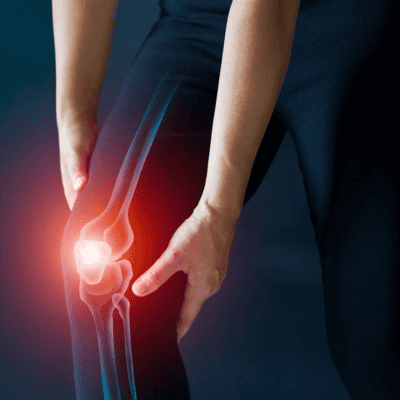
Price starting from $4,400
Stem Cells Dominican Republic: Osteoarthritis Treatment by Dr. Vargas Decamps in Santo Domingo
Center for Prolotherapy and Pain Management
- Stem Cell Therapy
Santo Domingo,Dominican Republic
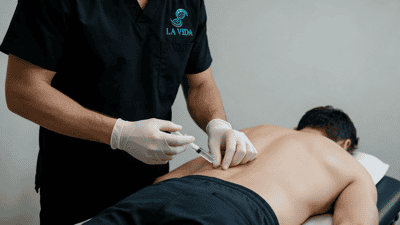
Price starting from $10,500
Stem Cell Therapy for a Herniated Disc Package at La Vida Regenerative Medicine in Dominican Republic, Punta Cana, Dominican Republic
La Vida Regenerative Medicine in Dominican Republic
- Stem Cell Therapy
Punta Cana,Dominican Republic
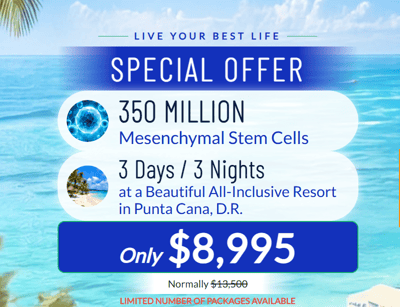
Price starting from $8,995
Stem Cell Infusion Package at La Vida Regenerative Medicine in Dominican Republic, Punta Cana, Dominican Republic
La Vida Regenerative Medicine in Dominican Republic
- Stem Cell Therapy
Punta Cana,Dominican Republic
Stem Cell Therapy Solutions Near You: Explore Top Medical Centers
Discover how Stem Cell Therapy is transforming lives at leading medical centers in , Dominican Republic. Dive into center profile, specialties, doctors, reviews, etc. and explore the best options tailored to your needs in this region.

La Vida Regenerative Medicine in Dominican Republic
Punta Cana,Dominican Republic
Genoma Health - Stem Cell Dominican Republic
Santiago de los Caballeros,Dominican Republic
Center for Prolotherapy and Pain Management
Santo Domingo,Dominican Republic
Transformative Stem Cell Therapy Experiences: Dive into Procedure Insights
Discover the power of Stem Cell Therapy through compelling patient experiences. Uncover detailed insights into procedures, recovery journeys, and life-changing results.

Price starting from $4,400
Stem Cell Therapy for Ligament Repair in Dominican Republic
- Stem Cell Therapy for Tendon and Ligament Tears,Stem Cell Therapy
Dominican Republic

Price starting from $4,400
Stem Cell Therapy for Wrist and Finger Pain in Dominican Republic
- stem cell therapy for wrist pain,Stem Cell Therapy
Dominican Republic

Price starting from $4,400
Stem Cell Therapy for Osteoarthritis in Dominican Republic
- Stem Cell Therapy for Osteoarthritis,Stem Cell Therapy
Dominican Republic

Price starting from $4,400
Stem Cell Therapy for Knee Pain in Dominican Republic
- Stem Cell Treatment for Knee Osteoarthritis Abroad,Stem Cell Therapy
Dominican Republic
Explore Stem Cell Therapy: Stories, Testimonials, and Procedures
Watch in-depth videos covering everything from Stem Cell Therapy success stories to detailed procedure explanations. Learn what to expect and hear from real patients.

Stem Cell Therapy Testimonial of Mike M. for Back Pain in Punta Cana
La Vida Regenerative Medicine in Dominican Republic
Dominican Republic

How Stem Cell Dominican Republic for Wrist Injury Relief Changed Miguel’s Life at Dr. Vargas Decamps
Center for Prolotherapy and Pain Management
Dominican Republic
Non Surgical Rotator Cuff Treatment: Milton Zarzuela’s Recovery with Stem Cell Therapy in Santo Domingo, DR
Center for Prolotherapy and Pain Management
Dominican Republic
Cervical Stem Cell Therapy for C4–C6 Arthrosis in Punta Cana
La Vida Regenerative Medicine in Dominican Republic
Dominican Republic
Learn More with These Stem Cell Therapy Articles
Take a look at these interesting articles, stories and research that will help you learn more about Stem Cell Therapy.

The Inflammation Eraser: Why UK Patients are Bypassing the NHS for Santo Domingo’s Rapid-Response RA Cellular Therapy
PlacidWay Medical Tourism
- Stem Cell Therapy
Dominican Republic

Cartilage Cartography: Why Retirees are Trading Surgery for Santo Domingo’s Precision-Guided Joint Regenerative Injections
PlacidWay Medical Tourism
- Stem Cell Therapy
Dominican Republic

Neural Navigation: Why Santo Domingo is the New Frontline for Combining Stem Cells with Advanced Robotic Rehabilitation
PlacidWay Medical Tourism
- Stem Cell Therapy
Dominican Republic

Breaking the Flare Cycle: Why MS Patients from Canada are Choosing Santo Domingo’s Advanced Immune-Modulation Therapy
PlacidWay Medical Tourism
- Stem Cell Therapy
Dominican Republic








