


Advanced Shoulder Pain Treatment: Stem Cell Therapy in DR
.png)
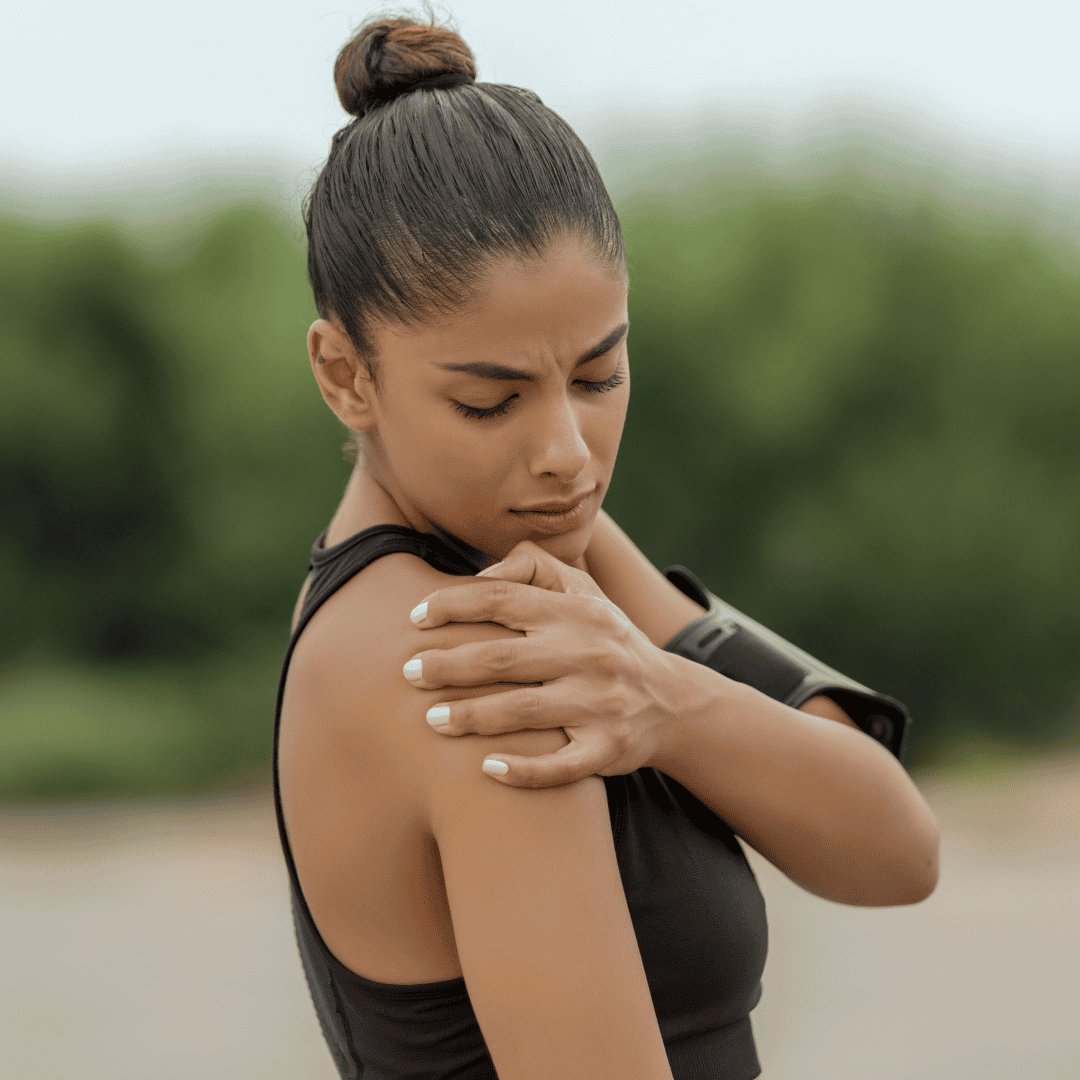
The shoulder is one of the body's most mobile and complex joints, making it highly susceptible to chronic pain from injuries like rotator cuff tears, labral damage, and osteoarthritis. For patients seeking a solution that avoids the long recovery time and risks associated with surgery, regenerative medicine offers a compelling alternative: stem cell therapy.
The Dominican Republic (DR) has emerged as a respected location for orthopedic stem cell therapy, combining the expertise of specialized physicians with protocols focused on biological healing. This treatment works by injecting concentrated cells directly into the damaged area to promote natural tissue repair.
In this comprehensive FAQ, we will examine the safety profile and effectiveness of shoulder pain stem cell therapy in the Dominican Republic. We will address key questions about expected outcomes, typical costs, and the specialized role of physicians like Dr. Vargas Decamps in Santo Domingo.
Is shoulder pain stem cell Dominican Republic therapy safe and effective?
The effectiveness of stem cell therapy for the shoulder is rooted in its ability to repair tissues like tendons and cartilage, which have limited blood supply and heal poorly on their own. The cells act as bio-signals, directing the body's repair cascade to the injury site.
Safety is high because the therapy is minimally invasive (an injection) and often uses the patient's own cells (autologous), eliminating the risk of rejection. The procedure is performed by qualified specialists, ensuring both the cell harvesting and the final injection are precise and sterile.
How effective is stem cell therapy for rotator cuff tears and chronic tendonitis?
Rotator cuff problems, especially tendinopathy or partial tears, are prime candidates for regenerative medicine. These injuries often become chronic because the tendon tissue struggles to repair itself.
Stem cell therapy delivers Mesenchymal Stem Cells (MSCs) and potent growth factors that:
- Stimulate Repair: Encourage the production of new, strong collagen fibers within the torn or damaged tendon.
- Reduce Scarring: Help ensure the repaired tissue is flexible and strong, not stiff scar tissue.
- Eliminate Chronic Inflammation: MSCs actively suppress the pain-inducing inflammation that plagues chronic tendonitis.
Success is measured by pain reduction, increased strength, and restoration of full range of motion.
What is the typical cost of stem cell therapy for shoulder pain in the DR?
The Dominican Republic offers quality regenerative medicine at prices significantly lower than those found in the US, making it attractive for international patients. The cost for shoulder pain stem cell therapy is influenced by:
- Cell Source: Whether the patient's own fat or bone marrow cells are used (autologous).
- Complexity: Treating a labral tear or severe osteoarthritis requires a higher cell count and more intricate administration than minor tendonitis.
- Combined Therapies: Protocols that combine stem cells with Platelet-Rich Plasma (PRP) will typically be at the higher end of the cost spectrum.
The package price usually includes the initial consultation, imaging guidance for the injection, and the entire cell processing procedure.
Detailed Cost Comparison for Shoulder Stem Cell Protocols in the DR
| Protocol Feature | Common Price Range (USD) | Factors Affecting Cost |
|---|---|---|
| Minor Joint/Tendon Repair | $5,000 – $7,000 | Focus on single, small areas like biceps tendonitis or mild shoulder impingement. |
| Rotator Cuff/Labral Tear Repair | $7,000 – $9,000 | Requires precise targeting of the tear, often using higher concentration of autologous cells. |
| Shoulder Osteoarthritis/Complex Damage | $9,000 – $10,000+ | Comprehensive treatment for cartilage loss and multiple tendon/ligament issues in the shoulder joint. |
What types of stem cells are primarily used for shoulder repair?
For shoulder pain stem cell therapy in the DR, autologous stem cells are preferred. These Mesenchymal Stem Cells (MSCs) are obtained right before the injection, minimizing the risk of contamination and utilizing the patient's youngest available repair cells.
The two primary sources are:
- Adipose (Fat) Tissue: Easily harvested and rich in MSCs, often favored for soft tissue (tendon/ligament) injuries.
- Bone Marrow Aspirate Concentrate (BMAC): Excellent source of progenitor cells, particularly useful for bone and cartilage defects within the shoulder joint.
The cell source selection is determined by the orthopedic specialist based on the specific injury.
What role does Dr. Vargas Decamps in Santo Domingo play in the treatment?
The success of orthopedic regenerative medicine treatments is heavily reliant on the skill of the physician. In the Dominican Republic, physicians like Dr. Vargas Decamps ensure the procedure is performed with the utmost precision.
Injecting stem cells into complex joints like the shoulder, especially targeting small structures like the supraspinatus tendon or the labrum, requires expertise and guidance (usually using ultrasound or fluoroscopy). The physician is responsible for the entire process: accurate diagnosis, safe cell harvesting, and placing the cells exactly where they are needed for structural repair, which is critical for restoring shoulder function.
What is the recovery timeline after a shoulder stem cell injection?
Recovery after shoulder pain stem cell therapy is faster than surgical recovery, but it is not instant. The process of tissue regeneration is gradual:
- Initial Phase (1-4 Weeks): The primary effect is reduced pain and inflammation. The shoulder should be rested from heavy lifting.
- Mid Phase (1-3 Months): Gentle physical therapy begins. Cellular growth factors are actively repairing tissue structures.
- Functional Recovery (3-6 Months): As the tendons and ligaments strengthen, the patient gradually returns to full activity, with maximum stability and pain relief seen around six months post-procedure.
Is stem cell therapy for joints highly regulated and safe in the Dominican Republic?
While specific federal agencies oversee medical protocols, the leading medical tourism clinics in the DR adhere to stringent standards comparable to those in North America. This involves careful cell processing, maintaining sterility during the procedure, and thorough patient screening to minimize risks.
Because the shoulder procedure is minimally invasive, the risks associated with general anesthesia, infection, and long hospitalization common to surgical repair are largely avoided, making this a safe route for joint repair.
Get a Free Consultation

.png)





.png)











Share this listing