
Rotator Cuff Tear Treatment: Stem Cells in the Dominican Republic
A rotator cuff tear can severely impact your quality of life, making simple movements like lifting your arm or reaching for an object intensely painful. When conservative options like rest, physical therapy, and cortisone injections fail to provide sufficient relief, many patients begin exploring regenerative medicine. Over recent years, stem cell treatment in the Dominican Republic has emerged as a popular option for individuals seeking alternative approaches to orthopedic healing.
Regenerative therapies utilize the body's natural cellular mechanisms to target inflammation and encourage tissue repair. While orthopedic stem cell therapy holds promise for certain types of shoulder injuries, it is vital to approach it with realistic expectations. The treatment is not a magic solution, and its effectiveness depends heavily on the severity of your tear, your biological age, and your body's individual response to the cells.
Key Takeaways
- Stem cell therapy may benefit partial rotator cuff tears by reducing inflammation and supporting local tissue healing.
- It is not typically effective as a standalone treatment for full-thickness tears where the tendon has pulled away from the bone.
- The stem cell treatment cost in the Dominican Republic is generally lower than estimates found in the US or Canada.
- Patient outcomes vary significantly based on injury severity, age, and adherence to post-procedure physical therapy.
- Selecting a highly regulated stem cell treatment clinic in the Dominican Republic is essential for minimizing risks and ensuring sterile protocols.
How does stem cell therapy target rotator cuff injuries?
When you sustain a rotator cuff tear, the tendons and muscles surrounding the shoulder joint become damaged and inflamed. Tendons naturally have a poor blood supply, which often makes healing slow and difficult. Mesenchymal stem cells (MSCs) are specialized cells that can differentiate into various tissue types, including tendon and cartilage cells. However, their primary role in orthopedic treatments is believed to be immunomodulatory—meaning they help manage the immune response and reduce chronic inflammation.
Once injected into the site of the tear, these cells release cytokines and growth factors. These proteins communicate with your body's existing cells, signaling them to repair damaged tissue and potentially create new blood vessels (angiogenesis) to improve blood flow to the injured area. While research is ongoing and outcomes can vary, this biological process is what may help reduce pain and improve range of motion in suitable patients.
Who is an ideal candidate for this shoulder treatment?
Suitability for stem cell therapy requires a thorough evaluation by an orthopedic specialist. The procedure is often considered for individuals who wish to delay or potentially avoid invasive shoulder surgery, provided their specific injury type allows for it. Ideal candidates typically have incomplete tears where the structural integrity of the tendon remains mostly intact, providing a physical scaffold for the cellular treatment to work upon.
Conversely, patients may not be eligible if they have active infections, certain autoimmune conditions, active cancer, or severe bleeding disorders. Furthermore, individuals who smoke or take certain anti-inflammatory medications may be advised to stop prior to treatment, as these factors can impair the survival and function of the injected cells. A detailed medical history and recent MRI scans are essential steps in determining candidacy.
Can stem cells heal a full-thickness rotator cuff tear?
One of the most important facts to understand about regenerative medicine is its physical limitations. If a tendon has snapped completely in two and pulled away from its attachment point on the humerus (a full-thickness, retracted tear), liquid cell injections cannot bridge the gap or suture the tissue back together. Relying on injections for a severe structural tear will likely lead to delayed appropriate care and prolonged discomfort.
However, stem cells are sometimes utilized as an adjunctive treatment alongside traditional surgery. In these instances, a surgeon will mechanically repair the full-thickness tear and then apply stem cells or bone marrow aspirate to the surgical site. The goal of this combined approach is to potentially enhance tissue healing and strengthen the surgical repair, though patients should discuss the specific risks and potential benefits of this combination with their surgeon.
What is the average stem cell treatment cost in the Dominican Republic?
Many patients explore international healthcare options due to the high out-of-pocket expenses associated with regenerative medicine in North America. The lower estimated costs in the Dominican Republic are largely due to differences in standard of living, lower facility overhead, and reduced administrative costs, rather than a necessary decrease in the quality of the biological materials used.
The total price you encounter will fluctuate based on several variables. These include whether the cells are harvested from your own body or sourced from a donor, the complexity of laboratory processing required, and whether image-guided technology (such as ultrasound or fluoroscopy) is used to ensure precise needle placement. When requesting quotes, it is important to ask facilities for a transparent breakdown of what is included, such as pre-procedure consultations, the injection itself, and any required follow-up appointments.
Where do the stem cells used for shoulder injuries come from?
Understanding the source of the biological material is a vital part of your research. Providers generally use one of three main sources for orthopedic joint treatments, each with distinct characteristics:
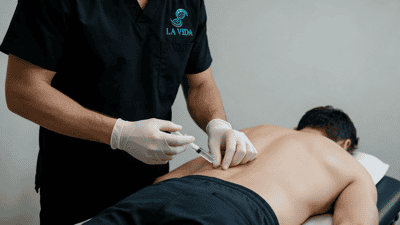
- Bone Marrow Aspirate Concentrate (BMAC): Harvested from the patient's own hip bone using a specialized needle. This liquid is spun in a centrifuge to isolate stem cells and growth factors. It is highly favored in orthopedics because it is your own tissue, minimizing rejection risks.
- Adipose-Derived Stem Cells: Harvested from a small sample of the patient's belly or thigh fat through a mini-liposuction procedure. Fat tissue contains a high volume of mesenchymal stem cells.
- Umbilical Cord Tissue (Wharton's Jelly): Allogeneic (donor) cells acquired from healthy, full-term pregnancies after thorough maternal screening. These cells are highly proliferative and do not require the patient to undergo an extraction procedure, though regulatory standards for donor cells vary by country.
How safe is the procedure at a stem cell treatment clinic in the Dominican Republic?
No medical procedure is entirely devoid of risk. Potential complications of joint injections include localized bleeding, temporary pain at the injection site, nerve irritation, and, most seriously, joint infection. When considering treatments abroad, the regulatory environment may differ from that of your home country, making your personal due diligence critical.
A reputable provider should prioritize patient safety by maintaining cleanroom laboratory standards and utilizing advanced imaging techniques. Blind injections (done without ultrasound or fluoroscopy) carry a higher risk of missing the injured tendon entirely or damaging surrounding nerves. You should always inquire about the facility's international accreditations, the specific training of the administering physician, and their protocol for managing potential adverse reactions.
What does the recovery process look like after shoulder injections?
Recovery from an injection is vastly different from surgical recovery, but it still requires patience and strict adherence to medical advice. Immediately following the procedure, an inflammatory response is actually desired, as this is part of the healing mechanism. Therefore, patients are typically advised to avoid anti-inflammatory medications (NSAIDs) like ibuprofen, which can suppress the cellular activity.
Physical therapy is a crucial component of the rehabilitation process. Relying solely on the injection without addressing underlying shoulder mechanics often yields poor results.
| Recovery Phase | Estimated Timeline | Typical Patient Activity |
|---|---|---|
| Immediate Post-Op | Days 1–3 | Resting the shoulder; mild pain and swelling; wearing a sling if directed by the provider. |
| Early Rehabilitation | Weeks 1–4 | Gentle, passive range-of-motion exercises. Avoiding heavy lifting or overhead reaching. |
| Active Strengthening | Months 1–3 | Gradual progression to active physical therapy to rebuild rotator cuff strength. |
| Potential Optimal Benefit | Months 3–6+ | Return to normal activities; assessment of the therapy's long-term effectiveness. |
Are the results of stem cell therapy for shoulders permanent?
Many patients look to stem cells hoping for a permanent fix. If the therapy successfully reduces inflammation and aids in healing a partial tear, the relief can be substantial and long-lasting. However, the longevity of these results relies heavily on how you treat your shoulder moving forward.
Factors such as repetitive stress, poor posture, heavy overhead lifting, and natural degenerative aging will continue to impact the joint. If poor shoulder mechanics caused the initial tear, failing to correct those mechanics through physical therapy could lead to a re-injury down the road. Results are highly individualized, and some patients may require periodic booster treatments over time.
Why is medical tourism in the Dominican Republic popular for orthopedics?
The Caribbean nation has heavily invested in developing a healthcare infrastructure aimed at attracting international patients. For individuals in the US and Canada, short flight times make the travel logistics manageable, particularly when dealing with a painful shoulder condition that makes long-haul travel uncomfortable. Additionally, many established clinics cater specifically to English-speaking patients by offering bilingual staff and streamlined communication.
While the opportunity to recover in a tropical climate is appealing, health and safety must always remain the primary focus of your trip. Patients should concentrate their research on the medical credentials of the providers, the source of the biological materials used, and the clinical outcomes, rather than treating the medical journey purely as a vacation.
Why Choose PlacidWay for Medical Tourism?
PlacidWay serves as a comprehensive platform designed to help patients navigate international healthcare options effectively. Here is how the platform can assist your research:
- Global Directory Access: PlacidWay provides access to an extensive directory of medical centers and clinics across the Dominican Republic and globally.
- Direct Provider Communication: The platform facilitates direct messaging between patients and international medical professionals to discuss individual health needs.
- Credential Visibility: Patients can review facility accreditations, provider training backgrounds, and available technologies before making decisions.
- Side-by-Side Comparisons: PlacidWay allows users to compare estimated procedural costs and treatment approaches across different geographic regions.
- Educational Resources: The site offers factual guides and information on international medical regulations to help patients make informed healthcare choices.
Frequently Asked Questions (FAQs)
How long does the actual stem cell injection procedure take?
The injection itself usually takes only a few minutes, but the entire appointment can last between two to four hours. This timeframe accounts for the extraction of your own cells (if utilizing autologous stem cells), laboratory processing, preparation of the injection site, and a brief observation period afterward.
Is the stem cell extraction process painful?
Local anesthesia is used to numb the extraction site, whether cells are being harvested from your bone marrow (usually the pelvis) or adipose (fat) tissue. While you may feel pressure or a mild pulling sensation during the extraction, severe pain is uncommon. Mild soreness at the harvest site typically resolves within a few days.
Do I need an MRI before traveling to the Dominican Republic for shoulder treatment?
Yes, having a recent MRI (usually within the last three to six months) is highly recommended. Orthopedic specialists rely on high-resolution imaging to determine the exact size, location, and severity of your rotator cuff tear, which dictates whether stem cell therapy is a medically appropriate option for you.
Can I combine stem cell therapy with Platelet-Rich Plasma (PRP)?
Many orthopedic providers frequently combine stem cell injections with PRP therapy. Platelet-rich plasma contains high concentrations of growth factors that may help signal the stem cells to activate and multiply, potentially enhancing the overall healing environment within the shoulder joint.
Will my health insurance cover stem cell therapy in the Dominican Republic?
Stem cell treatments for orthopedic conditions are widely considered investigational by most major regulatory bodies and insurance providers. Therefore, standard health insurance plans generally do not cover the cost of the procedure, whether performed domestically or internationally. Patients should plan to pay out-of-pocket.
How soon can I fly home after a shoulder stem cell injection?
Most patients are cleared to fly home within 48 to 72 hours following the injection. It is advisable to wait a few days to ensure no immediate complications, such as an infection or severe inflammatory response, occur. Your treating physician will provide specific travel clearance based on your individual recovery.
What happens if I develop an infection after returning home?
If you experience signs of infection, such as increasing redness, severe pain, swelling, or fever after returning home, you must seek immediate medical attention from a local healthcare provider or emergency room. Delaying treatment for joint infections can lead to severe complications and permanent joint damage.
Are there any age limits for receiving stem cells for a rotator cuff tear?
There is no strict universal age limit, but outcomes can be influenced by age. Older adults may have fewer robust stem cells if using an autologous (self-derived) source, and their tissues generally heal more slowly. Providers evaluate patients individually based on overall health, bone density, and the severity of the tear rather than age alone.
Can stem cells cure shoulder arthritis associated with a rotator cuff tear?
Stem cell therapy cannot cure or reverse established osteoarthritis in the shoulder. However, in some suitable patients, the anti-inflammatory properties of the therapy may temporarily help manage pain and improve joint mobility when arthritis is present alongside a minor rotator cuff injury.
How many stem cell sessions are usually required for a shoulder injury?
Many patients receive a single, targeted stem cell injection as their primary treatment. Depending on the clinical response, the severity of the tear, and the specific protocol of the provider, some patients may undergo a follow-up booster injection or subsequent PRP treatments a few months later.
Explore Your Regenerative Treatment Options
Evaluate clinics, review estimated costs, and gather the educational resources needed to make an informed decision about orthopedic care abroad.
Request Treatment InformationReferences
- Frequently asked questions about stem cell research - Mayo Clinic
- FDA Warns About Stem Cell Therapies - U.S. Food and Drug Administration
- Orthobiologics - American Academy of Orthopaedic Surgeons (AAOS)
- Medical Tourism Travel Guidelines - Centers for Disease Control and Prevention (CDC)
- Patient Guide to Stem Cell Treatments - International Society for Stem Cell Research (ISSCR)
- Efficacy of mesenchymal stem cells in rotator cuff repair (Study) - National Institutes of Health / PubMed




















Share this listing