
Advanced Stem Cell Treatment for Bone Fractures in the Dominican Republic
Key Takeaways
- Stem cells are primarily explored for difficult-to-heal fractures, such as non-unions, rather than standard broken bones that heal well naturally.
- Stem cell therapy for bone fractures in the Dominican Republic is sought after for its accessibility and lower out-of-pocket expenses compared to North America.
- Treatments often utilize mesenchymal stem cells (MSCs) harvested from a patient's own bone marrow or fat tissue.
- Stem cell injections do not replace traditional orthopedic care; patients still require proper casting, bracing, or surgical fixation.
- Because this field is largely investigational, thorough consultation with your local orthopedic specialist is vital before traveling abroad.
How do stem cells potentially help heal broken bones?
When a bone breaks, the body initiates a complex healing process that begins with inflammation, progresses to a soft callus formation, and eventually results in hard bone remodeling. For most people, this system works efficiently on its own. However, stem cell therapy is being studied as a way to supplement this natural process when it falls short. Mesenchymal stem cells are particularly valuable in orthopedic research because they are multipotent, meaning they can transform into osteoblasts—the exact cells responsible for building new bone tissue.
Beyond simply turning into bone cells, stem cells act as biological coordinators. They secrete specialized proteins and growth factors into the surrounding tissue, a process known as paracrine signaling. This signaling helps to modulate inflammation, reducing excessive swelling that might impede healing. Furthermore, these growth factors encourage angiogenesis, which is the formation of new blood vessels. A robust blood supply is crucial for delivering oxygen and nutrients to the fracture site, without which new bone cannot form.
While the biological theory is sound and supported by laboratory studies, human trials are still ongoing. Researchers are working to understand the optimal cell counts, delivery methods, and specific fracture types that respond best to these interventions. Therefore, while the potential exists, it is presented as a supportive therapy rather than a primary cure.
Is stem cell therapy proven to speed up all bone fracture healing?
It is a common misconception that injecting stem cells into any broken bone will act like a biological fast-forward button. In reality, a standard, uncomplicated fracture—such as a simple forearm break in an otherwise healthy individual—will usually heal effectively within a predictable timeframe using a traditional cast or splint. Introducing stem cells to a straightforward fracture has not been definitively proven to cut recovery time in half, and the added cost and minor risks of injection may not be justified.
The medical community primarily looks toward regenerative medicine when normal healing pathways fail. Factors that can impede bone healing include advanced age, smoking, diabetes, poor nutrition, and severe trauma that damages the surrounding blood supply. In these complex scenarios, the body lacks the necessary biological tools to bridge the gap in the bone.
Even in these difficult cases, success rates vary significantly from patient to patient. While some individuals report positive outcomes and eventual bone union after receiving stem cell injections, others may see no noticeable acceleration or improvement. Patients must approach this treatment with realistic expectations, understanding that it is a supplementary, investigational procedure.
Which types of bone fractures might benefit most from regenerative medicine?
- Non-Union Fractures: A non-union occurs when a broken bone fails to heal after an extended period (usually defined as nine months, with no visible progress in the last three months). Stem cells are often investigated to jumpstart the stalled healing process.
- Delayed Unions: In these cases, the bone is healing, but at a much slower pace than expected. Regenerative therapies may be used to provide a biological boost.
- Severe Traumatic Fractures: High-impact injuries (like motorcycle accidents) can strip the bone of its periosteum—the outer layer that holds crucial blood vessels and cells. Added MSCs may help replace the lost biological material.
- Avascular Necrosis: While not a fracture initially, this condition involves bone death due to a lack of blood supply, often leading to micro-fractures. Stem cells are sometimes injected to stimulate new blood vessel growth and preserve the joint.
- Spinal Fusions: Stem cells are sometimes combined with bone grafts during spinal fusion surgery to encourage the vertebrae to grow together more successfully.
What happens during a stem cell procedure for bone repair?
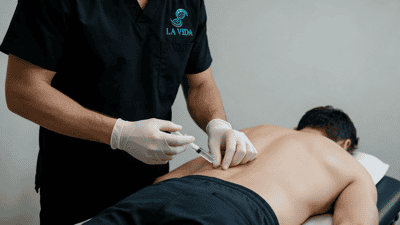
If you are receiving an autologous treatment (meaning the cells come from your own body), the first step is extraction. A physician will numb a specific area, usually the back of the pelvis (iliac crest) for bone marrow, or the abdomen for adipose (fat) tissue. A specialized needle is used to draw out the marrow or aspirate the fat. While local anesthesia is used, patients often report a dull ache or pressure during this step.
Once the raw material is collected, it is immediately processed. The clinic will use a centrifuge to spin the tissue at high speeds, separating the concentrated stem cells and growth factors from red blood cells and other fluids. This concentrated mixture is often referred to as Bone Marrow Aspirate Concentrate (BMAC) or Stromal Vascular Fraction (SVF), depending on the source.
The final step is delivering the cells to the injury. Using real-time imaging technology, such as ultrasound or fluoroscopy (live X-ray), the doctor carefully guides a needle into the precise location of the bone fracture. The concentrated cells are then injected into the gap or along the fracture line. Sometimes, the cells are combined with a biological scaffold or bone graft material to help hold them in place so they can begin their work.
Important Consideration
Some clinics offer allogeneic treatments, which use cells derived from donated umbilical cord tissue rather than your own body. If considering this route, ask detailed questions about donor screening, cell processing, and viability testing.
Why are patients exploring medical tourism in the Dominican Republic for this care?
The landscape of medical tourism in the Dominican Republic has grown significantly over the last decade. Many patients from the United States, Canada, and Europe face high healthcare costs and strict regulations regarding regenerative medicine at home. In places like the U.S., the FDA heavily regulates how stem cells can be processed and used, limiting many treatments to clinical trials or specifically approved indications. The Dominican Republic operates under a different regulatory framework, allowing clinics to offer a wider variety of stem cell applications directly to patients.
Accessibility is another major factor. Wait times for specialist consultations and elective orthopedic procedures can be lengthy in countries with socialized healthcare systems. Medical tourists often find that international clinics can schedule evaluations and treatments within a matter of weeks, which is appealing to patients eager to address a stubborn, painful non-union fracture.
Additionally, the geographic proximity of the Dominican Republic makes it a relatively short flight from many major North American cities. Combined with the appeal of recovering in a tropical climate and modernizing private hospital infrastructure, it has become a prominent hub for individuals seeking alternative or supplementary medical solutions.
How much does stem cell therapy cost in the Dominican Republic?
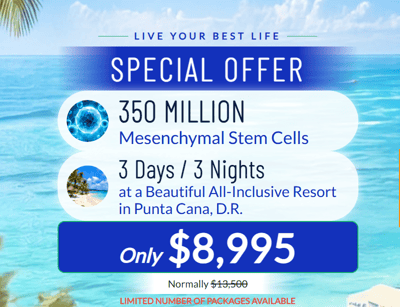
While prices vary widely, patients can generally expect to pay between $4,000 and $8,000 for a comprehensive stem cell treatment addressing a bone fracture in the Dominican Republic. For comparison, similar investigational treatments in the United States can range from $8,000 to over $25,000, depending on the complexity of the procedure and the facility. This price difference is a primary driver for medical travel.
The total cost usually depends on several variables. Autologous treatments (using your own bone marrow or fat) may have a different price structure than therapies using donor umbilical cord cells. The severity of the fracture, the need for advanced imaging guidance (like fluoroscopy), and whether the stem cells are combined with other therapies (like Platelet-Rich Plasma or bone grafts) will all influence the final bill.
It is important for patients to request a detailed, itemized quote before committing. You should clarify whether the estimated price includes initial consultations, pre-treatment blood work, imaging, the extraction procedure, cell processing, the injection itself, and any immediate post-procedure follow-up. Keep in mind that travel expenses, accommodation, and any necessary care upon returning home are separate costs.
Are there risks or side effects associated with orthopedic stem cell treatments?
- Infection Risk: Any procedure that breaks the skin carries a risk of infection. If strict sterile protocols are not followed during harvesting, processing, or injection, bacteria can be introduced directly to the bone, leading to osteomyelitis (a severe bone infection).
- Lack of Efficacy: The most common risk is simply that the treatment may not work. The fracture may remain a non-union, meaning the financial investment will not yield the desired medical outcome.
- Bleeding and Soreness: Patients frequently experience localized pain, bruising, and mild bleeding at both the harvest site (like the hip) and the injection site for several days.
- Immune Reactions: If donor cells (allogeneic) are used, there is a small risk of an immune response or rejection, though MSCs are generally considered immune-evasive.
- Unpredictable Growth: Though rare in orthopedic joint applications, there is a theoretical risk that stem cells could multiply improperly. This is why thorough vetting of cell processing techniques is paramount.
How do you evaluate a stem cell clinic in the Dominican Republic?
Selecting a facility abroad requires diligent research to prioritize patient safety. Because regulations differ, you cannot assume every stem cell clinic in the Dominican Republic operates to the same standards. Start by verifying the credentials of the treating physicians. Ensure that the doctor performing the injection is a board-certified orthopedic surgeon or a specialist with verifiable training in regenerative medicine, rather than a general practitioner.
Investigate the facility's laboratory standards. Ask where and how the cells are processed. Reputable clinics use closed-system centrifuges or on-site ISO-certified cleanrooms to prevent contamination. If the clinic uses donor cells, ask for clear documentation regarding how those cells are screened for communicable diseases and how cell viability is tested before injection.
Finally, be wary of clinics that make absolute guarantees. Medically responsible providers will openly discuss the limitations of stem cell therapy, explain that results vary, and outline the risks. If a clinic claims a "100% success rate" for healing bone fractures, this is a significant red flag. Consult your local orthopedic doctor for a second opinion on the proposed treatment plan before making a deposit.
What should you expect during recovery after stem cell injections?
Receiving stem cell therapy does not mean you can immediately walk on a broken leg or use a fractured arm. The injection is meant to stimulate biological healing beneath the surface, but the bone still requires physical stability to unite properly. You will likely still need to wear a cast, splint, or walking boot.
In the first few days following the procedure, it is normal to experience an increase in localized inflammation, pain, and stiffness. Doctors often advise against taking non-steroidal anti-inflammatory drugs (NSAIDs) like ibuprofen during this time, as mild inflammation is actually a necessary part of the stem cell signaling and initial healing phase. Acetaminophen is usually recommended for pain management instead.
Long-term recovery requires patience. You will need to arrange follow-up care with an orthopedic specialist in your home country. They will need to perform periodic X-rays or CT scans to monitor the bone's progress. Physical therapy will also play a crucial role once the bone has stabilized, helping you regain muscle strength and joint mobility after prolonged immobilization.
Why Choose PlacidWay for Medical Tourism Research?
Planning international healthcare requires access to reliable information. PlacidWay is a medical tourism platform designed to help patients explore global treatment options, including regenerative medicine.
- Extensive Directory: PlacidWay aggregates profiles of various international clinics, allowing you to compare facilities in the Dominican Republic.
- Provider Details: The platform lists doctor credentials, clinic certifications, and available facility technologies for your review.
- Direct Communication: Patients can use the platform to request direct quotes and set up initial virtual consultations with international medical teams.
- Free to Browse: The information portal is free for patients to use while gathering initial research on procedure options and estimated costs.
- Global Options: PlacidWay covers multiple destinations, allowing you to weigh the Dominican Republic against other regions offering orthopedic care.
Frequently Asked Questions
Will I need surgery in addition to stem cell injections?
This depends entirely on the severity of your fracture. Stem cells do not realign broken bones. If a fracture is displaced, you will likely still need surgical intervention (like pins, plates, or screws) to set the bone before regenerative therapies are considered as a supplementary treatment.
Are the stem cells used in the Dominican Republic derived from embryos?
No. Reputable clinics use adult stem cells, typically harvested from your own body (bone marrow or adipose tissue) or ethically sourced umbilical cord tissue (Wharton's Jelly). Embryonic stem cells are generally not used for orthopedic treatments due to ethical regulations and biological risks.
How long does a stem cell procedure take?
If the clinic is using your own cells, the process usually takes a few hours. This includes the time needed to extract the tissue (marrow or fat), process it in an on-site centrifuge or laboratory to isolate the cells, and inject them back into the fracture site.
Can I fly home immediately after the procedure?
It is generally not recommended to fly immediately. Doctors typically advise staying in the destination for several days to a week to monitor for any immediate adverse reactions, manage post-injection soreness, and ensure it is medically safe for you to travel, especially considering the risks of flying with a fracture.
Does insurance cover stem cell therapy in the Dominican Republic?
Health insurance standardly does not cover stem cell therapy for bone fractures, as it is still widely considered an investigational or experimental treatment by major medical regulatory bodies. Patients traveling abroad for this care should expect to pay out-of-pocket.
What happens if I develop complications after returning home?
If you experience signs of infection, increased pain, or systemic illness after returning home, you should immediately contact your local primary care doctor or an emergency room. You should also notify the clinic that performed the procedure so they can provide treatment details to your local healthcare team.
Are there age limits for this treatment?
While there is no strict upper age limit, older adults naturally have fewer and less robust stem cells in their bone marrow. Some clinics may recommend donor (allogeneic) umbilical cord cells for elderly patients, though eligibility is determined on a case-by-case basis through medical evaluation.
Can smokers undergo stem cell therapy for bone fractures?
Nicotine significantly constricts blood vessels and impairs both natural bone healing and stem cell function. Most responsible medical professionals will require patients to quit smoking several weeks before and after the procedure, or they may decline to perform the treatment altogether.
How long until X-rays show signs of improvement?
Bone regeneration is a slow process. While some patients report early reductions in pain, visible changes on an X-ray or MRI indicating new bone growth typically take several weeks to several months to appear, depending on the severity of the initial non-union or fracture.
Is it safe to travel to the Dominican Republic with a healing fracture?
Traveling with a fracture carries inherent risks, including a higher chance of developing deep vein thrombosis (DVT) or blood clots during long flights. You must consult with your local orthopedic doctor before flying to determine if you are fit for air travel and if you need specific precautions like blood thinners.
Explore Your Treatment Options
If you are considering traveling for stem cell therapy and want to learn more about facility options, available specialists, and cost estimates, you can request more information to help you make an educated decision.
Request Treatment InformationReferences
- Mesenchymal Stem Cells for Bone Fracture Healing – National Institutes of Health (NIH) / PubMed
- Patient Guide to Stem Cell Treatments – International Society for Stem Cell Research (ISSCR)
- Nonunions: When Bones Don't Heal – American Academy of Orthopaedic Surgeons (AAOS)
- FDA Warnings on Stem Cell Therapies – U.S. Food and Drug Administration (FDA)
- Medical Tourism Safety Guidelines – Centers for Disease Control and Prevention (CDC)
- Health and Travel Risks – World Health Organization (WHO)
- The Role of Angiogenesis in Bone Repair – National Institutes of Health (NIH) / PubMed
























Share this listing