


Stem Cell Therapy for Ligament Repair and Joint Recovery in DR
.png)
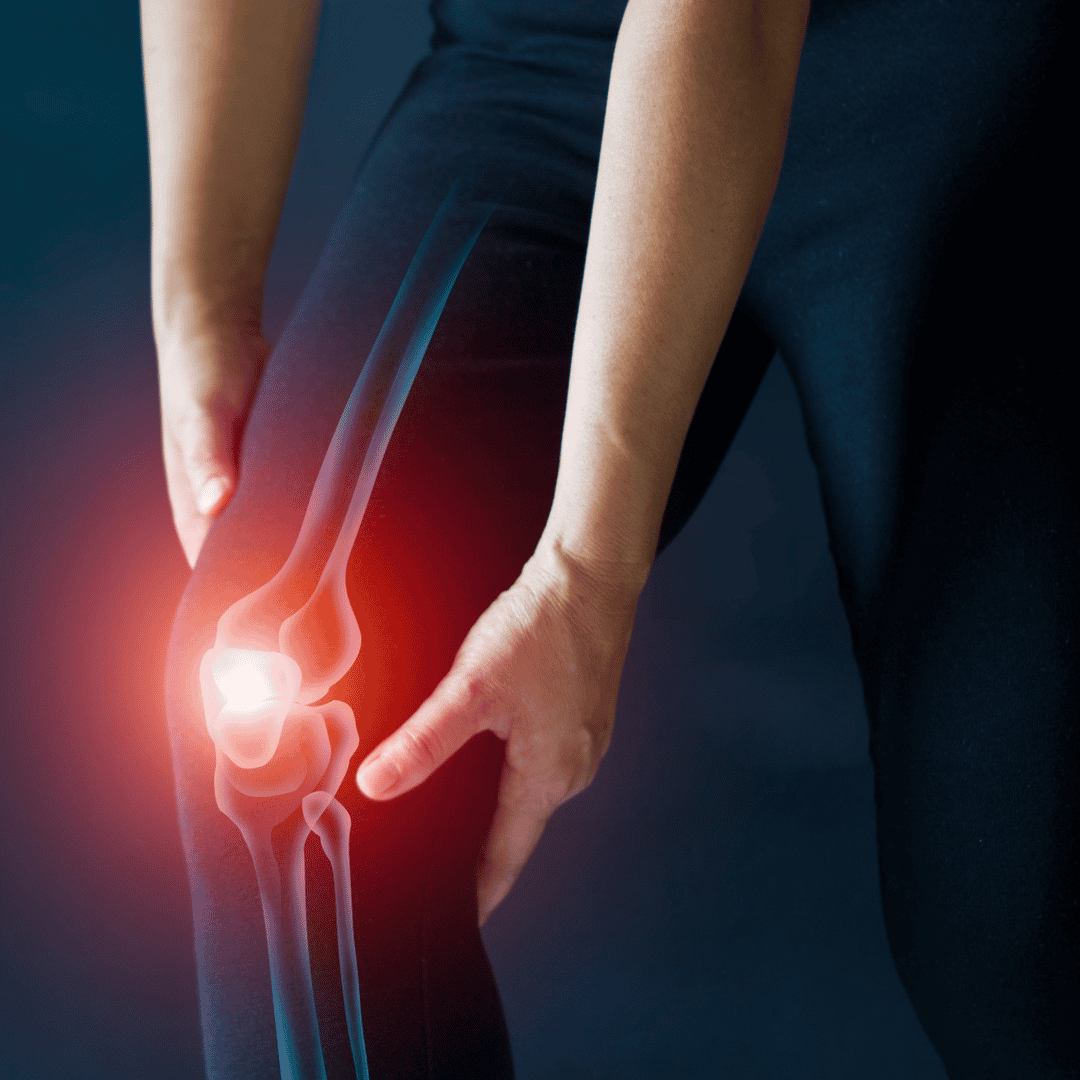
If you are dealing with chronic joint pain, a nagging ligament tear, or the slow progression of osteoarthritis, you know the significant impact these issues have on your mobility and quality of life. Traditional approaches often rely on surgery or constant pain medication. However, regenerative medicine offers a promising alternative: stem cell therapy for orthopedic repair.
The Dominican Republic (DR) has become a globally recognized hub for these procedures, combining experienced medical professionals with advanced protocols. This approach leverages your body's innate ability to heal, concentrating powerful cells directly at the site of damage.
In this comprehensive FAQ, we will explore the mechanisms, efficacy, and practical details of stem cell therapy for ligament repair and joint recovery in the DR. We'll answer the most critical questions regarding treatment outcomes, typical costs, and the expertise involved, providing clear, trustworthy information for those considering this path.
How effective is ligament repair stem cell Dominican Republic for joint recovery?
The effectiveness of stem cell therapy in the orthopedic field centers on its ability to promote biological healing where tissues naturally have low blood supply and healing capacity (like ligaments, tendons, and cartilage). Instead of merely masking pain, this regenerative medicine approach aims to rebuild and restore structural integrity.
For ligament issues, stem cells can bridge small tears and reinforce the tissue matrix. For joint recovery (such as with moderate osteoarthritis or meniscal tears), they help repair damaged cartilage and reduce the inflammation that drives chronic pain. Success is often measured by a significant reduction in pain, increased joint stability, and improved range of motion, providing a vital non-surgical option for many patients.
How does stem cell therapy work to repair damaged ligaments and joints?
When Mesenchymal Stem Cells (MSCs) are injected directly into an injured joint or ligament, they operate through several mechanisms:
- Differentiation: The cells can mature into the specific cells needed, such as chondrocytes (cartilage) or tenocytes (tendons/ligaments), actively contributing to structural repair.
- Paracrine Signaling: They release anti-inflammatory cytokines and growth factors that recruit the body’s own existing healing cells to the injury site and dramatically reduce chronic inflammation.
- Angiogenesis: They stimulate the growth of new blood vessels, improving the blood supply to injured tissues that are normally avascular (lacking blood vessels), thereby enhancing long-term healing.
This precise, targeted biological activity is fundamental to regenerative medicine success in orthopedic cases.
What is the typical cost of stem cell therapy for joint recovery in the Dominican Republic?
The Dominican Republic offers significant cost advantages compared to similar treatments in the US or Europe, often representing savings of 40% to 60%. The price variation depends largely on the complexity of the injury and the required dose. Treating a single, minor ligament issue typically costs less than treating multi-joint osteoarthritis.
The treatment price usually covers the entire protocol, including the medical consultation, diagnostic imaging (like ultrasound or fluoroscopy guidance), the cell procurement (if autologous), cell processing, and the injection procedure itself. Patients should always confirm exactly what is included in the quote when planning their regenerative medicine trip.
Detailed Cost Comparison for Orthopedic Stem Cell Protocols
| Protocol Feature | Common Price Range in the DR (USD) | Factors Affecting Cost |
|---|---|---|
| Single Joint/Minor Ligament Tear | $5,000 – $7,500 | Targeting one small area (e.g., knee tendonitis, wrist ligament sprain). Usually uses lower cell counts. |
| Major Joint Repair/Moderate Osteoarthritis | $7,500 – $10,000 | Treatment of a large joint (knee, shoulder, hip) or a significant ligament/tendon tear. Requires higher cell doses and precise delivery. |
| Multi-Joint/Complex Protocol | $10,000 – $12,000+ | Treating multiple joints simultaneously or using combination therapies (e.g., stem cells + Platelet-Rich Plasma). |
What conditions are most effectively treated with regenerative medicine in the DR?
Regenerative medicine protocols are tailored to chronic conditions and injuries that respond poorly to conventional rest, ice, and anti-inflammatory drugs. These conditions thrive when a targeted biological intervention can interrupt the cycle of chronic inflammation and deterioration.
Conditions that show the best response to stem cell therapy include:
- Knee Injuries: Partial ACL/MCL tears, meniscal damage, and patellofemoral pain.
- Shoulder Injuries: Rotator cuff partial tears or chronic tendinopathy.
- Spine Issues: Early disc degeneration and facet joint pain.
- Chronic Degeneration: Osteoarthritis (mild to moderate stages).
The ability of stem cell therapy to promote internal healing makes it a favorable treatment, often avoiding the long recovery times associated with surgery.
What is the role of specialized physicians like Dr. Vargas Decamps?
The success of orthopedic stem cell therapy depends entirely on the accuracy of cell placement. A specialist in the DR, such as Dr. Vargas Decamps, plays a crucial role by using advanced imaging techniques—like ultrasound or fluoroscopy—to guide the injection needle. This ensures the cell payload is delivered exactly where the damage is located, whether deep within a joint or precisely into a torn ligament.
Beyond the injection, physicians like Dr. Vargas Decamps are responsible for the comprehensive treatment plan: assessing candidacy, determining the appropriate cell type and concentration, overseeing the cell processing quality, and managing post-treatment care and physical therapy recommendations. This expertise ensures both safety and maximum therapeutic benefit.
Is stem cell therapy for orthopedic issues regulated and safe in the DR?
As a major medical tourism destination, the Dominican Republic has developed a system for managing advanced regenerative medicine treatments. Safety relies on choosing accredited facilities that are transparent about their lab practices.
Reputable clinics adhere to strict protocols regarding cell viability, sterility, and donor screening (if allogeneic cells are used). Because the procedure is minimally invasive and often uses the patient's own cells (autologous), the risk profile is significantly lower than that of complex surgery. Side effects are typically limited to temporary discomfort at the injection site, managed carefully by the overseeing physician.
How long does the joint recovery process take after treatment?
Unlike steroid injections which offer immediate but temporary relief, stem cell therapy initiates a biological repair process that takes time. The initial reduction in pain that patients experience (often within 2-4 weeks) is usually due to the potent anti-inflammatory effects of the cells.
However, the structural healing—the actual regrowth of ligament fibers or cartilage—occurs slowly. Full recovery and maximum functional improvement usually require a commitment of several months, alongside any recommended physical therapy program. The specialist overseeing your care will provide a specific recovery timeline based on the injury's severity and the joint treated.
Get a Free Consultation



.png)


.png)




.png)

.png)








Share this listing