
Stem Cell Therapy for Foot and Ankle Pain in Dominican Republic: What to Expect
Living with chronic foot or ankle discomfort can severely limit your daily activities, making simple tasks like walking or climbing stairs a challenge. When conservative treatments like physical therapy, orthotics, or steroid injections no longer provide relief, many patients begin exploring regenerative medicine. Stem cell therapy for foot and ankle pain in the Dominican Republic has emerged as a popular option for individuals seeking alternative ways to manage joint degeneration and tissue damage without immediately resorting to invasive surgery.
By traveling abroad, patients often find more flexible treatment protocols and lower costs. However, regenerative medicine is complex, and success depends heavily on accurate diagnosis, patient suitability, and the medical standards of the chosen facility. Understanding the realistic benefits, the limits of the procedure, and the logistics of traveling for care is crucial before making a health decision.
Key Takeaways
- Stem cells may reduce inflammation and promote a healing environment in damaged foot and ankle joints.
- The treatment is primarily used for conditions like osteoarthritis, tendinopathy, and chronic ligament damage.
- Outcomes are not guaranteed, and effectiveness varies based on the patient's age and severity of the condition.
- Thoroughly evaluating clinics for proper laboratory standards and board-certified specialists is essential.
- Post-treatment physical therapy is usually necessary to achieve the best possible mobility improvements.
How do stem cells address foot and ankle pain?
The human foot and ankle contain complex networks of bones, ligaments, tendons, and cartilage. When these tissues become damaged through wear and tear, injury, or disease, they often struggle to heal independently due to poor blood supply in certain areas. Mesenchymal stem cells (MSCs) are often utilized in regenerative medicine because they have the unique ability to modulate the immune system and release growth factors.
Once injected into the affected joint or tissue, these cells primarily work by calming chronic inflammation, which is a major source of pain. By signaling the body's natural repair mechanisms, the therapy aims to create a healthier environment within the joint. While the cells may not completely regrow lost cartilage, they can alter the painful environment, which often translates to improved movement and reduced stiffness for the patient.
What conditions causing foot pain are typically treated?
Orthopedic specialists evaluate patients based on the specific structures causing their pain. Regenerative medicine is not a one-size-fits-all solution, but it is often applied to several chronic issues. The conditions most frequently evaluated for this treatment include:
- Ankle Osteoarthritis: Degeneration of the cartilage in the ankle joint, often resulting from previous trauma or fractures.
- Achilles Tendinopathy: Chronic inflammation and micro-tears in the large tendon connecting the calf to the heel.
- Plantar Fasciitis: Severe, persistent pain in the thick band of tissue running across the bottom of the foot, especially when traditional therapies fail.
- Ligament Injuries: Chronic instability caused by old sprains that never healed correctly.
- Tendonosis: Non-inflammatory degeneration of various foot tendons, such as the posterior tibial tendon.
Who is an ideal candidate for this regenerative treatment?
Not everyone with ankle pain is a suitable candidate for stem cell therapy. A qualified physician must perform a thorough evaluation, often including MRIs and X-rays, to determine if the procedure is appropriate. The best candidates usually have mild to moderate joint damage. If a joint has progressed to severe, "bone-on-bone" arthritis where the cartilage is completely gone, stem cells are highly unlikely to reverse the damage, and a joint fusion or replacement may be the only viable medical option.
Furthermore, medical history plays a significant role. Individuals with active infections, bloodborne diseases, certain types of cancer, or compromised immune systems are typically advised against this procedure. Medications like blood thinners can also complicate the injection process. A reputable doctor will review your entire health profile to ensure the potential benefits outweigh any risks.
How much does stem cell therapy for foot and ankle pain cost in the Dominican Republic?
The stem cell therapy for foot and ankle pain cost in the Dominican Republic is often more accessible compared to prices in the United States or Canada, where similar regenerative procedures can exceed $10,000 to $15,000 and are rarely covered by standard health insurance. The lower cost in the Dominican Republic is largely due to differences in the general cost of living, lower administrative overhead, and different healthcare economic structures, rather than a lack of quality care.
When reviewing estimates, patients must ask exactly what is included. The final price can fluctuate based on whether the cells are harvested from your own bone marrow or adipose (fat) tissue, or if donor cells are used. Additionally, inquire if the quoted cost covers pre-treatment blood work, imaging guidance (such as ultrasound used during the injection), and any necessary follow-up consultations. Travel and accommodation expenses should also be factored into your overall budget.
What should patients expect during the procedure?
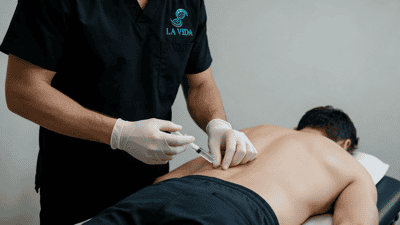
If you are receiving an autologous treatment (using your own cells), the day typically begins with the extraction phase. A doctor will apply local anesthesia and extract a small amount of bone marrow from the hip bone, or fat tissue from the abdomen or flank. While this sounds daunting, most patients report only a dull ache or pressure rather than sharp pain.
The extracted tissue is then processed in a centrifuge to separate and concentrate the stem cells and beneficial growth factors. Once the solution is prepared, the doctor will use ultrasound or fluoroscopy to guide the needle precisely into the damaged area of the ankle or foot. Image guidance is heavily emphasized by medical professionals because blindly injecting such small, complex joints greatly reduces the chances of the cells reaching the necessary target.
How long is the recovery after ankle stem cell injections?
Recovery from regenerative injections is a gradual process. Immediately following the procedure, it is normal to experience an increase in swelling, stiffness, and pain at the injection site. This is actually a sign that the body's inflammatory healing response has been triggered. Doctors typically advise against using anti-inflammatory medications (like ibuprofen) during this period, as they can interfere with the stem cells' intended mechanisms; instead, specialized pain management guidelines are provided.
For foot and ankle treatments specifically, protecting the joint is vital. You may be asked to wear a supportive walking boot or use crutches for the first week or two to prevent excessive stress on the treated area. Patients often begin to notice gradual improvements in pain and mobility around the four-to-six-week mark, with continued progress extending over several months. Committing to a prescribed physical therapy routine once cleared by your doctor is highly beneficial for regaining strength and flexibility.
Are there risks associated with orthopedic stem cell treatments?
No medical procedure is devoid of risk. Because autologous stem cell therapy uses your body's own biological material, the risk of an allergic reaction or immune rejection is quite low. However, any injection that penetrates the skin and enters a joint capsule carries a small risk of infection or bleeding. This underscores the necessity of choosing facilities that adhere to strict, internationally recognized sterilization protocols.
Perhaps the most significant non-physical risk is the possibility that the treatment may not work. Stem cell therapy is not a definitive cure, and some patients do not achieve the pain relief or mobility improvements they anticipated. Patients must approach this treatment with a clear understanding that biological responses differ widely from person to person. If donor cells are used (allogeneic), you should have a thorough discussion with your doctor regarding how those cells were sourced, screened for diseases, and processed.
Flying shortly after receiving foot or ankle injections can increase discomfort due to cabin pressure and prolonged sitting. It is often recommended to stay in the destination country for a few days post-procedure to rest and attend any required follow-up appointments before undertaking air travel.
How do I choose a safe stem cell therapy for foot and ankle pain clinic in the Dominican Republic?
Selecting the right stem cell therapy for foot and ankle pain clinic in the Dominican Republic requires diligent research. You should seek out medical centers where the procedures are performed by licensed orthopedic surgeons or regenerative medicine specialists, not general practitioners. Ask detailed questions about the laboratory: How do they handle and count the cells? Do they assess cell viability before injection?
Furthermore, a reputable clinic will be honest about your suitability. If a clinic claims a 100% success rate, implies the procedure is entirely risk-free, or pressures you to book immediately without reviewing your medical records, those are significant red flags. Request consultations via video call to discuss your imaging results and ensure you feel comfortable with the doctor's communication style and treatment philosophy.
Why do patients travel for medical tourism in the Dominican Republic?
Medical tourism in the Dominican Republic has expanded significantly, supported by investments in private hospital infrastructure and medical technology. Cities like Santo Domingo, Punta Cana, and Santiago are home to facilities catering specifically to international patients. Many of the doctors practicing in these specialized clinics have received part of their training or fellowships in the United States, Europe, or South America, bringing international expertise to their practice.
Besides the medical benefits, logistics play a large role. The Dominican Republic is highly accessible via short, direct flights from major cities across the US East Coast and Canada. English is widely spoken in the private healthcare sector, facilitating clear communication between patients and medical staff. For many, the combination of professional care, ease of travel, and the ability to recover in a warmer climate makes it a practical destination for seeking specialized regenerative therapies.
Why Choose PlacidWay for Medical Tourism Research?
Navigating international healthcare options can feel overwhelming. PlacidWay is a medical tourism platform designed to help patients research and connect with healthcare providers worldwide. When exploring options abroad, utilizing a structured platform can assist in gathering information efficiently.
- Extensive Network: PlacidWay connects individuals with numerous accredited hospitals and specialized clinics globally.
- Detailed Provider Profiles: The platform offers access to facility credentials, doctor qualifications, and available treatment lists.
- Transparent Inquiries: Patients can request specific information regarding treatment protocols and estimated costs directly from the providers.
- Destination Comparisons: The site allows users to compare different healthcare destinations to find the environment that best suits their needs.
- Educational Focus: PlacidWay provides articles and resources to help patients understand various procedures before initiating contact with a clinic.
Frequently Asked Questions
Does stem cell therapy for ankle arthritis really work?
Outcomes vary significantly among patients. While many individuals report reduced pain and improved mobility, stem cell therapy is not a guaranteed cure for ankle arthritis, and results depend on the severity of joint degradation.
How long do the effects of stem cells last for foot pain?
The duration of relief can range from several months to a few years. Factors influencing longevity include the patient's age, overall health, post-treatment physical therapy, and the specific condition being treated.
Can I walk immediately after ankle stem cell injections?
Most doctors advise against bearing full weight immediately. You may need to use crutches or wear a supportive boot for a few days to a few weeks to allow the injected cells to settle and begin the healing process.
Do Dominican Republic clinics use my own stem cells?
Many clinics offer autologous treatments, meaning they harvest cells from your own body fat or bone marrow. Some facilities may also offer allogeneic (donor) cells, so it is important to clarify this during your consultation.
Are stem cell injections in the foot painful?
Patients typically experience mild discomfort during the extraction and injection processes. Local anesthesia is commonly used to minimize pain, and post-procedure soreness is usually manageable with over-the-counter pain relievers.
How many treatment sessions are usually required?
Many patients undergo a single comprehensive treatment session. However, depending on the severity of the foot or ankle condition and the clinic's protocol, a follow-up booster injection may be recommended a few months later.
Can stem cells heal a torn Achilles tendon?
Stem cells may support tissue regeneration in mild to moderate Achilles tendinopathy or partial tears. However, complete tendon ruptures typically require surgical intervention rather than relying solely on regenerative medicine.
What should I pack for medical tourism in the Dominican Republic?
Pack comfortable, loose-fitting clothing, supportive footwear that can accommodate swelling or a medical boot, any current medical records or imaging (MRIs/X-rays), and necessary prescription medications in their original bottles.
Is the Dominican Republic safe for medical travelers?
Thousands of patients travel safely to the Dominican Republic each year for medical care. Following standard travel precautions, staying in recommended areas, and using clinic-arranged or reputable transportation helps ensure a secure trip.
Will I need physical therapy after returning home?
Yes, completing a structured physical therapy program after returning home is often highly recommended. Proper rehabilitation helps strengthen the supporting muscles and can significantly improve the overall outcome of the procedure.
Explore Your Treatment Options Today
Connect with medical facilities to request information about regenerative therapies, compare estimated costs, and determine if you are a suitable candidate.
Request Treatment InformationReferences
- FDA Warns About Stem Cell Therapies – U.S. Food and Drug Administration
- Stem Cell Therapy for Arthritis – Arthritis Foundation
- Mesenchymal Stem Cells in Cartilage Repair – National Institutes of Health (PMC)
- Stem Cell Applications in Foot and Ankle Surgery – National Institutes of Health (PMC)
- Travelers' Health: Dominican Republic – Centers for Disease Control and Prevention (CDC)
- Frequently Asked Questions About Stem Cell Research – Mayo Clinic
- Patient Resources for Cell Therapies – International Society for Cell & Gene Therapy


























Share this listing