
Stem Cell Therapy for Joint Inflammation in the Dominican Republic
Living with chronic joint pain can severely impact your quality of life. For individuals dealing with persistent discomfort who have not found relief through standard medications or physical therapy, exploring alternative treatments often becomes a priority. Recently, stem cell therapy in the Dominican Republic has gained attention among international patients looking for regenerative medicine options. This Caribbean nation has developed a growing healthcare infrastructure that caters to medical travelers seeking innovative therapies.
Stem cell therapy is largely an investigational approach for musculoskeletal conditions. Medical professionals utilize these specialized cells to target localized inflammation in joints affected by wear, injury, or degenerative diseases. Before considering cross-border travel for regenerative care, it is vital to understand how the procedure works, what scientific evidence supports it, and what to expect during the treatment process.
Key Takeaways
- Stem cells are primarily used for their potential to modulate the immune system and reduce local joint inflammation.
- Outcomes vary widely by patient; the treatment is considered investigational and not a definitive cure.
- Patients frequently seek care abroad due to alternative regulatory frameworks and varying treatment availability.
- Proper vetting of credentials and facility standards is critical for patient safety.
- Thorough medical consultation is required to determine if your specific joint condition is suitable for cellular therapy.
How do stem cells target joint inflammation?
The human body uses inflammation as a natural response to injury or cartilage breakdown. In chronic conditions like osteoarthritis, this inflammatory response remains active, causing continuous pain, swelling, and further tissue damage. When a physician injects stem cells directly into an inflamed joint, the goal is to alter this biological environment.
Research indicates that mesenchymal stem cells (MSCs) possess immunomodulatory properties. Rather than simply turning into new cartilage cells, they act as cellular communicators. They release specialized proteins, known as cytokines, which interact with the immune cells responsible for inflammation. This interaction can help transition the joint space from a pro-inflammatory state to an anti-inflammatory state.
While this process can reduce swelling and alleviate pain for some individuals, it is important to maintain realistic expectations. The anti-inflammatory effect can improve mobility and joint function, but it does not completely reverse severe joint degeneration. Patients often find the most success when cellular therapy is combined with physical rehabilitation and lifestyle modifications.
What types of joint conditions are treated in the Dominican Republic?
Doctors specializing in regenerative medicine evaluate a variety of musculoskeletal issues. The most common condition treated using stem cells is osteoarthritis, particularly in weight-bearing joints such as the knees and hips. Osteoarthritis involves the gradual wearing down of protective cartilage, leading to bone-on-bone friction and significant inflammation.
Additionally, patients may seek treatment for:
- Rotator cuff tears and chronic shoulder inflammation.
- Tennis elbow and golfer's elbow.
- Plantar fasciitis and ankle joint degeneration.
- Certain localized autoimmune joint inflammations.
- Meniscus tears and general sports injuries.
Eligibility heavily depends on the structural integrity of the joint. If a joint has completely deteriorated or if bone deformities are present, stem cell therapy is unlikely to provide meaningful relief, and surgical interventions like joint replacement may be necessary.
Expert Insight
Many rheumatologists and orthopedic specialists emphasize that while cellular therapies show promise in managing pain and inflammation, they should not be viewed as a substitute for necessary structural orthopedic surgery in cases of severe, end-stage arthritis.
What types of stem cells are used for joint treatments?
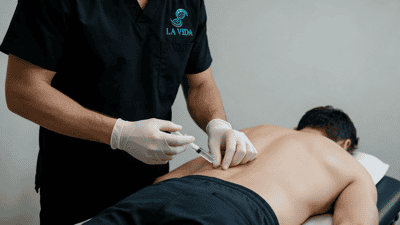
The source of the stem cells plays a significant role in how the treatment is administered. Autologous stem cell therapy involves extracting cells from the patient's own body. The most common extraction sites are adipose (fat) tissue, typically taken from the abdomen or flank, and bone marrow, usually drawn from the pelvic bone. Once extracted, the sample is spun in a centrifuge to concentrate the regenerative cells before they are injected into the affected joint.
Alternatively, allogeneic stem cell therapy relies on donor tissues. In the context of joint inflammation, clinics may use mesenchymal stem cells derived from donated umbilical cord tissue, Wharton's jelly, or placental tissue. These sources are known for containing robust, youthful cells with strong anti-inflammatory capabilities.
Each source has distinct advantages and potential drawbacks. Using your own cells eliminates the risk of tissue rejection, while using donor cord tissue avoids the need for an invasive extraction procedure. A qualified medical provider must review your medical history to determine which approach may be most appropriate for your specific health profile.
How much does stem cell therapy cost in the Dominican Republic?
Cost is a major driving factor for patients seeking healthcare options abroad. The stem cell therapy cost in the Dominican Republic is often noticeably lower than comparable treatments in the United States or Canada. This price difference is not necessarily indicative of lower quality, but rather reflects differences in the cost of living, administrative overhead, and national healthcare economics.
Several factors will influence the final cost of your treatment. These include the number of joints being treated, the source of the stem cells (autologous extractions versus donor tissue), the complexity of the delivery method (such as ultrasound or fluoroscopy guidance), and the specific clinic you choose.
| Cost Factor | Details Impacting Price Estimate |
|---|---|
| Cell Source | Bone marrow extraction often differs in price from umbilical cord allografts. |
| Number of Joints | Treating both knees simultaneously increases the overall material and clinical time. |
| Imaging Technology | Using ultrasound guidance for precise injection may add to the base facility fee. |
It is crucial to request a detailed, itemized estimate before committing to travel. You should clarify whether the quoted price covers consultations, pre-procedure blood work, facility fees, and any necessary local follow-up care.
Are the results of stem cell therapy for joint pain permanent?
Patients often wonder if a single injection will resolve their joint issues for a lifetime. Unfortunately, current medical evidence does not support stem cell therapy as a permanent cure for chronic joint degeneration. The underlying biomechanical issues that caused the arthritis or inflammation often persist, meaning wear and tear will continue over time.
However, many patients report a significant reduction in pain and inflammation that can last anywhere from a few months to several years. By altering the inflammatory environment within the joint, stem cells can provide an extended period of relief, potentially delaying the need for more invasive joint replacement surgeries.
The longevity of the results heavily depends on individual patient factors. Age, body weight, activity level, and the initial severity of the joint damage all play a role in how long the relief lasts. Patients who follow post-treatment rehabilitation protocols and maintain a healthy weight often experience more sustained benefits.
What should I look for in a stem cell therapy clinic in the Dominican Republic?
Choosing the right stem cell therapy clinic in the Dominican Republic is the most important step in ensuring a safe medical journey. Because regenerative medicine operates differently across various international jurisdictions, you must perform diligent research to ensure the facility meets recognized medical standards.
Begin by requesting information about the medical team's qualifications. Doctors administering these treatments should have specific training in regenerative medicine, orthopedics, or rheumatology. Ask about the clinic's sterilization procedures and whether they operate in a clinical environment regulated by the Dominican Ministry of Public Health.
Transparency is a strong indicator of a trustworthy clinic. They should be willing to openly discuss the origins of their stem cells, the processing methods used, and their protocols for managing potential complications. Avoid facilities that claim a 100% success rate or advertise their treatments as a miraculous, risk-free cure.
What are the potential risks of stem cell injections in joints?
Like any medical procedure involving needles and injections, stem cell therapy carries inherent risks. The most common complications are relatively minor and short-lived, such as localized pain, swelling, and stiffness at the injection site or the tissue harvest site.
More severe, though rare, complications can include joint infections (septic arthritis), damage to surrounding nerves or blood vessels, and adverse tissue reactions. When donor cells (allogeneic) are used, there is a theoretical risk of disease transmission or immune rejection, which is why rigorous screening and sterilization protocols by the clinic are non-negotiable.
One of the most significant risks for patients to consider is financial and emotional: the treatment may not work. Because results vary greatly between individuals, you must weigh the out-of-pocket costs and travel expenses against the possibility of experiencing minimal to no improvement in your joint inflammation.
Important Consideration
If complications arise after returning home, you will need a local doctor to manage your care. It is highly recommended to inform your primary care physician or orthopedic specialist about your plans before undergoing any treatment abroad.
How long does recovery take after joint stem cell injections?
The immediate recovery following a joint injection is generally quite manageable. Most patients experience a temporary increase in soreness or swelling inside the treated joint. This is an expected part of the biological healing response. Doctors usually advise resting the joint and minimizing weight-bearing activities for the first 24 to 48 hours.
Over the next few weeks, patients are typically encouraged to slowly reintroduce light, low-impact movements to help maintain joint mobility and support blood flow. Strenuous exercises, heavy lifting, and high-impact sports should be avoided until cleared by a medical professional.
It is important to understand that pain relief is rarely immediate. Because the stem cells require time to alter the inflammatory environment and promote cellular signaling, it may take several weeks or even a few months for patients to notice significant improvements in joint comfort and function.
Who is a good candidate for this procedure?
Patient selection is critical for achieving optimal outcomes with regenerative medicine. Individuals who suffer from chronic joint pain related to early or moderate osteoarthritis, sports injuries, or repetitive strain often see the most benefit. These patients generally have enough remaining cartilage structure to benefit from an altered inflammatory state.
Conversely, patients with complete cartilage loss, severe bone-on-bone friction, or major structural deformities in the joint are usually better suited for traditional orthopedic surgery. Furthermore, individuals with active systemic infections, active cancer, or certain autoimmune disorders may not be medically eligible for stem cell therapies.
A comprehensive consultation involving physical examinations, medical history reviews, and imaging studies (like X-rays or MRIs) is required to accurately determine if this treatment aligns with your health status and recovery goals.
How does medical tourism in the Dominican Republic work for regenerative medicine?
The rise of medical tourism in the Dominican Republic is driven by the country's strategic geographical location, modernizing medical facilities, and skilled healthcare workforce. Cities like Santo Domingo and Punta Cana have developed clinics that cater specifically to international patients seeking specialized treatments.
When organizing a medical trip, patients typically coordinate with the clinic remotely to share their medical records and imaging for an initial virtual consultation. Once eligibility is estimated, patients travel to the clinic for in-person evaluations, the actual procedure, and a short monitoring period before flying home.
While the tropical environment can offer a relaxing setting for immediate recovery, medical travelers must prioritize their health logistics over vacation activities. Adhering to the physician's post-treatment guidelines regarding mobility and rest is essential for ensuring safety and maximizing the potential benefits of the therapy.
Why Choose PlacidWay for Medical Tourism?
Navigating international healthcare options requires careful research. PlacidWay serves as a global medical resource, helping patients access information about clinics and treatments worldwide. When exploring treatments in the Dominican Republic, PlacidWay offers:
- Extensive Provider Directories: Access to a wide network of international clinics offering regenerative medicine.
- Direct Communication: Tools that allow you to connect directly with medical centers to ask specific questions about your condition.
- Facility Profiles: Information on clinic histories, available technologies, and listed physician credentials to aid your research.
- Cost Comparisons: The ability to review estimated pricing structures from multiple international providers simultaneously.
- Educational Resources: Informative articles and guides to help you better understand the scope of medical travel and regenerative therapies.
Frequently Asked Questions
Is stem cell therapy legal in the Dominican Republic?
Yes, regenerative medicine and cellular therapies are legally permitted when performed in facilities regulated and approved by the Dominican Republic Ministry of Public Health. Patients should always verify a clinic's licensing before booking.
How many injections will I need for knee inflammation?
The number of injections depends on the clinic protocol and the severity of your joint inflammation. Many patients receive a single treatment session, while others may require a subsequent injection months later based on their body's response.
Can I fly home immediately after receiving stem cell joint injections in the DR?
Physicians generally advise waiting 24 to 48 hours before flying home. This allows them to monitor for any immediate adverse reactions, handle localized swelling at the injection site, and ensure it is safe for you to endure air travel.
Does insurance cover stem cell therapy abroad?
Standard health insurance policies typically do not cover stem cell therapy for joint pain, whether performed domestically or abroad, as it is largely considered an investigational treatment by most major insurance providers.
What joints can be treated with stem cells?
Medical professionals frequently inject stem cells into major load-bearing and highly mobile joints, including knees, hips, shoulders, elbows, and ankles, depending on the patient's specific injury or degenerative condition.
Is it painful to get stem cell injections?
Patients usually experience mild discomfort. Local anesthesia is commonly applied to the injection site, and if cells are harvested from your body (like bone marrow), sedation or local numbing is used during the extraction process to minimize pain.
Are umbilical cord stem cells used in the Dominican Republic?
Yes, some specialized clinics in the Dominican Republic offer allogeneic treatments using ethically sourced mesenchymal stem cells derived from umbilical cord tissue, providing an alternative to autologous cell extraction.
How long does a stem cell consultation and treatment take in the DR?
The actual procedure is usually completed on an outpatient basis within a few hours. However, pre-treatment consultations, necessary blood work, and initial follow-up monitoring often require a total stay of a few days.
What should I avoid after joint stem cell injections?
Patients are typically advised to avoid strenuous physical activity, heavy lifting, and the use of non-steroidal anti-inflammatory drugs (NSAIDs) for a specific period to allow the cells to integrate and begin modulating inflammation naturally.
Can stem cells rebuild lost cartilage in my knee?
Current clinical evidence suggests that stem cells primarily help by modulating inflammation and reducing pain, rather than substantially regrowing or replacing lost cartilage in severely degenerated joints.
Compare Treatment Options for Joint Inflammation
Explore facility profiles, review estimated costs, and connect with medical centers in the Dominican Republic to gather information for your healthcare journey.
Request Treatment InformationReferences
- Mesenchymal Stem Cells for Osteoarthritis: Current Perspectives – National Institutes of Health (NIH) / PMC
- Stem Cell Therapy for Arthritis – Arthritis Foundation
- FDA Warns About Stem Cell Therapies – U.S. Food and Drug Administration
- Stem Cells: What They Are and What They Do – Mayo Clinic
- Patient Resources and Guidelines for Stem Cell Treatments – International Society for Stem Cell Research (ISSCR)
- Medical Tourism Guidelines and Travel Safety – Centers for Disease Control and Prevention (CDC)
























Share this listing