
A Guide to Stem Cell Therapy Cost in Dominican Republic

Exploring regenerative medicine abroad has become an option for many patients seeking treatments that may not be widely available or affordable in their home countries. Stem cell therapy in the Dominican Republic attracts international visitors due to its growing healthcare infrastructure, tropical recovery environment, and accessible pricing structures. However, navigating medical procedures in a foreign country requires careful research, realistic expectations, and a firm understanding of the financial and health commitments involved.
While regenerative medicine offers potential benefits for certain orthopedic and autoimmune conditions, it is important to remember that many of these treatments are still investigational. Outcomes vary significantly from patient to patient, and rigorous medical evaluation is necessary before proceeding. This guide breaks down the costs, common procedures, and important safety considerations for patients looking into this pathway.
Key Takeaways
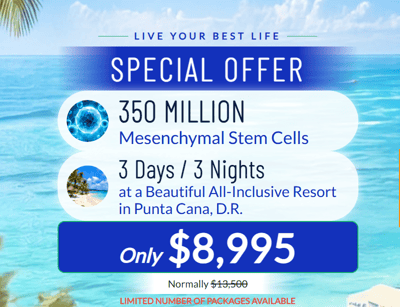
- Pricing generally spans from $4,000 to $9,000, presenting a lower cost alternative to similar treatments in North America.
- Treatments often involve autologous cells (from your own body) or allogeneic cells (like donated umbilical cord tissue).
- Suitability for treatment depends heavily on a thorough review of your medical history, as not everyone is an ideal candidate.
- Patient safety relies on finding facilities that follow strict international hygiene and ethical standards.
- Consulting with your primary care physician at home is strongly advised before committing to treatments abroad.
Why Do Patients Travel for Stem Cell Therapy in the Dominican Republic?
The rise of medical tourism in the Dominican Republic is fueled by several intersecting factors. First and foremost is affordability. High healthcare costs in the United States and Canada often make elective or investigational procedures prohibitively expensive. In contrast, the cost of living and operational overhead for medical facilities in the Caribbean are generally lower, which translates to reduced patient bills.
Additionally, regulatory frameworks differ from country to country. While strict health authorities like the FDA heavily restrict how stem cells can be processed and administered in the US, other countries may have frameworks that allow for the expanded use of cultured stem cells, such as those derived from umbilical cords. Patients seeking these specific types of therapies often find they need to travel internationally to access them.
Finally, the destination itself plays a role. The opportunity to recover in a warm, low-stress environment is appealing to those dealing with chronic pain or fatigue. However, balancing the appeal of a tropical recovery with the reality of undergoing a complex medical procedure requires practical planning.
What Factors Influence the Final Price of Treatment?
No two regenerative medicine protocols are exactly alike, which is why clinics rarely offer a flat, universal rate. When you request an estimate from a stem cell therapy clinic in the Dominican Republic, they will look at several variables:
- Cell Source: Using your own bone marrow or fat cells (autologous) typically requires a minor surgical extraction, adding to the cost. Conversely, using lab-expanded umbilical cord tissue (allogeneic) relies on specialized lab processing and cell count dosing.
- Cell Count: Treatments for systemic conditions may require millions of cells administered intravenously, which is often more expensive than a targeted localized injection for a single joint.
- Complementary Therapies: Some clinics package stem cells with hyperbaric oxygen therapy, IV nutrition, or specialized physical rehabilitation to support the healing process.
- Medical Staff Expertise: Facilities employing highly credentialed, internationally trained specialists or utilizing advanced diagnostic imaging will likely charge a premium for their services.
How Does the Cost Compare to North America?
In the United States, patients can easily face bills ranging from $8,000 to over $25,000 for stem cell therapies, depending on the clinic and the complexity of the protocol. Because insurance rarely covers these procedures, patients bear the entire financial burden. The high costs in the US are driven by administrative expenses, high medical liability insurance, and complex operational regulations.
By traveling abroad, you are accessing an economy with lower operational costs. A comprehensive protocol in the Dominican Republic might average $6,000. However, it is vital to factor in the hidden costs of travel. When comparing prices, remember to calculate airfare, hotel accommodations, meals, and local transportation. Even with these added travel expenses, many individuals find the overall financial investment to be significantly lower.
What Types of Stem Cells Are Commonly Used?
The type of stem cell recommended to you will depend heavily on what the doctor is trying to treat. Adipose-derived stem cells are harvested via a mini-liposuction procedure. Fat tissue is rich in regenerative cells and is frequently used for orthopedic joint issues. Bone marrow-derived cells involve extracting marrow, usually from the hip bone, and are widely studied for bone and joint regeneration.
Umbilical cord-derived Mesenchymal Stem Cells (UC-MSCs) are increasingly popular in international clinics. These cells are harvested from ethically donated umbilical cords after healthy, full-term deliveries. They are valued because they are considered "young" cells, which theoretically have a strong capacity for replication and reducing inflammation. Because they are immune-privileged, they rarely cause rejection in the recipient. However, the processing and storage of these cells require strict laboratory standards to remain viable and uncontaminated.
Which Medical Conditions Are Frequently Treated?
Regenerative medicine aims to support the body’s natural repair mechanisms. In orthopedic applications—such as osteoarthritis of the knee, hip, or shoulder—stem cells may help manage pain and improve mobility by addressing localized inflammation and potentially supporting tissue repair. Many athletes and active individuals explore these options to delay or avoid invasive joint replacement surgeries.
Systemic administration, usually via intravenous (IV) drip, is sometimes used for patients managing autoimmune conditions like rheumatoid arthritis, multiple sclerosis, or lupus. The theoretical goal here is immune modulation—calming an overactive immune system. Additionally, some clinics offer protocols aimed at anti-aging and general wellness.
It is crucial to understand that stem cell therapy is not a definitive cure for these conditions. Outcomes are highly variable. While some patients report significant improvements in their quality of life, others may experience little to no benefit. Medical professionals should clearly explain these limitations during your consultation.
Is the Procedure Safe in the Dominican Republic?
Medical treatments inherently carry risks, and regenerative medicine is no exception. In the Dominican Republic, reputable medical facilities operate under the oversight of the Ministry of Public Health and often seek accreditations from international bodies. However, regulations may not mirror those of your home country, placing the responsibility on the patient to vet the provider thoroughly.
Safety revolves around two main pillars: clinical hygiene and cell quality. If a clinic uses donor cells, those cells must be screened for communicable diseases according to strict international blood bank standards. The laboratory environment where cells are cultured must be sterile to prevent bacterial contamination. Furthermore, the physicians administering the treatments should have verifiable credentials and experience in regenerative protocols.
How Should I Evaluate a Potential Clinic?
Choosing the right provider is the most critical step in your medical tourism journey. Start by asking direct questions during your initial consultations. A trustworthy clinic will be entirely transparent. Look for the following indicators of quality:
- Clear Communication: Are they willing to collaborate with your primary care doctor at home?
- Realistic Expectations: Avoid clinics that promise "miracle cures," "100% success rates," or try to rush you into making a financial deposit.
- Lab Documentation: If using allogeneic cells, they should be able to provide documentation or a Certificate of Analysis (COA) proving the cells have been screened for diseases and tested for viability.
- Comprehensive Evaluation: They should require recent medical records, blood panels, and imaging before confirming your eligibility for treatment.
What Are the Potential Risks and Contraindications?
As with any injection or minor surgical procedure, there is a risk of bleeding, localized pain, or infection. While severe immune rejection is rare when using autologous cells or appropriately processed MSCs, unpredictable adverse reactions can still occur. Additionally, the scientific community continues to study the long-term behavior of cultured cells, noting that improper handling could theoretically lead to uncontrolled cell growth, though this is rare with adult mesenchymal stem cells.
Certain patients are generally not good candidates. This includes individuals with active systemic infections, those undergoing treatment for cancer (as stem cells could potentially promote tumor growth), and patients with severe, late-stage organ failure. A responsible physician will decline to treat you if the medical risks outweigh the theoretical benefits.
What Does the Recovery Process Entail?
If you undergo a joint injection, you may experience mild swelling, stiffness, and soreness for a few days. Doctors typically advise against taking anti-inflammatory medications (like ibuprofen) immediately after, as a mild inflammatory response is necessary to trigger the healing mechanism of the stem cells. Rest and gentle movement are usually recommended.
For systemic IV treatments, patients might feel fatigued or experience mild flu-like symptoms for 24 to 48 hours as the body adjusts. It is vital to plan for a few days of downtime before flying home. Keep in mind that stem cell therapy is not a quick fix; tissue remodeling and immune modulation happen on a microscopic level. It may take anywhere from 3 to 12 weeks to observe subjective improvements in symptoms or pain levels.
Why Choose PlacidWay for Medical Tourism in the Dominican Republic?
Navigating the global healthcare landscape can be overwhelming. PlacidWay serves as a comprehensive medical tourism resource, helping patients connect with healthcare facilities internationally. If you are exploring treatments in the Caribbean, utilizing a structured platform can simplify your research phase.
- Extensive Provider Network: Access a curated directory of specialized clinics and hospitals operating in the Dominican Republic.
- Accessible Clinic Profiles: Review detailed information regarding facility accreditations, available treatments, and medical team credentials in one place.
- Cost Transparency: Obtain estimated pricing directly from multiple clinics, allowing you to compare options according to your budget.
- Direct Communication: Utilize the platform to send inquiries and medical records directly to healthcare providers for preliminary assessments.
- Educational Resources: Benefit from a wealth of articles and guides designed to help you understand international medical procedures and what to ask your provider.
Frequently Asked Questions
How many stem cell therapy sessions will I need?
The number of required sessions depends on the medical condition being treated, its severity, and your individual response to the initial treatment. Some patients receive a single comprehensive session, while others may require a series of treatments spread over weeks or months. A qualified medical professional will outline an estimated treatment schedule after evaluating your medical history.
Does health insurance cover regenerative treatments abroad?
Generally, standard US or Canadian health insurance policies do not cover stem cell therapies, especially those performed internationally. These procedures are largely considered elective or investigational. You should expect to pay out-of-pocket, which is why many patients look toward destinations with lower overall medical costs.
How long should I plan to stay in the Dominican Republic?
Most clinics recommend staying for at least 3 to 7 days. This allows time for a thorough pre-treatment consultation, the procedure itself, and initial post-treatment observation. Depending on the complexity of your therapy, some physicians may request you stay longer to monitor your early recovery.
Is it safe to fly immediately after my procedure?
Flying immediately after treatment is typically discouraged due to the risks of blood clots, swelling, and the physical stress of travel on a healing body. Most medical providers suggest waiting a minimum of 48 to 72 hours before taking a flight, though this timeline can vary based on the specific procedure performed.
What is the difference between autologous and allogeneic stem cells?
Autologous stem cells are harvested from your own body, usually from bone marrow or adipose (fat) tissue, minimizing the risk of rejection. Allogeneic stem cells come from a carefully screened donor, often utilizing umbilical cord tissue (Wharton’s jelly). Both approaches have different clinical applications and varying price points.
Do I need a special medical visa to travel to the Dominican Republic?
Patients from the US, Canada, and many European countries do not typically need a special medical visa for short visits to the Dominican Republic; a standard tourist visa or tourist card is usually sufficient. However, you should always verify current entry requirements with your local embassy before booking travel.
Will I need to bring my medical records with me?
Yes, bringing comprehensive medical records is essential. Clinics need your latest blood tests, imaging (like MRIs or X-rays), and physician notes to confirm you are a suitable candidate and to customize your treatment protocol safely. Many clinics will ask you to share these securely before you travel.
Are stem cell treatments in the Dominican Republic FDA approved?
No, the US Food and Drug Administration (FDA) does not have jurisdiction over medical facilities outside the United States. Healthcare facilities in the Dominican Republic are regulated by their local Ministry of Public Health. Patients must do their own research to ensure the clinic follows international ethical and safety guidelines.
Is everyone a candidate for stem cell therapy?
No, stem cell therapy is not suitable for everyone. Patients with certain active infections, specific types of cancer, or severe underlying health conditions may be contraindicated for treatment. A rigorous evaluation by a qualified medical professional is required to determine if the potential benefits outweigh the risks for your specific case.
What should I do if I experience side effects after returning home?
Before leaving the clinic, you should receive a detailed aftercare plan and emergency contact information. If you experience severe pain, fever, or signs of infection after returning home, you should seek immediate medical attention from a local healthcare provider and notify your treating clinic abroad.
Compare Treatment Options Today
Take the next step in your healthcare journey. Request educational resources, compare estimated costs, and connect with medical facilities in the Dominican Republic to see if you are a candidate for treatment.
Request Treatment InformationReferences
- FDA Warns About Stem Cell Therapies – U.S. Food and Drug Administration
- Patient Guide to Stem Cell Treatments – International Society for Stem Cell Research (ISSCR)
- Stem Cell Information Basics – National Institutes of Health (NIH)
- Travelers' Health: Dominican Republic – Centers for Disease Control and Prevention (CDC)
- Stem cells: What they are and what they do – Mayo Clinic
- Ministerio de Salud Pública (Public Health Ministry) – Dominican Republic Government




















Share this listing