


Limb Lengthening Surgery in Istanbul: Is It Safe for Foreigners? Quality, Credentials, and Safety Protocols
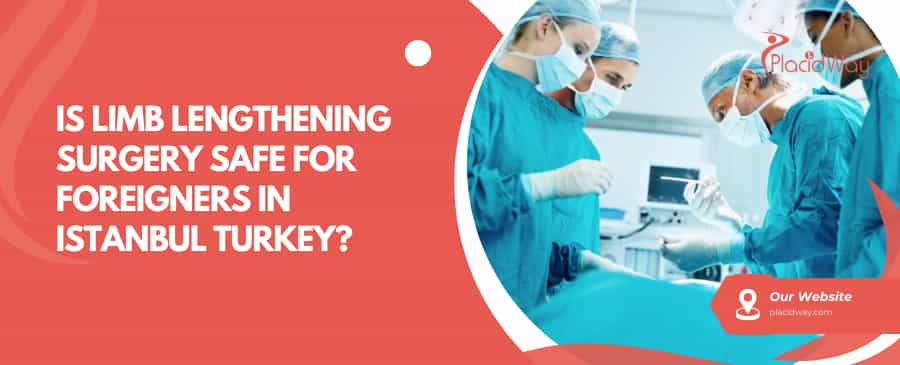
For many individuals seeking to increase their height, limb lengthening surgery has become a viable option. Istanbul, Turkey, has emerged as a prominent destination for medical tourism, including complex procedures like limb lengthening. This surge in popularity often raises crucial questions, especially regarding safety and quality of care for international patients.
If you're considering limb lengthening surgery in Istanbul, you're likely wondering about the overall safety, the expertise of the surgeons, and the standards of the clinics. While Turkey offers competitive pricing and advanced medical technology, understanding the nuances of undergoing such a significant procedure as a foreigner is essential. This guide aims to address your concerns by providing detailed answers to common questions about limb lengthening surgery in Istanbul, helping you make an informed decision about your health journey.
What are the safety considerations for limb lengthening surgery in Istanbul?
Limb lengthening surgery, by its nature, is a complex orthopedic procedure that requires meticulous planning and execution. In Istanbul, as with any medical destination, safety considerations revolve around several key factors. Firstly, the clinic's accreditation is paramount. Look for facilities that hold international accreditations, such as those from the Joint Commission International (JCI), which signifies adherence to rigorous global healthcare standards. These accreditations ensure that the facility meets high benchmarks for patient safety, quality of care, and infection control.
Secondly, the surgeon's experience and specialization are critical. Surgeons performing limb lengthening should have extensive training and a proven track record specifically in limb reconstruction and lengthening techniques. It’s important to inquire about their number of successful procedures, their approach to potential complications, and their team’s qualifications. Finally, comprehensive pre-operative evaluations are essential to determine if a patient is a suitable candidate, minimizing risks. This includes thorough medical history reviews, physical examinations, and imaging studies to assess bone health and overall fitness for surgery.
What qualifications should I look for in a surgeon for limb lengthening in Turkey?
Choosing the right surgeon is arguably the most important step in ensuring a safe and successful limb lengthening surgery. When researching surgeons in Turkey, prioritize those with strong credentials and a focus on orthopedic limb reconstruction. Key qualifications to look for include:
- Board Certification: Ensure the surgeon is certified by a recognized orthopedic board in Turkey or an equivalent international body. This indicates a high level of training and expertise.
- Specialization: The surgeon should have a specific focus or sub-specialty in limb lengthening and deformity correction. This isn't a general orthopedic procedure, so specialized experience is crucial.
- Experience: Inquire about the number of limb lengthening surgeries they have performed and their success rates. Experience translates directly into a better understanding of potential challenges and how to manage them.
- Hospital Affiliation: Reputable surgeons are typically affiliated with well-known, accredited hospitals that have the necessary infrastructure and support staff for complex surgeries and post-operative care.
Additionally, look for surgeons who prioritize transparent communication, explaining the procedure, potential risks, and recovery process in detail. A surgeon who encourages questions and provides clear answers builds trust and confidence, which is vital for international patients.
How does the cost of limb lengthening surgery in Istanbul compare to other countries?
One of the primary drivers for foreigners choosing Istanbul for limb lengthening surgery is the cost-effectiveness. The overall expenses, including the surgery, hospitalization, and initial rehabilitation, can be substantially lower compared to what one might pay in North America, Western Europe, or Australia. This cost advantage doesn't necessarily imply lower quality; rather, it reflects a different economic structure, lower operational costs, and favorable exchange rates in Turkey.
For example, a limb lengthening procedure that might cost upwards of $70,000 to $100,000 or more in the United States could be found for $25,000 to $50,000 in Istanbul. These figures are estimates and can vary widely based on the specific clinic, the chosen surgical method (e.g., internal vs. external fixators), the extent of lengthening, and the duration of stay. It is crucial to get a detailed quote that includes all aspects of treatment, from pre-operative consultations to surgery, hospitalization, medication, and initial physical therapy. Always ask for a breakdown of the costs of limb lengthening surgery in Istanbul to understand what is included and what might be an additional expense.
What is the typical recovery process for limb lengthening surgery?
The recovery process for limb lengthening surgery is extensive and requires significant commitment. It is not a quick fix but a journey that can last a year or more. Initially, after the surgery, patients typically spend a few days to a week in the hospital for pain management and initial monitoring. During this time, they learn how to manage the lengthening device and begin gentle movement exercises.
Following the initial hospital stay, patients enter the "lengthening phase," which usually lasts for 2 to 3 months. During this period, the patient or a caregiver gradually adjusts the device (either externally or internally) to slowly separate the bone segments, stimulating new bone growth. This phase is characterized by regular follow-up appointments with the surgeon and intensive physical therapy to maintain joint mobility and muscle strength. The "consolidation phase" follows, where the new bone hardens. This can take several months to over a year, depending on the individual's healing rate and the amount of lengthening. Throughout these stages, continuous rehabilitation and adherence to medical advice are critical for a successful outcome and to prevent complications such as joint stiffness or muscle contractures.
Are there specific risks associated with limb lengthening surgery for foreigners in Turkey?
While the inherent medical risks of limb lengthening surgery (infection, nerve damage, non-union, etc.) are universal, foreigners in Turkey might face additional challenges. Communication can be a significant hurdle. While many medical professionals in Istanbul speak English, misunderstandings can arise, especially during critical discussions about symptoms, care instructions, or unexpected issues. It's advisable to ensure the clinic provides translation services if needed or to have a companion who can assist with communication.
Another challenge is managing the extended recovery and rehabilitation period away from one's home country. Limb lengthening requires a long commitment, often months of stay in Istanbul, followed by ongoing rehabilitation back home. Planning for this extended stay, including accommodation, travel, and support systems, is crucial. Moreover, verifying the credentials and reputation of clinics and surgeons from a distance requires thorough due diligence to avoid less reputable providers. Always seek multiple opinions and verify accreditations independently.
What aftercare and rehabilitation support is available for international patients in Istanbul?
High-quality aftercare and rehabilitation are integral to the success of limb lengthening surgery. Reputable clinics in Istanbul understand the needs of international patients and often provide comprehensive support. This typically includes:
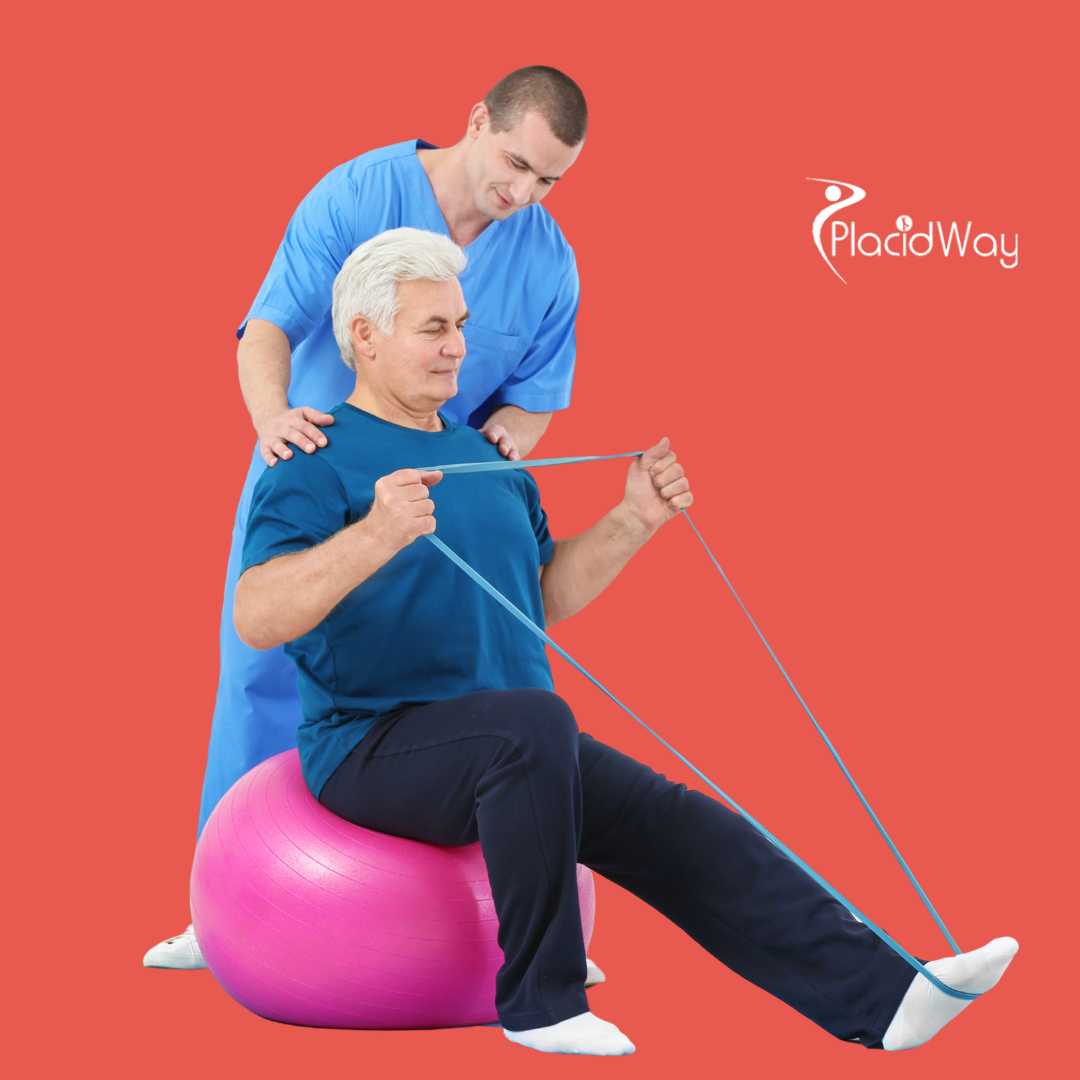
- In-Clinic Physiotherapy: Dedicated physiotherapy sessions are usually scheduled daily or several times a week during the initial lengthening phase to maintain muscle strength, joint flexibility, and prevent contractures.
- Regular Follow-up Appointments: The surgeon will conduct frequent check-ups, including X-rays, to monitor bone growth and adjust the lengthening protocol as needed.
- Pain Management: Ongoing support for pain management is provided, with access to medication and advice on coping strategies.
- Logistical Support: Many clinics or associated medical tourism agencies assist with practicalities such as arranging suitable long-term accommodation with accessibility features, airport transfers, and interpreter services.
Before committing, discuss the full scope of aftercare, including how long you are expected to stay in Istanbul for intensive rehabilitation and what support will be available once you return home. Some clinics may offer telemedicine consultations for remote follow-ups, which can be a valuable resource during the consolidation phase.
How do I choose a reputable clinic for limb lengthening in Istanbul?
Selecting the right clinic is paramount for a safe and successful limb lengthening journey. Here’s a checklist to help you identify a reputable institution in Istanbul:
- Accreditation: Look for international accreditations like JCI. This indicates high standards of patient safety and quality.
- Surgeon’s Credentials: As discussed, verify the surgeon’s board certification, specialization, and experience specifically in limb lengthening.
- Technology and Facilities: Ensure the clinic uses modern surgical techniques and equipment and has state-of-the-art operating rooms, rehabilitation facilities, and recovery areas.
- Transparency: A reputable clinic will be open about its success rates, potential risks, and a clear breakdown of costs without hidden fees. They should provide detailed patient information materials.
- Patient Testimonials and Reviews: Seek out genuine reviews and testimonials from previous international patients. Online forums and medical tourism platforms can be good resources, but always cross-reference information.
- Communication: Assess how effectively the clinic communicates, especially concerning language support, and their responsiveness to your inquiries.
Consider consulting with medical tourism facilitators who have established relationships with accredited clinics in Turkey. They can help vet options and streamline the process, though direct communication with the clinic and surgeon remains essential.
What is the success rate of limb lengthening surgery in Istanbul?
The success rate of limb lengthening surgery refers to achieving the desired increase in height with minimal complications and a good functional outcome. In reputable clinics in Istanbul, the success rates are comparable to those in other leading medical centers worldwide. Surgeons experienced in this field often report high success rates in achieving the target lengthening, typically between 90-95% when considering the primary goal of lengthening.
However, "success" is multi-faceted. It also encompasses the avoidance of major complications and the patient's ability to regain full function and mobility post-recovery. Factors influencing success include the patient's age, overall health, bone quality, commitment to physical therapy, and strict adherence to the surgeon's instructions. While the surgical technique is critical, patient compliance during the lengthy recovery and rehabilitation phases significantly impacts the ultimate outcome. It is important to have realistic expectations and a thorough understanding of potential challenges from the outset.
Are there any legal protections for foreign patients undergoing surgery in Turkey?
Turkey has a comprehensive legal framework protecting patient rights, which extends to foreign patients receiving medical treatment within the country. These rights generally cover aspects such as:
- Right to Information: Patients have the right to be fully informed about their diagnosis, treatment options, potential risks, and costs in a language they understand.
- Right to Choose: Patients can choose their healthcare provider and treatment method within legal and ethical bounds.
- Right to Privacy: Confidentiality of medical information is protected.
- Right to Lodge Complaints: Patients have the right to file complaints if they believe their rights have been violated or if they have received substandard care.
In cases of medical malpractice or adverse events, foreign patients generally have the same legal recourse as Turkish citizens, which can involve filing a complaint with the Ministry of Health or pursuing civil action. It is advisable to understand your rights, keep detailed records of your treatment, and potentially consult with a legal expert specializing in medical law if concerns arise. Choosing an accredited clinic that maintains strong ethical practices further safeguards your interests.
What is the duration of stay required in Istanbul for limb lengthening surgery and recovery?
The duration of your stay in Istanbul for limb lengthening surgery and the initial recovery phase is a significant logistical consideration. While the surgical procedure itself may only require a few days of hospitalization, the active lengthening phase and immediate post-operative rehabilitation necessitate a much longer presence in the city. Patients typically need to remain in Istanbul for a minimum of 2 to 3 months.
This period allows for:
- Initial post-operative monitoring and pain management.
- The commencement of the lengthening process, which requires daily adjustments of the device.
- Regular follow-up appointments with the surgeon to monitor bone growth and progress.
- Intensive daily physical therapy sessions to maintain muscle strength, joint mobility, and prevent contractures.
- Learning to safely mobilize with the lengthening device and adapting to daily activities.
After this initial intensive period, some patients may return home and continue their consolidation and rehabilitation with local medical professionals, while others might choose to stay longer in Istanbul for continued specialized care. Always discuss the expected duration of stay, follow-up schedule, and options for remote monitoring with your chosen clinic to plan your travel and accommodation accordingly.
Ready to explore your options for limb lengthening surgery or other medical tourism solutions? Visit PlacidWay today to connect with top-tier global healthcare providers and plan your health journey with confidence.







.png)









Share this listing