


Top Knee Replacement Surgeons in Bengaluru: Leading Experts and Robotic Specialists

Welcome to our comprehensive guide on finding the best orthopedic surgeons for conventional knee replacement in Bengaluru, India. If you or a loved one are considering knee replacement surgery, you're likely navigating a lot of information, and choosing the right surgeon is arguably the most critical step. Bengaluru, a bustling metropolis often called the "Silicon Valley of India," is also a leading hub for advanced medical care, especially in orthopedics. Its medical infrastructure attracts patients from across India and internationally, seeking high-quality, affordable healthcare.
When it comes to conventional knee replacement, also known as Total Knee Arthroplasty (TKA), the expertise of your surgeon profoundly impacts the outcome. In Bengaluru, you'll find a wealth of highly skilled orthopedic specialists who have dedicated years to mastering this intricate procedure. This guide aims to help you understand what makes a surgeon exceptional, what factors to consider during your search, and why Bengaluru stands out as a premier destination for knee replacement surgery. We'll delve into the specifics that matter most to patients, ensuring you have all the information needed to make an informed decision for your knee health.
What Defines the Best Orthopedic Surgeons for Conventional Knee Replacement in Bengaluru?
Defining "best" can be subjective, but in the medical field, it boils down to measurable expertise and outcomes. For conventional knee replacement, the ideal surgeon possesses several key attributes:
- Experience and Volume: A surgeon who performs a high volume of knee replacement surgeries annually tends to have better outcomes. Their familiarity with various case complexities leads to greater precision and fewer complications.
- Specialized Training: Look for surgeons with fellowship training specifically in joint replacement or arthroplasty. This indicates a deeper level of expertise beyond general orthopedics. Many top surgeons in Bengaluru have international training and certifications.
- Reputation and Patient Testimonials: While not the sole factor, a strong reputation among peers and positive patient testimonials often reflect a surgeon's skill, compassionate care, and successful results. Online reviews and direct referrals can provide valuable insights.
Furthermore, the best surgeons are committed to patient education, ensuring you fully understand the procedure, potential risks, and expected recovery. They work within multidisciplinary teams, including physiotherapists and pain management specialists, to ensure comprehensive care from pre-surgery to full rehabilitation.
How Do I Find a Qualified Knee Replacement Surgeon in Bengaluru?
Locating a highly qualified surgeon for your conventional knee replacement in Bengaluru involves a systematic approach. It's about gathering information from various reliable sources to build a clear picture of potential candidates.
- Doctor Referrals: Your general practitioner or a trusted physician can often provide initial recommendations based on their professional network and experience.
- Hospital Affiliations: Top orthopedic surgeons are usually affiliated with reputable hospitals known for their orthopedic departments and advanced facilities. Research hospitals in Bengaluru that specialize in joint replacements.
- Medical Tourism Facilitators: Platforms like PlacidWay specialize in connecting patients with certified medical professionals and facilities globally, including orthopedic surgeons for conventional knee replacement in Bengaluru. They can provide vetted lists and assist with the entire process.
- Online Research: Utilize professional medical directories and healthcare review sites, but always cross-reference information and look for consistent positive feedback regarding their expertise in knee replacement.
Always prioritize surgeons who are board-certified and have a transparent track record of successful conventional knee replacement surgeries. Don't hesitate to schedule initial consultations to assess their approach and comfort level.
What is the Typical Cost of Conventional Knee Replacement Surgery in Bengaluru?
The cost of conventional knee replacement surgery in Bengaluru is notably more affordable compared to Western countries, without compromising on quality, making it an attractive option for many. Several factors influence the final price:
| Cost Factor | Description |
|---|---|
| Hospital Type | Private, multi-specialty hospitals are generally more expensive than government or smaller facilities due to advanced infrastructure and services. |
| Surgeon's Fees | Highly experienced and renowned surgeons may charge higher fees. |
| Implant Quality | Implants can be imported (e.g., from the USA, Europe) or Indian-made. Imported implants are usually more expensive but may offer specific benefits. |
| Length of Hospital Stay | Longer stays due to complications or extended recovery will increase costs. |
| Pre/Post-operative Care | Costs for diagnostic tests, physiotherapy sessions, and medications are usually separate. |
It's crucial to obtain a detailed cost estimate from the hospital or surgeon's office, which should ideally be an all-inclusive package covering surgery, anesthesia, hospital stay, and basic post-operative care. This transparency helps in planning your medical journey.
What Should I Expect During Recovery After Conventional Knee Replacement?
Recovery is a critical phase of conventional knee replacement surgery, demanding patience and commitment. The goal is to restore mobility, strength, and function to your new knee.
- Immediate Post-Op (Hospital Stay): You'll begin gentle exercises and mobilization within 24 hours of surgery. Pain management will be a priority. You'll learn how to get out of bed, use crutches or a walker, and perform basic exercises under the guidance of a physiotherapist.
- First Few Weeks at Home: The focus remains on pain control, wound care, and continuing prescribed exercises. Swelling is common, and elevation and ice application are important. You'll gradually increase your walking distance and range of motion.
- Months 1-3: Physiotherapy becomes more intensive, aiming to strengthen muscles around the knee and improve flexibility. You'll transition from walking aids to independent walking. Driving may be possible around 4-6 weeks post-surgery, depending on the knee.
Full recovery, where you can comfortably return to most daily activities and light sports, can take up to a year. Adhering to your physiotherapist's instructions and maintaining a positive attitude are key to achieving the best possible outcome.
Are There Specific Hospitals Known for Excellence in Knee Replacement in Bengaluru?
Bengaluru is home to a robust healthcare ecosystem with numerous hospitals that are highly regarded for their orthopedic services, including conventional knee replacement. These institutions are equipped with state-of-the-art operation theatres, advanced diagnostic tools, and comprehensive rehabilitation facilities.
These hospitals often feature:
- Dedicated joint replacement centers.
- Cutting-edge imaging technologies like MRI and CT scans.
- Sterile environments to minimize infection risks.
- Multidisciplinary teams including orthopedic surgeons, anesthesiologists, intensivists, physiotherapists, and nurses specialized in post-operative care.
When selecting a hospital, consider its accreditation (e.g., NABH or JCI), infection control protocols, patient-to-nurse ratio, and the availability of emergency services. Researching hospitals where leading orthopedic surgeons for conventional knee replacement in Bengaluru primarily practice can guide your choice.
What Makes Bengaluru a Preferred Destination for Medical Tourism for Knee Replacement?
For international patients, Bengaluru offers a compelling blend of factors that make it an ideal choice for medical tourism, particularly for procedures like conventional knee replacement:
- Affordability: The cost of knee replacement surgery in Bengaluru is significantly lower than in many Western countries, often saving patients 50-70% on overall expenses, including travel and accommodation.
- World-Class Expertise: Indian orthopedic surgeons, especially those in Bengaluru, are highly trained, often with international experience and fellowships. They perform a large volume of joint replacements, leading to refined skills and excellent outcomes.
- Advanced Infrastructure: Hospitals in Bengaluru are equipped with modern technology, adhering to international standards of care, and offering advanced surgical techniques.
- Language and Hospitality: English is widely spoken in medical settings, easing communication for international patients. Indian culture is also known for its hospitality and patient-centric care.
Many hospitals also offer specialized international patient services, providing assistance with visas, accommodation, airport transfers, and interpreter services, ensuring a smooth and comfortable experience for those traveling for medical care.
What is the Process for International Patients Seeking Knee Replacement in India?
Seeking medical treatment abroad can seem daunting, but the process for international patients coming to India for knee replacement is well-established and streamlined:
- Initial Inquiry & Medical Records: Patients typically contact a hospital's international patient desk or a medical tourism facilitator like PlacidWay. They submit their medical reports (X-rays, MRI, medical history) for review by a Bengaluru orthopedic surgeon.
- Consultation & Treatment Plan: The surgeon reviews the records and provides an opinion, a proposed treatment plan, and a cost estimate. A virtual consultation may be arranged.
- Visa Assistance: Once the treatment plan is approved, the hospital or facilitator assists with obtaining a medical visa for India.
- Travel & Accommodation: Patients arrange their travel, and often the hospital or facilitator can help with airport transfers and accommodation bookings.
- Arrival & Pre-Operative Check-ups: Upon arrival in Bengaluru, a comprehensive medical check-up, blood tests, and imaging are conducted to finalize the surgery plan.
- Surgery & Recovery: The conventional knee replacement surgery is performed, followed by the hospital stay and initial rehabilitation.
- Post-Operative Care & Return: After discharge, patients usually stay for a few weeks in India for continued physiotherapy and follow-up appointments before being cleared to fly back home.
Throughout this process, a dedicated patient coordinator often acts as a single point of contact, ensuring a seamless experience.
What Are the Success Rates of Conventional Knee Replacement in Bengaluru Hospitals?
The success rates for conventional knee replacement surgeries performed by experienced orthopedic surgeons for conventional knee replacement in Bengaluru are consistently high, mirroring global standards. Success is typically measured by several key outcomes:
- Pain Relief: A significant reduction or complete elimination of knee pain is the primary goal and a major indicator of success.
- Improved Mobility and Function: Patients regain the ability to perform daily activities like walking, climbing stairs, and standing with greater ease.
- Longevity of Implant: Modern knee implants are designed to last 15-20 years or even longer for a majority of patients.
- Patient Satisfaction: High levels of patient satisfaction are a testament to the overall positive impact on their quality of life.
While success rates are impressive, individual outcomes can vary based on factors such as the patient's overall health, adherence to post-operative rehabilitation, and the complexity of their specific condition. Surgeons in Bengaluru often utilize advanced techniques and quality implants to ensure optimal long-term results.
What Are the Key Factors in Choosing an Orthopedic Surgeon for Knee Replacement?
Beyond the "best" label, a surgeon who is the "right fit" for you is crucial. Here's a checklist of key factors to consider:
- Specialization and Focus: Does the surgeon primarily perform joint replacement surgeries? A high volume indicates specific expertise.
- Communication Style: Choose a surgeon who listens attentively, explains things clearly, and makes you feel comfortable asking questions. A good rapport is essential.
- Team Approach: Does the surgeon work with a comprehensive team of anesthesiologists, physiotherapists, and nurses? Integrated care leads to better outcomes.
- Hospital Quality: Evaluate the hospital where the surgeon operates. Look for accreditations, infection control rates, and overall patient care standards.
- Post-Operative Support: Inquire about the follow-up care and rehabilitation programs offered or recommended by the surgeon. This is vital for long-term success.
Taking the time to research and perhaps consult with a few different orthopedic surgeons for conventional knee replacement in Bengaluru can help you make an informed decision that aligns with your specific needs and preferences.
What Rehabilitation and Follow-Up Care Are Crucial After Knee Replacement Surgery?
The success of your conventional knee replacement surgery hinges significantly on diligent rehabilitation and consistent follow-up care. This phase is just as important as the surgery itself.
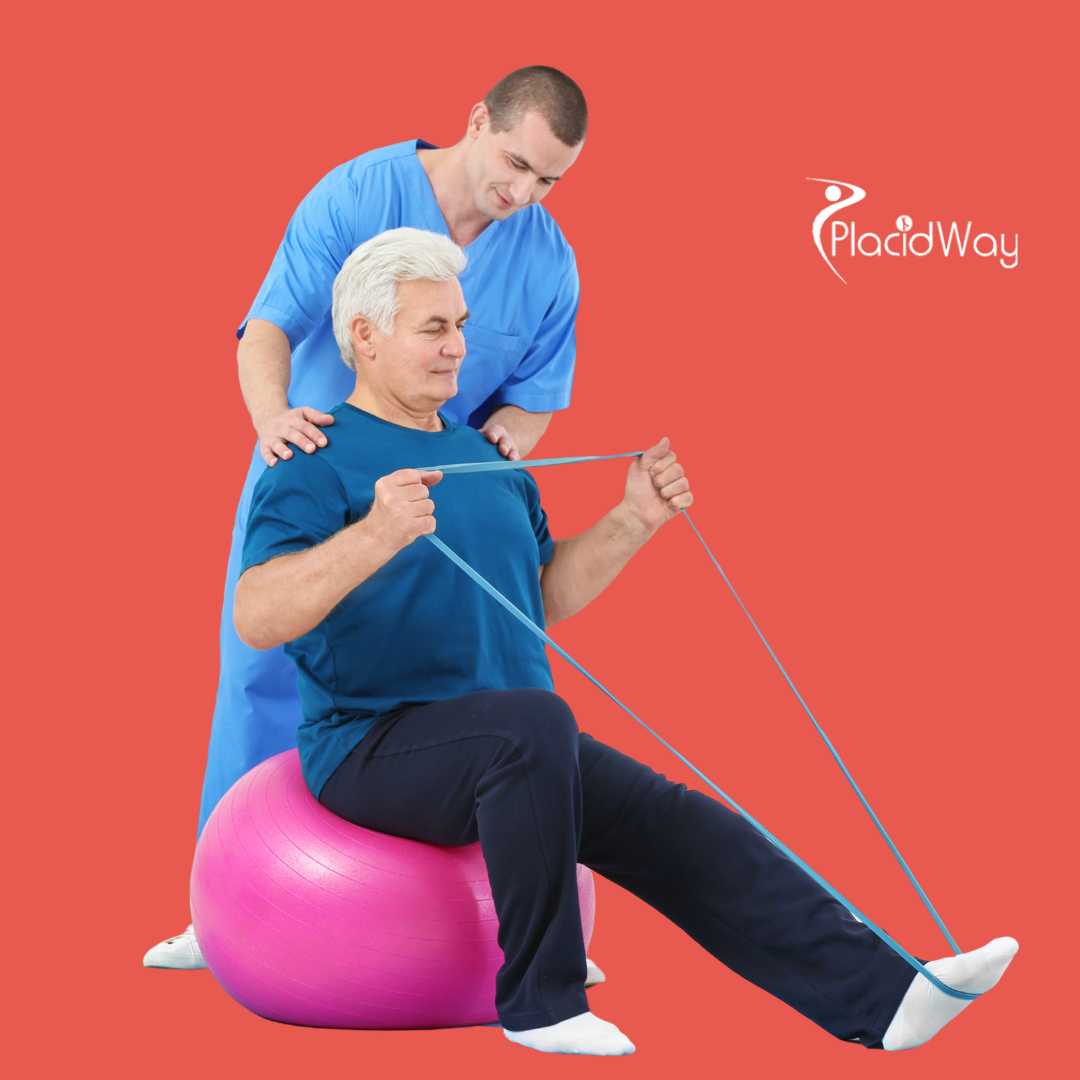
- Physical Therapy (PT): This is the cornerstone of recovery. Starting in the hospital and continuing for weeks or months, PT helps restore strength, flexibility, and range of motion. Exercises will progress from gentle movements to more challenging strengthening and balance activities.
- Home Exercise Program: Your physiotherapist will provide a customized home exercise program. Consistency in performing these exercises daily is vital for optimal recovery and preventing stiffness.
- Pain Management: While immediate post-op pain is managed in the hospital, managing residual pain and discomfort at home is important. Follow your doctor's prescriptions and recommendations carefully.
- Regular Follow-ups: Scheduled visits with your orthopedic surgeon in Bengaluru are essential. These check-ups typically occur at 6 weeks, 3 months, 6 months, and then annually. The surgeon monitors your recovery, checks the implant's stability, and addresses any concerns.
- Lifestyle Adjustments: You'll receive guidance on avoiding high-impact activities, maintaining a healthy weight, and proper body mechanics to protect your new knee and ensure its longevity.
Adhering to these post-operative instructions ensures the best possible outcome for your conventional knee replacement, allowing you to enjoy a more active and pain-free life.
If you're ready to explore your options for conventional knee replacement in Bengaluru or other leading medical destinations, PlacidWay is here to help. We connect you with top-tier healthcare providers worldwide, offering personalized assistance to navigate your medical journey with ease and confidence. Contact us today to find your solution.








.png)









Share this listing