


How Stem Cells Can Help Treat Diabetes in Colombia
Managing diabetes is often a lifelong journey involving strict dietary habits, daily medications, and constant monitoring. Because traditional treatments focus primarily on managing symptoms rather than reversing the underlying causes, many patients explore regenerative medicine. In recent years, stem cell therapy in Colombia has gained attention as an alternative or supplementary approach to standard diabetes care.
This article explores how the treatment works, what to expect, and why international patients are increasingly considering this destination for regenerative medicine. We will look at the science behind the therapy, estimated costs, safety considerations, and the realities of seeking treatment abroad.
Key Takeaways
- Stem cell therapy for diabetes focuses on immunomodulation and cellular repair, largely using mesenchymal stem cells (MSCs).
- It is an investigational treatment that may help lower insulin requirements, but it is not a replacement for prescribed medication.
- Outcomes vary widely depending on whether a patient has Type 1 or Type 2 diabetes and their overall health.
- Choosing a reputable clinic with transparent medical protocols is vital for patient safety.
- Colombia provides an appealing balance of modern medical infrastructure and affordable treatment costs compared to North America.
How exactly does stem cell therapy target diabetes?
Diabetes occurs when the pancreas cannot produce enough insulin or when the body cannot effectively use the insulin it produces. Stem cell therapy primarily utilizes Mesenchymal Stem Cells (MSCs), which are known for their strong anti-inflammatory and immunomodulatory properties.
When these cells are introduced into the body, they migrate toward areas of inflammation. In the context of diabetes, the goal is to calm the overactive immune response (particularly in Type 1) and reduce insulin resistance in peripheral tissues (in Type 2). Additionally, ongoing research suggests that MSCs may secrete factors that support the survival and function of existing pancreatic beta cells, which are responsible for producing insulin.
Is this treatment effective for both Type 1 and Type 2 diabetes?
Type 1 diabetes is an autoimmune condition where the body's immune system destroys insulin-producing beta cells. Stem cell therapy for Type 1 focuses on immunomodulation—essentially trying to "reboot" or calm the immune system so it stops attacking the pancreas. It is highly experimental and relies on catching the disease early before all beta cells are destroyed.
Type 2 diabetes is a metabolic disorder characterized by insulin resistance. Here, stem cells are used to address systemic inflammation and improve the body's sensitivity to insulin. Patients with Type 2 diabetes often report improvements in energy levels and blood glucose stabilization, though it requires continued lifestyle modifications, including diet and exercise, to maintain any potential benefits.
What are the realistic outcomes I can expect?
Entering regenerative treatment with realistic expectations is vital. Stem cells are not a magic fix that allows patients to abandon their diets or stop taking medications overnight. Potential positive outcomes reported by some patients include:
- A gradual reduction in HbA1c levels over several months.
- Decreased dependency on high doses of exogenous insulin.
- Improvements in diabetes-related complications, such as mild neuropathy.
- More stable energy levels throughout the day.
However, results are highly individualized. Factors such as your age, weight, the duration you have had diabetes, and your overall health significantly impact how your body responds to the therapy.
Is stem cell therapy for diabetes considered safe?
The safety of the procedure depends heavily on the source of the stem cells and the standards of the facility where you receive treatment. Adult mesenchymal stem cells, whether harvested from your own body (autologous) or derived from donated, screened umbilical cord tissue (allogeneic), typically have a low risk of rejection or severe allergic reaction.
Risks primarily revolve around the administration process, such as mild fever, fatigue, or localized pain at the injection or IV site. The most significant risk comes from receiving unverified treatments from poorly regulated providers. It is essential to consult with your primary endocrinologist before pursuing experimental therapies to ensure they do not interfere with your current management plan.
How much does stem cell therapy cost in Colombia compared to other countries?
The `stem cell therapy cost in Colombia` is one of the primary drivers for international patients. While identical therapies in the United States or Europe can easily exceed $20,000 to $30,000 (if they are even legally available outside of clinical trials), Colombian facilities offer more accessible pricing due to lower operational and living costs, not a reduction in medical quality.
Prices fluctuate based on the type of stem cells used, the required cell count (dosage), the number of treatment sessions, and whether the package includes hotel stays and local transportation. Always ask for an itemized estimate to understand exactly what is included in your treatment plan.
What should I look for in a stem cell therapy clinic in Colombia?
Finding a trustworthy `stem cell therapy clinic in Colombia` requires diligent research. You should prioritize facilities that emphasize patient safety over aggressive marketing. A responsible clinic will not promise a cure and will be honest about the investigational nature of the treatment.
Look for centers that have an in-house or closely affiliated GMP-certified laboratory. This ensures that the stem cells are processed, expanded, and stored under strict sterile conditions. Furthermore, the medical team should consist of board-certified specialists who ask for your complete medical records and conduct their own blood work before confirming your eligibility for the procedure.
How is the procedure actually performed?
If you are receiving autologous therapy, the process begins with a minor liposuction procedure to extract fat tissue or a bone marrow aspiration. The tissue is then sent to a laboratory where the stem cells are isolated and concentrated. This process can take several hours to a few days. If you are receiving allogeneic (umbilical cord) cells, this extraction step is skipped, as the cells are already prepared and ethically sourced from healthy donors.
The actual administration is usually straightforward. You will relax in a comfortable chair while the stem cells are infused into your bloodstream via an IV drip. The infusion takes about one to two hours, during which medical staff will monitor your vitals to ensure you do not have any adverse reactions.
What is the recovery process like after treatment?
Because the treatment is minimally invasive, the physical recovery is quite fast. If you had a fat extraction, you might experience mild bruising and soreness at the donor site. From the IV infusion itself, patients often report feeling tired or experiencing a low-grade fever for 24 to 48 hours—this is a normal inflammatory response as the body reacts to the cellular activity.
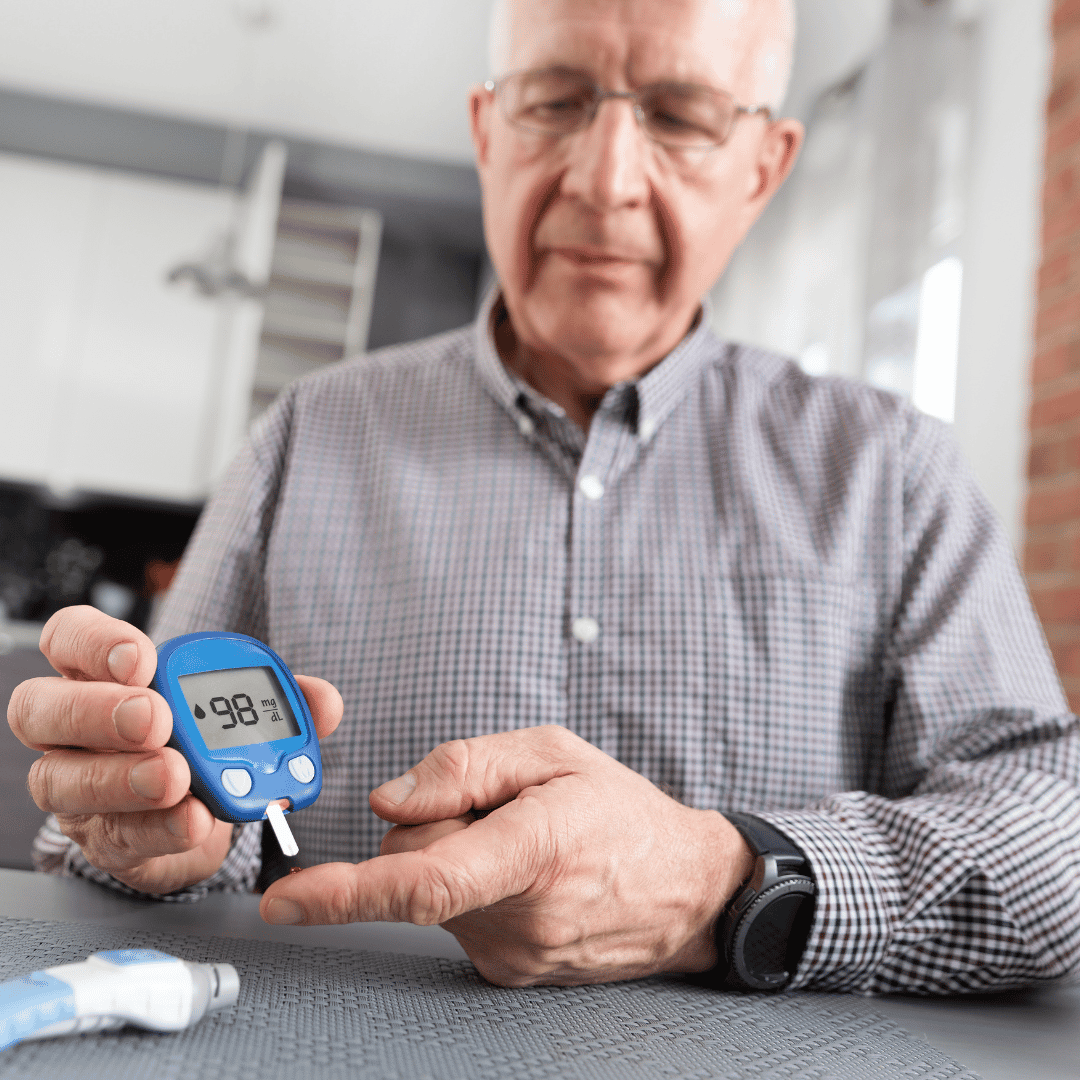
You will be advised to avoid strenuous exercise, heavy lifting, and alcohol for at least a week after the procedure. It is also vital that you continue taking your prescribed diabetes medications and monitoring your blood sugar closely, as any changes in your condition will happen gradually over months, not days.
Why are patients choosing medical tourism in Colombia for this therapy?
The rise of `medical tourism in Colombia` is backed by substantial investments in healthcare infrastructure. Cities like Bogotá, Medellín, and Cali are home to modern clinics that cater specifically to international patients, offering bilingual staff and comprehensive patient-support services.
Patients appreciate that Colombian doctors often undergo training in the US or Europe, bringing global standards of care back to their local practices. Furthermore, the geographical proximity to North America makes travel relatively short and convenient. The mild, pleasant climates in many Colombian cities also offer a comfortable setting for patients to rest and recover post-treatment.
How do I prepare for a stem cell procedure abroad?
Proper preparation is key to a smooth medical journey. Start by compiling your recent blood work, HbA1c history, and a list of all current medications. Most reputable clinics in Colombia will require a virtual consultation before you travel to assess your eligibility and create a customized treatment plan.
You should also discuss the trip with your primary care doctor at home. While they may caution you about the investigational nature of stem cells, keeping them informed is necessary for your long-term follow-up care. Finally, ensure your passport is valid and review any travel health advisories well in advance of your departure.
Why Choose PlacidWay for Medical Tourism in Colombia?
PlacidWay is a leading global medical tourism platform that connects patients with healthcare options abroad. Here is how the platform assists patients exploring regenerative therapies:
- Extensive Network: PlacidWay provides access to a large directory of internationally recognized clinics and hospitals in Colombia.
- Informative Resources: The platform offers educational materials, articles, and guides to help patients understand their medical travel options.
- Direct Communication: Patients can use the platform to connect directly with clinics, request transparent pricing estimates, and ask specific medical questions.
- Cost Comparisons: The system allows users to compare different packages and facility offerings side-by-side to find options that match their budget.
- Global Experience: With years of experience in the medical tourism industry, PlacidWay helps coordinate initial inquiries for patients traveling from around the world.
Frequently Asked Questions
Does stem cell therapy cure diabetes permanently?
No, stem cell therapy is not a permanent cure for diabetes. It is an investigational treatment that may help manage symptoms, improve blood sugar control, and reduce dependency on insulin, but ongoing standard diabetes care is still required.
How long does it take to see results after treatment?
Patients typically report noticing gradual changes within three to six months following the procedure. However, the timeline varies widely depending on individual metabolism, disease severity, and overall health.
Can I stop taking my diabetes medication after the procedure?
You should never stop taking prescribed diabetes medication without direct instructions from your primary endocrinologist. While some patients eventually lower their dosage, medication management must be carefully monitored by a doctor.
What type of stem cells are used for diabetes treatment in Colombia?
Clinics most commonly use mesenchymal stem cells (MSCs). These can be autologous (harvested from your own fat tissue or bone marrow) or allogeneic (ethically sourced from donated umbilical cord tissue).
Are there age limits for receiving stem cells for diabetes?
While there is no strict universal age limit, most clinics evaluate patients on a case-by-case basis. Older adults may be less suitable for autologous therapies if their own stem cells are depleted, making umbilical cord-derived cells a more common alternative.
Will my health insurance cover stem cell therapy in Colombia?
Most health insurance plans do not cover stem cell therapy for diabetes, whether performed domestically or internationally, because it is largely considered an experimental or investigational procedure. Expect to pay out-of-pocket.
How long do I need to stay in Colombia for the treatment?
Patients are usually advised to stay in Colombia for 5 to 7 days. This allows enough time for pre-treatment medical evaluations, the procedure itself, and several days of rest and follow-up observation before flying home.
Is it safe to fly immediately after receiving stem cell injections?
Doctors typically recommend waiting at least 48 to 72 hours after an intravenous stem cell infusion before taking a long flight. This precaution helps monitor for any immediate adverse reactions and reduces the risk of travel-related fatigue.
Can stem cells help with diabetic neuropathy?
Some clinical studies suggest that the regenerative and anti-inflammatory properties of mesenchymal stem cells may help improve symptoms of diabetic neuropathy, such as nerve pain and numbness, though results are not guaranteed.
What are the main contraindications for this treatment?
Active infections, a history of certain cancers, severe cardiovascular disease, and uncontrolled bleeding disorders are common contraindications. A thorough medical evaluation is required to determine individual eligibility.
Explore Your Regenerative Medicine Options
Connect with reputable clinics in Colombia to receive educational information, evaluate your eligibility, and compare estimated costs for stem cell therapy.
Request Treatment InformationReferences
- Stem cell therapy for diabetes: A review of clinical trials - National Institutes of Health (NIH)
- Stem Cell Research and Diabetes - American Diabetes Association (ADA)
- FDA Warns About Stem Cell Therapies - U.S. Food and Drug Administration (FDA)
- Diabetes Fact Sheet - World Health Organization (WHO)
- Patient Resources on Stem Cell Treatments - International Society for Stem Cell Research (ISSCR)
- Medical Tourism Travel Information - Centers for Disease Control and Prevention (CDC)
Medical Disclaimer: The information provided in this article is for educational purposes only and does not constitute medical advice, diagnosis, or treatment planning. Stem cell therapy for diabetes is largely investigational and is not universally approved as a standard cure. Individual results, risks, and recovery experiences vary significantly. Always consult with a licensed primary care physician or endocrinologist before pursuing any alternative or regenerative medical treatments, whether locally or abroad.




.png)




.png)

.png)
.png)










Share this listing