
A Guide to Minimally Invasive Spine Surgery Cost in Jelenia Gora, Poland

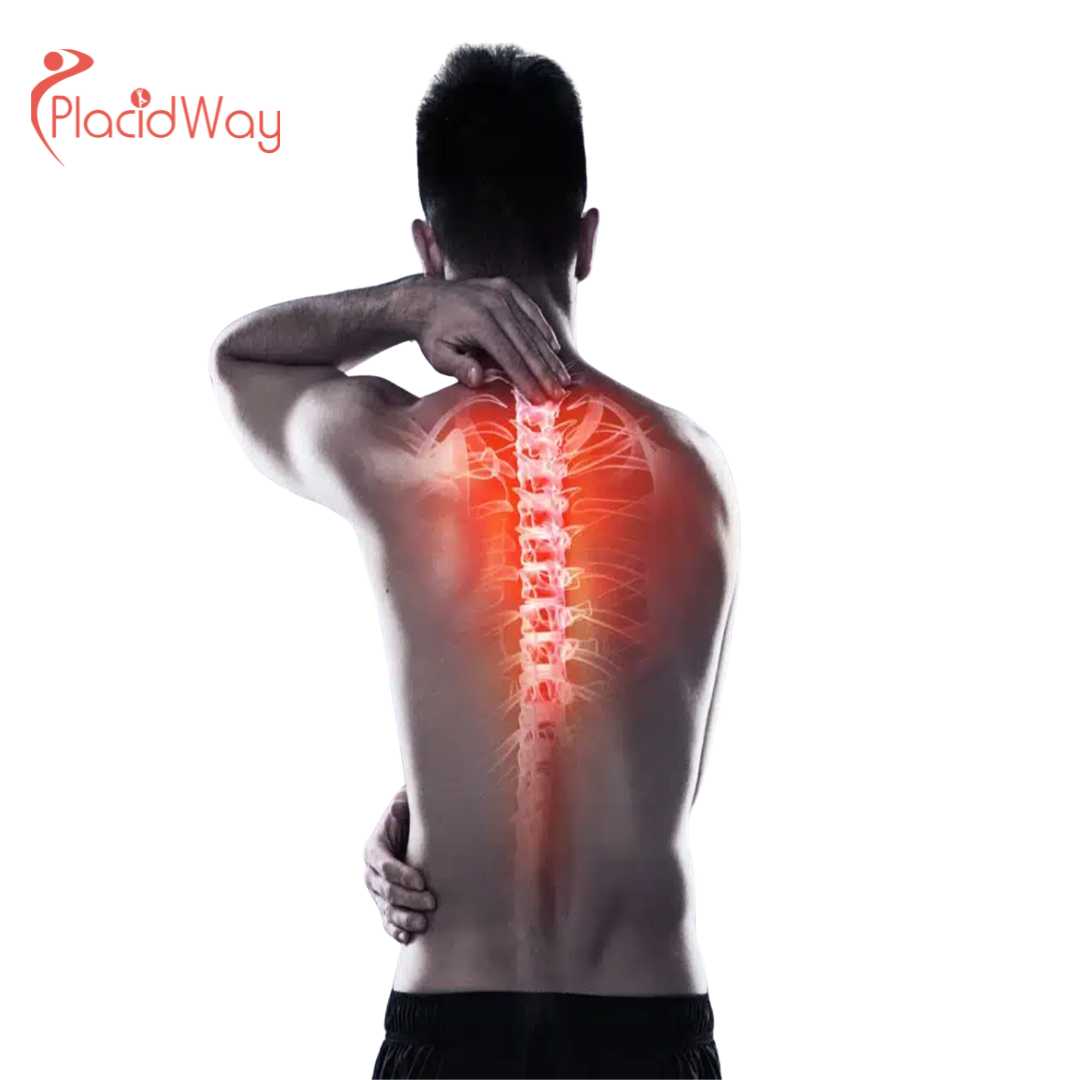
Dealing with chronic back pain or a spinal condition can severely impact your quality of life. For individuals considering international healthcare options, evaluating the prospect of minimally invasive spine surgery in Jelenia Gora, Poland, has become a practical pathway. This approach to spinal treatment aims to reduce tissue damage, shorten recovery times, and lower the overall financial burden compared to healthcare systems in regions like North America or the UK. However, deciding to undergo a major operation abroad requires thorough research, realistic expectations regarding medical outcomes, and a detailed understanding of the logistics involved.
Key Takeaways
- Estimates for this procedure in Jelenia Gora typically range from $6,000 to $9,500, varying by complexity and required implants.
- Minimally invasive methods use smaller incisions and muscle dilation, which may lead to faster early recovery, though outcomes vary by patient.
- Thorough pre-operative preparation, including up-to-date MRIs and comprehensive medical history reviews, is required before traveling.
- Patients must plan for a 10 to 14-day post-operative stay in Poland to monitor initial healing and obtain a fit-to-fly certificate.
- Establishing a local medical connection in your home country is essential for long-term follow-up care and managing potential complications.
What is minimally invasive spine surgery, and who is a candidate?
Unlike traditional open spine surgery, which often requires a long incision and significant muscle dissection, MISS aims to minimize trauma to the soft tissues surrounding the spine. Surgeons use progressive tubular retractors to gently separate the muscle fibers, creating a small tunnel to the surgical site. This method often results in less post-operative pain, reduced blood loss, and a shorter initial hospital stay for suitable patients.
However, not every spinal condition can be treated with a minimally invasive approach. Candidacy depends heavily on the specific pathology, the patient's anatomical structure, and their overall health profile. Complex spinal deformities, severe scoliosis, or cases requiring extensive multi-level fusions frequently still necessitate an open approach to give the surgeon adequate visibility and access. A thorough evaluation by a qualified orthopedic surgeon or neurosurgeon is the only way to determine if MISS is appropriate for your specific situation.
What factors influence the minimally invasive spine surgery cost in Jelenia Gora, Poland?
When reviewing estimates for spinal surgery, it is helpful to understand how the total cost is constructed. The base price often includes the surgeon’s fee, the operating room time, and standard anesthesia. A microdiscectomy, which involves removing a small portion of a herniated disc, sits on the lower end of the cost spectrum because it typically does not require implantable hardware.
Conversely, procedures like a Minimally Invasive Transforaminal Lumbar Interbody Fusion (MIS TLIF) are more complex and expensive. These surgeries require bone grafts, specialized cages, and stabilizing screws or rods. The brand and material of this hardware can significantly alter the overall estimate. Additionally, extended hospital stays due to a slower-than-expected initial recovery, or the need for advanced pre-operative diagnostic imaging (like fresh MRI scans), can add to the final bill.
How much can you save by traveling to Poland for spine surgery?
The lower price points found in Central Europe are primarily due to different macroeconomic factors, including lower administrative overhead, favorable exchange rates, and a lower general cost of living. This economic disparity allows medical facilities to offer lower prices without necessarily altering the quality of the hardware used or the medical standards applied.
However, financial savings must be weighed against the additional costs of medical travel. When calculating your total expenditure, you must factor in round-trip airfare, accommodation for the required two-week recovery period, daily meals, local transportation, and potential travel insurance. It is also wise to set aside an emergency fund in case complications require an extended stay or additional medical intervention.
| Procedure Type | Estimated Cost Range in Poland |
|---|---|
| Microdiscectomy | $6,000 - $7,500 |
| Minimally Invasive Laminectomy | $6,500 - $8,000 |
| Minimally Invasive Spinal Fusion (1 Level) | $8,000 - $9,500+ |
*Note: Prices are estimates only and will vary based on individual medical needs and clinic pricing structures.
What are the common types of minimally invasive spine procedures?
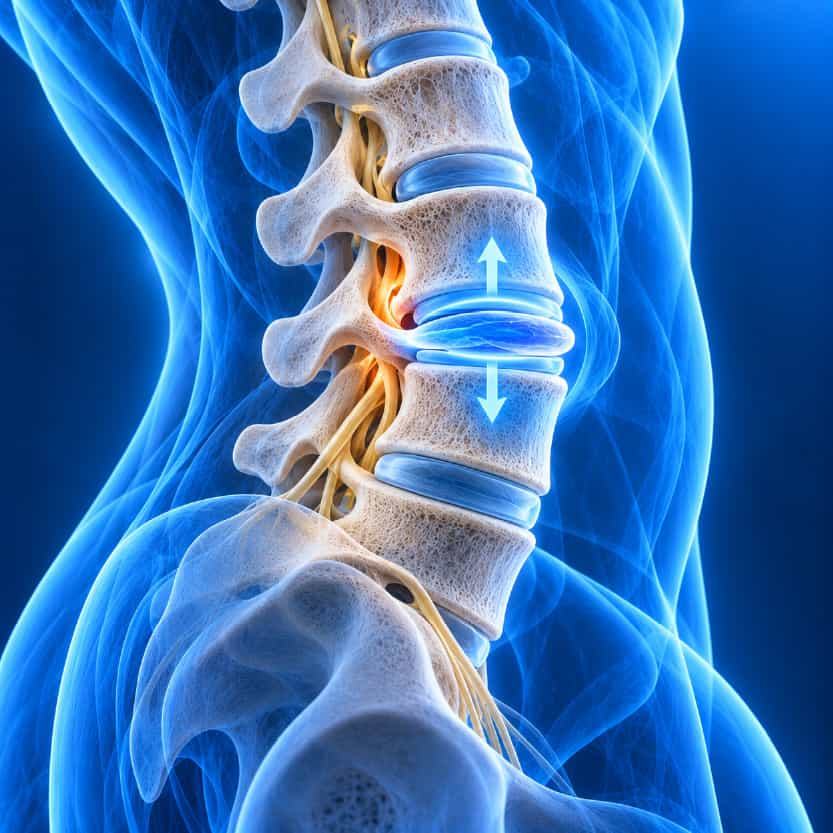
- Microdiscectomy: This is often used to treat sciatica caused by a herniated disc pressing on a nerve root. The surgeon removes the portion of the disc that is causing the compression, which may alleviate pain and numbness in the legs.
- Minimally Invasive Laminectomy: Frequently performed for spinal stenosis, this involves removing part or all of the lamina (the bony roof of the spinal canal) to create more space for the spinal cord and nerves.
- Minimally Invasive Spinal Fusion: Conditions like degenerative disc disease or spondylolisthesis may require fusing two or more vertebrae together. Using tubular retractors, the surgeon inserts bone graft material and secures the spine with hardware, aiming to stop painful motion at that spinal segment.
What are the potential risks and complications of spine surgery?
While minimally invasive techniques aim to reduce surgical trauma, they do not eliminate risk. Deep tissue infections or wound healing issues can occur and may require prolonged antibiotic treatment or even revision surgery. Furthermore, manipulating areas close to the spinal cord and nerve roots always carries a risk of unintended nerve damage, which could lead to weakness, ongoing pain, or in rare cases, paralysis.
Another significant consideration is "Failed Back Surgery Syndrome" (FBSS). This refers to a situation where the surgery is technically successful from an anatomical standpoint, but the patient continues to experience chronic pain. Additionally, spinal fusions carry the risk of pseudoarthrosis—where the bones fail to fuse properly over time—or adjacent segment disease, where the spinal segments above or below the fusion break down due to increased stress.
How should patients prepare for spine surgery abroad?
Proper preparation is vital for patient safety. You will need to provide the overseas surgical team with comprehensive medical records, including recent blood work, EKGs, and high-quality MRI or CT scans. The surgical team will rely on these to confirm your diagnosis and outline the surgical plan. Never rely on imaging that is over six months old, as spinal pathologies can change over time.
You will also need to discuss your current medication regimen with both your local physician and the surgical team. Medications that affect blood clotting, such as aspirin, NSAIDs, or specialized blood thinners, typically need to be paused several days or weeks before surgery to reduce the risk of excessive bleeding. If you smoke, you will be strongly advised to quit well before the procedure, as nicotine severely impairs bone healing and increases the risk of fusion failure and infection.
What is the typical recovery timeline for this procedure?
One of the potential benefits of the minimally invasive approach is a faster return to light activities. Many patients are encouraged to walk on the same day or the day after their surgery to promote blood flow and reduce the risk of blood clots. The initial hospital stay may last anywhere from one to three days, followed by a local recovery period in a hotel or rental apartment.
Despite the smaller external scars, the internal healing process takes time. For a microdiscectomy, patients may return to sedentary work within a few weeks. However, for a spinal fusion, the biological process of the bones knitting together takes months. During this time, physical therapy is often introduced gradually. Individual recovery timelines vary wildly based on age, overall fitness, and adherence to post-operative restrictions.
Will I need follow-up care after returning home from Jelenia Gora?
Medical continuity is one of the most critical, yet frequently overlooked, aspects of medical tourism. Before traveling to Poland, you should arrange for a local general practitioner or orthopedic specialist who is willing to oversee your rehabilitation upon your return. They will need to remove any remaining stitches, monitor surgical wounds for delayed infections, and order follow-up X-rays to ensure spinal fusions are progressing as expected.
Ensure you leave the clinic in Poland with a comprehensive medical file translated into English. This file should include the operative report, details of the hardware used (including serial numbers), discharge summaries, and a post-operative care plan. Having this documentation allows your local doctors to seamlessly take over your care and respond appropriately if you develop sudden pain, fever, or neurological symptoms weeks or months after the procedure.
Why do patients consider a minimally invasive spine surgery clinic in Jelenia Gora, Poland?
Located in southwestern Poland near the borders of the Czech Republic and Germany, Jelenia Gora provides a more relaxed atmosphere compared to bustling capital cities. For individuals recovering from spinal surgery, avoiding heavily trafficked metropolitan areas can reduce the physical stress of navigating crowds and finding accessible transportation during the initial, vulnerable days of recovery.
Furthermore, Poland has a long-standing tradition of medical education and specialized training. Many surgical facilities are equipped to European standards and maintain hygiene and patient safety protocols aligned with broader EU regulations. However, patients must still perform their own due diligence, verifying the specific credentials of the surgeon and ensuring the facility is equipped to handle potential intra-operative emergencies.
What are the logistics of medical tourism in Jelenia Gora, Poland?
From a logistical standpoint, international patients must verify their visa requirements well in advance. Since Poland is part of the Schengen Area, citizens of many countries can enter for short stays without a visa, but medical stays occasionally require specific documentation depending on your nationality. You will likely fly into a larger nearby airport, such as Wroclaw, and arrange ground transport to Jelenia Gora.
It is highly recommended to travel with a companion. After spine surgery, you will be physically restricted; carrying luggage, bending to pick up items, or even navigating a foreign pharmacy can be challenging. Your travel companion can assist with daily tasks, provide emotional support, and act as an advocate during clinical consultations. Finally, consider purchasing a medical complication insurance policy, as standard travel insurance almost never covers issues arising from planned elective surgeries abroad.
Why Choose PlacidWay for Medical Tourism Research?
PlacidWay is an informational platform designed to help patients research international healthcare options. When researching treatment abroad, utilizing a structured resource can help you gather necessary data to make an informed choice alongside your medical provider.
- Extensive Directories: Provides access to information on medical facilities and providers across dozens of countries, including Poland.
- Comparative Information: Allows patients to compare estimated procedure costs and facility profiles in one place.
- Educational Resources: Offers articles and guides to help patients understand the general logistics of medical tourism.
- Direct Inquiries: Facilitates initial communication between the patient and the chosen international healthcare facility for consultation purposes.
- Specialty Focus: Includes specific categories for complex treatments like orthopedics and spine surgery.
Frequently Asked Questions
Does insurance cover spine surgery in Poland for international patients?
Most domestic health insurance plans do not cover elective procedures performed outside your home country. You will likely need to pay out-of-pocket or purchase specialized medical tourism insurance, though some international health policies may offer partial reimbursement depending on the provider network.
How long do I need to stay in Jelenia Gora after the operation?
Patients are typically advised to remain in the area for 10 to 14 days following their operation. This allows the surgical team to monitor your initial recovery, manage post-operative pain, and remove any non-dissolvable sutures before you travel back home.
Can I fly home immediately after spinal surgery?
No. Flying too soon after spinal surgery increases the risk of deep vein thrombosis (DVT) and pulmonary embolism. Surgeons typically require a waiting period of one to two weeks, depending on the complexity of the procedure, before issuing a fit-to-fly certificate.
Will English be spoken at clinics in Jelenia Gora?
Many medical facilities that cater to international patients employ English-speaking medical staff or provide translation services. However, it is highly recommended to confirm language support during your initial consultation to ensure clear communication throughout your treatment.
What hardware is used during spinal fusions in Poland?
Surgeons typically use titanium or specialized medical-grade polymer hardware, such as screws, rods, and cages. These materials are widely used globally due to their durability and biocompatibility. The specific brand or type used depends on the clinic's inventory and the patient's anatomical needs.
Are pre-operative MRIs included in the estimated surgery cost?
Pre-operative imaging, such as recent MRI or CT scans, is usually priced separately unless explicitly stated in a comprehensive package. Many patients choose to have these scans completed in their home country and forward them to the surgical team during the evaluation phase.
How do I transfer my medical records to a Polish clinic?
Records are typically transferred via secure, encrypted digital portals or specialized medical imaging transfer services. Your local physician can compile your surgical history, diagnostic imaging, and current medication lists to ensure the surgical team has a complete health profile.
Can I undergo physical therapy in Jelenia Gora before returning home?
Yes. Some patients choose to extend their stay to begin early-stage physical therapy locally. While the initial days focus purely on resting and walking, mild rehabilitative exercises can sometimes begin under the guidance of a local physiotherapist before departure.
What happens if I experience pain after returning to my home country?
You should seek immediate evaluation from a local spine specialist or emergency department. It is crucial to have a designated primary care physician or local orthopedist back home who is aware of your surgery abroad and can manage late-onset complications or routine follow-ups.
Are minimally invasive techniques suitable for severe scoliosis?
Minimally invasive techniques are often reserved for less complex structural issues, such as herniated discs or mild stenosis. Severe or multi-level spinal deformities, like significant scoliosis, frequently require open surgical approaches to ensure adequate correction and stabilization.
Compare Treatment Options
Gather information on medical providers, compare estimated procedures costs, and request details for your specific healthcare needs.
Request Treatment InformationReferences
- Low Back Pain Fact Sheet – National Institute of Neurological Disorders and Stroke (NINDS)
- Minimally Invasive Surgery – Mayo Clinic
- Medical Tourism: Travel to Another Country for Medical Care – Centers for Disease Control and Prevention (CDC)
- Minimally Invasive Spine Surgery – American Academy of Orthopaedic Surgeons (AAOS)
- Patient Resources: Surgical Options – North American Spine Society (NASS)
- Patient Safety Fact Sheet – World Health Organization (WHO)



















Share this listing