


In recent years, Eastern Europe has emerged as a powerhouse for global healthcare, drawing thousands of international patients seeking specialized care. Within this rapidly expanding market, finding an has become a priority for medical tourists looking to combine exceptional clinical outcomes with significant cost savings. The country boasts a robust healthcare infrastructure characterized by modern medical centers and highly regulated clinical environments.
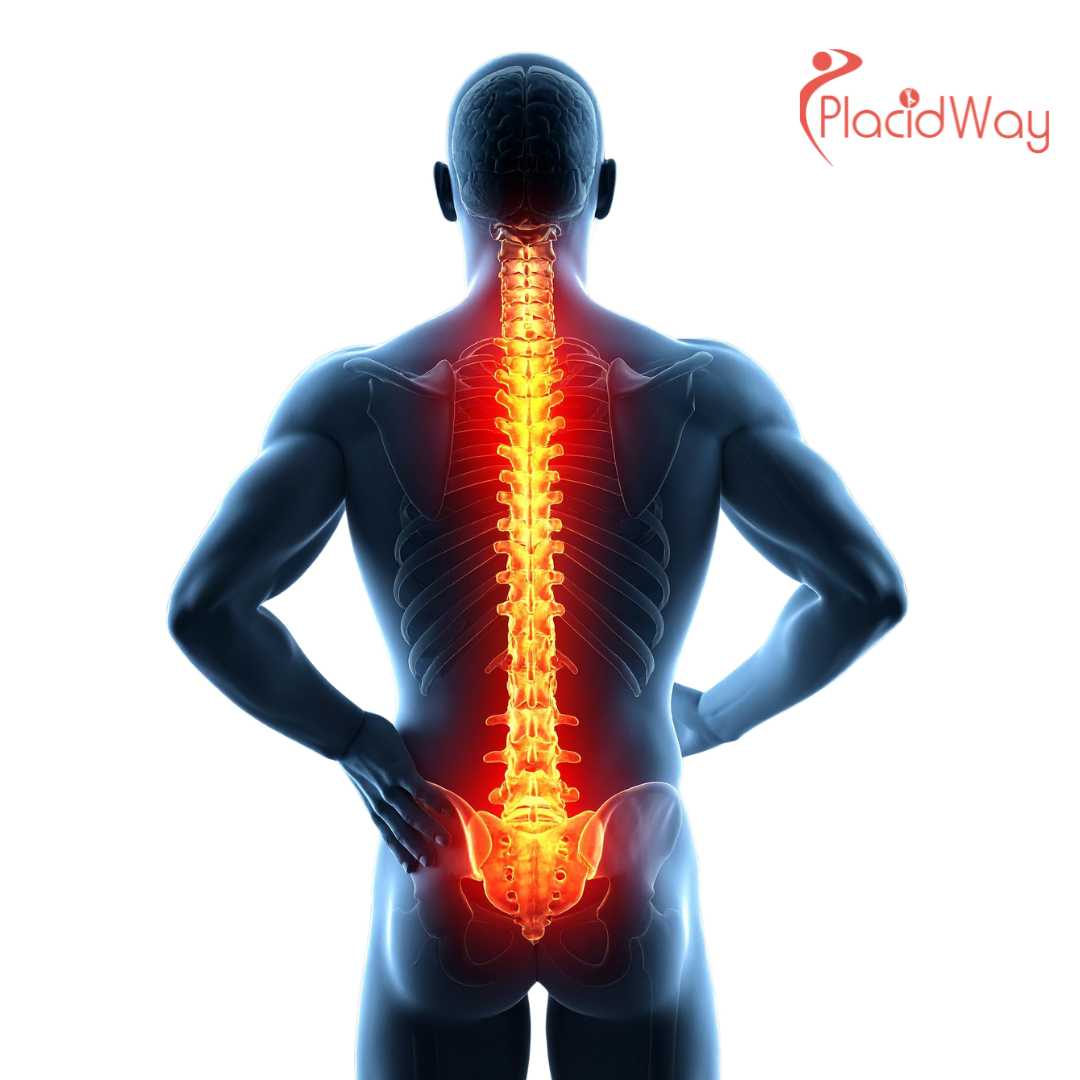
Choosing high-precision spine surgery in Poland offers patients access to state-of-the-art facilities that rival those found in Western Europe and North America. The surgical teams are highly skilled, frequently collaborating with international medical boards to implement the latest evidence-based protocols. For patients suffering from chronic joint pain or debilitating spinal conditions, this destination provides a compelling combination of surgical expertise, advanced technology, and comprehensive patient care.
Poland is consistently ranked among the top European countries for medical innovation, particularly in the adoption of minimally invasive orthopedic techniques.
- Access to board-certified, internationally trained orthopedic surgeons.
- Utilization of cutting-edge robotic-assisted surgical systems.
- Strict adherence to European Union healthcare safety and quality standards.
- Comprehensive pre-operative and post-operative care frameworks.
- Substantial cost advantages without compromising clinical excellence.
Understanding the Advanced Orthopedic Procedures Available in Poland
The spectrum of orthopedic medical tourism in Poland encompasses a wide variety of complex procedures tailored to restore mobility and alleviate chronic pain. From degenerative disc diseases to severe osteoarthritis, the treatments available address a multitude of musculoskeletal disorders. Surgeons utilize meticulously planned diagnostic phases, typically involving high-resolution MRI and CT scans, to determine the most effective surgical intervention for each unique case.
Patients seeking advanced joint replacement in Poland can expect a range of surgical options, including partial and total replacements utilizing durable, biocompatible materials. Similarly, spinal interventions focus on preserving nerve function while stabilizing the vertebral column. These advanced interventions are carefully structured to optimize long-term patient outcomes and improve overall quality of life.
Modern joint implants used in these procedures are typically designed to last 15 to 20 years, depending on the patient's lifestyle and activity levels.
- Total Knee and Hip Replacements: Utilizing minimally invasive approaches to reduce tissue damage.
- Spinal Fusion Surgery: Fusing vertebrae to stabilize the spine and relieve nerve pressure.
- Artificial Disc Replacement: An alternative to fusion that maintains spinal mobility.
- Arthroscopic Joint Surgery: Diagnostic and therapeutic procedures for precise joint repair.
- Revision Orthopedic Surgery: Complex procedures to replace or repair previously failed implants.
Leading Clinics for Spine Surgery and Joint Replacement in Poland
Selecting the right clinic for your orthopedic needs is an essential step in ensuring a successful outcome and a safe medical journey. The leading medical centers providing orthopedic procedures in Poland are often equipped with multidisciplinary teams, including anesthetists, specialized nurses, and physiotherapists who work collaboratively. These facilities are designed with international patients in mind, ensuring clear communication and culturally sensitive care throughout the hospitalization period.
Furthermore, an internationally recognized orthopedic clinic in Poland typically holds accreditations from global healthcare organizations, reflecting their commitment to continuous quality improvement. These centers prioritize patient safety by maintaining state-of-the-art operating theaters and dedicated orthopedic recovery wards, ensuring that the environment is optimally suited for complex musculoskeletal procedures.
When researching facilities, always inquire about the center's specific infection rates and the volume of joint or spine surgeries they perform annually.
- Accreditation by reputable international healthcare bodies.
- Dedicated international patient departments with English-speaking staff.
- Integration of advanced intensive care units for immediate post-surgical monitoring.
- On-site comprehensive diagnostic imaging departments.
- Direct partnerships with specialized orthopedic rehabilitation centers.
Affordable Cost of Spine Surgery and Joint Replacement in Poland
One of the primary drivers for the influx of medical tourists is the highly competitive orthopedic surgery cost in Poland. Patients traveling from regions with high out-of-pocket healthcare expenses, such as the United States or the United Kingdom, can often realize substantial financial savings. These savings do not come at the expense of quality; rather, they reflect the lower operational costs and favorable economic conditions within the country's healthcare sector.
When analyzing the spine surgery cost in Poland, patients should consider that the fees generally encompass the surgeon's expertise, hospital stay, standard implants, and initial post-operative medications. It is important for prospective patients to request detailed, itemized treatment plans to understand exactly what is included in their specific medical package.
Medical tourists traveling for orthopedic procedures can typically save between 40% to 60% compared to standard private healthcare costs in the US or UK.
| Procedure Name | Average Cost in Poland | Cost Comparison (US/UK) |
|---|---|---|
| Total Knee Replacement | $5,500 - $7,000 | $15,000 - $35,000 |
| Total Hip Replacement | $6,000 - $7,500 | $16,000 - $40,000 |
| Spinal Fusion (1 Level) | $7,000 - $9,500 | $25,000 - $50,000 |
| Artificial Disc Replacement | $8,500 - $11,000 | $30,000 - $55,000 |
| Arthroscopic Knee Surgery | $2,000 - $3,500 | $5,000 - $10,000 |
Advanced Technologies Transforming Orthopedic Surgery in Poland
The integration of groundbreaking medical technology plays a pivotal role in ensuring the safety and effectiveness of minimally invasive joint surgery in Poland. Surgical facilities are heavily investing in computerized navigation and 3D imaging systems that allow surgeons to map the patient's anatomy with remarkable precision prior to making any incisions. This technological advantage is particularly crucial in complex spinal corrections where precise implant placement is mandatory.
Furthermore, robotic-assisted surgical platforms are increasingly standard in advanced knee replacement in Poland. These platforms assist the surgeon in executing precise bone resections and balancing soft tissues, which can lead to a more natural-feeling joint post-surgery. Technology not only enhances the technical aspects of the operation but typically contributes to reduced blood loss and quicker recovery times for the patient.
Intraoperative neuromonitoring is frequently utilized during complex spinal procedures to continuously track nerve function and significantly reduce the risk of neurological damage.
- Robotic arms designed for high-precision joint implant alignment.
- 3D-printed custom surgical guides tailored to individual patient anatomy.
- Advanced intraoperative CT scanning for real-time surgical feedback.
- Minimally invasive endoscopic tools that require only tiny incisions.
- Enhanced biomaterials that promote faster bone integration with implants.
Expert Orthopedic Surgeons and Specialists in Poland
The bedrock of successful medical outcomes lies in the hands of the medical professionals performing the procedures. The specialists conducting orthopedic treatments in Poland undergo rigorous academic and clinical training, often spanning over a decade. Many of these surgeons further their expertise by completing specialized fellowships in North America or Western Europe, ensuring they are well-versed in the latest global surgical trends.
Patients pursuing medical tourism in Poland benefit from a deeply analytical approach to healthcare, where surgeons conduct comprehensive evaluations before recommending any invasive procedures. These specialists prioritize continuing medical education, frequently publishing in international peer-reviewed journals and presenting at major orthopedic symposiums, reflecting their authoritative standing in the medical community.
Medical professionals in this region operate under strict European Union medical directives, which mandate continuous skill assessment and high standards of clinical practice.
- Extensive training in both traditional open surgeries and advanced minimally invasive techniques.
- Active memberships in global societies such as the European Federation of National Associations of Orthopaedics and Traumatology.
- High annual case volumes, which typically correlate with superior surgical proficiency.
- Multidisciplinary collaboration with neurologists and pain management specialists.
- Commitment to evidence-based medicine and transparent patient communication.
Preparing for Your Spine or Joint Surgery in Poland
Meticulous preparation is essential for anyone traveling abroad for major medical procedures. When preparing for spine surgery in Poland, patients must compile all relevant medical records, including recent imaging, blood test results, and detailed surgical histories. This documentation allows the surgical team to conduct thorough pre-operative virtual consultations and establish a clear, personalized surgical plan before the patient even boards a flight.
Additionally, organizing the logistics of your medical journey is a vital step in ensuring a stress-free experience. Patients seeking hip replacement in Poland should generally plan to arrive a few days before their scheduled procedure to acclimatize, undergo final physical examinations, and meet their surgical and anesthesia teams in person to finalize pre-operative consent.
Cease smoking and discuss pausing certain medications, such as blood thinners, with your doctor well in advance to optimize your body for surgery and healing.
- Gather high-quality digital copies of all MRI, CT, and X-ray imaging.
- Complete all required pre-operative cardiac and pulmonary clearance exams.
- Prepare a detailed list of current medications and known allergies.
- Arrange for a travel companion to assist you during the immediate post-operative phase.
- Ensure all travel documents, including medical visas if applicable, are up to date.
The Surgery Process for Orthopedic Treatments in Poland
Understanding the surgical pathway helps alleviate anxiety and sets proper expectations for international patients. Upon admission for spinal fusion in Poland or other orthopedic operations, patients undergo standard pre-surgical preparations, including final vitals checks and the administration of prophylactic antibiotics. The anesthesia team will administer the appropriate sedation, typically general anesthesia or a spinal block, ensuring complete comfort and safety throughout the operation.
During the procedure, the surgical team executes the pre-planned approach, utilizing advanced intraoperative imaging to confirm implant placement and structural stability. Following the conclusion of joint replacement surgery in Poland, patients are safely transferred to a specialized recovery unit where their vital signs, pain levels, and surgical site are closely monitored by dedicated post-anesthesia care nurses.
All surgical procedures carry inherent risks. It is imperative that patients have realistic expectations and thoroughly discuss potential complications with their surgeon prior to consenting to any operation.
- Pre-operative briefings with the lead surgeon and anesthesiologist.
- Sterile operating environments compliant with stringent EU infection control protocols.
- Utilization of advanced hemostatic techniques to minimize surgical blood loss.
- Immediate post-operative monitoring in a highly equipped recovery room.
- Implementation of tailored post-operative pain management protocols.
Recovery and Rehabilitation Following Orthopedic Surgery in Poland
The period immediately following surgery is arguably as critical as the operation itself in determining long-term functional success. Patients recovering from complex orthopedic procedures in Poland generally begin their rehabilitation journey within 24 hours of surgery. Early mobilization is a key component of modern orthopedic recovery protocols, designed to promote blood circulation and prevent stiffness in the newly repaired joints or spine.
Many patients opt to extend their stay to participate in specialized orthopedic rehabilitation in Poland. These comprehensive inpatient or outpatient programs involve daily sessions with experienced physiotherapists who guide patients through targeted exercises. This structured physical therapy aims to restore strength, improve range of motion, and educate patients on how to safely navigate daily activities as they heal.
Many Polish medical centers utilize aquatic therapy and specialized robotic rehabilitation devices to safely accelerate the recovery process for joint replacement patients.
- Early post-surgical mobilization to prevent deep vein thrombosis (DVT).
- Customized pain management to ensure patient comfort during physical therapy.
- Progressive weight-bearing exercises supervised by licensed physiotherapists.
- Instruction on the use of assistive devices like walkers or crutches.
- Detailed discharge planning and long-term home exercise programs.
Risks and Safety Protocols for Joint and Spine Surgery in Poland
While modern medicine has significantly advanced, acknowledging and mitigating clinical risks remains a top priority for healthcare providers. When undergoing advanced joint replacement in Poland, patients face standard surgical risks, including infection, blood clots, implant rejection, and nerve damage. Medical facilities counteract these risks through rigorous patient selection and comprehensive pre-operative screening to ensure individuals are healthy enough to undergo major surgery.
To ensure maximum safety during spine treatments in Poland, hospitals employ strict infection control protocols, utilizing state-of-the-art sterilization techniques and specialized laminar airflow systems in operating theaters. Furthermore, patients are typically prescribed prophylactic anticoagulants and utilize compression devices to drastically reduce the likelihood of postoperative vascular complications.
- Strict adherence to European Union guidelines for hospital hygiene and sterilization.
- Administration of preventive antibiotics before and after surgery.
- Routine use of sequential compression devices to maintain healthy blood flow.
- Careful monitoring for signs of implant loosening or early joint instability.
- Continuous education of nursing staff on recognizing early signs of post-operative complications.
Success Rates of Advanced Orthopedic Procedures in Poland
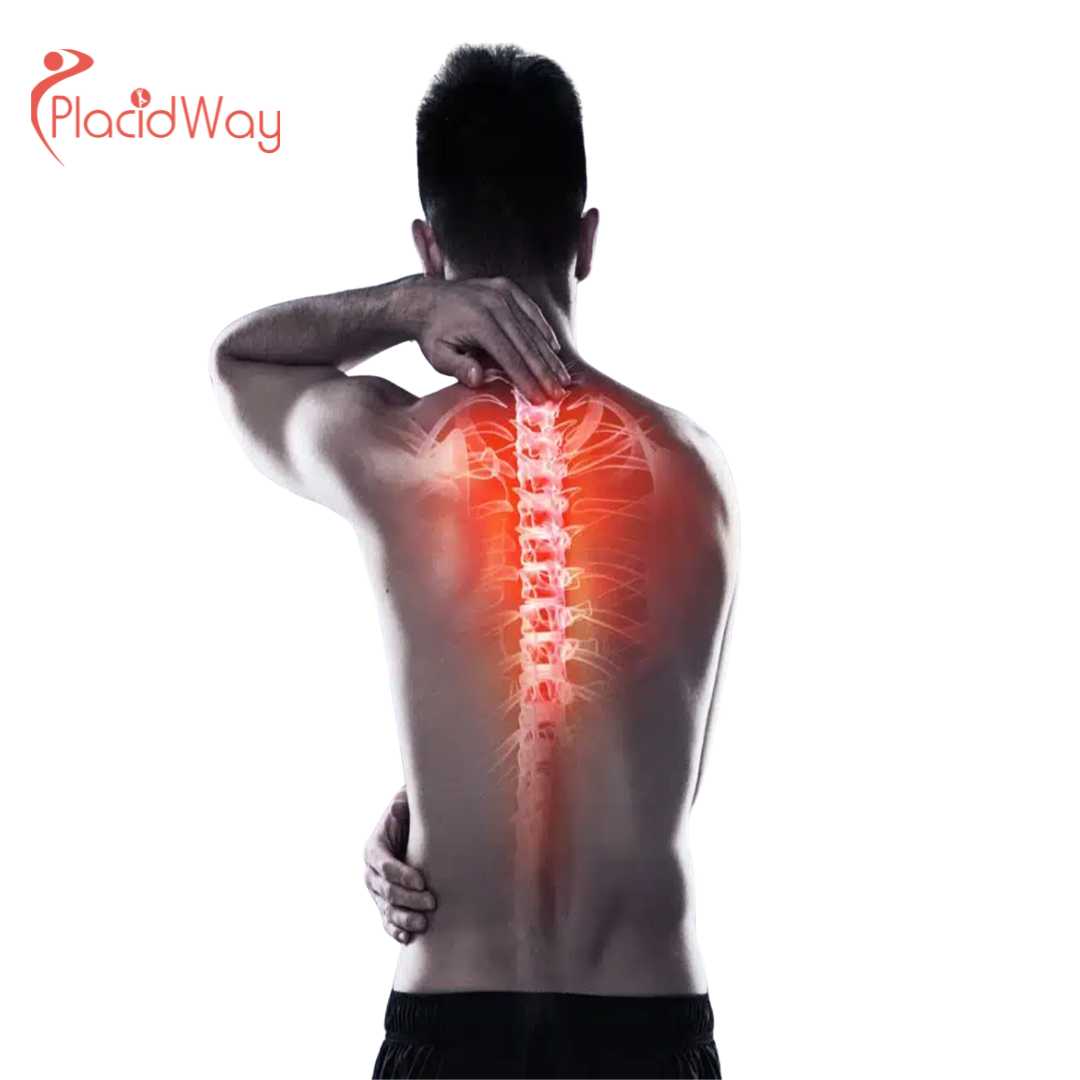
Outcomes for musculoskeletal surgeries are generally measured by pain reduction, restoration of function, and the longevity of the surgical intervention. The data surrounding high-precision spine surgery in Poland indicates highly favorable outcomes, particularly for patients suffering from severe nerve compression or spinal instability. While individual results inevitably vary, most patients experience a profound improvement in their daily quality of life following adequate recovery.
Similarly, the success rates for total knee and hip replacement in Poland mirror those of top global medical institutions. The meticulous approach to implant sizing, combined with the use of premium surgical materials, generally ensures that patients regain smooth, pain-free movement. Continued patient commitment to post-operative rehabilitation plays an equally vital role in achieving and maintaining these successful outcomes.
Clinical studies generally show that over 90% of modern joint replacement implants continue to function optimally 15 years after the initial procedure.
- High patient satisfaction rates regarding pain alleviation and restored mobility.
- Low incidence of implant failure or requirement for early revision surgery.
- Significant improvements in standardized post-operative orthopedic scoring systems.
- Enhanced spinal stability leading to the successful resolution of neurological symptoms.
- Long-term durability of modern prosthetics used in joint reconstructions.
Patient Experiences with Spine and Joint Surgery in Poland
Reading about the real-world experiences of other medical tourists can provide invaluable insight and comfort for prospective patients. Individuals who have traveled for affordable orthopedic surgery in Poland frequently highlight the exceptional level of personalized care and the professionalism of the medical staff. These firsthand accounts often underscore the smooth transition from initial inquiry to post-operative recovery.
Patient testimonials regularly praise the transparent communication regarding the cost of joint replacement in Poland, as well as the modern, welcoming hospital environments. While every medical journey is deeply personal and unique, a common thread among international patients is the renewed sense of freedom they experience after overcoming years of debilitating musculoskeletal pain.
Hip Replacement Journey
“After suffering from osteoarthritis for years, I traveled from the UK for a total hip replacement. The precision of the surgical team and the dedicated physiotherapy unit helped me walk comfortably again much sooner than I expected.”
Spinal Fusion Relief
“The chronic back pain was unbearable. Choosing to have my spinal fusion abroad was intimidating at first, but the level of diagnostic detail and the surgeon's expertise provided me with immense confidence and a successful outcome.”
Bilateral Knee Surgery
“I required knee replacements on both legs. The facility's use of advanced imaging technology and the comprehensive rehabilitation program I participated in post-surgery were instrumental in my recovery.”
Disc Replacement Experience
“The decision to undergo artificial disc replacement was made easier by the thorough virtual consultations I had prior to traveling. The hospital staff were incredibly attentive, ensuring I felt safe throughout my entire stay.”
How PlacidWay Assists Your Orthopedic Medical Tourism Journey in Poland
Navigating the complexities of international healthcare requires access to reliable information and trusted medical networks. PlacidWay serves as a premier facilitator, connecting global patients with certified medical centers specializing in advanced orthopedic procedures in Poland. Our platform is designed to empower patients by providing transparent data and direct access to renowned medical professionals.
By utilizing PlacidWay's comprehensive network, patients seeking high-precision spine surgery in Poland can make informed decisions based on clinical expertise and verified institutional accreditations. We streamline the initial phases of medical travel, ensuring that your transition into international care is handled with the utmost professionalism and dedication.
- Providing access to a carefully vetted network of globally accredited orthopedic centers.
- Facilitating the secure transfer of medical records for comprehensive pre-operative evaluations.
- Assisting in obtaining clear, itemized treatment plans directly from medical providers.
- Connecting patients with highly specialized, board-certified orthopedic surgeons.
- Offering valuable resources to help you understand your chosen procedure and expected clinical pathways.
Frequently Asked Questions About Spine and Joint Surgery in Poland
When considering major surgery abroad, patients naturally have a multitude of questions regarding logistics, safety, and recovery. Understanding the intricacies of orthopedic medical tourism in Poland allows patients to prepare effectively and set realistic expectations for their surgical journey.
Below are ten frequently asked questions that address the common concerns of international patients seeking joint replacement and spine treatments in Poland.
How long does a typical joint replacement surgery take in Poland?
Most joint replacement procedures typically take between one to three hours, depending on the complexity of the case. Patients are generally monitored closely in a recovery room immediately following the operation.
What is the average recovery time for spine surgery in Poland?
Initial hospital recovery generally takes 3 to 7 days, but full functional recovery can require several months of physical therapy. Your surgical team will provide a tailored timeline based on your specific procedure.
Are the orthopedic surgeons in Poland internationally certified?
Yes, many specialists performing orthopedic surgery in Poland hold certifications from European and international medical boards. They frequently participate in global medical conferences to stay updated on the latest techniques.
Do I need a visa to travel to Poland for medical procedures?
Citizens of the EU, US, Canada, and several other countries typically do not need a visa for short medical stays under 90 days. However, patients from other regions may require a Schengen medical visa and should check with their local embassy.
Are robotic surgical systems used for joint replacement in Poland?
Yes, top-tier medical facilities in Poland increasingly utilize advanced robotic-assisted systems for joint replacement. These technologies generally enhance surgical precision and can contribute to better alignment of implants.
How soon can I fly home after a major orthopedic surgery?
Patients are typically advised to wait 10 to 14 days before flying after major joint or spine surgery to reduce the risk of deep vein thrombosis (DVT). Your surgeon must clear you for travel based on your post-operative recovery progress.
What follow-up care is required after returning home?
Patients generally need to continue physical therapy and attend regular check-ups with a local physician. Polish surgeons often provide detailed discharge summaries and may offer virtual follow-up consultations.
Is language a barrier in Polish orthopedic hospitals?
In facilities catering to international patients, medical staff and surgeons typically speak fluent English. Many centers also provide dedicated patient coordinators to assist with communication throughout the treatment process.
What materials are used for joint implants in Poland?
Surgeons generally use high-quality, biocompatible materials such as titanium alloys, medical-grade plastics, and ceramics. These implants are sourced from reputable global manufacturers and meet stringent European safety standards.
Can I undergo physical rehabilitation in Poland after surgery?
Yes, many patients choose to stay in Poland for an additional few weeks to undergo intensive, supervised rehabilitation. Specialized post-operative physiotherapy centers are often directly affiliated with the surgical facilities.
References
- World Health Organization (WHO). Medical Travel and Quality of Care Guidelines. https://www.who.int/health-topics/travel-and-health
- National Center for Biotechnology Information (NCBI). Outcomes of Minimally Invasive Spine Surgery. https://pmc.ncbi.nlm.nih.gov/articles/PMC7732048/
- International Society for the Advancement of Spine Surgery (ISASS). Robotic Applications in Spinal Surgery. https://isass.org/
















Share this listing