

If you’re considering spine surgery in Poland , it’s important to look beyond the price of the procedure. The right choice depends on whether surgery is appropriate for your condition, which technique is recommended, who will perform it, and what level of hospital and follow-up care you can expect.
This guide explores the potential benefits of having spine surgery in Poland and what international patients should consider before making a decision.
Quick Summary: Spine Surgery in Poland
- Estimated cost: Patients considering spine surgery in Poland may encounter prices of around $4,000–$14,000, depending on the procedure. These figures are intended as a general price reference, not a fixed quote, as the final cost can vary based on the complexity of treatment, hospital, surgeon, and what is included in the package.
- Safety: Risks include infection, bleeding, clotting, nerve injury, persistent symptoms, implant problems and reoperation. Ask how complications and transfers are handled.
- Candidate: Surgery is considered after a diagnosis, examination and imaging show that an operation’s likely benefit outweighs its risks; it is not suitable for every back-pain pattern.
- Recovery: Early walking and rehabilitation are common, but timing varies by operation, neurological status, health and work demands. Lumbar decompression recovery can take weeks to months.
- Why Poland may be considered: Poland is within the European healthcare and regulatory environment, with hospitals and doctors subject to national authorization and registration requirements.
- Caution: Country, price or a minimally invasive label cannot predict an individual result. Obtain an itemized quote, written aftercare plan and independent clinical advice.
Understanding Spine Surgery in Poland: Benefits and Limits
Spine surgery is not one operation. Depending on the problem, a surgeon may remove a disc fragment, enlarge space around a nerve or the spinal cord, stabilize vertebrae with instrumentation, replace a disc, or correct a deformity. Each procedure has a different risk profile and recovery path. A benefit should therefore be stated as a treatment goal, not as a guaranteed result.
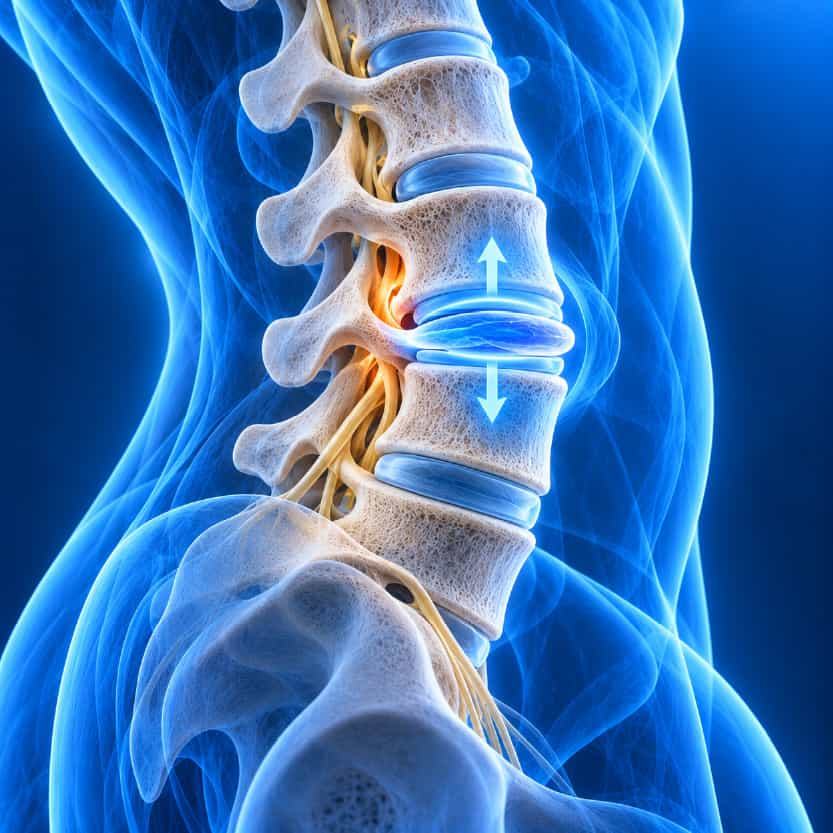
For example, decompression is intended to address pressure on a nerve or the spinal cord. It may be less likely to resolve pain coming from another source, such as hip disease, peripheral neuropathy or non-specific low back pain. Fusion can stabilize selected instability or deformity, but it does not make every type of back pain better and creates a healing process around the fused segment. A second opinion can clarify the diagnosis when the proposed operation is extensive or irreversible.
Why Patients Consider Spine Surgery in Poland
Patients may compare Poland with care available at home because of waiting times, personal scheduling, procedure availability, family circumstances or the possibility of combining a consultation with travel. These are logistical reasons, not proof that an operation is clinically preferable. A comparison should start with the same diagnosis and procedure, the same implant assumptions, and the same aftercare expectations.
Poland’s health system includes public and private providers. The National Health Fund, or NFZ, finances publicly covered services for eligible patients, while private hospitals may offer self-pay consultations and operations. A foreign patient should ask whether a quoted service is private self-pay, covered through an agreement, or subject to separate reimbursement rules. A private quote does not automatically include every diagnostic test, implant, overnight stay, medication, physiotherapy session or treatment of a complication.
- Scheduling or waiting-time differences compared with the patient’s home system
- Access to a specific procedure after a diagnosis has been confirmed
- Family, language or travel considerations that make a nearby European destination practical
- A wish to compare private self-pay costs with a local written quote
- Need for a clear plan covering discharge and follow-up after returning home
Which Spine Conditions May Need Surgery in Poland?
Common diagnoses discussed in surgical consultations include a herniated disc with persistent nerve symptoms, lumbar or cervical spinal stenosis, spondylolisthesis, selected fractures, infection or tumour, and spinal deformity. The exact indication depends on clinical findings and imaging. A scan can show abnormalities that are not causing symptoms, so the picture must be matched to the examination.
| Problem discussed | Possible operation | Question to clarify |
|---|---|---|
| Disc herniation with nerve-root symptoms | Microdiscectomy or another decompression | Does the neurological examination match the compressed nerve? |
| Spinal stenosis | Decompression, sometimes with stabilization | Would removing bone or ligament make the segment unstable? |
| Instability or deformity | Fusion, fixation or deformity correction | What is the expected alignment and fusion-healing plan? |
| Neck or cord compression | Cervical decompression, with or without fusion | What neurological change requires urgent treatment? |
Seven Potential Benefits of Spine Surgery in Poland
The following seven points are possible benefits of an indicated operation. They apply to selected patients and are not automatically produced by the country, hospital or technique.
1. Spine surgery in Poland: targeted nerve decompression
Removing a structure that compresses a nerve may reduce radiating pain, numbness or weakness when the diagnosis and symptoms correspond.
2. Spine surgery in Poland: selected stabilization
Fixation and fusion may limit abnormal movement in selected cases, but they involve implant and bone-healing considerations.
3. Spine surgery in Poland: procedure-specific planning
A diagnosis-led plan can distinguish decompression, fusion, disc replacement and deformity surgery rather than treating all pain alike.
4. Spine surgery in Poland: less tissue disruption when suitable
A minimally invasive approach may reduce blood loss or hospital time for some operations; it is not suitable for every anatomy or goal.
5. Spine surgery in Poland: a defined rehabilitation pathway
A written programme can connect wound care, mobility, restrictions, strengthening and review to the operation performed.
6. Spine surgery in Poland: possible functional improvement
Some patients regain walking, standing or work capacity over time, but recovery is individual and residual symptoms are possible.
7. Spine surgery in Poland: coordinated cross-border planning
For an overseas patient, a single written pathway can make records, interpreter needs, travel dates, discharge and local follow-up easier to coordinate.
These potential benefits should be balanced against the possibility of no improvement, recurrent symptoms, adjacent-segment problems, complications or additional surgery. Ask for the surgeon’s expected benefit in terms you can track, such as walking distance, leg pain, hand dexterity or ability to work.
How Polish Spine Surgery Procedures Are Selected
Procedure choice should follow the diagnosis rather than a marketing label. The consultation should cover the history of pain, neurological examination, relevant MRI or CT images, previous treatment, bone health, medicines, smoking, weight, diabetes, clotting history and goals. For cervical symptoms, the presence of spinal-cord signs can change urgency and the surgical discussion.
| Procedure | Typical aim | Important limitation |
|---|---|---|
| Microdiscectomy | Remove disc material pressing on a nerve | May not address unrelated axial back pain |
| Laminectomy or canal decompression | Increase space for nerves or cord | May need stabilization if instability is present or created |
| Spinal fusion | Stabilize a selected painful or unstable segment | Fusion healing, hardware and adjacent-level issues need discussion |
| Artificial disc replacement | Replace a selected disc while preserving motion | Eligibility depends on anatomy, degeneration and other factors |
Evidence for Patients Considering Spine Surgery in Poland
A 2025 register-based study from Finland followed 1,451 patients who underwent different lumbar spine operations. The median Oswestry Disability Index (ODI) total score was 40 before surgery, 18 at three months, 18 at one year and 20 at two years among available responses. All ODI items and the total score improved between baseline and three months, while the magnitude differed by function. The study was observational, included several procedures and had substantial follow-up loss, so it cannot predict a Polish patient’s result.
Recent evidence visual: median ODI total score in a 2025 lumbar-surgery cohort
Source: Koivunen et al., Acta Orthopaedica, 2025. This is a study visual, not a forecast, and it is not Poland-specific. Higher ODI scores indicate more disability.
The same study included decompression and fusion procedures. It reported improvement in several functional domains, while sleeping changed little and some domain scores varied over time. This supports asking about specific functional goals rather than relying only on a single headline outcome. Evidence about minimally invasive methods also depends on the operation and patient selection; “minimally invasive” should not be treated as a guarantee of faster healing.
Recent evidence visual: procedure mix in the same lumbar-surgery cohort
The procedure categories are from the study’s baseline table and are rounded as reported. The cohort had 856 decompression procedures, 573 fusion procedures and 22 others; categories do not represent Poland’s surgical practice.
Spine Surgery Cost in Poland: Comparing Published Prices
Price is one reason international patients compare destinations, but it should be compared only after the procedure is defined. A listing may use “package” to mean a bundled service, while another page may show procedure-only pricing. Ask whether the amount includes the surgeon, anaesthesia, implant, hospital stay, imaging, pathology, medications, physiotherapy, airport transfer, interpreter, revision policy, tax and emergency care.
| Published Poland listing category | Displayed range (USD) | What to verify before comparing |
|---|---|---|
| Microdiscectomy | $4,000–$6,500 | Level, approach, stay, imaging and postoperative review |
| Laminectomy | $5,000–$7,500 | Decompression alone or combined with fusion |
| One-level spinal fusion | $8,000–$12,000 | Implant system, graft, monitoring, imaging and length of stay |
| Artificial disc replacement | $9,000–$14,000 | Device model, eligibility, follow-up imaging and revision terms |
How to Verify a Polish Spine Hospital
When choosing a spine surgery hospital in Poland , ask the provider for the legal entity name, facility address, licence or authorization details, named operating unit, and the clinician responsible for your consultation. Confirm whether the hospital has an intensive-care unit or a written transfer agreement for complications that exceed its on-site capabilities. A website badge alone is not a substitute for a current certificate that can be verified with the issuing organization.
| Check | Evidence to request | Why it matters |
|---|---|---|
| Facility authorization | Current legal name, address and registration/licensing information | Confirms which entity is responsible for care |
| Accreditation | Certificate number, issuing body and validity dates | Allows the claim to be checked rather than assumed |
| Emergency capability | ICU, imaging, blood products and transfer pathway | Spine complications can require urgent escalation |
| International patient process | Interpreter, translated discharge summary and contact after departure | Reduces ambiguity when care crosses borders |
How to Verify a Polish Spine Surgeon
Polish doctors’ professional status can be checked through the Supreme Medical Chamber, known as Naczelna Izba Lekarska or NIL. Ask for the surgeon’s full name, speciality, registration or right-to-practise information and the facility where the operation will occur. The General Medical Council’s information on Poland identifies NIL as the umbrella body for the Polish competent authorities; the NIL page explains certificates issued by the Polish chamber.
Also ask how often the surgeon performs the exact operation proposed, how outcomes and complications are audited, who provides the second opinion, and who will manage you after discharge. A general years-in-practice statement is not the same as procedure-specific experience. If the surgeon recommends fusion, ask why decompression alone is insufficient, what the fusion levels are, and how non-union or hardware problems would be managed.
Recovery and Rehabilitation After Spine Surgery in Poland
Recovery depends on whether the operation was cervical or lumbar, decompression or fusion, one level or several, and whether there was pre-existing weakness. After lumbar decompression, NHS guidance notes that some people return to work at around four to six weeks depending on the job, while usual activities may take up to 12 weeks. Larger fusions and deformity operations may require a longer recovery. These are general ranges, not travel clearance.
| Timeframe | Biological/clinical process | Patient sensation | Activity level | Action required |
|---|---|---|---|---|
| Hospital stay | Wound and neurological observation; mobility assessment | Incisional pain and fatigue are common | Short walks with assistance as instructed | Learn wound, medicine and red-flag instructions |
| First 2 weeks | Soft tissues heal; nerves may settle gradually | Pain can fluctuate; numbness may persist | Frequent gentle walking; avoid unapproved lifting | Keep review and emergency contacts available |
| 3–6 weeks | Function and tolerance may increase; fusion is not necessarily complete | Stiffness and tiredness may remain | Progress activity under the plan; work depends on duties | Attend local or remote follow-up as arranged |
| 6–12 weeks+ | Rehabilitation and, for fusion, ongoing bone healing | Symptoms should be reviewed if worsening or new | Gradual return to routine and strengthening when cleared | Complete imaging or physical therapy requested |
Do not arrange a flight based only on a calendar. The operating team should confirm wound status, mobility, medication plan and fitness to travel. Prolonged sitting increases clot concerns; ask about movement, hydration, compression and anticoagulant instructions. Never stop prescribed medicines without the responsible clinician’s advice.
Risks and Warning Signs After Spine Surgery in Poland
Every operation has risks. Depending on the procedure, these can include bleeding, infection, blood clots, anaesthetic complications, dural tear or cerebrospinal-fluid leak, nerve or spinal-cord injury, persistent or recurrent symptoms, instability, non-union, implant failure and reoperation. A surgeon should explain procedure-specific rates using a denominator and time period, not only general reassurance.
Spine surgery in Poland: seek urgent medical attention
New weakness, loss of bladder or bowel control, saddle numbness, rapidly worsening pain, severe headache after a suspected fluid leak, chest pain, shortness of breath, fainting, one-sided leg swelling, fever or a draining/red wound.
Spine surgery in Poland: ask before discharge
Which symptoms are expected, which number is available 24/7, where to go if you are no longer in Poland, how medicines interact with travel, and who pays for emergency assessment or transfer.
If a serious symptom occurs, contact local emergency services first. A remote coordinator or overseas surgeon cannot replace in-person emergency assessment.
Records and Follow-Up After Spine Surgery in Poland
Before leaving Poland, obtain the operative report, discharge summary, implant labels, medication list, imaging, pathology if applicable, wound instructions, activity restrictions and contact details for the operating team. Ask for a plain-language English version if needed. A home clinician may need the exact levels, approach and implant information to interpret new symptoms or arrange imaging.
Agree in advance on the timing and format of follow-up. Some reviews can be remote, but wound concerns, neurological changes, fever or suspected clot require local assessment. For fusion, imaging and review may continue over months. Ask who decides when driving, lifting, work, swimming, physiotherapy and air travel can resume. Clarify whether the Polish provider will review scans taken at home and whether a fee applies.
Use a formal provider-information channel only to request treatment details; independently review any quote, contract and clinical recommendation before proceeding.
Frequently Asked Questions About Spine Surgery in Poland
Is spine surgery in Poland suitable for every back-pain condition?
No. Surgery is considered when the diagnosis, examination and imaging identify a problem likely to respond to an operation. Non-specific low back pain, hip disease and nerve conditions may need different care. A consultation should compare non-operative treatment, surgery, risks and the consequences of waiting.
What are the main possible benefits of spine surgery?
Possible aims include relieving pressure on a nerve or the spinal cord, stabilizing selected instability, correcting deformity, improving walking or standing, and supporting a gradual return to activities. The relevant benefit depends on the procedure and diagnosis. No benefit is guaranteed, and symptoms can persist or recur.
How much does spine surgery cost in Poland?
A published Poland treatment listing shows approximate ranges of $4,000–$6,500 for microdiscectomy, $5,000–$7,500 for laminectomy, $8,000–$12,000 for one-level fusion and $9,000–$14,000 for artificial disc replacement. These are listing figures, not national averages or personal quotes. Request an itemized total.
How long is recovery after lumbar decompression?
Recovery varies by operation and patient. NHS information says some people return to work around four to six weeks after lumbar decompression, depending on the job, while usual activities may take up to 12 weeks. Weakness, fusion, complications or physically demanding work can change the timeline.
Can I fly home soon after spine surgery in Poland?
Do not set a flight before the operating team confirms that your wound, mobility, medicines and neurological status allow travel. Long sitting may increase clot concerns, and an airline may have mobility requirements. Plan an adult companion, movement instructions, local medical access and insurance arrangements before departure.
How can I check a Polish spine surgeon’s credentials?
Ask for the surgeon’s full legal name, specialty, professional registration or right-to-practise information, and operating privileges at the named hospital. Check Polish Medical Chamber information through NIL where applicable. Also ask about experience with the exact procedure, complication management and who provides follow-up.
Does minimally invasive spine surgery always heal faster?
No. Minimally invasive approaches may reduce tissue disruption, blood loss or hospital time in selected operations, but suitability depends on anatomy, diagnosis and surgeon judgment. A smaller incision does not eliminate risks or guarantee faster functional recovery. Ask for evidence related to the proposed procedure.
What should a spine-surgery quote include?
It should identify the diagnosis and procedure, levels, surgeon and hospital, anaesthesia, implant or graft, imaging, laboratory tests, hospital stay, medicines, physiotherapy, interpreter, follow-up, taxes and exclusions. Ask about emergency care, cancellation terms, revision policy and the cost of treating a complication.
What records should I take home?
Request the operative report, discharge summary, implant labels, medication list, imaging, pathology when relevant, wound and activity instructions, follow-up schedule and after-hours contact. Ask for English-language documents if needed. Give copies to your home clinician and keep a digital backup.
When is a spine symptom an emergency after surgery?
Seek urgent in-person assessment for new weakness, loss of bladder or bowel control, saddle numbness, chest pain, shortness of breath, fainting, one-sided leg swelling, fever, severe worsening pain or a red, draining wound. Contact local emergency services first; overseas coordination should follow, not delay, emergency care.
Request Information About Spine Surgery in Poland
If you are comparing providers, prepare your diagnosis, imaging report, previous treatment, medicines, allergies, desired dates and questions about aftercare. Ask for a written response that separates clinical recommendations from travel and price information.
Request provider informationDisclaimer: This information is for educational purposes only and does not replace professional medical advice. Always consult a qualified healthcare provider before making medical decisions.
References for Spine Surgery in Poland
- NICE Guideline 59: Low back pain and sciatica in over 16s—recommendations, NCBI Bookshelf .
- NHS: Lumbar decompression surgery .
- Cambridge University Hospitals: Post-operative recovery following lumbar decompression surgery .
- CDC Yellow Book: Medical tourism .
- Supreme Medical Chamber of Poland: Medical doctors and certificates .
- General Medical Council: Local competent authorities in Poland .
- Koivunen KK et al. Change in functional profile after lumbar spinal surgery: a register-based study among 1,451 patients. Acta Orthopaedica. 2025;96:161–166 .
- Eurospine: Polish Society of Spinal Surgery .






















Share this listing