
Spine Surgery in Germany by Asklepios: Should You Have Surgery?
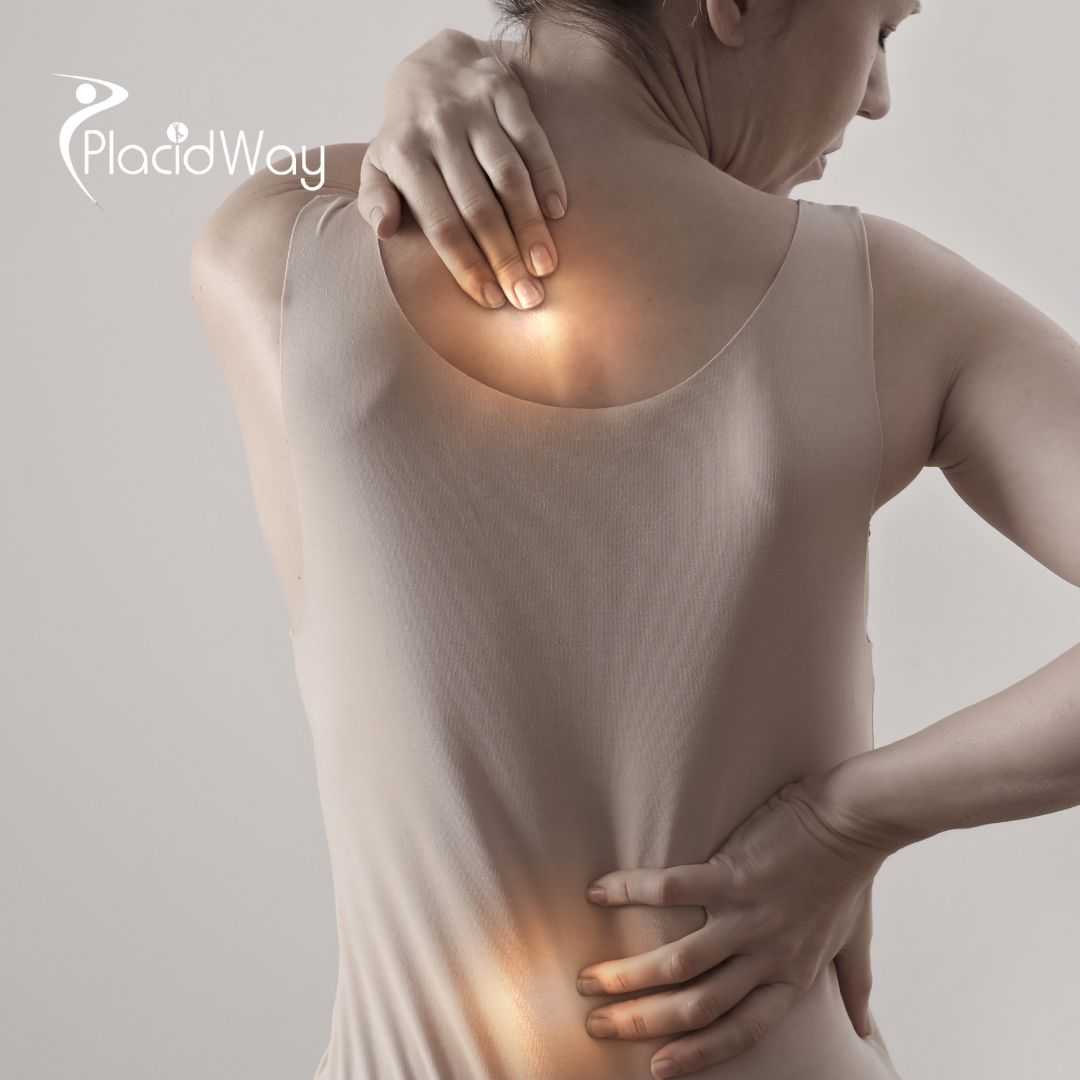
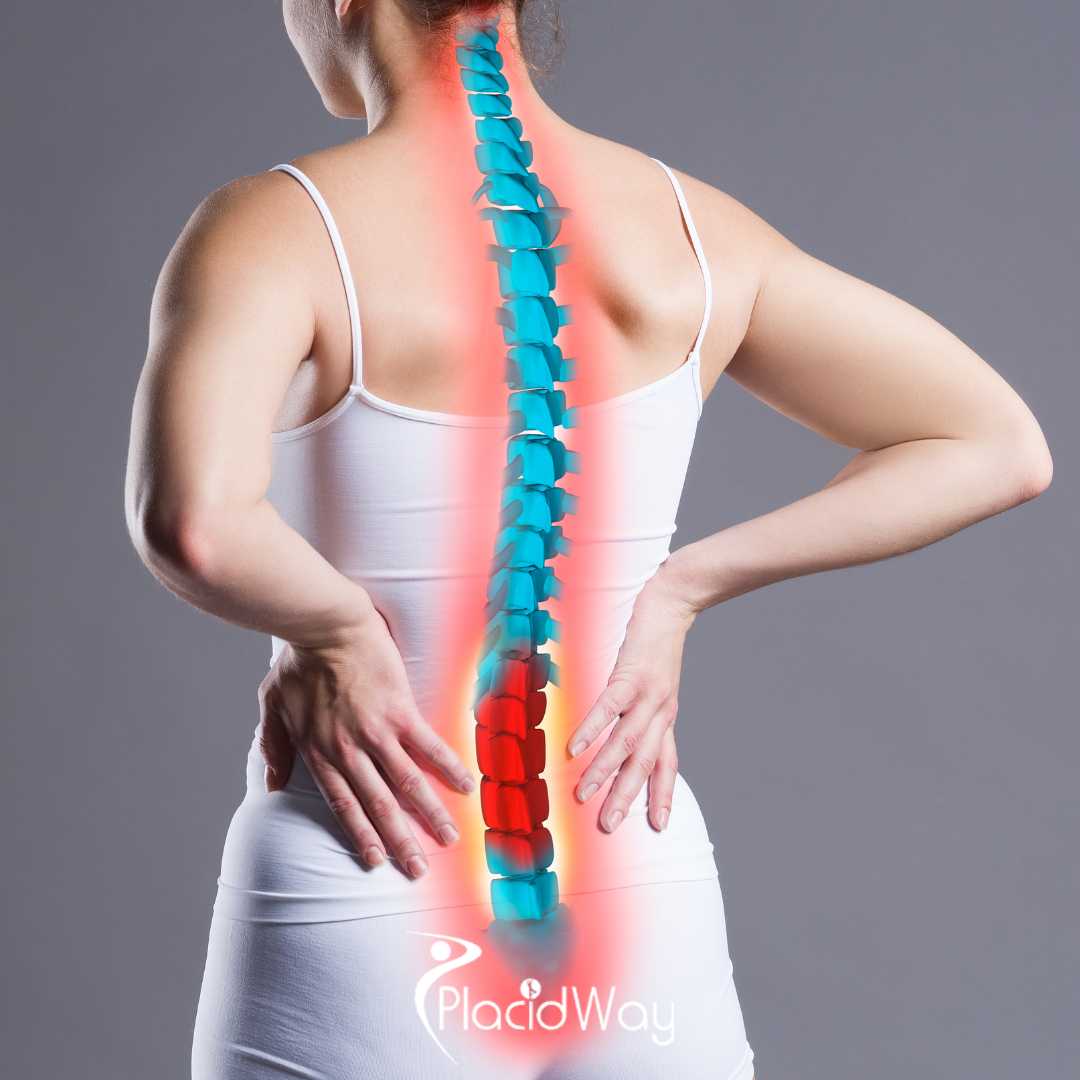
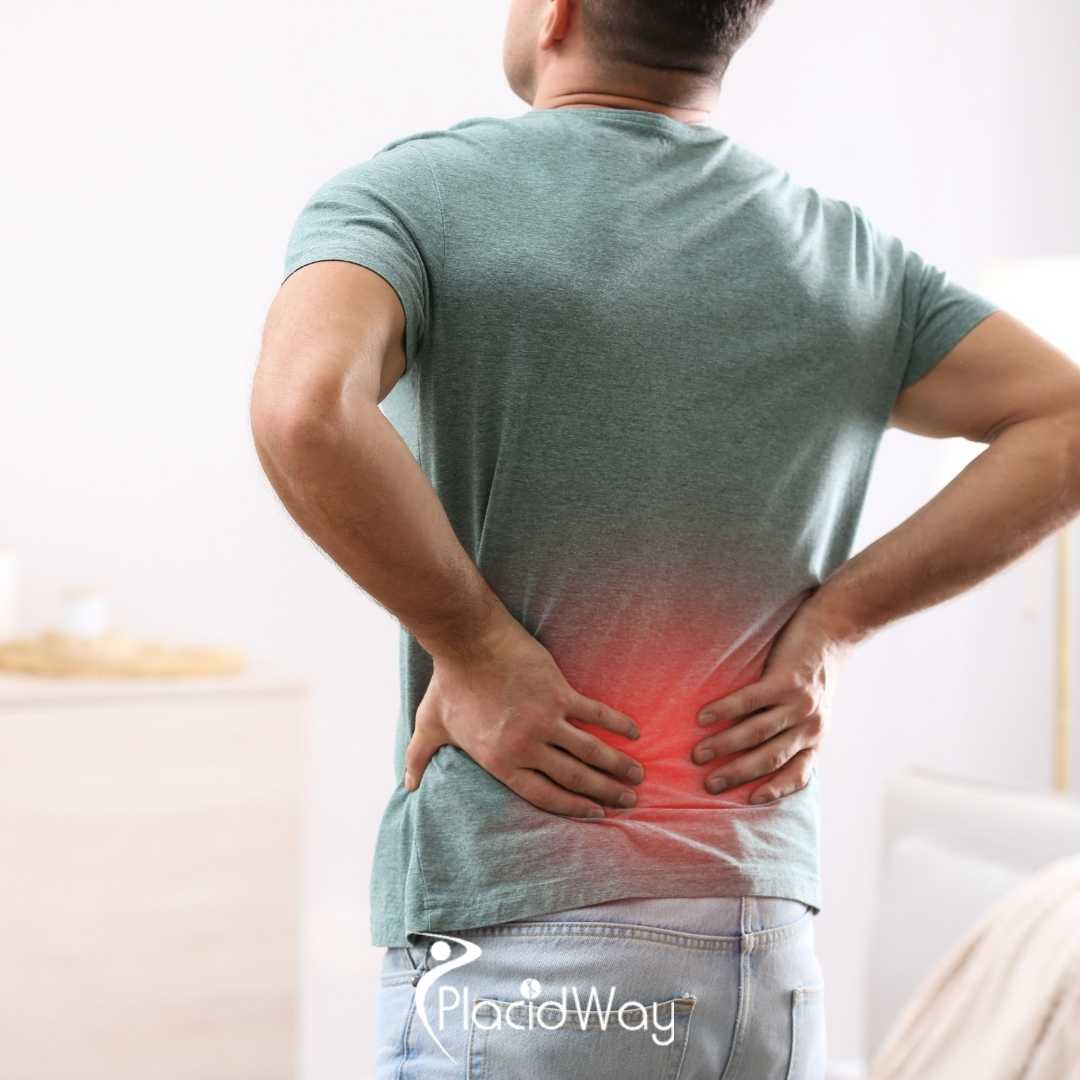
Back pain is one of the most widespread ailments worldwide, affecting nearly one in three adults and serving as a leading cause of missed workdays. When non-invasive care fails to provide relief, many patients begin exploring advanced options such as Spine Surgery in Hamburg Germany at renowned institutions like Asklepios Kliniken Hamburg. However, deciding whether an operation is truly required can be a complex choice.
In this clinical feature, Dr. Sven Nagel, Chief Physician of Spinal Orthopedics and Surgery at Asklepios Klinik Nord, provides essential guidance on evaluating spinal conditions. From acute surgical emergencies to quality-of-life considerations, learn how leading specialists approach Spinal Surgery in Hamburg Germany, when non-surgical conservative care is preferred, and how moving early can protect long-term mobility.
Video Chapters & Quick Navigation
Clear Medical Priorities: When Immediate Surgery is Necessary
When considering Back Surgery in Hamburg Germany, it is critical to separate immediate medical emergencies from elective choices. According to Dr. Sven Nagel, Chief Physician at Asklepios Klinik Nord, absolute indications for emergency surgery are relatively rare. At [00:43], he points out that acute situations leave very little room for delay because waiting could permanently worsen a patient's physical health.
Emergency medical criteria include structural vertebral fractures, rapidly developing paralysis symptoms, and severe spinal infections. In such cases, prompt intervention is essential to relieve compression on the spinal cord or spinal nerves and preserve basic motor functions.
Understanding Spinal Infections and Nerve Compression
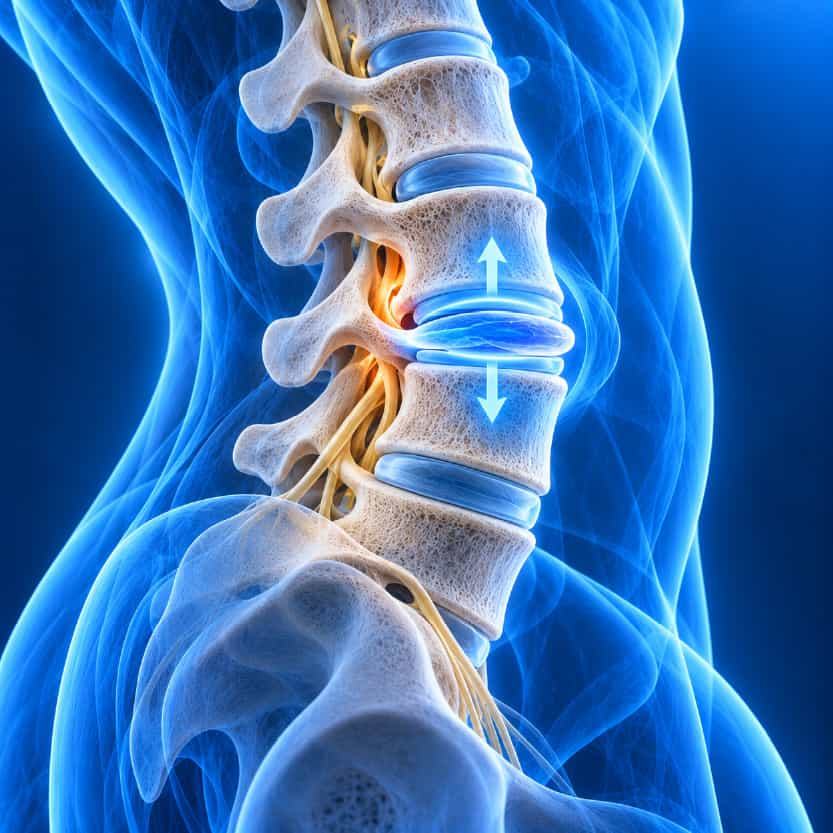
As populations age, doctors frequently observe unexplained bacterial infections developing within the spine. At [01:15], Dr. Nagel explains how minor injuries on the skin, hands, or oral cavity allow bacteria to travel into the bloodstream. Because intervertebral discs have poor blood supply in adults, bacteria find a quiet environment to accumulate and replicate.
Left unchecked, these localized infections threaten structural stability and create nerve-damaging pressure. When choosing Spine Treatment in Hamburg Germany, patients benefit from comprehensive diagnostics at Asklepios Kliniken Hamburg to detect inflammatory shifts before severe neurological damage occurs.
Symptom Breakdown: Tingling vs. Motor Paralysis
Patients suffering from nerve compression frequently ask whether common nerve sensations justify operating immediately. Dr. Nagel clarifies at [02:41] that persistent tingling or numbness—while extremely uncomfortable—does not automatically warrant surgical intervention.
| Symptom Category | Clinical Significance & Action Plan |
|---|---|
| Tingling & Numbness | Unpleasant sensory distraction; managed primarily through non-surgical conservative therapy. |
| Functional Weakness / Foot Drop | Motor deficit preventing normal movement; requires prompt surgical assessment. |
| Loss of Motor Control | Urgent medical concern; surgical relief needed to protect long-term nerve pathways. |
As noted at [03:01], true urgency arises when muscular paralysis sets in—such as "foot drop," where a patient stumbles over rug edges because their foot cannot lift naturally. This clear motor failure indicates that surgical decompression should be evaluated promptly.
The Role of Judgment: Quality of Life Factors
Outside of emergency cases, determining whether to proceed with Spine Surgery in Hamburg Germany becomes a matter of individual clinical judgment. At [03:48], Dr. Nagel highlights that decision-making hinges entirely on how a spinal condition compromises a person's quality of life.
Whether a patient struggles with ongoing pain, restricted mobility, or spinal malalignment, surgery is weighed carefully against personal goals. Specialists at Asklepios outline realistic expectations, helping patients decide if surgical options align with their desire to return to daily activities.
Addressing Complex Deformities: Kyphosis and Scoliosis
Structural alterations like severe forward curvature (kyphosis) or sideways curvature (scoliosis) significantly alter spinal mechanics. At [05:27], Dr. Nagel demonstrates using a anatomical model how weakening muscles and bones force patients to tilt their pelvis or bend their knees to stay upright, resulting in fatigue and pain.
Similarly, for scoliosis affecting roughly 0.5% of the population, surgical intervention is recommended when curves progress to points that threaten pulmonary or cardiac capacity [08:00]. Rather than forcing complete zero-degree realignment, the primary objective of Spinal Surgery in Hamburg Germany for scoliosis is halting curve progression and preserving systemic wellness [09:20].
Prioritizing Conservative Care Over Operation
Modern clinical practices favor early detection and conservative management whenever possible. At [10:15], Dr. Nagel notes that surgical rates across Germany have systematically decreased, reflecting a healthier shift toward non-invasive solutions.
Approximately 90% to 95% of mild to moderate spinal deformities and back conditions improve with targeted physiotherapy, supervised exercise, short-term medication, and lifestyle adjustments. Specialists often talk patients out of unneeded procedures when patient expectations exceed what surgery can safely guarantee [12:02].
Understanding Surgical Fusion and Anesthesia
When Back Surgery in Hamburg Germany is recommended, patients must understand the biological changes involved. At [13:13], Dr. Nagel explains that fusing spinal segments transfers mechanical strain to adjacent links in the spinal chain, which can accelerate wear in surrounding segments over time.
To perform delicate corrections accurate within millimeters, procedures are conducted strictly under general anesthesia [13:54]. Complete muscular relaxation ensures safety while precision adjustments are executed by the surgical team.
Long-Term Prevention: The Power of Daily Movement
The ultimate defense against back problems lies in staying active. As Dr. Nagel emphasizes at [14:26], regular physical movement combined with core management and healthy body weight maintenance forms the foundation of long-term spinal stability.
By engaging in customized physiotherapy and seeking specialized Spine Treatment in Hamburg Germany at an early stage, patients can break pain cycles, maintain flexibility, and reduce the likelihood of requiring surgical care later in life.
Looking for Specialized Spine Treatment in Hamburg Germany?
PlacidWay connects you directly with leading orthopedic specialists at Asklepios Kliniken Hamburg to evaluate your spinal health and explore top-tier conservative and surgical treatment for Spine Treatment in Hamburg Germany options.
GET A FREE QUOTEView Full Video Transcript
[00:00:00] [Music]
[00:00:09] A warm welcome to the Asklepios information program. One in three of us suffers from back pain.
[00:00:16] Back pain is the most common reason for sick leave in Germany.
[00:00:20] Sometimes this pain can only be treated with surgery. Sometimes, however, surgery is not necessary at all.
[00:00:27] So when is surgery needed, and when is it not? That is our topic today. Joining me is Dr. Sven Nagel. He is Chief Physician of Spinal Orthopedics and Surgery at Asklepios Klinik Nord. It is nice to have you here, Dr. Nagel. Hello. Tell us, when does someone actually need surgery?
[00:00:43] Well, there are only a few reasons why someone truly has to undergo surgery. The reasons that support surgery are generally emergency-related reasons. That means infections can be one reason, and of course fractures of the spine or vertebral bodies, as well as situations in which paralysis of certain parts of the body has occurred.
[00:01:06] All of these can be reasons that require immediate surgery to prevent the patient's condition from getting worse.
[00:01:12] Yes. What do you mean by infections?
[00:01:15] As patients and the population get older, it happens increasingly often that infections develop in the spine for seemingly unexplained reasons.
[00:01:24] There can be entry points through small injuries to the skin, the hands, or the mouth, jaw, and facial area that the patient may not even notice at first, but which allow bacteria to spread through the bloodstream and, for example, settle in the area of the intervertebral discs.
[00:01:42] This is mainly because the structures of the intervertebral discs and spine have poor blood supply, or virtually no blood supply at all, in adults.
[00:01:53] These are areas where bacteria can thrive very well.
[00:01:58] This can lead to an infection and the multiplication of bacteria, with possible consequences for the spine, its stability, and also for the nerves, if the bacteria and their increasing number eventually cause pressure on the nerves, resulting in consequences such as paralysis symptoms that must be treated quickly to prevent something worse from happening.
[00:02:22] And the paralysis you just mentioned—you often hear that a vertebra presses on a nerve, and then the patient may no longer be able to move their foot. Could that be the case? Where is the boundary? Is tingling in the foot already a reason for surgery, or does there really have to be an inability to move?
[00:02:41] Tingling by itself is initially not a reason to pursue surgery. Tingling can be very unpleasant for the affected person, especially when it lasts for a long time.
[00:03:00] It becomes relevant—truly relevant—when paralysis occurs, causing certain muscles or muscle groups to no longer be movable.
[00:03:08] Those affected often tend to downplay this somewhat and say, "Well, it's not that bad." But eventually it becomes obvious to the people around them and to the patient themselves, for example while walking, when the foot begins to drop and they catch it on every edge of a carpet.
[00:03:24] Then you know this is something that can no longer be ignored.
[00:03:28] Those are the moments when surgery should be considered promptly.
[00:03:33] So, to return to your question, tingling alone is not a reason to operate on someone.
[00:03:39] So now we have talked about reasons to operate as quickly as possible. When is it a matter of judgment whether or not to operate on the spine?
[00:03:48] The question of judgment is practically the same for all changes in the spine. It always comes down to quality of life.
[00:03:55] That means when someone suffers greatly from a spinal condition, it may be—for one person—"only," in quotation marks, pain. For another, it may be tingling or numbness in a part of the body.
[00:04:03] Another person may have what is called a deformity, a change in the shape of the spine that severely prevents them from living a normal life.
[00:04:17] All of these are factors to consider in terms of quality of life.
[00:04:21] When quality of life reaches a certain point or falls into a range that is no longer acceptable to the patient—when they say, "I don't want to continue living like this"—then we reach the point where judgment is required.
[00:04:34] This is something that must be carefully explained and discussed with the patient.
[00:04:40] We can present options and then weigh whether surgery is appropriate or not.
[00:04:44] Do you have an example for us?
[00:04:46] There are plenty of examples. Let's take the example of a patient who comes to mind right now, who has had back pain for years and develops weakness in the spine, causing the spinal column to develop a so-called deformity in the form of a forward curvature.
[00:05:07] Could you perhaps show us that using a model?
[00:05:08] For example, if we look at this model of the spine, the spine normally has an approximate double S-shape when viewed from the side.
[00:05:19] If, over the years, the spine increasingly leans forward due to weakening of the muscles, ligaments, and bones, we call this kyphosis.
[00:05:30] Such a situation is often difficult to tolerate in everyday life because, first, it causes severe back pain and, second, it leads to increasing postural weakness.
[00:05:42] Patients will try to compensate by tilting the pelvis, bending the hips, and lifting the head, but in the long term, they may no longer be able to participate normally in everyday life.
[00:05:54] That is then a moment when we ask, "What can be done?"
[00:05:59] The spine can be straightened through surgical measures so that the person regains the stability needed to continue living upright, as in this position.
[00:06:15] Achieving this situation is associated with a somewhat larger operation. This brings us exactly to the point where we have to weigh whether such an operation is actually beneficial for the person or not.
[00:06:27] It is not an absolutely necessary operation, which brings us back to our first question, but it can have an enormous impact on quality of life.
[00:06:37] That is something that must really be discussed in detail with the individual.
[00:06:42] So kyphosis is the curvature forward. There is also curvature to the side, which I think many people deal with—scoliosis.
[00:06:56] In principle, scoliosis, which occurs in many people—around 0.5% of the population have scoliosis—does not mean that everyone needs surgery.
[00:07:09] Surgery for scoliosis is performed when it either leads to pain or reaches a degree of severity that, from a scientific perspective, warrants surgery to prevent more serious problems later in the patient's life.
[00:07:31] What kind of operation is involved? What exactly do you do?
[00:07:35] Let's look at the model again. Earlier, we looked at it from the side. Now we are looking from the front.
[00:07:41] In scoliosis, the spine bends to the side, for example, in this form.
[00:07:47] We can see that normally the spine would be straight when viewed from the front.
[00:07:52] Here, you can see the sideways curvature. These degrees of curvature can be measured, and from long-term experience, we know that certain degrees of curvature can, over the course of life, lead to the progression of additional problems, for example involving the lungs, the heart, and overall physical capacity.
[00:08:15] In such cases, surgery is recommended even though the affected person may have few symptoms apart from the cosmetic aspect.
[00:08:24] These are exactly the areas that must be discussed very carefully with the patient, because for someone—often younger women are affected—the need for surgery may not be immediately clear, especially if the curvature is not as severe as the one shown here on the model.
[00:08:41] When the curvature is less severe, in 90% to 95% of cases, improvement can be achieved through conservative measures.
[00:08:50] However, when certain degrees are reached, surgery is strongly recommended.
[00:08:55] And what would you do then?
[00:08:57] When we talk about scoliosis, we always try, through surgical correction, to improve the curvature.
[00:09:08] It is important to say that the key goal of scoliosis surgery is not to change the scoliosis so that it is always reduced completely to zero. Rather, the decisive point is to prevent progression—that means preventing the condition from getting worse.
[00:09:27] For example, the goal is to prevent a curvature like this from eventually looking like this.
[00:09:34] You may say that seems hardly possible or hard to believe, but it is not. Such severe curvatures are actually not that uncommon.
[00:09:43] The goal of surgery is simply to improve the curvature somewhat and prevent the deformity from progressing.
[00:09:51] That certainly speaks in favor of surgery. At least the changes that are possible seem to support undergoing the operation. But actually, we have been talking about trying to avoid surgery whenever possible. Why is that, if it can produce such good results?
[00:10:07] Exactly. It sounds as though everything could be treated with surgery, but that is certainly not the case.
[00:10:13] The key point is early detection. That means we are seeing more patients at an earlier stage, and it is no longer the way it used to be, when patients were only seen at a late stage.
[00:10:24] Instead, a great deal involves providing advice early on and preventing a surgery that might otherwise become necessary.
[00:10:31] In this context, most changes can be treated through conservative therapies, or at least improved enough so that the patient's quality of life reaches a level where the patient can say, "Yes, I can live well with this."
[00:10:48] Was there a time when surgery was performed more frequently simply because, to put it bluntly, it was medically possible?
[00:10:59] It cannot be completely denied that many doctors may sometimes be inclined to operate because they simply can. Doctors want to help—I assume that of every doctor.
[00:11:12] When a doctor sees a problem and believes they can fix it, there can sometimes be a tendency to do so.
[00:11:18] Personally, I believe the path should be different.
[00:11:23] At the moment, the number of operations involving the spine and the rest of the musculoskeletal system is currently tending to decrease.
[00:11:33] It has declined significantly, which I believe benefits patients and the overall situation.
[00:11:38] Nevertheless, we must say that surgery itself cannot always be avoided. Increasingly, however, we are trying to ensure that the proportion of patients we see in consultations and outpatient appointments who ultimately undergo surgery decreases significantly compared with the total number of patients.
[00:11:55] Do you sometimes try to talk your patients out of surgery? Does that happen often?
[00:12:02] Yes. Especially when the patient's expectations—meaning what they expect from an operation—exceed what we can realistically offer them, then sometimes we have to clearly advise against surgery because we cannot always guarantee what the patient may hope for.
[00:12:23] We have a term such as being pain-free. "I want to be completely pain-free again." Being pain-free is a very high expectation, especially when major operations are involved, and it cannot always be guaranteed.
[00:12:38] Age also plays a role, as do other medical conditions. There are certainly ages and underlying conditions in which we advise against such an operation.
[00:12:50] Can surgery also create what I might call weak points? Weak points in the area around the operation?
[00:12:59] No—what I mean is, if, for example, part of the spine is operated on, could that weaken another part of the spine or cause other problems as a result of the operation?
[00:13:09] That is definitely something that must always be mentioned. You have to imagine that the spine is nothing more than a chain of links.
[00:13:17] If I fuse one part of that chain during a medium-sized or even major operation—spinal fusion is the term that comes up repeatedly—then the adjacent parts of the chain above and below have to work harder.
[00:13:31] They take on more function and are therefore more prone to wear and faster degeneration, which may cause symptoms again later on.
[00:13:43] Yes, and then there is also the risk of the operation itself. What type of anesthesia would you use for these operations?
[00:13:50] Generally, spinal operations are performed exclusively under general anesthesia. The reason is simply that the actual surgical steps sometimes have to be accurate to within a few millimeters, and for that, it is necessary for the patient to be completely relaxed and remain still to avoid any possible movement.
[00:14:15] So now we have talked about whether surgery makes sense or not. What would you recommend to a patient—to someone who has back problems and suspects they may not go away quickly?
[00:14:26] As a general rule, I always recommend movement. If someone is able to move a lot and move well, they should do so. That is the most important thing.
[00:14:36] Those simple sayings, "If you rest, you rust," and "Movement is life," are absolutely true.
[00:14:43] Keep moving as long as possible, as long as the pain allows it and as long as stability permits.
[00:14:49] Generally, significant improvement can be achieved with just a few measures: movement, and paying attention to your body weight.
[00:14:59] Simply staying active helps many people.
[00:15:01] Then conservative measures can be added, such as, in the early stages, using as little pain medication as possible—only as much as is needed to allow normal movement again.
[00:15:12] That alone can help. Once you break a small cycle of pain and are able to move normally again, it often already leads to significant improvement.
[00:15:20] Later, physiotherapy and exercise therapy can be added. These often work wonders.
[00:15:26] Thank you very much for the interesting information. We will see each other again at www.asklepios.com/nachtvorlesungen and on YouTube. All the best.
[00:15:42] [Music]





















Share this listing