


A Guide to Herniated Disc Surgery Cost in Tijuana, Mexico
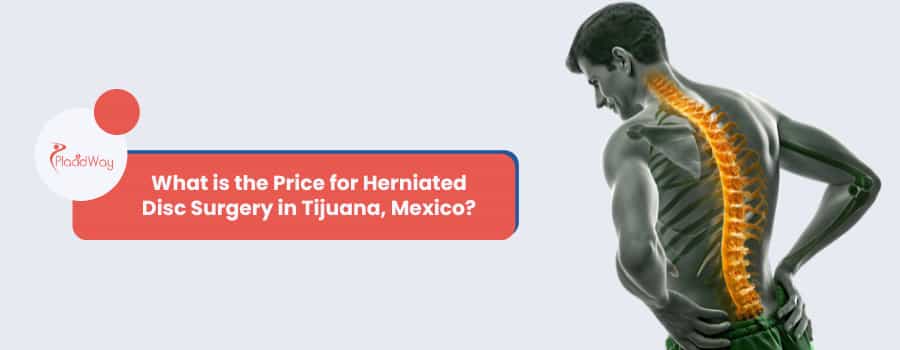
Living with the debilitating pain of a herniated disc can significantly impact your daily life, making even simple movements excruciating. For many, the thought of surgery brings hope for relief, but the high costs associated with spine procedures in countries like the United States can be a major barrier. This is where medical tourism, particularly to nearby locations like Tijuana, Mexico, becomes an appealing solution, offering both advanced medical care and substantial cost savings.
Tijuana has emerged as a prominent hub for medical tourism, drawing patients from across the border seeking various treatments, including specialized spinal surgeries. When it comes to herniated disc surgery, understanding the price range, what's included, and the quality of care available is crucial for making an informed decision. This detailed guide aims to answer all your pressing questions about the price of herniated disc surgery in Tijuana, Mexico, helping you navigate your options with confidence and clarity.
What is the price for herniated disc surgery in Tijuana, Mexico?
The cost of herniated disc surgery in Tijuana is one of its most attractive features for international patients. While specific prices can vary based on several factors, patients can generally expect to pay significantly less than in the United States or Canada. This price point often includes the surgeon's fees, anesthesia, hospital facilities, and a standard length of stay, making it a comprehensive package for many seeking relief from disc-related pain.
It is important to remember that this is an estimated range. The final cost will depend on the complexity of your specific condition, the type of surgical technique required, the reputation of the chosen medical facility, and any additional services or extended stays you might need. Always obtain a detailed quote that outlines all inclusions and potential exclusions to avoid surprises.
How much can I save on herniated disc surgery in Tijuana compared to the US?
The cost disparity between medical procedures in the U.S. and Mexico is substantial, particularly for spinal surgeries. In the United States, a herniated disc surgery, such as a microdiscectomy, can easily range from $20,000 to $50,000 USD, and even higher depending on the hospital and geographical location. This often includes surgeon fees, anesthesia, facility fees, and post-operative care, which accumulate rapidly.
In contrast, Tijuana's lower operational costs, reduced malpractice insurance rates for doctors, and a lower cost of living translate directly into more affordable prices for patients. These savings allow individuals without comprehensive insurance coverage, or those facing high deductibles and out-of-pocket maximums, to access necessary medical care that might otherwise be financially out of reach. The significant savings do not necessarily imply a compromise in quality, as many facilities in Tijuana adhere to international medical standards.
What does the cost of herniated disc surgery in Tijuana typically include?
Most medical packages for herniated disc surgery in Tijuana are designed to be comprehensive, covering the core elements of the procedure and immediate recovery. This transparency helps patients understand exactly what they are paying for. Key inclusions typically consist of:
- Surgeon's Professional Fees: The cost for the specialist performing your surgery.
- Anesthesiologist's Fees: The cost for the medical professional administering and monitoring your anesthesia.
- Hospital Facilities: Use of the operating room, recovery room, and necessary medical equipment.
- Hospital Stay: Accommodation and nursing care for a standard duration, often 1-2 nights post-surgery.
- Basic Medications: Pain management and other essential medicines provided during your hospital stay.
- Initial Post-Operative Consultations: Follow-up visits with your surgeon before you return home.
However, it is vital to clarify what might be excluded. Potential exclusions could involve pre-operative diagnostic tests (like MRI or CT scans if not done prior), specialized implants (if needed for fusion surgeries), extended physical therapy sessions, take-home medications, travel and accommodation expenses, or any complications requiring a longer hospital stay.
What types of herniated disc surgeries are available in Tijuana?
The type of herniated disc surgery recommended depends on the severity of the disc herniation, the location, and the patient's overall health and symptoms. Tijuana's spinal surgeons are proficient in a range of techniques to address different conditions:
- Microdiscectomy: This is the most common procedure for a herniated lumbar disc. It involves removing the herniated portion of the disc that is pressing on a nerve. It is a minimally invasive procedure performed through a small incision, often using a microscope, leading to quicker recovery times.
- Laminectomy: This surgery involves removing part of the vertebral bone called the lamina to relieve pressure on the spinal cord or nerves. It is often performed for spinal stenosis, which can sometimes be caused by a herniated disc and associated bone spurs.
- Spinal Fusion: For more complex or recurrent herniations, especially those involving instability, spinal fusion might be necessary. This procedure permanently connects two or more vertebrae, eliminating motion between them to prevent painful movement and stabilize the spine. This procedure is more invasive and typically has a longer recovery period.
Your surgeon in Tijuana will thoroughly evaluate your condition through diagnostic imaging and physical examination to determine the most appropriate surgical approach for your specific needs.
Is the quality of care for spine surgery in Tijuana comparable to the US?
The perception of medical care abroad sometimes raises questions about quality. However, Tijuana has significantly invested in its medical infrastructure, with many hospitals and clinics meeting or exceeding international standards. Several factors contribute to the high quality of care available:
- Accreditations: Many hospitals in Tijuana hold international accreditations, such as those from the Joint Commission International (JCI), which signifies adherence to strict quality and safety guidelines.
- Surgeon Qualifications: A significant number of spinal surgeons practicing in Tijuana have received training in the United States, Europe, or other highly regarded medical institutions globally. Many are board-certified and have extensive experience in advanced spinal procedures.
- Modern Technology: Clinics are often equipped with state-of-the-art diagnostic and surgical equipment, comparable to what you would find in leading US facilities.
It is crucial for patients to conduct thorough research, look for facilities with strong reputations, and verify the credentials of their chosen surgeon. Reviews and testimonials from previous international patients can also offer valuable insights into their experiences.
What factors influence the final cost of herniated disc surgery in Tijuana?
Several variables can cause the price of herniated disc surgery to fluctuate. Understanding these factors can help you anticipate the total expenditure:
- Surgical Technique: A minimally invasive microdiscectomy might be less expensive than a more complex spinal fusion that requires implants and a longer operative time.
- Severity and Location of Herniation: A more severe or complex herniation requiring intricate surgical maneuvers could incur higher costs due to increased operative time and resources.
- Hospital or Clinic Choice: High-end, internationally accredited hospitals with luxury amenities often have higher facility fees compared to smaller clinics.
- Surgeon's Experience and Reputation: Highly sought-after surgeons with extensive experience or specialized training may charge higher fees.
- Length of Hospital Stay: While a standard herniated disc surgery often includes 1-2 nights, any complications requiring an extended stay will add to the cost.
- Pre-operative Diagnostics: If you arrive without recent MRI or CT scans, these might need to be performed in Tijuana, adding to the total.
- Post-operative Physical Therapy: While initial follow-ups are usually included, extensive physical therapy programs might be an extra cost.
Always request a detailed, itemized quote that clarifies all potential costs before committing to a procedure.
How do I choose a reputable clinic for herniated disc surgery in Tijuana?
Selecting the right clinic is paramount for a successful medical tourism experience. Here are key steps and considerations:
- Accreditation: Prioritize clinics or hospitals that have international accreditations (e.g., JCI) or are affiliated with recognized medical organizations. This ensures adherence to high safety and quality standards.
- Surgeon Credentials: Verify the surgeon's qualifications, including their medical education, specialty training in orthopedics or neurosurgery, board certifications, and years of experience specifically in spine surgery. Many reputable Mexican surgeons have affiliations with US medical institutions.
- Patient Reviews and Testimonials: Look for unbiased reviews and success stories from previous international patients. Online forums, medical tourism platforms, and clinic websites can be good sources.
- Transparency in Pricing: A reputable clinic will provide a clear, detailed breakdown of all costs upfront, without hidden fees. Be wary of prices that seem too good to be true.
- Technology and Facilities: Enquire about the equipment used in the operating room, the cleanliness of the facilities, and the availability of emergency services.
- Communication: Ensure the clinic has English-speaking staff, especially your surgeon, to facilitate clear communication throughout your treatment journey.
Consider using a medical tourism facilitator, who can help vet clinics and surgeons, streamline communication, and assist with logistics.
What are the typical recovery times and post-operative care for herniated disc surgery in Mexico?
Recovery from herniated disc surgery, especially a microdiscectomy, is generally quicker than more invasive spinal procedures, but it still requires patience and adherence to medical advice. Here’s a general timeline:
- Immediately Post-Surgery (1-2 days): You will likely spend 1 to 2 nights in the hospital for pain management, monitoring, and initial mobility assessment. Nurses will help you with basic movements and getting out of bed.
- First Few Weeks (2-4 weeks): You'll be advised to limit strenuous activities, lifting, bending, and twisting. Walking is encouraged for gentle exercise. Pain medication will be prescribed, and you'll have follow-up appointments with your surgeon.
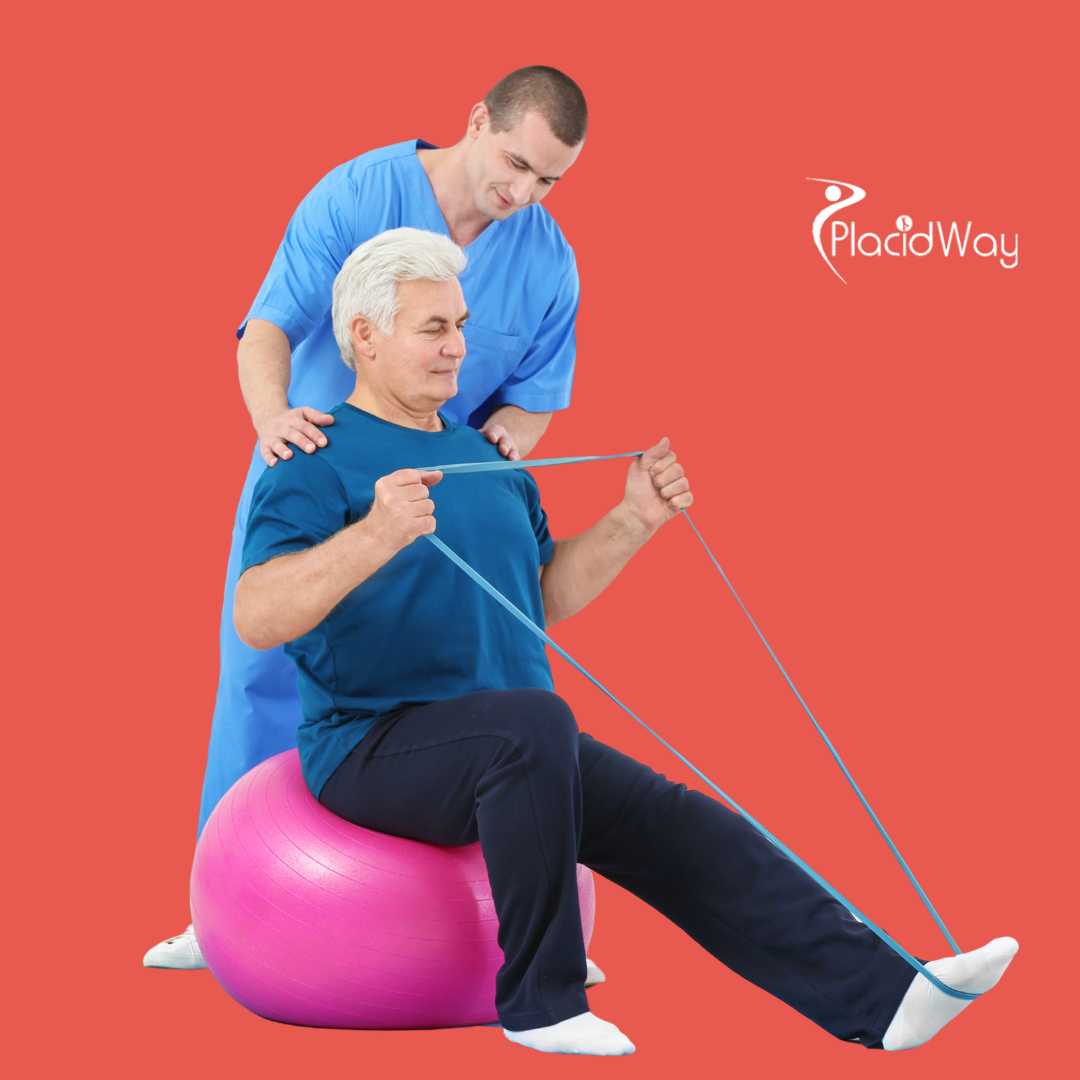
- Rehabilitation Phase (4-6 weeks onwards): Physical therapy usually begins around this time. A therapist will guide you through exercises to strengthen your back and core muscles, improve flexibility, and restore normal movement patterns. This phase is crucial for long-term recovery and preventing recurrence.
- Full Recovery: Most patients can return to light work within 2-4 weeks and more demanding physical activities within 3-6 months, depending on the individual and the type of surgery.
It's important to follow all post-operative instructions diligently, including medication schedules, activity restrictions, and physical therapy regimens, to ensure the best possible outcome.
Are there any hidden costs I should be aware of when planning herniated disc surgery in Tijuana?
While Tijuana offers significant savings, it's wise to budget for potential unforeseen expenses. Being prepared helps ensure a smooth experience. Here are some areas where extra costs might arise:
- Pre-operative Diagnostic Tests: If your existing MRI or CT scans are not recent or comprehensive enough, the clinic might require new scans, adding to the initial cost.
- Unexpected Complications: While rare, complications could necessitate a longer hospital stay, additional medical interventions, or specialized medications not covered in the standard package.
- Medications After Discharge: Prescriptions for pain relief or other medications to take home after your hospital stay are typically an out-of-pocket expense.
- Physical Therapy: While initial rehabilitation advice is often included, extensive, ongoing physical therapy sessions after returning home might not be covered.
- Travel and Accommodation: Flights, ground transportation (airport to clinic/hotel), and hotel stays for yourself and any accompanying person are significant expenses.
- Translator Services: While many clinics have English-speaking staff, if you prefer a dedicated translator for all interactions, this might be an additional cost.
- Travel Insurance: Investing in travel insurance that covers medical emergencies or trip cancellations is a wise precaution.
Always get a detailed, itemized quote from the clinic, and discuss any potential additional costs upfront. It is also advisable to budget an extra 10-15% for contingencies.
How does medical tourism work for herniated disc surgery in Tijuana?
Engaging in medical tourism for spine surgery is a structured process designed to provide a seamless experience. Here's a general overview:
- Initial Research and Consultation: Begin by researching clinics and surgeons in Tijuana specializing in herniated disc surgery. Many offer online consultations where you can share your medical records (MRI, X-rays, diagnosis) to get a preliminary assessment and treatment plan, along with a cost estimate.
- Planning and Logistics: Once you choose a clinic, they or a medical tourism facilitator will assist with scheduling your surgery, providing pre-operative instructions, and helping with travel logistics like airport transfers and hotel recommendations. Ensure your passport is valid and understand any visa requirements if applicable.
- Travel to Tijuana: You will travel to Tijuana, often flying into San Diego, California, and then crossing the border, or flying directly into Tijuana International Airport.
- Pre-operative Appointments: Upon arrival, you'll have in-person consultations with your surgeon, undergo any necessary final diagnostic tests, and complete medical evaluations to ensure you are fit for surgery.
- Surgery and Hospital Stay: You will undergo the herniated disc surgery and typically remain in the hospital for 1-2 days for initial recovery and monitoring.
- Post-operative Care and Recovery: After discharge, you might stay in a nearby hotel for several days to a week for initial recovery and follow-up appointments with your surgeon before you are cleared to travel home.
- Return Home and Rehabilitation: Once home, you will continue your recovery, often involving a structured physical therapy program to regain strength and mobility.
This process is often facilitated by medical tourism agencies or dedicated patient coordinators at the clinics, ensuring support at every step.
Ready to explore your options for herniated disc surgery or other medical procedures? Visit PlacidWay to connect with top-tier healthcare providers and receive personalized support for your medical travel journey.





.png)


.png)


.png)
.png)
.png)











Share this listing