
Affordable Dental Implants in Tijuana: Top Packages Under $10k
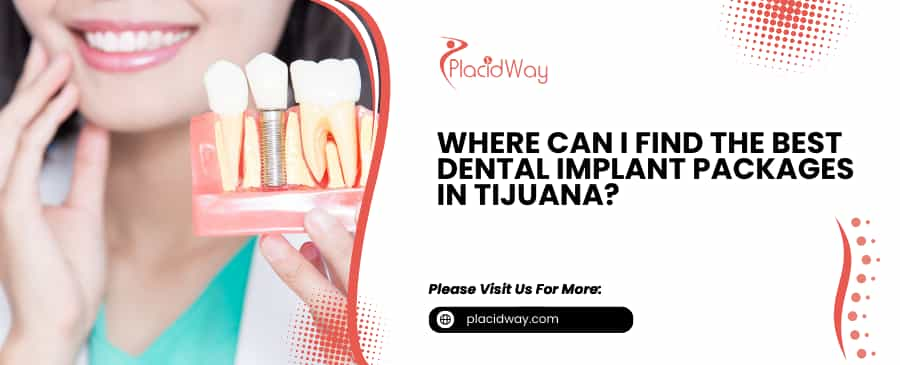
Navigating the options for dental implants in Tijuana requires careful research and a clear understanding of your unique oral health needs. Patients seeking tooth replacement often look across the border to access quality care and comprehensive treatment bundles. These packages can simplify the process by combining various stages of the implant procedure into a single, structured plan.
While exploring options, finding the "best" package is highly subjective. What works perfectly for one patient might not be suitable for another depending on bone density, underlying medical conditions, and the complexity of the required restoration. Making an informed decision involves evaluating what is actually included in the treatment plan, verifying the qualifications of the treating professionals, and understanding the logistics of cross-border healthcare.
Key Takeaways
- Thoroughly verify the credentials, licensing, and experience of your chosen dental professional.
- Understand exactly what a package includes, as items like bone grafts or extractions are often billed separately.
- Traditional implant procedures typically require at least two separate visits spaced several months apart.
- Prioritize facilities that adhere to international standards for sterilization and infection control.
- Always arrange for ongoing maintenance and emergency follow-up care with a local dentist in your hometown.
What is typically included in a dental implant package?
When clinics bundle services into a package, the goal is to provide a transparent overview of the treatment journey. A standard single-tooth implant package usually covers the foundational elements required to replace a missing tooth. This starts with diagnostic imaging, such as a CBCT (Cone Beam Computed Tomography) scan, which is crucial for assessing jawbone density and mapping the exact placement of the implant.
However, it is vital to read the fine print. While the post, abutment, and crown are usually covered, preparatory procedures are frequently excluded. If you require tooth extractions, sinus lifts, or bone grafting to create a stable foundation for the implant, these will typically incur additional fees. Always request a detailed, itemized treatment plan during your initial consultation so you know precisely what is covered.
How much does the procedure cost compared to other regions?
Patients often explore care abroad because the financial estimates for comprehensive dental restoration can be substantially lower than domestic alternatives. This difference in price does not inherently mean a reduction in the quality of materials used. Many reputable facilities utilize the exact same globally recognized implant brands available in North America and Europe.
When comparing estimates, remember that total costs will fluctuate based on your specific clinical needs. The number of implants required, the type of final restoration (such as a single crown versus an implant-supported bridge), and the need for supplementary surgeries all impact the final total. Treat initial quotes as estimates until an in-person clinical evaluation and imaging can be completed.
Are dental procedures safe across the border?
Patient safety should always be the primary concern when considering medical or dental treatments outside your home country. Many facilities catering to international patients invest heavily in modern technology, rigorous infection control measures, and continuous medical education. However, regulatory standards and oversight can vary.
To mitigate risks, patients should actively look for facilities that maintain transparent hygiene protocols. You can ask prospective providers about their sterilization equipment (such as autoclaves) and whether they follow guidelines recommended by organizations like the American Dental Association (ADA) or the CDC. Prioritizing safety over price is the most important step in protecting your health.
What materials and implant brands are used?
The success and longevity of a dental implant heavily depend on the quality of the materials used. Titanium is the industry standard for the implant post because of its excellent biocompatibility and its unique ability to fuse directly with human bone—a process known as osseointegration. For patients with specific metal allergies, some providers may offer alternative materials like ceramic (zirconia) implants, though these are less common.
For the visible portion of the tooth (the crown), materials like porcelain fused to metal (PFM), full porcelain, or solid zirconia are typically utilized. Zirconia is highly favored for its exceptional durability and natural appearance. When reviewing packages, ask the provider to specify the brand of the implant system they intend to use, as major international brands are easier to service if you need adjustments years later in your home country.
How do I select a reliable provider?
Choosing the right provider is a critical decision that directly impacts your safety and the outcome of your treatment. Start by researching the qualifications of the dental surgeon. Look for professionals who have undergone specialized training in implantology or oral and maxillofacial surgery, rather than general dentists who only perform implants occasionally.
In addition to credentials, evaluate the facility's communication standards. A reliable clinic should be willing to answer detailed questions about your treatment plan, discuss potential risks openly, and clearly explain the limits of what they can achieve. If a provider pressures you to make an immediate booking or guarantees perfect results, consider those as significant red flags.
How many visits are required for traditional implants?
A common misconception about dental tourism is that complex restorations can always be completed in a single weekend. While "teeth in a day" or immediate load implants exist, they are only suitable for specific clinical cases. For the majority of patients, the traditional implant process is safely divided into phases.
During the first visit, any necessary preparatory work is done, and the implant post is surgically placed into the jaw. After this, you must wait—usually between three to six months—for osseointegration to occur. Only after the bone has firmly healed around the implant can you return for the second visit, during which the abutment and final custom crown are permanently attached.
What are the risks of traveling for dental surgery?
All surgical procedures carry inherent risks, and dental implant placement is no exception. Complications can include bleeding, infection at the surgical site, sinus issues (if implants placed in the upper jaw protrude into the sinus cavity), or nerve damage that causes pain, numbness, or tingling in the natural teeth, gums, lips, or chin.
Engaging in medical tourism in Tijuana adds a logistical layer to these risks. If a complication arises after you have returned home, traveling back for immediate revision care may not be feasible. It is crucial to establish a relationship with a local dentist in your hometown who is willing to take over your routine maintenance and can step in if post-operative complications occur.
Who is considered a suitable candidate?
Not everyone missing a tooth is an immediate candidate for an implant. A comprehensive evaluation is necessary to determine your eligibility. Your dentist will evaluate your periodontal health, as active gum disease must be treated before an implant can be placed. They will also assess your jawbone density through 3D imaging.
Your broader medical history plays a significant role in candidacy. Conditions like uncontrolled diabetes, autoimmune disorders, or a history of radiation therapy to the head and neck can impair healing and increase the risk of implant failure. Additionally, heavy smoking significantly decreases the success rate of dental implants, and candidates are often advised to quit before undergoing the procedure.
What should I expect during the recovery period?
The immediate post-operative phase typically involves some localized swelling, bruising around the gums and face, and minor bleeding. These symptoms are generally manageable with over-the-counter pain relievers or medications prescribed by your dental surgeon. You will be instructed to rest and avoid strenuous physical activity for a few days to prevent increased bleeding or throbbing at the surgical site.
Dietary adjustments are crucial during the early stages of recovery. Patients are typically restricted to soft foods—such as yogurt, soups, and smoothies—to avoid putting mechanical stress on the healing gum tissue and the new implant. Strict adherence to the provided post-operative care instructions, including gentle oral hygiene practices, is vital for long-term success.
Why Choose PlacidWay for Medical Tourism?
Planning healthcare abroad can be overwhelming, but utilizing a structured medical tourism platform can help streamline your research. PlacidWay offers several resources for patients seeking treatment internationally:
- Extensive Directory: PlacidWay provides a large, accessible directory of healthcare providers and clinics across multiple international destinations.
- Comparison Tools: The platform allows users to review and compare different facilities, available treatments, and package inclusions side-by-side.
- Provider Information: Where available, PlacidWay lists information regarding the credentials, certifications, and background of treating professionals.
- Transparent Offerings: Patients can view detailed outlines of what specific treatment packages entail before making contact.
- Educational Resources: The platform offers articles and guides to help patients better understand the logistics and considerations of seeking healthcare abroad.
Frequently Asked Questions
Do I need a passport to go to Tijuana for dental work?
Yes, a valid passport or passport card is required for international travel between the United States and Mexico, including land border crossings.
Can I get all-on-4 dental implants in Tijuana?
Many appropriately equipped clinics in the region offer full-arch restoration techniques, though your suitability for this specific procedure must be evaluated by a qualified dental professional.
Will my local dental insurance cover implants in Mexico?
Coverage varies widely by insurance provider. Some plans offer out-of-network reimbursement for cross-border care, while others strictly exclude international treatments. Always verify directly with your insurer.
How long do dental implants typically last?
With meticulous oral hygiene and regular professional check-ups, the titanium implant post can last for many years, often a lifetime. The visible crown may eventually require replacement due to normal wear and tear.
What happens if a dental implant fails?
If an implant fails to integrate or develops an infection, it typically needs to be surgically removed. After the area heals, a bone graft and a new implant placement may be attempted depending on the patient's condition.
Are bone grafts always necessary for dental implants?
No. Bone grafts are only required if a patient lacks sufficient jawbone density or volume to securely anchor the titanium post. A 3D scan during your consultation will determine if grafting is needed.
Is it safe to drive across the border after oral surgery?
If you receive sedation during your procedure, you must have a trusted companion drive you back. Even with local anesthesia, post-operative fatigue makes driving yourself inadvisable immediately after surgery.
How soon can I fly after getting a dental implant?
Most dentists recommend waiting at least 24 to 48 hours before flying to avoid discomfort from cabin pressure changes, especially if your procedure involved a sinus lift.
Can I easily communicate in English with dentists in Tijuana?
Many professionals and clinical staff in border-city facilities are bilingual and accustomed to treating international patients, though you should confirm language support when researching facilities.
What type of anesthesia is used during the procedure?
Local anesthesia is standard for numbing the surgical site. Depending on the complexity of the surgery and patient anxiety, options like nitrous oxide, oral sedatives, or IV sedation may also be available.
Compare Treatment Options Today
Gather the information you need to make an informed decision about your dental health. Explore facilities, review packages, and request further details.
Request Treatment InformationReferences
- Dental Implants: What You Should Know – U.S. Food and Drug Administration (FDA)
- Dental Implant Surgery – Mayo Clinic
- Dental Implants Overview – Cleveland Clinic
- Implants – American Dental Association (ADA)
- Medical Tourism: Travel for Medical Care – Centers for Disease Control and Prevention (CDC)
- Tooth Decay and Restorations – National Institute of Dental and Craniofacial Research

























Share this listing