
Dentistry in Antalya, Turkey

Many patients seeking restorative dentistry find themselves looking internationally due to high domestic care costs. Getting a full mouth restoration involves placing individual crowns over most or all of your teeth to rebuild your bite and improve function. Because this involves numerous teeth, the expenses can add up quickly. Understanding the estimated full set of dental crowns cost in Antalya, Turkey helps you budget effectively while preparing for treatment abroad.
Key Takeaways
- A "full set" usually consists of 20 to 24 individual crowns, skipping the wisdom teeth and sometimes the second molars.
- Estimated total costs range from $3,500 to $6,000 USD, though complex cases requiring root canals or extractions will increase the final bill.
- Zirconia and E-max are the most common materials used for durable, natural-looking restorations.
- The procedure typically requires a stay of 5 to 7 days in Antalya.
- Suitability varies; patients with severe gum disease or insufficient bone structure may require preliminary treatments.
What factors influence the full set of dental crowns cost in Antalya, Turkey?
When you start researching your options, you will notice that clinics provide varying quotes. This variation happens because each mouth is unique. A primary cost driver is the material used. A full set of standard porcelain-fused-to-metal (PFM) crowns costs less than a full set of premium E-max or Zirconia crowns. The higher-tier materials offer enhanced durability and a more natural translucency, which many patients prefer for their front teeth.
Additionally, the total number of crowns needed shifts the price. While 20 crowns are common for a functional smile makeover, some patients might need up to 28 crowns. Additional preliminary treatments also play a big role. If your dentist discovers active decay or an infection during your initial exam, you may need deep cleaning, root canal therapy, or an extraction before the crowns can be placed. The experience of the dental team and the technology used at the facility can also slightly influence the pricing.
How many crowns are typically included in a full set?
While an adult mouth naturally holds 32 teeth (including wisdom teeth), dental restorations rarely cover all of them. Dentists usually do not crown wisdom teeth, and often, the second molars in the very back of the mouth do not require aesthetic or functional crowning unless they are heavily decayed.
For most full mouth rehabilitations, restoring 10 to 12 teeth on the upper jaw and 10 to 12 on the lower jaw is sufficient to rebuild the bite and create an even appearance. During your initial consultation, a dentist will evaluate your bite pattern, your smile line (how many teeth show when you smile broadly), and your chewing needs to determine the exact number of crowns required for your specific anatomy.
Which materials are used for dental crowns in Turkey?
Choosing the right material is a significant part of your treatment plan. A modern dental crowns clinic in Antalya, Turkey will typically offer several options, and dentists often use a combination of materials depending on the location of the tooth.
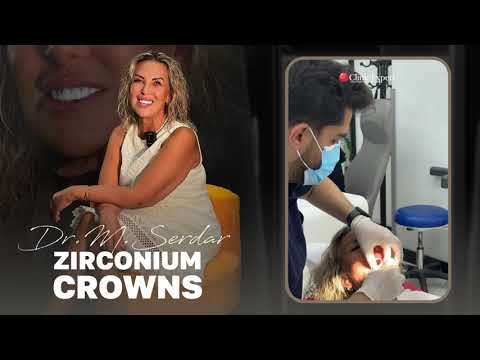
- Zirconia: Known for incredible strength and durability, Zirconia is highly resistant to chipping. It is an excellent choice for molars that endure heavy chewing forces, and modern layered Zirconia is aesthetically pleasing enough for front teeth.
- E-max: Made from lithium disilicate ceramic, E-max crowns offer the highest level of translucency, closely mimicking natural tooth enamel. They are highly favored for the front teeth where aesthetics are the primary concern, though they are slightly less durable than Zirconia.
- Porcelain Fused to Metal (PFM): This traditional option uses a metal base covered by a porcelain shell. PFM crowns are strong and cost-effective, but over time, a dark line may become visible at the gum base. They are used less frequently today for full mouth cosmetic restorations but remain a functional option for back teeth.
Who is a suitable candidate for a full mouth of crowns?
A full set of crowns is a major, irreversible dental procedure because it requires reshaping and reducing the natural tooth structure. Therefore, it is usually recommended only when more conservative treatments (like fillings or veneers) are no longer viable. You may be a good candidate if you suffer from acid erosion, severe bruxism (teeth grinding) that has worn down your bite, or generalized trauma to your teeth.
However, not everyone is immediately eligible. If you have active periodontal (gum) disease, untreated root infections, or severe bone loss, placing crowns on compromised foundations can lead to failure. A qualified dentist must perform a comprehensive examination, including panoramic X-rays or 3D scans, to assess the health of your tooth roots and jawbone before approving you for a full mouth restoration.
How long does the dental crown procedure take in Antalya?
The timeline for getting crowns in Turkey is quite efficient due to in-house dental laboratories and advanced CAD/CAM technology used by many clinics. On your first day, you will typically have a consultation, X-rays, and treatment planning. The dentist will then numb your mouth, prepare (file down) the teeth, take digital or physical impressions, and place temporary crowns so you do not leave with exposed teeth.
Over the next few days, the dental laboratory fabricates your permanent crowns. You will return to the clinic for a fitting session where the dentist checks the shape, color, and bite alignment. If minor adjustments are needed, they are usually made the same day. Once everything fits correctly, the crowns are permanently cemented into place. Patients are usually advised to stay in the city for an additional day or two to ensure there are no bite issues before flying home.
What should I expect during the recovery and aftercare process?
After the anesthesia wears off, it is normal to experience some soreness in your gums where the dentist worked around the gum line. Your teeth may also feel sensitive to hot and cold foods. Over-the-counter pain relievers can often manage this initial discomfort. It can take a few weeks for your mouth to adjust to the feel of a brand-new bite, especially if you had a full set placed.
Proper aftercare is essential for the longevity of your new teeth. You must continue to brush twice a day and floss carefully around the crowns to prevent plaque buildup at the gum margin. Dentists highly recommend wearing a custom night guard if you have a history of clenching or grinding your teeth, as this habit can fracture even strong materials like Zirconia over time. Establishing a relationship with a local dentist in your home country is also vital for your routine cleanings and long-term maintenance.
Are there risks or complications associated with getting a full set of crowns?
Like any medical or dental procedure, placing a full set of crowns carries inherent risks. Because the tooth must be shaved down, the inner nerve (pulp) can become traumatized. Some patients find that a tooth crowned today may develop an infection and require a root canal months or even years later. Additionally, if the cement washes out or the crown does not fit perfectly, bacteria can slip underneath and cause severe decay that goes unnoticed until the tooth is structurally compromised.
When traveling for dental care, you also face the risk of logistical complications. If a problem arises—such as an uneven bite causing jaw pain or a crown popping off—you may need to pay a local dentist out-of-pocket to fix the issue, as returning abroad for minor adjustments is often impractical. Thoroughly discussing these risks with a qualified dental professional helps you make an informed decision.
How do I choose a reputable dental crowns clinic in Antalya, Turkey?
The success of your full mouth restoration depends heavily on the skill of the dentist and the quality of the laboratory used. When evaluating clinics, look for dentists who specialize in prosthodontics or restorative dentistry, as placing a full set of crowns requires a deep understanding of bite alignment and jaw function. Review their educational background, professional memberships, and before-and-after cases of actual patients.
A responsible clinic will request to see your recent X-rays and provide a preliminary treatment plan before you travel. They should be willing to discuss potential risks and clearly explain what happens if a crown fails after you return home. Avoid facilities that apply high-pressure sales tactics or offer prices that seem significantly lower than the regional average, as this may indicate the use of inferior materials or rushed treatment times.
Why is medical tourism in Antalya, Turkey popular for dental work?
Medical tourism in Antalya, Turkey has grown substantially as clinics invest in advanced dental technology, such as 3D imaging, digital impression scanners, and on-site CAD/CAM milling machines. These tools allow dentists to plan and execute extensive procedures like full mouth restorations efficiently. The lower cost of living and operational overhead in the region allows these clinics to offer procedures at a lower price point than what patients typically find in North America or Western Europe.
Beyond the clinical aspects, the geographic location plays a role. Antalya is a major international hub on the Mediterranean coast, meaning there are frequent direct flights from many European cities. Patients often choose to blend their dental recovery with a quiet stay near the coast, utilizing the robust hospitality sector to rest comfortably between dental appointments.
How long can dental crowns be expected to last?
Dental crowns are durable, but they do not last a lifetime. The lifespan of your restorations depends heavily on the material used and how well you care for them. Zirconia crowns generally resist chipping and fracturing better than other materials, but the natural tooth structure underneath remains vulnerable to decay at the gum line.
Daily habits significantly impact longevity. Chewing on ice, biting fingernails, using your teeth to open packaging, or grinding your teeth at night can put excessive stress on the crowns, leading to premature failure. Maintaining excellent oral hygiene, addressing dry mouth (which accelerates decay), and visiting your local dentist for routine professional cleanings can help maximize the lifespan of your investment.
Why Choose PlacidWay for Medical Tourism in Antalya?
PlacidWay is a medical tourism platform that helps patients research and connect with healthcare providers internationally. Here is how the platform can assist your search:
Frequently Asked Questions
Is it painful to get a full set of dental crowns?
The tooth preparation process is typically performed under local anesthesia, meaning you should not feel pain during the procedure. However, it is common to experience some sensitivity and mild discomfort in your gums and jaw for a few days afterward as your mouth heals.
Will I need root canals before getting crowns in Antalya?
Not always. Root canals are generally only necessary if the tooth's pulp is infected, deeply decayed, or traumatized. Your dentist will take X-rays during your initial consultation to determine if any underlying endodontic treatment is required before a crown can be placed.
Can I get dental crowns if I have missing teeth?
If you have a missing tooth, a single crown cannot be placed in the empty space because there is no root to support it. Instead, you may need a dental bridge (which uses adjacent crowned teeth to hold a false tooth) or a dental implant with a crown attached.
What is the difference between veneers and crowns?
Veneers are thin shells that cover only the front visible surface of a tooth and are primarily for cosmetic improvements. Crowns encapsulate the entire visible portion of the tooth down to the gum line, providing structural support for teeth that are damaged or heavily decayed.
How soon can I eat normally after getting new crowns?
You should wait until the local anesthesia completely wears off before eating to avoid biting your cheek or tongue. For the first few days, stick to softer foods. Once you adjust to your permanent crowns, you can typically return to your normal diet, though it helps to avoid excessively hard or sticky foods.
Will my new crowns look natural?
Modern dental crowns, particularly those made from Zirconia or E-max porcelain, are highly translucent and can be color-matched closely to your surrounding teeth. A skilled dental technician can customize the shape and shade so that the final restoration blends naturally with your smile.
Can I fly immediately after the procedure in Antalya?
While flying shortly after getting crowns is usually safe, changes in cabin pressure can sometimes cause mild discomfort, especially if you had a recent root canal or extraction as part of your treatment. Dentists typically recommend waiting 24 to 48 hours after your final fitting before taking a long flight.
Do I need to return to Turkey for follow-up appointments?
Most dental crown procedures are completed within your initial trip. However, routine dental check-ups and professional cleanings are necessary for long-term maintenance. You can typically have these regular check-ups performed by your local dentist back home.
What happens if a crown chips or falls out after I return home?
If a crown becomes damaged or dislodged after you return home, you should see a local dentist as soon as possible to protect the underlying tooth. Depending on the situation and the clinic's policies, you might need to coordinate with the clinic in Antalya regarding any potential revisions, or pay out-of-pocket for a local repair.
Do dental clinics in Antalya speak English?
Many dental facilities in Antalya that cater to international patients employ English-speaking dentists and patient coordinators. During your initial inquiries, you can confirm whether the clinical staff speaks your language or if they provide translation services.
Ready to Explore Your Dental Options?
Compare treatment options, gather estimated costs, and request information from dental facilities.
Request Treatment InformationReferences
- Dental Crowns – American Dental Association (MouthHealthy)
- Dental Crowns: Purpose, Procedure, Complications, Care – Cleveland Clinic
- Dental Treatments (Crowns and Bridges) – National Health Service (NHS)
- Medical Tourism: Travel for Medical Care – Centers for Disease Control and Prevention (CDC)
- Longevity and Failure of Dental Restorations – National Institutes of Health (PubMed Central)
- Dental Tourism: Advice for Patients – British Dental Association (BDA)



























Share this listing