


Ovarian Rejuvenation: Regenerative Fertility Therapy in Mexico
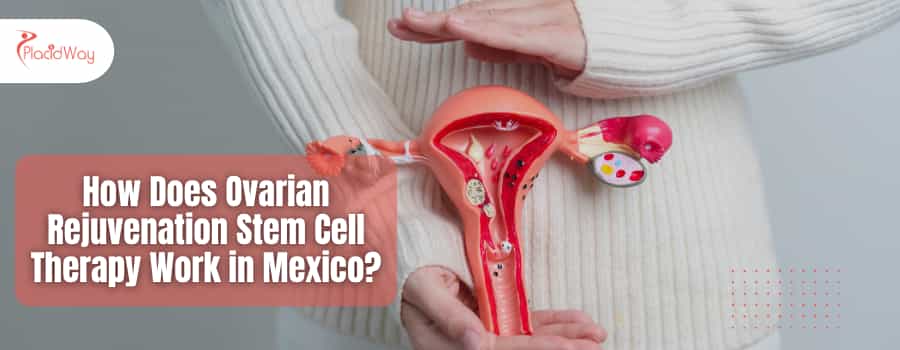
Ovarian rejuvenation stem cell therapy in Mexico works by injecting mesenchymal stem cells directly into the ovaries. This process regenerates tissues, improves blood flow, and awakens dormant follicles to enhance fertility and balance hormones.
Key Takeaways: Regenerative Fertility
- Minimally Invasive: The procedure uses advanced ultrasound guidance to deliver cells safely without major surgery.
- Cellular Healing: Mesenchymal cells release powerful growth factors that repair damaged ovarian tissue.
- Cost Effective: Patients save thousands by choosing certified regenerative centers abroad.
- Natural Restoration: Therapy aims to resume menstrual cycles and elevate naturally occurring anti mullerian hormone levels.
- Holistic Approach: Clinics combine advanced biotechnology with comprehensive reproductive care.
Finding effective solutions for diminishing ovarian reserve can be a challenging emotional journey for many women. Traditional medicine often points directly to donor eggs when natural supply diminishes. However, Ovarian Rejuvenation Stem Cell Therapy in Mexico has emerged as a groundbreaking alternative. This innovative procedure harnesses the bodys natural healing mechanisms to restore reproductive health.
What are the main steps of Ovarian Rejuvenation Stem Cell Therapy in Mexico?
The treatment follows a highly structured clinical pathway involving deep medical evaluation, precise cell harvesting or preparation, targeted ultrasound guided injection, and comprehensive follow up care.
- Comprehensive Clinical Evaluation: Patients undergo extensive hormone panel testing, infectious disease screening, and transvaginal ultrasounds to map the internal pelvic anatomy accurately.
- Cellular Preparation: Depending on the protocol, specialists either extract the patients own cells from bone marrow or fat tissue, or they prepare ethically sourced donor cells in a highly regulated sterile laboratory.
- Patient Sedation: To guarantee absolute comfort and stillness during the precise procedure, board certified anesthesiologists administer twilight sedation.
- Ultrasound Guided Delivery: Using real time high definition ultrasound imaging, the reproductive endocrinologist guides a fine needle through the vaginal wall to deposit millions of active cells directly into the cortex of each ovary.
- Observation and Discharge: Following the brief surgical intervention, patients rest in a private recovery suite for observation before being released to their local accommodations to heal.
The delivery technique used in regenerative therapy is virtually identical to the method used for retrieving eggs during a standard in vitro fertilization cycle. This means reproductive specialists are already highly experienced with the exact anatomical pathways involved.
Who is an ideal candidate for this fertility treatment in Mexico?
The best candidates are women experiencing premature ovarian insufficiency, those with diminished ovarian reserve, or older individuals seeking to optimize their own egg quality before pursuing assisted reproduction.
Women facing premature menopause often struggle with symptoms like hot flashes and absent periods well before the expected age. For these individuals, regenerative treatments offer a beacon of hope. By targeting the underlying cellular aging and inflammation, the therapy can sometimes restart menstrual cycles naturally. This restoration of function brings immense physical and psychological relief to younger women who thought their biological clock had stopped prematurely.
Another major group of candidates includes women who have undergone multiple failed embryo transfers due to poor egg quality. As women age, the mitochondria within their eggs lose energy, leading to chromosomal abnormalities. The regenerative factors introduced directly into the reproductive organs help repair this microenvironment. Consequently, the remaining eggs receive better nourishment, potentially leading to higher quality embryos during subsequent retrieval attempts.
Finally, women who wish to delay menopause strictly for health and longevity purposes are exploring these options. Retaining natural estrogen production helps protect cardiovascular health, bone density, and cognitive function. Therefore, candidacy is not exclusively limited to those actively trying to conceive, but extends to women prioritizing total wellness.
What is the average Ovarian Rejuvenation Stem Cell Therapy cost in Mexico?
The financial investment for this procedure ranges significantly lower than northern alternatives, typically falling between four thousand and seven thousand dollars depending on the specific cellular protocol utilized.
Understanding the Ovarian Rejuvenation Stem Cell Therapy cost in Mexico requires looking at the comprehensive value provided. Facilities structure their pricing to include laboratory processing fees, operating room use, anesthesiology, and the specialized physicians time. In countries like the United States, similar experimental reproductive treatments can easily exceed fifteen thousand dollars out of pocket, creating massive barriers for hopeful parents.
The price variance depends largely on the source of the biological material. Utilizing autologous cells requires a preliminary minor surgery to extract bone marrow or fat tissue, which slightly increases the overall cost. Conversely, employing allogeneic umbilical cord cells eliminates the need for prior extraction, streamlining the timeline but involving specific laboratory acquisition fees. Both avenues remain highly affordable when packaged for international patients.
It is important to note that these figures represent the medical fees. Patients must also budget for local accommodations and post operative medications. However, the favorable exchange rate and competitive local economy ensure that the total expenditure remains a fraction of what patients would pay back home, without sacrificing safety or clinical excellence.
| Region | Estimated Average Price | Inclusivity Level |
|---|---|---|
| United States | $12,000 - $18,000 | Often excludes anesthesia and facility fees |
| Canada | $10,000 - $15,000 | Limited availability, basic procedure only |
| Mexico | $4,000 - $7,000 | Comprehensive packages usually inclusive |
How do stem cells actually restore ovarian function and egg quality?
The restoration happens primarily through the paracrine effect, where the injected cells secrete powerful growth factors that stimulate angiogenesis, reduce chronic inflammation, and wake up dormant follicles.
The science behind this therapy is rooted in cellular communication. When highly concentrated biological materials enter the reproductive tissue, they immediately begin assessing the local environment. They do not magically turn into new eggs. Instead, they act as cellular managers, releasing an array of cytokines and growth factors that instruct the surrounding damaged tissues to repair themselves. This indirect method of healing is incredibly efficient at targeting tissue degradation.
One of the most critical mechanisms is angiogenesis, which means the creation of new blood vessels. As women age, the microvascular networks supplying blood, oxygen, and nutrients to the ovaries deteriorate. By stimulating the growth of fresh blood vessels, the therapy revitalizes the entire organ. Increased blood flow means the existing follicles receive better nourishment, directly translating to improved hormonal output and potentially healthier eggs.
Furthermore, these biological materials possess potent anti inflammatory properties. Chronic inflammation is a known enemy of reproductive health, often accelerating cellular aging and causing early tissue failure. By neutralizing this inflammation, the internal environment becomes highly conducive to regular physiological processes, allowing previously suppressed or dormant follicles to mature appropriately for ovulation.
What are the common sources of stem cells used in Mexican fertility clinics?
Facilities primarily utilize three specialized biological sources to ensure maximum regenerative potential, including bone marrow derived cells, adipose derived cells, and ethically sourced umbilical cord tissue.
- Autologous Bone Marrow: Extracted from the patients own pelvic bone, this source provides a rich mixture of hematopoietic and mesenchymal elements highly effective for vascular repair.
- Autologous Adipose Tissue: Fat tissue harvested via mini liposuction yields abundant regenerative cells that are easily processed in the laboratory for immediate reimplantation.
- Umbilical Cord Whartons Jelly: This allogeneic source comes from healthy, screened donor births and offers young, highly energetic cells with immense proliferative capacity.
- Platelet Rich Plasma Combination: Many protocols blend the chosen cellular source with concentrated plasma from the patients blood to supercharge the growth factors delivered.
- Exosome Enhancement: Some advanced centers incorporate purified exosomes, which are microscopic vesicles that enhance cellular communication and boost overall therapy effectiveness.
How long does the recovery process take after the procedure?
The immediate physical recovery is exceptionally fast, requiring only a few days of pelvic rest, while the internal biological recovery and regeneration occur gradually over several months.
Following the minimally invasive injection, patients generally experience only mild discomfort comparable to light menstrual cramps. The tiny puncture wound in the vaginal wall heals rapidly. Physicians strongly advise resting at your hotel for the first twenty four hours, avoiding heavy lifting, strenuous workouts, and sexual intercourse for at least one week to prevent any risk of infection or disruption to the newly treated tissues.
Because the intervention does not involve large incisions or general anesthesia intubation, the systemic toll on the body is minimal. Most international patients feel entirely normal within forty eight hours and can comfortably fly back to their home countries. Many even use the brief recovery window to enjoy light sightseeing and relaxation, blending their medical journey with a peaceful retreat.
However, patients must understand the distinction between physical recovery and biological results. While the outward body feels fine immediately, the newly introduced cells require weeks to reduce inflammation and build new vascular networks. Regular blood tests and ultrasound monitoring usually begin about two months post procedure to track the true internal progress.
How to choose the best Ovarian Rejuvenation Stem Cell Therapy clinic in Mexico?
Selecting the right facility requires verifying strict governmental regulatory approvals, reviewing the specialists specific background in reproductive endocrinology, and demanding absolute transparency regarding cellular processing laboratories.
When evaluating any Ovarian Rejuvenation Stem Cell Therapy clinic in Mexico, the first non negotiable factor is COFEPRIS certification. This national regulatory body ensures the facility meets rigorous health and safety standards. A legitimate clinic will openly display their licensing and welcome questions about their laboratory affiliations. If a facility processes cells internally, they must have specific clean room certifications to guarantee a sterile environment free from contamination.
Furthermore, the background of the treating physician is paramount. The injection must be performed by a board certified gynecologist or reproductive endocrinologist, not a general practitioner. Navigating the pelvic anatomy with a needle requires specialized skill to avoid damaging surrounding blood vessels or the bladder. Always request the doctors curriculum vitae to confirm their specific expertise in assisted reproductive technologies.
Lastly, reputable clinics provide clear, comprehensive treatment plans before you travel. They conduct thorough virtual consultations, request recent medical records, and explicitly explain the realistic expectations. Avoid centers that promise guaranteed pregnancies or push aggressive sales tactics. True medical professionals prioritize patient safety and informed consent above all else.
Reproductive specialists emphasizing regenerative medicine often stress that setting realistic expectations is crucial. While biology cannot be entirely reversed, optimizing the ovarian environment can dramatically improve the success margins for subsequent fertility treatments.
What are the success rates for women seeking fertility treatments in Mexico?
Success is multifaceted and is typically measured by improved hormone profiles, increased antral follicle counts, resumption of menses, and ultimately, successful pregnancies either naturally or via assisted technology.
Tracking success in regenerative fertility requires looking beyond simple pregnancy rates. The first significant indicator of a successful response is an alteration in blood work. Many patients report a noticeable decrease in Follicle Stimulating Hormone and a gradual increase in Anti Mullerian Hormone levels within three to six months. These shifts suggest that the ovaries are responding to the regenerative signals and attempting to normalize their output.
Ultrasound imaging provides another layer of confirmation. Following the therapy, specialists frequently observe an increase in the antral follicle count during the early stages of the menstrual cycle. Even generating one or two additional healthy follicles can be a monumental victory for women undergoing in vitro fertilization, directly impacting the number of embryos available for transfer.
Actual pregnancy rates vary wildly depending on the patients age and underlying pathology. However, numerous case studies document women achieving spontaneous conception or successfully carrying an IVF pregnancy after previously being classified as poor responders. While not a magic cure for profound infertility, the therapy consistently demonstrates the ability to improve the baseline biological conditions.
Why is medical tourism in Mexico popular for regenerative reproductive therapies?
The country offers a unique combination of progressive biomedical regulations, world class bilingual specialists, accessible geographic proximity, and highly competitive healthcare pricing structures.
The rise of medical tourism in Mexico is driven heavily by the regulatory landscape. Countries north of the border often classify expanded cellular therapies under highly restrictive pharmaceutical guidelines, slowing clinical application to a halt. Conversely, Mexican health authorities have established safe, regulated frameworks that allow doctors to deploy ethically sourced, culturally expanded biological materials to patients who need them now.
Accessibility is another massive draw. For North American patients, traveling across the border is incredibly convenient, often requiring only a short direct flight. Many top tier clinics are situated in beautiful, safe destinations like Cancun, Tijuana, or Mexico City, allowing patients to navigate their healthcare journey in modern, English speaking environments that rival the quality of boutique clinics anywhere in the world.
Finally, the compassionate care model implemented by these international facilities stands out. Patients routinely praise the unhurried consultations and the genuine empathy shown by the medical staff. Instead of feeling like just another number in a crowded domestic healthcare system, medical tourists receive VIP attention, complete with dedicated patient coordinators who handle every aspect of their clinical itinerary.
Why choose PlacidWay for your regenerative fertility journey?
Partnering with a globally recognized medical facilitation platform ensures your pathway to reproductive care is secure, thoroughly vetted, and entirely tailored to your unique medical requirements.
- Rigorous Facility Vetting: We partner exclusively with fully accredited centers that demonstrate flawless safety records and employ board certified reproductive endocrinologists.
- Unmatched Price Transparency: Our platform guarantees comprehensive, upfront pricing with zero hidden clinical fees, ensuring you can budget your medical expenses accurately.
- Personalized Patient Advocacy: You receive dedicated support from specialized care coordinators who advocate for your specific health goals throughout the entire consultation phase.
- Direct Specialist Access: We facilitate seamless initial video consultations, allowing you to establish trust and review your medical history directly with the treating physician before making any commitments.
- Customized Treatment Pathways: Our network recognizes that fertility is deeply personal, ensuring that the selected medical team customizes the cellular protocols directly to your hormonal profile and age.
Frequently Asked Questions About Regenerative Fertility
Is ovarian stem cell treatment painful in Mexico?
The procedure is generally minimally invasive and well tolerated. Clinics administer local anesthesia or mild intravenous sedation to ensure patient comfort during the injection process. Post procedure discomfort is usually comparable to mild menstrual cramps and subsides within a day or two.
How long does it take to see results from ovarian rejuvenation?
Patients typically begin seeing improvements in hormonal profiles and ultrasound follicle counts between two to six months post treatment. The cellular regeneration process is gradual, as biological factors require time to reduce inflammation and stimulate new vascular growth within the ovarian tissue.
Are stem cells for fertility regulated and safe in Mexico?
Yes, regenerative medicine is strictly regulated by COFEPRIS, the national health regulatory agency. Licensed facilities must adhere to rigorous laboratory standards for processing and administering biological materials, making the treatments highly safe when performed by certified specialists.
Can women with early menopause benefit from this treatment?
Women experiencing premature ovarian failure or early menopause are primary candidates. The therapy aims to restore hormonal balance and potentially stimulate any remaining dormant eggs, which can help alleviate menopausal symptoms and offer a chance at natural conception or future assisted reproduction.
Do I need to stay in the hospital overnight after the procedure?
Overnight hospitalization is rarely required. Ovarian rejuvenation is performed on an outpatient basis. Patients are typically monitored for a few hours in a recovery room to ensure stability before being discharged to rest safely at their chosen local accommodation.
Can this procedure be combined with IVF treatments in Mexico?
Absolutely. Many reproductive endocrinologists recommend this therapy as a preparatory step before an IVF cycle. By improving overall egg quality and quantity, the regenerative treatment can significantly enhance the chances of a successful embryo transfer and a healthy pregnancy outcome.
Are there any age limits for undergoing regenerative ovarian therapy?
While there is no strict legal age limit, clinics evaluate each patient individually based on overall health and remaining ovarian reserve. Women up to their early fifties often seek this therapy, but clinical success rates vary depending heavily on individual biology and the duration since menopause began.
What side effects might occur after stem cell ovarian injection?
Side effects are generally mild and temporary. Patients might experience light spotting, pelvic heaviness, or mild cramping for a few days. Severe complications are exceptionally rare because the procedure utilizes a fine needle guided by precision ultrasound, effectively mimicking standard egg retrieval.
How many days should I stay in Mexico for the entire treatment?
Most medical protocols require a stay of four to seven days. This timeframe allows for necessary initial consultations, extensive blood work, the procedure day itself, and a final post operative evaluation to ensure you are completely physically stable and safe to fly back home.
Will my health insurance cover regenerative fertility procedures abroad?
Regenerative fertility treatments are largely considered elective or experimental by mainstream health insurance providers. Therefore, patients usually pay out of pocket. However, the overall medical costs abroad are substantially lower, making it a highly accessible and financially viable option for many families.

.png)





.png)


-(3).png)
-(9).png)
-(8).png)









Share this listing