


Is Stem Cell Therapy Effective for Lymphoma? India Treatment Guide
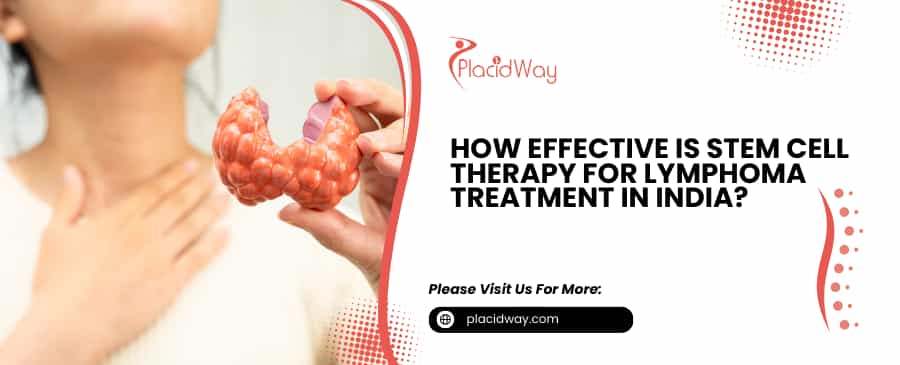
Welcome to a comprehensive guide exploring the efficacy of stem cell therapy for lymphoma treatment in India. If you or a loved one are navigating a lymphoma diagnosis, understanding all available treatment avenues is crucial. India has emerged as a prominent global hub for advanced medical treatments, including specialized oncology care and stem cell transplantation.
Stem cell therapy, often referred to as a hematopoietic stem cell transplant, plays a vital role in treating various types of lymphoma. This treatment modality aims to restore the body's ability to produce healthy blood cells after high-dose chemotherapy or radiation, which are used to eradicate cancer cells. In India, patients can access world-class facilities and experienced medical professionals, making it a compelling option for those seeking effective lymphoma treatment.
What types of lymphoma can be treated with stem cell therapy?
Stem cell therapy is a crucial treatment option for specific forms of lymphoma, a cancer originating in the lymphatic system. It's not a first-line treatment for all types but becomes a powerful tool in particular scenarios. For Hodgkin Lymphoma, it is often considered when the disease recurs after initial chemotherapy (relapsed Hodgkin lymphoma) or if it doesn't respond to standard treatment (refractory Hodgkin lymphoma). The goal is to use high-dose chemotherapy to eliminate remaining cancer cells, followed by a stem cell transplant to rescue the bone marrow.
Similarly, for Non-Hodgkin Lymphoma (NHL), stem cell transplantation is widely used. Aggressive forms of NHL, such as diffuse large B-cell lymphoma (DLBCL), often benefit from this therapy if they relapse. Other types, including mantle cell lymphoma and certain T-cell lymphomas, may also be treated with stem cell transplants, especially if the disease is advanced or unresponsive to conventional approaches. The choice of transplant type (autologous or allogeneic) depends on various factors, including the specific lymphoma type, its stage, and the patient's overall health.
What are the success rates of stem cell therapy for lymphoma in India?
The success rates of stem cell therapy for lymphoma in India are highly encouraging and align with global benchmarks for advanced cancer treatment. These rates can vary significantly based on several critical factors, including the specific type and stage of lymphoma, whether it's an autologous transplant (using the patient's own stem cells) or an allogeneic transplant (using donor stem cells), the patient's age and overall health, and their response to previous treatments.
For patients with relapsed or refractory Hodgkin lymphoma and aggressive non-Hodgkin lymphoma like DLBCL, autologous stem cell transplantation often yields long-term remission rates. While specific numbers vary by hospital and individual case, many centers report favorable outcomes. Allogeneic transplants, typically used for more advanced or high-risk cases, carry different success rates and risks but can offer a curative potential, especially by leveraging the donor's immune system to fight remaining cancer cells. Indian hospitals are equipped with modern technology and skilled oncologists to optimize these outcomes.
What is the procedure for stem cell therapy for lymphoma?
The stem cell therapy procedure for lymphoma, officially known as hematopoietic stem cell transplantation (HSCT), is a complex process divided into several distinct phases. It begins with the collection of stem cells. In an autologous transplant, the patient's own healthy stem cells are collected and stored before high-dose therapy. For an allogeneic transplant, stem cells are collected from a compatible donor, often a sibling or an unrelated donor.
Once stem cells are collected, the patient undergoes a "conditioning" regimen, which involves high doses of chemotherapy, sometimes combined with radiation therapy. The primary goal of conditioning is twofold: to destroy as many cancer cells as possible and to create space in the bone marrow for the new stem cells. This phase typically lasts several days and can be quite intense. After conditioning, the stored or donor stem cells are infused into the patient's bloodstream, similar to a blood transfusion. These infused stem cells then travel to the bone marrow, where they begin to engraft and produce new, healthy blood cells. The engraftment period is crucial and requires close monitoring in a sterile environment to manage potential complications.
What are the potential side effects and risks of stem cell therapy for lymphoma?
Stem cell therapy, while life-saving, comes with a range of potential side effects and risks, primarily due to the intense conditioning regimen that precedes the transplant. Because high-dose chemotherapy and radiation destroy both cancer cells and healthy rapidly dividing cells, including bone marrow cells, patients experience a period of severe immunosuppression. During this time, the body is highly vulnerable to infections from bacteria, viruses, and fungi, which can be life-threatening. Patients also commonly experience severe fatigue, nausea, vomiting, mouth sores (mucositis), hair loss, and diarrhea.
Beyond these immediate effects, there are specific risks associated with the type of transplant. In allogeneic transplants, a major concern is Graft-versus-Host Disease (GVHD), where the donor's immune cells attack the patient's healthy tissues, potentially affecting the skin, liver, and gastrointestinal tract. GVHD can be acute or chronic and ranges from mild to severe. Other long-term risks for both transplant types can include infertility, thyroid problems, cataracts, lung damage, heart problems, and an increased risk of developing secondary cancers. These risks are carefully managed by transplant teams through supportive care, medications, and vigilant monitoring.
How does stem cell therapy for lymphoma differ from traditional chemotherapy?
While both stem cell therapy and traditional chemotherapy are vital components of lymphoma treatment, their approaches and objectives differ significantly. Traditional chemotherapy involves using anti-cancer drugs, typically administered in cycles, to kill rapidly dividing cancer cells throughout the body. The doses are carefully calibrated to be toxic to cancer cells while minimizing harm to healthy cells, though side effects like fatigue, nausea, and hair loss still occur due to collateral damage to fast-growing healthy cells (e.g., in bone marrow, hair follicles, gut lining). The primary goal is to induce remission or control disease progression.
Stem cell therapy (transplantation), on the other hand, is generally a more intensive treatment. It employs extremely high doses of chemotherapy (and sometimes radiation) specifically designed to eradicate all cancer cells, even those resistant to lower doses. However, these high doses are lethal to the bone marrow, destroying its ability to produce blood cells. The "stem cell" part of the therapy is the crucial rescue mission: after the high-dose conditioning, healthy stem cells (either the patient's own or a donor's) are infused to repopulate the bone marrow, allowing the body to restart healthy blood cell production. Thus, stem cell therapy is not just about killing cancer but also about enabling recovery from aggressive, potentially curative, anti-cancer treatment.
What is the cost of stem cell therapy for lymphoma treatment in India?
The cost of stem cell therapy for lymphoma treatment in India is a major draw for international patients, offering a significant advantage compared to prices in countries like the United States or Western Europe. While exact figures can vary widely, a general estimate for an autologous stem cell transplant can range from approximately $20,000 to $40,000 USD. For an allogeneic stem cell transplant, which is more complex due to donor matching and increased risk of complications, the cost can range from $35,000 to $60,000 USD, and sometimes even higher depending on the specific donor search and post-transplant care required.
These costs typically include the hospital stay, pre-transplant evaluations, the conditioning regimen (chemotherapy/radiation), stem cell collection and infusion, medications, and initial post-transplant monitoring. However, it's important to note that these figures might not cover additional expenses such as extended stays for complications, specific supportive therapies, post-transplant follow-up outside the initial package, travel, or accommodation for family members. Patients should always request a detailed breakdown of costs from the chosen hospital and understand what is included in their treatment package.
Is India a good destination for international patients seeking lymphoma stem cell therapy?
India has firmly established itself as a premier destination for medical tourism, particularly for complex treatments like lymphoma stem cell therapy. Several factors contribute to its appeal for international patients. Firstly, Indian hospitals, especially those in major cities like Delhi, Mumbai, Chennai, and Bangalore, are equipped with state-of-the-art medical technology and infrastructure that meet or exceed international standards. Many facilities are accredited by recognized international bodies, ensuring adherence to rigorous quality and safety protocols.
Secondly, India boasts a large pool of highly qualified and experienced oncologists and hematologists, many of whom have received training from leading institutions globally. These specialists are adept at performing intricate stem cell transplantation procedures and managing associated complications. Furthermore, the significantly lower cost of treatment, without compromising on quality, makes India an attractive option for patients worldwide. The combination of medical expertise, advanced technology, and cost-effectiveness provides a compelling case for choosing India for lymphoma stem cell therapy.
What support services are available for medical tourists undergoing lymphoma treatment in India?
Recognizing the unique needs of international patients, Indian hospitals and medical tourism facilitators offer an extensive array of support services to ensure a smooth and comfortable experience. Upon arrival, many hospitals provide airport pick-up and drop-off services. Dedicated international patient departments assign a coordinator who acts as a single point of contact, assisting with everything from scheduling appointments and coordinating treatment plans to managing logistics.
Language is rarely a barrier, as most medical professionals and staff are fluent in English, and interpreters are often available for other languages. Assistance with medical visas, accommodation for patients and their accompanying family members, and local travel arrangements are also commonly provided. During the treatment period, patients receive holistic care that includes nutritional support, psychological counseling, and access to amenities designed for patient comfort. Post-treatment, follow-up care schedules and communication channels are established to ensure continuous support even after the patient returns home.
What factors determine eligibility for stem cell therapy for lymphoma?
Deciding if a patient is eligible for stem cell therapy for lymphoma involves a thorough and multi-faceted evaluation by a transplant team. Several critical factors are considered to ensure the patient can withstand the intensity of the procedure and maximize the chances of a positive outcome. Primarily, the type and stage of lymphoma play a significant role. It is typically reserved for aggressive lymphomas that have relapsed, are refractory to standard treatments, or for certain high-risk first-remission cases.
The patient's age and overall health status are paramount. While there's no strict age cut-off, younger patients and those with fewer co-existing medical conditions (comorbidities) generally tolerate the treatment better. Comprehensive evaluations of heart, lung, kidney, and liver function are performed to ensure these organs can handle the high-dose chemotherapy. Furthermore, the patient's previous treatment history and their response to earlier therapies are crucial. For allogeneic transplants, the availability of a suitable stem cell donor, typically a matched sibling or an unrelated donor from a registry, is an absolute requirement. A complete physical examination, blood tests, imaging scans, and bone marrow biopsies are all part of this rigorous assessment process.
What is the recovery period after stem cell therapy for lymphoma?
The recovery period following stem cell therapy for lymphoma is a prolonged process that can be divided into immediate and long-term phases. The initial phase, often spent in a specialized transplant unit, typically lasts 3 to 4 weeks. During this time, the primary focus is on managing immediate side effects of the conditioning regimen and awaiting "engraftment," which is when the new stem cells begin to settle in the bone marrow and produce healthy blood cells. Patients are highly susceptible to infection during this period due to a severely weakened immune system and require strict isolation and intensive supportive care, including blood transfusions and anti-infective medications.
Once engraftment occurs and the patient's blood counts show signs of recovery, they are usually discharged from the hospital. However, the journey to full recovery extends for several months, often up to a year or even longer. During this long-term recovery, the immune system continues to rebuild and mature, leaving the patient vulnerable to late-onset infections and other complications. Regular follow-up appointments, medication management (especially immunosuppressants for allogeneic transplants), and rehabilitation are essential. Patients gradually regain their strength and energy, but fatigue can persist for some time. Psychological support is also crucial during this challenging recovery phase.
Ready to explore advanced treatment options for lymphoma? Visit PlacidWay to connect with leading healthcare providers and discover personalized solutions for your medical journey.


.png)



.png)
.png)
.png)
















Share this listing