


Thalassemia Bone Marrow Transplant in India | Low Cost Stem Cell Cure
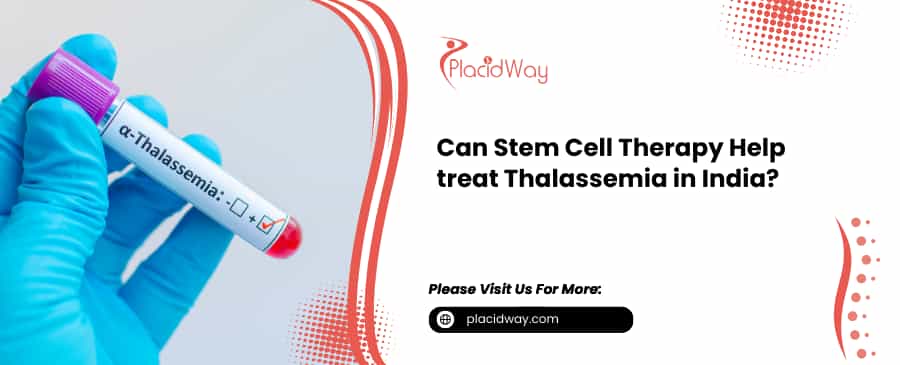
Thalassemia is a genetic blood disorder that affects millions globally, with a significant prevalence in India. This condition leads to the body producing an abnormal form of hemoglobin, resulting in excessive destruction of red blood cells, which in turn causes anemia. Patients often require lifelong blood transfusions, which can lead to complications like iron overload, impacting organs like the heart and liver. The search for a more permanent solution is constant, and one of the most promising advancements in recent years has been stem cell therapy.
In India, the landscape of medical treatment is rapidly evolving, with advanced therapies becoming more accessible. Stem cell therapy has emerged as a beacon of hope for many families grappling with thalassemia. It offers the potential not just for managing symptoms, but for a complete cure, fundamentally altering the patient's genetic predisposition to the disease. Understanding this complex treatment, its effectiveness, costs, and availability in India is crucial for patients and their families seeking the best possible care.
What is Thalassemia and How Does it Affect Individuals?
Thalassemia is an inherited blood disorder where the body makes an abnormal form of hemoglobin, the protein in red blood cells that carries oxygen. This abnormality leads to an insufficient production of healthy red blood cells, causing anemia, fatigue, weakness, and other serious health problems. It is categorized into alpha-thalassemia and beta-thalassemia, with varying degrees of severity.
Individuals with severe forms of thalassemia, such as thalassemia major, often require frequent blood transfusions throughout their lives. While these transfusions are life-sustaining, they can lead to an overload of iron in the body. Iron overload can damage organs like the heart, liver, and endocrine glands, necessitating additional treatments for iron chelation. The chronic nature of the disease significantly impacts the patient's quality of life and longevity.
How Does Stem Cell Therapy Work for Thalassemia?
The core principle behind stem cell therapy for thalassemia is to replace the faulty blood-forming system in the patient with a healthy one. This is achieved through hematopoietic stem cell transplantation (HSCT), often referred to as a bone marrow transplant. The stem cells used are typically sourced from a compatible donor, often a sibling or an unrelated matched donor.
The process generally involves several key steps. First, the patient undergoes a conditioning regimen, usually with chemotherapy, to suppress their existing bone marrow and immune system. This makes space for the new stem cells and reduces the risk of rejection. Next, healthy stem cells from the donor are infused into the patient's bloodstream. These stem cells then migrate to the bone marrow, where they engraft and begin to produce healthy blood cells, including red blood cells with normal hemoglobin. Over time, if successful, the patient's body starts producing sufficient healthy red blood cells, eliminating the need for transfusions.
What are the Types of Stem Cell Therapy Used for Thalassemia in India?
The most established and effective type of stem cell therapy for thalassemia in India is allogeneic hematopoietic stem cell transplantation (HSCT). "Allogeneic" means the stem cells come from a donor different from the patient.
There are different sources for these donor stem cells:
- Matched Sibling Donor (MSD): This is considered the best option due to the highest compatibility and lowest risk of complications. Finding a fully matched sibling is ideal.
- Matched Unrelated Donor (MUD): If a sibling match isn't available, a search is conducted through national and international bone marrow registries to find an unrelated donor with a close genetic match.
- Haploidentical Donor: This involves a partially matched donor, usually a parent or another family member who shares half of the genetic markers. Advances in medical science have made haploidentical transplants safer and more common, expanding treatment options for patients without a fully matched donor.
- Umbilical Cord Blood: Stem cells from umbilical cord blood can also be used, especially in younger patients. Cord blood banks store these cells, and they can be a viable option when other donor sources are not available.
The choice of donor type depends on availability, patient age, disease severity, and the recommendation of the medical team.
Who is an Ideal Candidate for Stem Cell Therapy for Thalassemia?
Identifying the right candidate is crucial for the success of stem cell therapy. Generally, younger patients, especially those under 16 years old, tend to have better outcomes. This is because their bodies are more resilient and less likely to have developed significant organ damage due to chronic iron overload from blood transfusions.
Key factors for ideal candidacy include:
- Age: Younger age is strongly correlated with higher success rates and fewer complications.
- Disease Severity: Patients with thalassemia major, who are transfusion-dependent, are the primary candidates.
- Organ Health: Minimal or no signs of organ damage (heart, liver, endocrine glands) due to iron overload is critical. This is assessed through various tests like MRI T2* for iron quantification.
- Availability of a Matched Donor: A fully matched sibling donor offers the best prognosis. If not available, an extensive search for a matched unrelated donor or evaluation for haploidentical transplant is considered.
- Overall Health: Patients must be in relatively good health to withstand the intense conditioning regimen and recovery process.
A thorough pre-transplant evaluation by a multidisciplinary team is essential to determine suitability.
What is the Success Rate of Stem Cell Therapy for Thalassemia in India?
The success rates for stem cell therapy in treating thalassemia have significantly improved over the years, especially in specialized centers in India. For younger patients (under 7 years) with thalassemia major who receive a transplant from a fully HLA-matched sibling donor and have minimal or no iron overload (Class 1 patients), the success rate, meaning achieving a cure and becoming transfusion-independent, can be as high as 90-95%.
However, success rates can vary based on several factors:
- Donor Type: Matched sibling donors yield the highest success rates. Matched unrelated donors and haploidentical transplants have slightly lower but still significant success rates, thanks to advanced protocols and supportive care.
- Patient's Pre-transplant Condition: The absence of severe iron overload, liver enlargement, and a young age are strong predictors of a positive outcome.
- Center Expertise: The experience of the transplant center and the medical team plays a vital role in successful outcomes and managing potential complications.
While complete cure is the goal, even partial success, where transfusion requirements are significantly reduced, can vastly improve a patient's quality of life.
What are the Potential Risks and Complications of Stem Cell Therapy?
Despite its potential benefits, stem cell therapy is an intensive medical procedure with potential risks and complications. These risks are carefully weighed against the severity of thalassemia and the potential for a cure. Understanding these is important for patients and their families.
Major risks include:
- Infections: The conditioning chemotherapy suppresses the immune system, making patients highly vulnerable to bacterial, viral, and fungal infections.
- Graft-versus-Host Disease (GVHD): This is a serious complication where the donor's immune cells attack the recipient's body tissues, perceiving them as foreign. It can affect the skin, liver, and gastrointestinal tract and can be acute or chronic.
- Organ Toxicity: The high-dose chemotherapy used in conditioning can damage organs such as the liver, kidneys, heart, and lungs.
- Graft Failure: In some cases, the transplanted stem cells may fail to engraft or may be rejected by the recipient's body, leading to a return of the original disease.
- Infertility: Chemotherapy can impact fertility, which is a significant consideration, especially for adolescent and adult patients.
These complications require rigorous monitoring and prompt management by an experienced transplant team to improve patient outcomes.
What is the Cost of Stem Cell Therapy for Thalassemia in India?
The cost of stem cell therapy for thalassemia in India is significantly lower compared to Western countries, making it an attractive option for many international patients. However, the exact cost can vary widely depending on several factors:
- Hospital and City: Major metropolitan cities and renowned hospitals often have higher costs.
- Donor Type: Matched sibling donor transplants are generally less expensive than matched unrelated donor (MUD) or haploidentical transplants, which involve additional costs for donor search, procurement, and specialized processing.
- Conditioning Regimen: The type and duration of chemotherapy, along with specific medications, influence the overall cost.
- Duration of Stay: The total hospital stay, which can extend for several weeks or even months post-transplant for monitoring and recovery, contributes significantly to the expenses.
- Complications: Any complications arising during or after the transplant can lead to increased costs for additional treatments, medications, and extended hospital stays.
It's advisable to get a detailed cost breakdown from the chosen hospital, which should include pre-transplant evaluations, the procedure itself, post-transplant care, medications, and potential management of complications.
Why Consider India for Stem Cell Therapy for Thalassemia?
India has emerged as a global hub for medical tourism, especially for complex procedures like stem cell therapy. Several factors make it an attractive option for patients seeking treatment for thalassemia:
- Cost-Effectiveness: As mentioned, the cost of treatment in India is a fraction of what it would be in countries like the US or UK, without compromising on quality.
- Experienced Medical Professionals: India boasts a large pool of highly qualified and experienced hematologists, oncologists, and transplant specialists who have received training from leading institutions worldwide.
- State-of-the-Art Facilities: Many Indian hospitals are equipped with advanced technology, modern infrastructure, and dedicated stem cell transplant units that adhere to international standards.
- High Success Rates: Renowned centers in India report success rates comparable to global benchmarks, especially for well-selected patient groups.
- Accessibility: The relatively easier visa processes for medical tourists and the availability of English-speaking staff contribute to a smoother experience for international patients.
These combined advantages offer a compelling case for choosing India for critical treatments like stem cell therapy for thalassemia.
What Should International Patients Know When Planning Stem Cell Therapy in India?
For international patients, planning medical travel to India for stem cell therapy requires careful preparation. Here are some key considerations:
- Hospital Selection: Research and select hospitals that have NABH (National Accreditation Board for Hospitals & Healthcare Providers) or JCI (Joint Commission International) accreditation, ensuring adherence to high-quality standards. Look for dedicated transplant units and experienced teams.
- Visa and Travel: Obtain a medical visa for the patient and accompanying family members. This visa typically allows for an extended stay. Plan travel arrangements, including flights and local transportation.
- Accommodation: Patients will need to stay in India for several weeks or even months (pre-transplant evaluation, transplant, and post-transplant recovery). Plan for accommodation near the hospital, often in serviced apartments or guesthouses.
- Language and Support: While many medical professionals speak English, having access to interpreters for other languages can be beneficial. Consider engaging medical tourism facilitators who can assist with logistics, appointments, and communication.
- Follow-up Care: Discuss post-transplant follow-up care and medication requirements with the Indian medical team before returning home, ensuring a smooth transition.
Thorough preparation can significantly ease the medical journey and focus on the patient's recovery.
Are There Alternatives to Stem Cell Therapy for Thalassemia Management?
While stem cell therapy offers the potential for a cure, it's not suitable or accessible for everyone. For many individuals with thalassemia, management focuses on alleviating symptoms and preventing complications. These conventional treatments include:
- Regular Blood Transfusions: This is the cornerstone of treatment for thalassemia major. Patients receive transfusions every 2-4 weeks to maintain adequate hemoglobin levels, reduce anemia symptoms, and suppress their own ineffective red blood cell production.
- Iron Chelation Therapy: Frequent blood transfusions lead to iron overload in the body, which can damage vital organs. Chelation therapy involves medications (oral or injectable) that help remove excess iron from the body.
- Folic Acid Supplementation: Folic acid is essential for red blood cell production, and supplementation helps support the body's efforts to produce healthy cells.
- Splenectomy: In some cases, the spleen, which is involved in filtering old red blood cells, can become enlarged and overactive, leading to increased destruction of red blood cells. Surgical removal of the spleen (splenectomy) may be performed to reduce transfusion requirements.
- Gene Therapy: This is an emerging and experimental treatment approach that aims to correct the genetic defect responsible for thalassemia. While promising, it is currently in clinical trial phases and not widely available as a standard treatment.
These alternative treatments aim to manage the disease and improve quality of life, but they do not offer a permanent cure for thalassemia.
What is the Recovery Period After Stem Cell Therapy for Thalassemia?
The recovery period following stem cell therapy is a critical phase and requires significant patience and adherence to medical advice. It can be divided into several stages:
- Initial Hospital Stay (4-6 weeks): After the stem cell infusion, the patient remains in the hospital for several weeks. This period is crucial for engraftment, where the new stem cells settle in the bone marrow and start producing blood cells. During this time, patients are highly susceptible to infections and are monitored closely for complications like GVHD.
- Immediate Post-Discharge (3-6 months): Once discharged, patients must remain close to the transplant center for frequent follow-up appointments. The immune system is still recovering, and vigilance against infections is paramount. Immunosuppressant medications are typically continued to prevent GVHD.
- Long-Term Recovery (6-12 months and beyond): Full immune recovery can take anywhere from 6 months to a year, or even longer for some individuals. During this period, patients gradually return to normal activities, but precautions against infections and regular monitoring for late complications, including chronic GVHD, are necessary. Vaccinations are typically re-administered after complete immune recovery.
The recovery journey is unique for each patient, influenced by factors like age, overall health, and the presence of complications. A strong support system and diligent follow-up care are essential for optimal outcomes.
How to Find a Reputable Center for Stem Cell Therapy in India?
Choosing the right medical facility is paramount for successful stem cell therapy. When searching for a reputable center in India, consider the following:
- Accreditation: Prioritize hospitals that hold national (NABH) or international (JCI) accreditations. These accreditations signify adherence to high standards of patient care, safety, and quality.
- Dedicated Transplant Unit: A specialized unit for stem cell transplantation indicates expertise and the necessary infrastructure, including sterile environments and advanced equipment.
- Team Experience: Look for centers with highly experienced hematologists, oncologists, transplant coordinators, and support staff who have performed a significant number of successful transplants for thalassemia.
- Success Rates and Outcomes: Inquire about the center's specific success rates for thalassemia transplants, broken down by donor type and patient age. While not always publicly available, reputable centers should be transparent during consultation.
- Comprehensive Care: A good center offers holistic care, including pre-transplant evaluation, counseling, psychological support, and robust post-transplant follow-up services.
Utilizing medical tourism facilitators can also streamline the process of identifying and connecting with reputable hospitals that meet specific needs.
What Preparations Are Needed Before Stem Cell Therapy for Thalassemia?
Preparation for stem cell therapy is comprehensive and critical for a successful outcome. It involves both medical and logistical aspects:
- Detailed Medical Evaluation: The patient undergoes a battery of tests to assess overall health, organ function (heart, liver, kidneys, lungs), iron overload status, and to screen for any active infections. This includes blood tests, imaging scans (MRI, ECHO), and sometimes biopsies.
- Donor Search and Matching: If a matched sibling is not available, an intensive search for a matched unrelated donor (MUD) begins through national and international registries. For haploidentical transplants, family members are screened. This process can take several months.
- Psychological and Financial Counseling: Both the patient and their family receive counseling to understand the complexities, risks, and emotional impact of the procedure. Financial planning is also discussed to manage the costs involved.
- Pre-Transplant Immunizations: Patients typically receive necessary vaccinations to reduce the risk of certain infections before their immune system is suppressed.
- Central Venous Catheter Placement: A central line is surgically inserted, usually into a large vein, to facilitate medication administration, blood draws, and the stem cell infusion throughout the treatment period.
All these steps ensure the patient is in the best possible condition to receive the transplant and maximize the chances of success. Considering stem cell therapy for thalassemia in India or exploring other advanced medical treatments? Visit PlacidWay to connect with top-tier hospitals and specialists worldwide, and find comprehensive solutions tailored to your healthcare needs.





.png)
.png)


-(6).png)
-(2).png)











Share this listing