


Mental Health in Ayurveda: Treatments, Costs & FAQ
In an era where mental health challenges are rising globally, millions are seeking sustainable alternatives to pharmaceutical interventions. Ayurvedic treatment for anxiety and depression offers a time-tested, holistic path to recovery that goes beyond symptom management to address the root cause of mental imbalance. Unlike conventional medicine which often isolates the mind from the body, Ayurveda views mental health as an intrinsic reflection of your physical vitality and energetic balance.
For international patients, destinations like Kerala, India and Sri Lanka have become sanctuaries for healing. These regions offer authentic, immersive experiences where ancient wisdom meets modern accreditation. Whether you are struggling with chronic stress, panic attacks, or persistent depressive disorders, understanding the Ayurvedic approach to mental wellness can be the first step toward reclaiming your life without lifelong dependency on medication.
Key Takeaways: Ayurvedic Mental Health Treatment
Traveling for Ayurvedic care offers access to treatments that are often unavailable or prohibitively expensive in the West. Here is what you need to know about mental health packages in India and abroad:
- Holistic Packages: Treatment is not just a pill; it includes daily therapies (1.5–2 hours), specialized Sattvic vegetarian meals, yoga, meditation, and accommodation.
- Significant Cost Savings: Patients can save 50% to 75% compared to holistic wellness retreats in the US or Europe.
- Root Cause Focus: Therapy targets the imbalance of Doshas (Vata, Pitta, Kapha) rather than just suppressing symptoms.
- Cost Examples:
- India (Kerala): $60 – $150 per day (All-inclusive)
- Sri Lanka: $80 – $180 per day (Luxury Wellness)
- Thailand: $100 – $250 per day (Spa-integrated)
The Ayurvedic Perspective on Mental Health: The Dosha Connection
Ayurveda does not view anxiety and depression as diseases of the brain alone, but as systemic imbalances of the body's three vital energies. Understanding your unique constitution is the cornerstone of effective natural treatment.
In Ayurveda, mental health is governed by the state of Manas (mind) and its interaction with the Tridoshas (Vata, Pitta, and Kapha). When these bio-energies are in harmony, the mind remains calm and alert. However, modern lifestyles, poor diet, and repressed emotions can disrupt this balance, leading to psychological distress.
Vata Imbalance (Anxiety and Fear)
Vata dosha is composed of air and ether elements. When Vata becomes aggravated in the nervous system—often due to irregular routines, lack of sleep, or excessive screen time—it manifests as anxiety, panic attacks, racing thoughts, and insomnia. Treatment focuses on grounding therapies, warm oils, and nourishing foods to settle the restless air element.
Pitta Imbalance (Anger and Stress)
Pitta dosha represents fire and water. An excess of Pitta can lead to irritability, frustration, and burnout. While not always "depression" in the classic sense, Pitta imbalance causes high-functioning stress that can collapse into emotional exhaustion. Cooling therapies and liver detoxification are key to managing this type of mental strain.
Kapha Imbalance (Depression and Lethargy)
Kapha dosha consists of earth and water. When Kapha accumulates, it creates heaviness, stagnation, and attachment. This is the primary driver of clinical depression, characterized by a lack of motivation, excessive sleeping, and emotional withdrawal. Treatments involve stimulating therapies, dry massage, and vigorous activity to mobilize stagnant energy.
The gut-brain axis, a cutting-edge concept in modern psychiatry, has been central to Ayurveda for 5,000 years. Ayurveda states that Agni (digestive fire) is the gatekeeper of good health. A weak digestive fire creates Ama (toxins) that clog bodily channels, leading to "clouded thinking" and depression. Therefore, Ayurvedic treatment in India almost always begins with digestive correction.
Top Ayurvedic Therapies for Anxiety and Stress Relief
Beyond herbal medication, Ayurveda utilizes profound physical therapies that directly affect the nervous system. These treatments are best experienced in immersive environments like professional Ayurvedic hospitals.
Shirodhara: The Third Eye Healing
Often called the "King of Ayurvedic Treatments" for the mind, Shirodhara involves the rhythmic pouring of warm, medicated herbal oil (often utilizing Brahmi or Ashwagandha oil) over the center of the forehead. This continuous stream creates a vibration on the forehead, calming the hypothalamus and pituitary gland. It is clinically proven to lower blood pressure, reduce cortisol, and induce a state of deep relaxation essential for treating Generalized Anxiety Disorder (GAD).
Abhyanga: Therapeutic Whole Body Massage
This is not a typical spa massage. Abhyanga is a synchronized warm oil massage that follows the direction of arterial blood flow. For anxiety (Vata), heavy oils like Sesame are used to ground the body. The transdermal absorption of herbs through the skin helps nourish nerve endings, reducing physical tension that often accompanies mental stress.
Nasya: Clearing the Head Channels
Part of the Panchakarma detox, Nasya involves the administration of herbal drops into the nostrils. Ayurveda considers the nose the doorway to the brain. This therapy clears the sinuses and stimulates the limbic system, effectively lifting the "brain fog" associated with depression and improving emotional clarity.
"The environment in which healing takes place is as important as the medicine itself. A medical tourist seeking Ayurvedic care in Kerala benefits from the 'biophilia effect'—healing through nature. Surrounded by greenery, eating fresh food, and disconnected from digital stressors, the patient's nervous system switches from 'fight or flight' to 'rest and digest' much faster than in a clinical city setting."
Step-by-Step Treatment Journey in India
Knowing what to expect can alleviate the anxiety of traveling for medical care. A standard treatment program at a JCI-accredited Ayurvedic hospital follows a precise, scientific protocol.
Step 1: Nadi Pariksha (Diagnosis)
Upon arrival at a facility in Cochin or Trivandrum, the Vaidya (doctor) performs pulse diagnosis. They determine your birth constitution (Prakriti) and current imbalance (Vikriti). This ensures the treatment plan is 100% customized to your mental and physical state.
Step 2: Purvakarma (Preparation)
Before deep detoxification, the body must be prepared. This involves 3-7 days of internal oleation (drinking medicated ghee) and external oleation (massage) to loosen toxins bound to deep tissues and move them to the digestive tract.
Step 3: Pradhankarma (Detoxification)
Depending on whether you suffer from anxiety (Vata) or depression (Kapha), the doctor will administer one of the five cleansing actions of Panchakarma, such as Virechana (purgation) or Basti (enema therapy), to physically expel the toxic buildup affecting your mental health.
Step 4: Paschatkarma (Rejuvenation)
This is the most critical phase for mental health. Once toxins are removed, the body is nourished with Rasayana therapies—rejuvenating herbs and treatments that strengthen the mind, improve memory, and stabilize mood for the long term.
Cost Comparison: Ayurvedic Mental Health Packages
Mental health care in the West can be financially draining. Ayurvedic medical tourism offers a cost-effective solution without compromising on quality, often providing 24/7 care for a fraction of the price of outpatient therapy in the US or UK.
| Destination | Avg. Daily Cost (USD) | Includes | Best For |
|---|---|---|---|
| India (Kerala) | $60 - $150 | Treatment, Accommodation, Meals, Yoga, Consults | Authentic Medical Ayurveda, Serious Conditions |
| Sri Lanka | $80 - $180 | Treatment, Luxury Stay, Meals, Meditation | Wellness Tourism, Relaxation, Mild Anxiety |
| Thailand | $150 - $300 | Spa Therapies, 5-Star Stay, Fusion Treatments | Luxury Seekers, Stress Management |
| USA / Europe | $400 - $1,000+ | Accommodation, Limited Therapies | Short-term Stays, High Budget |
Potent Ayurvedic Herbs for Mental Resilience
Nature provides powerful adaptability enhancers known as adaptogens. When sourced from authentic regions like the Himalayas or Southern India, the potency of these herbs is maximized.
- Ashwagandha (Indian Ginseng): A powerful adaptogen that stabilizes the body's response to stress. It reduces adrenal fatigue and is excellent for Vata-type anxiety and insomnia.
- Brahmi (Bacopa Monnieri): Known as a brain tonic, Brahmi improves cognitive function and memory while soothing the nervous system. It is often used to treat the "mental fog" of depression.
- Jatamansi (Spikenard): A natural sedative that promotes deep sleep and calmness without the grogginess associated with sleeping pills. It is highly effective for removing deep-seated emotional blocks.
India is one of the world's largest manufacturers of pharmaceuticals and medical consumables, including herbal formulations. This domestic production capability significantly lowers the overhead costs for Ayurvedic hospitals, savings that are directly passed on to international patients seeking affordable mental health treatment in India.
Expert Tips for Choosing a Facility
Not all retreats are medical facilities. Distinguishing between a spa and a hospital is vital for treating clinical conditions.
When selecting a center for treating clinical anxiety or depression, look for NABH (National Accreditation Board for Hospitals) or JCI (Joint Commission International) accreditation. These certifications ensure that the center adheres to strict hygiene, safety, and standardized care protocols. Facilities in Kerala often hold the "Green Leaf" certification, a government seal of approval for authentic Ayurvedic centers.
"For patients traveling from the West, the 'hospital' concept in Ayurveda can be surprising. It is not sterile or white-walled. A top Ayurvedic hospital in Sri Lanka or India looks more like a resort, yet it operates with the rigor of a medical clinic. Doctors perform rounds twice daily, and dietary restrictions are strictly enforced to ensure the success of the Panchakarma treatment."
Frequently Asked Questions (FAQ)
Common queries from patients considering Ayurvedic treatment abroad.
How effective is Ayurveda for treating severe anxiety?
Ayurveda is highly effective for managing anxiety by addressing the root cause, usually a Vata imbalance. Clinical studies suggest that therapies like Shirodhara and herbs like Ashwagandha significantly reduce cortisol levels and improve symptoms of Generalized Anxiety Disorder (GAD) without the side effects of conventional sedatives.
What is the cost of an Ayurvedic mental health retreat in India?
A comprehensive Ayurvedic mental health retreat in India typically ranges from $60 to $150 per day. This usually includes accommodation, doctor consultations, all meals, daily therapies (like Panchakarma), and yoga sessions, making it 60-70% more affordable than Western alternatives.
Can I combine Ayurvedic medicine with my current anti-depressants?
It is crucial to consult with both your psychiatrist and an Ayurvedic physician before combining treatments. While many Ayurvedic therapies (like massage and diet) are safe, certain herbs may interact with SSRIs. A qualified doctor in Kerala or Sri Lanka will create an integrative plan to safely taper medication if appropriate.
Which Ayurvedic body type is most prone to depression?
In Ayurveda, depression is often linked to a Kapha imbalance, characterized by heaviness, lethargy, and lack of motivation. However, high Pitta can cause irritability-linked depression, while Vata imbalance leads to anxiety-driven depression. Accurate diagnosis by a Vaidya (doctor) is essential for treatment.
What is the best destination for authentic Ayurvedic treatment?
Kerala, India, is globally recognized as the cradle of authentic Ayurveda, offering JCI-accredited hospitals and traditional Vaidyashalas. Sri Lanka is also a premier destination, offering high-quality holistic retreats similar to Kerala but often with a focus on luxury wellness tourism.
How long does Panchakarma treatment take for mental health?
A standard Panchakarma course for mental health typically requires 21 to 28 days to be fully effective. This duration allows the body to go through the preparatory phase (Purvakarma), the main detox phase (Pradhankarma), and the rejuvenation phase (Paschatkarma) for lasting results.
What is Shirodhara and how does it help with stress?
Shirodhara involves gently pouring warm, medicated oil over the forehead (the 'third eye') in a continuous stream. It directly calms the hypothalamus and pituitary gland, inducing a deep meditative state (Theta brain waves) that rapidly reduces stress, anxiety, and insomnia.
Are there side effects to Ayurvedic herbal treatments?
When prescribed by a certified practitioner, Ayurvedic treatments have minimal to no side effects. However, self-medicating with raw herbs can be dangerous. It is vital to seek treatment at accredited centers in places like India or Thailand to ensure the purity and correct dosage of herbal formulations.
Does diet play a role in curing depression in Ayurveda?
Yes, diet is foundational. Ayurveda recommends a 'Sattvic' diet—fresh, light, and easily digestible foods—to promote mental clarity. Eliminating processed foods, excessive caffeine, and stale foods helps clear 'Ama' (toxins) that block energy channels and contribute to mental fog and depression.
What happens during an initial Ayurvedic consultation?
An initial consultation involves pulse diagnosis (Nadi Pariksha), tongue analysis, and a detailed lifestyle interview to determine your Prakriti (body constitution) and Vikriti (current imbalance). The doctor then designs a customized treatment plan including herbs, therapies, and diet specific to your mental health needs.
Ready to Reclaim Your Peace of Mind?
Mental wellness is a journey, and you don't have to walk it alone. PlacidWay partners with the top NABH and JCI-accredited Ayurvedic hospitals in Kerala, India, and Sri Lanka to bring you authentic, medical-grade mental health packages.
Get a free, no-obligation quote today. Our medical care team will help you find a package that suits your budget and healing needs, ensuring a seamless journey from arrival to recovery.
Get a Free Quote for Ayurvedic Treatment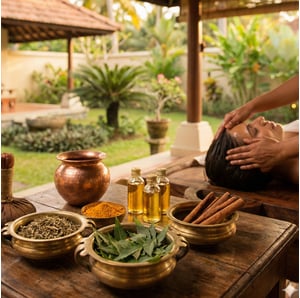









.png)









Share this listing