


How Is Rhinoplasty Performed in Turkey? Techniques, Procedure, and Cost Guide
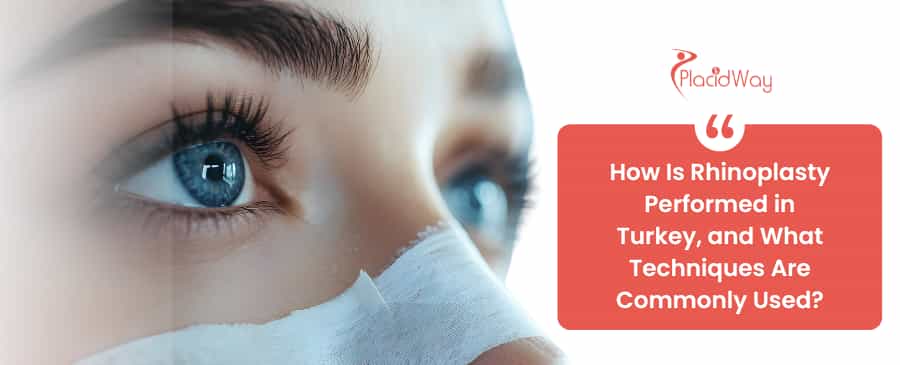
Are you considering reshaping your nose but feeling overwhelmed by the technical jargon and endless options abroad? You are not alone. Rhinoplasty in Turkey has become a global phenomenon, attracting thousands of patients annually who are looking for high-quality results without the exorbitant price tag found in the US or UK. But beyond the attractive costs, the real question is: how is the actual procedure performed, and what makes the techniques there so special?
Turkey has positioned itself as a hub for cosmetic surgery, specifically for nose jobs, by adopting cutting-edge technologies that prioritize faster recovery and natural-looking results. Whether it is the precision of Ultrasonic Rhinoplasty or the structural integrity of Preservation Rhinoplasty, Turkish surgeons are often at the forefront of modern aesthetics.
In this guide, we will break down exactly how these surgeries are performed, the specific tools used, and what you can expect from consultation to recovery. We will skip the fluff and dive straight into the answers you are searching for, helping you make an informed decision about your nose job in Turkey.
What is the procedure for rhinoplasty in Turkey?
The journey of a nose job in Turkey typically begins long before you enter the operating room. Once you arrive, the procedure follows a strict medical protocol. First, you will undergo a physical examination and pre-operative blood tests to ensure you are fit for surgery. The surgery itself is almost always performed under general anesthesia, ensuring you are completely asleep and pain-free throughout the process.
Depending on your specific anatomy and goals, the surgeon will make incisions to access the underlying framework of the nose. This is where the artistry happens—cartilage is trimmed or grafted, and bone is carefully reduced or repositioned. The goal is never just a "smaller" nose, but one that fits your unique facial proportions. Once the reshaping is complete, the skin is redraped, incisions are sutured, and a protective splint is applied to maintain the new shape during the initial healing phase.
What is Open Rhinoplasty?
Open rhinoplasty is considered the gold standard for complex cases. By making a tiny incision across the columella (the bridge of skin between your nostrils), the surgeon can fold the nasal skin upward. This grants them unobstructed visibility of the entire nasal structure, much like lifting the hood of a car to see the engine.
This technique is particularly useful for patients requiring significant changes, such as correcting severe asymmetry, significant tip refinement, or structural reconstruction. While it does leave a minuscule scar on the columella, it is usually imperceptible once healed. The major advantage here is precision; the surgeon can see exactly what they are doing with the cartilage and bone, ensuring a highly predictable outcome.
What is Closed Rhinoplasty?
For patients who are worried about visible scarring, closed rhinoplasty is often the preferred choice. In this approach, every incision is made inside the nasal cavity. The surgeon works through the nostrils, modifying the bone and cartilage without fully exposing the nasal structure.
Because there is less disruption to the nasal skin and tissue, this method often results in less swelling and a faster recovery time compared to the open approach. However, it requires a surgeon with exceptional skill and experience, as they are working with limited visibility. It is generally ideal for straightforward procedures, such as reducing a dorsal hump or making minor refinements to the nasal tip.
What is Preservation Rhinoplasty (Let Down)?
Preservation rhinoplasty is revolutionizing the field of nose surgery. Traditional methods often involve shaving down the bridge of the nose (the dorsum) and then reconstructing it. In contrast, the preservation technique keeps the natural bridge intact. Instead of cutting the top, the surgeon removes strips of cartilage and bone from the base of the nose, allowing the entire bridge to "sink" or "let down" into a lower, straighter position.
This approach has massive benefits: it maintains the natural dorsal lines, preventing the "operated look" or irregularities that can sometimes occur with traditional reduction. Additionally, because the structural ligaments and soft tissues are preserved, the recovery is often quicker, and there is less risk of long-term collapse or breathing issues.
What is Ultrasonic (Piezo) Rhinoplasty?
If you are afraid of the "hammer and chisel" concept, Ultrasonic Rhinoplasty (often called Piezo) offers a gentler alternative. This technology uses a specialized device that emits ultrasonic vibrations to cut and shape bone. The amazing thing about Piezo technology is its selectivity—it works on hard tissue (bone) but stops instantly if it touches soft tissue (skin, nerves, or blood vessels).
This precision allows surgeons to polish and reshape the nasal bones with millimeter accuracy. The result? Significantly less trauma to the face, meaning patients often wake up with minimal bruising and swelling. It is widely available in Turkey and is a favorite for patients looking for a smooth recovery and refined results.
What is Septorhinoplasty?
Many patients come to Turkey thinking they just need a cosmetic tweak, only to discover they have a deviated septum. Septorhinoplasty combines two procedures: a septoplasty (to fix the crooked wall inside the nose) and a rhinoplasty (to change the outer shape).
This is crucial because a beautiful nose is useless if you cannot breathe through it. By straightening the septum, the surgeon opens up the airways, improving your quality of life and sleep. Turkish surgeons are highly experienced in performing this functional-aesthetic combination, ensuring your nose looks great and functions perfectly.
What is Tipplasty?
Not everyone needs their nasal bones broken or the bridge lowered. For some, the issue is entirely in the tip. Tipplasty is a targeted procedure that modifies the cartilage at the end of the nose. Whether you have a "bulbous" tip that lacks definition or a "droopy" tip that points downward when you smile, this procedure can refine the area without touching the rest of the nasal structure.
Since this surgery typically involves only cartilage and skin (no bone work), the recovery is significantly faster and easier than a full rhinoplasty. It is an excellent option for patients who are happy with the profile of their bridge but want a more refined frontal view.
How is Revision Rhinoplasty performed?
Sometimes, the first surgery doesn't go as planned, or an injury alters the results. Revision rhinoplasty is one of the most technically demanding procedures in plastic surgery. In Turkey, surgeons who specialize in revision cases are experts in reconstruction. Because the natural anatomy has already been altered and scar tissue is present, the surgeon must often rebuild the nose's support system.
This frequently involves harvesting cartilage from other parts of the body, such as the ear (conchal cartilage) or the rib (costal cartilage), to provide the necessary structural strength. While the recovery might be slightly longer than a primary nose job, the results can restore both the appearance of the nose and the patient's confidence.
What is Ethnic Rhinoplasty?
The "cookie-cutter" nose is a thing of the past. Ethnic rhinoplasty acknowledges that different ethnic groups (African, Asian, Middle Eastern, Hispanic) have distinct nasal characteristics and facial structures. A nose that looks good on one face might look completely unnatural on another.
Rhinoplasty surgeons in Turkey are well-versed in these nuances. For example, patients of African descent might seek to narrow the nostrils or define the tip without losing their ethnic identity, while Asian patients might want to augment the bridge. The goal is always to enhance the face you have, creating balance and harmony without erasing your heritage.
How long does the surgery take?
Time in the operating room varies based on the technique used and the extent of the changes required. A simple closed rhinoplasty or tipplasty might be wrapped up in 1.5 to 2 hours. However, a complex open rhinoplasty or revision case often requires 3 to 4 hours or more.
Speed is not the goal here; precision is. Turkish surgeons take the time needed to ensure every graft is secure and every contour is smooth. While you are under anesthesia, the time will pass instantly for you, but rest assured the medical team is working meticulously to achieve the best outcome.
What type of anesthesia is used?
Safety and comfort are paramount. While some minor cosmetic procedures can be done with local anesthesia, a full rhinoplasty requires general anesthesia. This allows the surgeon to protect your airway and work without you feeling any discomfort or anxiety.
An anesthesiologist will be present throughout the entire surgery to monitor your vitals, heart rate, and oxygen levels. You will drift off to sleep before the procedure begins and wake up in the recovery room once it is all over.
How much does rhinoplasty cost in Turkey?
One of the biggest drivers for medical tourism is the cost of rhinoplasty in Turkey. Patients can often save up to 70% compared to prices in Western Europe or North America without compromising on quality. These packages usually include not just the surgery, but also VIP transfers, hotel accommodation, and medication.
Here is a comparison of estimated costs for 2025:
| Country | Average Price (GBP) | Average Price (USD) | Includes Hotel/Transfer? |
|---|---|---|---|
| Turkey | £2,400 - £3,800 | $3,000 - $4,800 | Yes (Typically) |
| United Kingdom | £6,000 - £10,000+ | $7,500 - $12,500+ | No |
| USA | £6,500 - £12,000+ | $8,000 - $15,000+ | No |
| Australia | £5,000 - £9,000+ | $6,500 - $11,500+ | No |
Note: Prices are estimates and vary by clinic and complexity.
What is the recovery timeline?
Recovery is a process, not an event. Here is what you can typically expect:
- Day 1-3: You will experience swelling and some congestion. Rest is key.
- Day 6-7: The cast or splint is removed. This is the "big reveal," though your nose will still be swollen.
- Week 2: Most bruising has faded, and you can usually return to work or fly home.
- Month 1-3: About 70% of the swelling is gone. You start to see the definition.
- Year 1: The final shape is refined as the last of the "micro-swelling" dissipates, especially in the tip.
Are the surgeons in Turkey experienced?
Experience comes from repetition, and Turkish surgeons perform a high volume of surgeries. Because Turkey is a top destination for **nose jobs**, surgeons there encounter a vast variety of nasal structures and complex cases daily. Many are members of prestigious organizations like the European Board of Plastic Reconstructive and Aesthetic Surgery (EBOPRAS) or the American Society of Plastic Surgeons (ASPS).
However, "many" does not mean "all." It is vital to research your specific surgeon, look at their before-and-after portfolio, and read verified patient reviews to ensure they meet international standards.
Is rhinoplasty in Turkey safe?
Safety should be your number one priority. Turkey's Ministry of Health strictly regulates medical tourism, and many private hospitals in Istanbul, Antalya, and Izmir are JCI (Joint Commission International) accredited—the gold standard in global healthcare.
That said, as with any medical procedure anywhere in the world, risks exist. The key to a safe experience is avoiding "too good to be true" offers. Stick to established clinics that operate in fully equipped hospitals, not small private offices without emergency facilities.
What should I do before the surgery?
Preparation is half the battle. Your surgeon will give you a specific list of "dos and don'ts." The most critical rule is to stop smoking (including vaping) at least two weeks before surgery, as nicotine restricts blood flow and can cause poor healing or skin necrosis.
You will also need to avoid aspirin, ibuprofen, and certain herbal supplements (like Vitamin E or Ginko Biloba) that can increase bleeding. Hydrate well, eat healthy, and try to arrive in Turkey a day or two early to settle in and rest before the big day.
When can I fly home after a nose job?
You won't be flying home immediately. Most clinics require you to stay in the country for about a week. This allows the surgeon to monitor your initial healing, remove the nasal packing, and finally take off the cast.
Flying too soon carries risks due to cabin pressure changes, which can increase swelling or cause bleeding. By day 7 or 10, your nose is stable enough for travel. Just remember to keep your head hydrated with saline spray during the flight and avoid lifting heavy luggage into the overhead bin!
What are the risks?
Transparency is essential. While rhinoplasty is safe, it is still surgery. Common temporary side effects include numbness, swelling, and bruising. More serious but rare complications can include infection or hematoma (blood collecting under the skin).
The most common "risk," however, is aesthetic dissatisfaction—not liking the new shape. This is why clear communication during the consultation is critical. Using computer imaging to align your expectations with the surgeon's plan can significantly reduce this risk.
Why is Turkey so popular for nose jobs?
It is the perfect storm of quality, cost, and convenience. Turkey offers a unique proposition: access to some of the world's most skilled surgeons who use the latest Piezo and Preservation techniques, all for a fraction of the cost of Western clinics. Add to that the luxury service culture—where VIP transfers and 5-star hotels are standard—and it is easy to see why Istanbul has become the rhinoplasty capital of the world.
Ready to Transform Your Look?
Finding the right surgeon and clinic can be daunting, but you don't have to do it alone. Explore top-rated clinics and accredited surgeons for your rhinoplasty journey.
Explore Rhinoplasty on PlacidWay







.png)










Share this listing