
Best Packages for Dental Veneers in Thailand
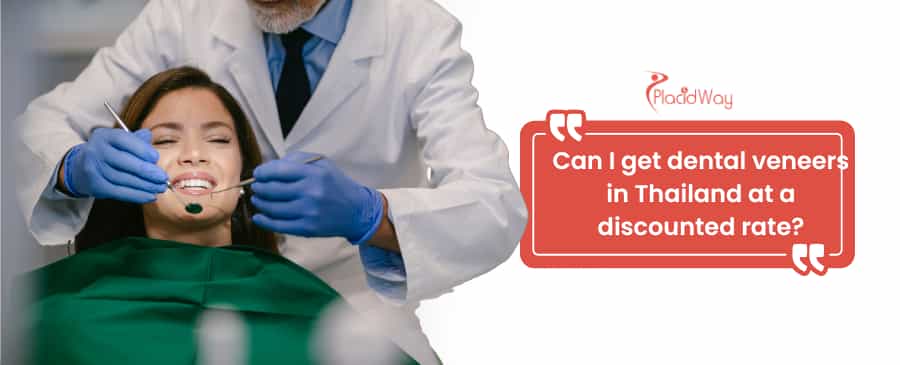
If you have been dreaming of a perfect "Hollywood smile" but hesitate due to the high price tag at your local dentist, you are not alone. Thousands of people every year look overseas for affordable cosmetic dentistry, and Thailand has emerged as a top destination. But is it really possible to find quality care at a fraction of the cost?
The short answer is yes. Getting dental veneers in Thailand allows you to access world-class dental care while saving thousands of dollars. Whether you are looking to fix a single chipped tooth or want a complete smile transformation, Thai clinics offer competitive pricing, often bundling treatments into attractive discount packages. Beyond the savings, the quality of materials and the expertise of dentists in major hubs like Bangkok and Phuket rival what you would find in the US, Australia, or the UK.
In this guide, we will answer every question you might have about getting veneers in the "Land of Smiles," from cost breakdowns and safety concerns to finding the best deals.
How much do dental veneers cost in Thailand?
The cost of dental veneers in Thailand is the primary driver for medical tourism. In countries like the US or Australia, a single porcelain veneer can cost upwards of $1,500 to $2,500. In Thailand, you are paying a fraction of that price without compromising on quality. The lower cost is due to lower living expenses, operational costs, and labor wages in Thailand, not a lack of medical expertise.
Below is a comparison table to help you understand the potential savings:
| Veneer Type | Cost in USA/UK (Approx.) | Cost in Thailand (Approx.) | Potential Savings |
|---|---|---|---|
| Composite Veneer | $800 - $1,500 | $150 - $250 | ~80% |
| Porcelain Veneer (E.max) | $1,500 - $3,000 | $350 - $550 | ~75% |
| Zirconia Veneer | $1,800 - $3,000 | $400 - $600 | ~75% |
| Lumineers (No-Prep) | $1,800 - $2,500 | $450 - $700 | ~70% |
Can I find discount packages for full smile makeovers?
If you need more than just one or two teeth fixed, you are in luck. Dental clinics in Thailand frequently offer volume discounts or specific smile makeover packages. These are designed for international patients who want to treat the "social six" (the front six teeth visible when smiling) or a full arch of 8 to 10 teeth.
These packages often bundle the cost of the veneers with other necessary services like X-rays, 3D scanning, deep cleaning, and local anesthesia. Some premium packages even go a step further by including airport pick-up, transportation between your hotel and the clinic, and occasionally discounted hotel rates nearby.
What is the difference between porcelain and composite veneers?
Choosing the right material is crucial for your long-term satisfaction. Porcelain veneers are the gold standard; they mimic the light-reflecting properties of natural teeth and are incredibly resistant to coffee or wine stains. They are custom-made in a lab and are highly durable, making them the preferred choice for a permanent solution.
Composite veneers, on the other hand, are sculpted directly onto your teeth using a tooth-colored resin. They are significantly cheaper and can often be done in a single visit. However, they are more porous, meaning they can stain over time and may chip more easily. Composite is often a good "starter" option or a solution for minor fixes, whereas porcelain is an investment in a long-term smile.
How long does the dental veneer procedure take in Thailand?
Time is a major factor when you are traveling for a procedure. For composite veneers, the dentist can apply the resin, shape it, and cure it all in one sitting, meaning you could walk out with a new smile in just a few hours.
For porcelain veneers, the process is more involved. On your first visit, the dentist prepares your teeth and takes molds (impressions), which are sent to a lab. It usually takes 3 to 5 days for the lab to craft your custom veneers. You will then return for a final fitting. Most dental tourists plan a 7 to 10-day trip to ensure there is enough time for any final adjustments before flying home.
Is it safe to get veneers in Thailand?
Safety should always be your top priority. Thailand is a global hub for medical tourism because of its high standards of care, particularly in Bangkok, Phuket, and Chiang Mai. Many dentists there have trained internationally in the US or Europe.
To ensure safety, look for clinics that hold Joint Commission International (JCI) accreditation or ISO certification. Avoid "too good to be true" offers from unverified small clinics. Reputable establishments will always be transparent about the materials they use (like authentic E.max or Empress porcelain) and their sterilization protocols.
Do I need to shave my natural teeth for veneers?
The standard veneer procedure involves removing a very small amount of enamel from the front surface of the tooth. This is necessary so that the veneer doesn't look bulky or "fake" once it is bonded. It is an irreversible process, meaning you will always need veneers or crowns on those teeth.
If preserving your natural tooth structure is a priority, ask your Thai dentist about no-prep veneers or Lumineers. These are ultra-thin and can sometimes be applied without drilling, though they aren't suitable for everyone, especially if you have significant discoloration or misalignment.
Will I be in pain during the procedure?
Modern dentistry is designed to be as comfortable as possible. During the preparation stage where a layer of enamel is removed, the dentist will numb the area with a local anesthetic, so you won't feel sharp pain. You might feel some vibration or pressure.
After the anesthesia wears off, it is common to feel some sensitivity to hot or cold foods for a few days as your teeth adjust. Over-the-counter pain relievers are usually sufficient to manage this. If you have dental anxiety, many Thai clinics also offer sedation options to help you relax.
How long do veneers from Thailand last?
The longevity of your veneers depends heavily on the material used and how well you take care of them. Porcelain is extremely durable and mimics the strength of natural teeth. Many patients enjoy their porcelain veneers for over a decade before they need replacing.
To maximize their lifespan, you should maintain excellent oral hygiene, visit a dentist regularly, and avoid using your teeth as tools (like opening bottles). If you grind your teeth at night (bruxism), your dentist will likely recommend a night guard to protect your investment from chipping.
Can veneers fix crooked teeth without braces?
For adults who want to straighten their smile without wearing metal braces or aligners for years, veneers offer a quick solution. They can effectively close gaps (diastema) and make slightly crooked teeth appear perfectly straight.
However, it is important to note that veneers are a cosmetic camouflage, not a structural fix. If your teeth are severely misaligned or you have a significant bite issue, your dentist in Thailand might recommend a short course of orthodontics (like Invisalign) before placing veneers to ensure the best long-term result.
Are there hidden costs I should be aware of?
While the base price of veneers is low, you want to avoid surprises. Some clinics might quote the price of the veneer itself but charge separately for the consultation, X-rays, or the temporary veneers you wear while waiting for the permanent ones.
When communicating with clinics, ask for a comprehensive treatment plan. Ask specifically if the price includes the "temporaries," medication, and aftercare kit. Also, factor in your travel expenses—flights, accommodation, and food—though even with these added, the total cost is usually far less than treatment at home.
How do I choose the best dental clinic in Thailand?
Finding the right provider is the most critical step. Don't just go for the cheapest option. Look for dental clinics in Thailand that have a dedicated international patient department. This ensures they are accustomed to working with foreigners and speak fluent English.
Check third-party review sites and ask to see a portfolio of their previous work. Seeing "before and after" photos of actual patients can give you a clear idea of the dentist's aesthetic style. Platforms that facilitate medical tourism often vet these clinics for you, adding an extra layer of security.
What happens if a veneer chips or breaks when I get home?
Warranties are common in Thai dental tourism. A standard warranty might cover the failure of the veneer itself (like debonding or cracking) for a specific period. Be sure to read the fine print.
The catch is that if a repair is needed, you usually have to fly back to the clinic. Local dentists in your home country can certainly repair or replace a veneer, but they will charge their standard local rates. This is why choosing a high-quality clinic initially is so important to minimize the risk of complications.
Can I combine a vacation with my dental treatment?
Thailand is one of the world's most popular tourist destinations for a reason. Many patients schedule their trip to enjoy a few days of sightseeing or relaxing by the pool before their first dental appointment. During the few days while the lab is manufacturing your veneers, you are generally free to explore.
However, listen to your body. After the initial preparation, your teeth might be sensitive, so you might prefer relaxing activities over extreme sports. Once the final veneers are fitted, you can smile confidently in all your vacation photos.
Do I need to speak Thai to communicate with the dentist?
Language barriers are a common fear, but they are rarely a reality in the top Thai dental hospitals and clinics. The dentists often have completed advanced degrees in English-speaking countries. Support staff in these clinics are also trained to assist international visitors.
Clear communication is vital for cosmetic procedures. You need to be able to explain exactly what kind of smile you want—shape, shade, and size. Many clinics use Digital Smile Design (DSD) software to visually show you the proposed outcome on a screen, bridging any potential communication gaps.
Does my health insurance cover veneers in Thailand?
In most cases, dental veneers are an "elective" cosmetic treatment, meaning insurance providers will not pay for them. This lack of coverage is exactly why the lower cash prices in Thailand are so attractive.
However, if the veneer is medically necessary (for example, to repair a tooth broken in an accident), there is a slim chance of partial reimbursement depending on your specific policy. It is always worth checking with your provider, but proceed with the expectation that this will be an out-of-pocket expense.
What is the recovery time after getting veneers?
One of the best parts about getting veneers is the lack of "downtime." Unlike invasive surgeries, you don't need to spend days in bed. You can walk out of the clinic and enjoy dinner that same evening.
Your gums might be slightly sore from the procedure, and your bite might feel "different" for a few days as you get used to the new shape of your teeth. This is completely normal. Your dentist will likely schedule a follow-up check a few days after placement to ensure your bite is perfect before you leave the country.
Ready to Transform Your Smile?
Don't let high costs hold you back from the smile you deserve. Explore top-rated clinics and exclusive dental packages in Thailand today.
Visit PlacidWay to compare options, get free quotes, and start your journey to a brighter, more confident you.
Get a Free Quote Now

-2-(7).png)
-(1).png)
.png)
.png)
.png)




.png)
.png)

.png)










Share this listing