


Cost of Dental Implants in Turkey for International Patients
.png)
For many people living in the UK, USA, or Canada, the dream of a perfect smile is often shattered by a single, terrifying number: the quote from their local dentist. When a single tooth replacement costs as much as a used car, it is no wonder that thousands of international patients are packing their bags and heading to Turkey. Dental tourism in Turkey has exploded in popularity, transforming cities like Istanbul, Antalya, and Izmir into global hubs for affordable, high-quality dental care.
But whenever something sounds "too good to be true," skepticism follows. You might be asking, "Is it safe?", "Why is it so cheap?", and "Will I end up paying more in the long run to fix bad work?" These are valid concerns. The reality is that Turkey offers a unique combination of low operational costs and high medical standards, allowing clinics to offer premium brands like Straumann and Nobel Biocare at a fraction of the domestic price.
In this comprehensive guide, we will break down the cost of dental implants in Turkey for 2026. We will look beyond the sticker price to explore hidden costs, package deals, the difference between "standard" and "premium" implants, and exactly what you get for your money. Whether you need a single tooth replaced or a full mouth restoration, this guide serves as your financial and medical roadmap.
What is the average price of a single dental implant in Turkey?
The price of a dental implant can vary significantly based on the brand. Turkish clinics typically offer a tiered pricing structure. A "standard" implant (often a high-quality Korean or local Turkish brand) might cost around $350 - $450. These are FDA-approved and perfectly safe, offering excellent durability for the price.
If you prefer a "premium" global brand like Straumann (Swiss) or Nobel Biocare (Swedish), expect to pay between $700 and $950. Even at this higher tier, you are paying roughly one-third of what the exact same brand would cost in London or New York. It is crucial to clarify if the quote includes the abutment (the connector piece), as some clinics list the screw price separately to make it look cheaper.
How much does a full mouth of dental implants cost in Turkey?
For patients missing most or all of their teeth, the All-on-4 or All-on-6 procedure is the gold standard. This involves placing 4 or 6 implants into the jawbone to support a fixed full arch of prosthetic teeth. In the US, a single jaw All-on-4 can easily cost $25,000.
In Turkey, the price for a full jaw restoration is dramatically lower. A standard package for one jaw (4 implants + fixed acrylic bridge) might start at $3,500. If you opt for Zirconia teeth (which look more natural and are stronger), the price will increase. Always ask if the "full mouth" quote includes both the surgical phase (implants) and the restorative phase (permanent teeth).
How does the cost compare to the UK and USA?
The savings are undeniable. To help you visualize the difference, we have compiled a detailed cost comparison table for standard dental procedures in 2026. These figures represent averages for high-quality private clinics.
| Procedure | Turkey Cost (Avg) | UK Cost (Avg) | USA Cost (Avg) |
|---|---|---|---|
| Single Implant (Titanium) | $400 - $800 | $2,500 - $3,500 | $3,000 - $5,000 |
| All-on-4 (Per Jaw) | $4,000 - $6,000 | $16,000 - $20,000 | $20,000 - $30,000 |
| Porcelain Crown | $150 - $250 | $800 - $1,200 | $1,000 - $1,500 |
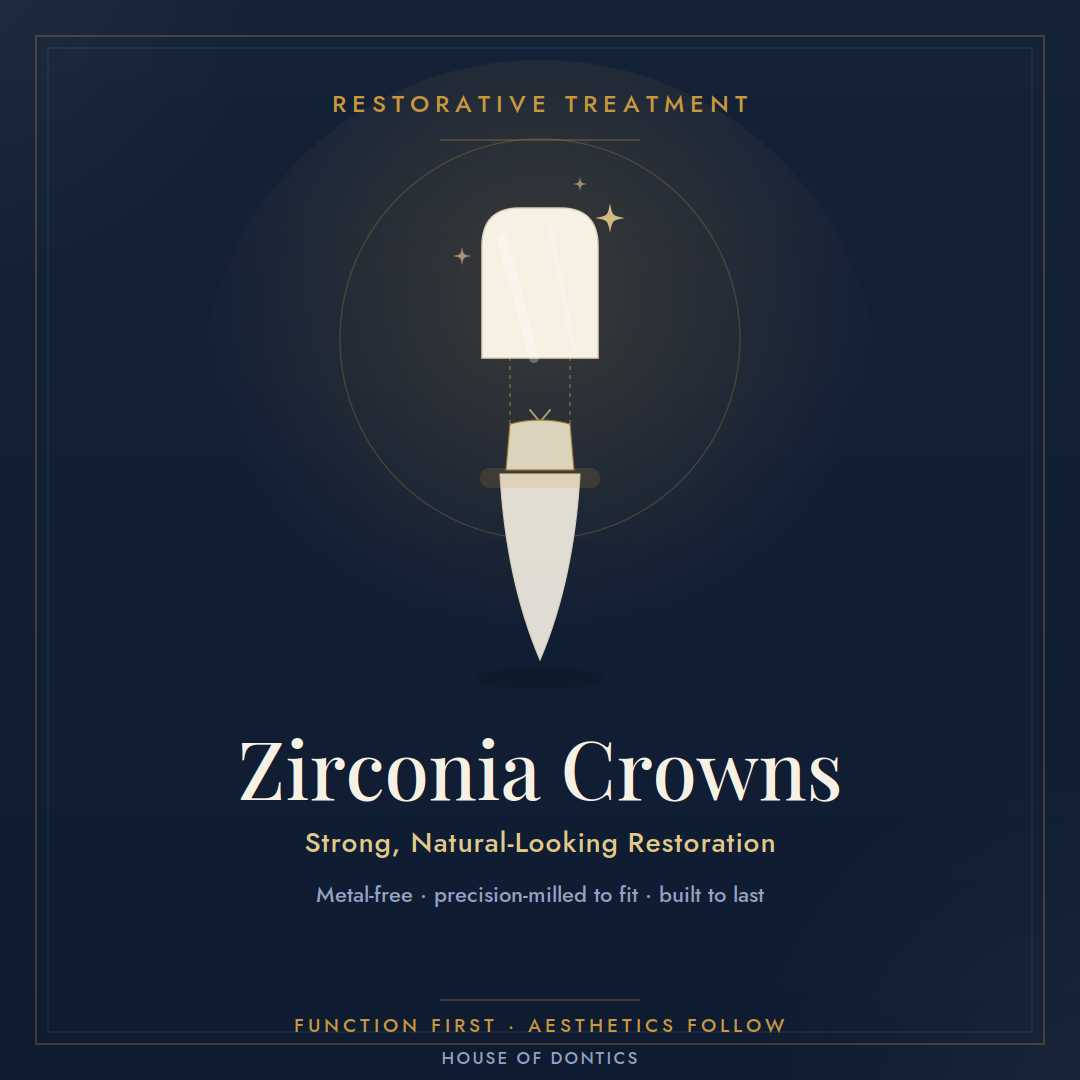
| Zirconia Crown | $200 - $350 | $900 - $1,500 | $1,200 - $1,800 |
| Bone Grafting | $200 - $400 | $600 - $1,000 | $800 - $1,500 |
Why are dental implants so cheap in Turkey?
The word "cheap" often implies "low quality," but in Turkey, it refers to economic value. The cost of living in Turkey is significantly lower than in Western Europe or North America. This means that dentists' salaries, facility rents, and staff wages are lower, allowing clinics to operate at a fraction of the cost.
Furthermore, the Turkish government actively supports medical tourism, offering tax incentives to clinics that treat international patients. The high volume of patients also allows clinics to negotiate better rates with implant manufacturers like Straumann, passing those bulk savings on to you.
Are there hidden costs I should be aware of?
When you get a quote via WhatsApp or email, it is usually a "base estimate." It assumes you have sufficient jawbone density to hold the implant. If your X-ray reveals bone loss (common if you have been missing teeth for years), you may need a bone graft or a sinus lift. These procedures add to the cost and complexity.
Also, consider the cost of medication. While standard painkillers and antibiotics are often provided, specialized prescriptions might cost extra. Always ask for a "comprehensive treatment plan" that lists potential surgical add-ons so you aren't surprised in the dentist's chair.
Do Turkish dental clinics offer package deals?
To make the process seamless, clinics compete by offering dental holiday packages. For a treatment exceeding a certain amount (e.g., $3,000), the clinic might cover your 4 or 5-star hotel stay for the duration of your treatment. This can save you hundreds of dollars.
These packages typically include:
• Free consultation and X-rays (Panoramic/3D Tomography).
• Private car transfers between airport, hotel, and clinic.
• Hotel accommodation (bed and breakfast).
• A dedicated patient coordinator who speaks your language.
Note that flights are almost never included; you must book those yourself.
How many trips to Turkey are required?
Standard implant procedure is a two-stage process.
Visit 1 (3-5 days): The surgeon extracts bad teeth (if any) and places the titanium implant screw into the jawbone. You then fly home with a temporary solution (like a denture) while your bone heals.
Visit 2 (5-7 days): You return after 3-6 months. The surgeon exposes the implant, attaches the abutment, and fits your permanent custom-made crowns or bridges.
Some clinics market "Same Day Implants" or "Immediate Loading." While possible for select patients with excellent bone density, it carries higher risks. Be wary of clinics promising to finish everything in one trip for everyone.
Are the dentists in Turkey qualified and English-speaking?
Turkey has a long history of medical excellence. To practice, dentists must register with the Turkish Dental Association (TDB). Many top implantologists in tourist hubs like Istanbul have trained in Europe or the US and are members of global organizations like the ICOI (International Congress of Oral Implantologists).
Language barriers are rarely an issue in reputable clinics. They employ multilingual coordinators to ensure you understand every step of the procedure, from the consent form to post-op care instructions.
What brands of implants should I choose?
Your implant is going to be in your jaw for decades. You want a brand that is reliable. While Turkish domestic brands are cheaper and high quality, the risk is serviceability. If you need a screw tightened in 10 years while living in Chicago, your local dentist might not have the tools for an obscure brand.
Choosing a "Tier 1" brand like Straumann or Nobel Biocare ensures that any dentist, anywhere in the world, can service your implant. It is worth the extra few hundred dollars for that peace of mind.
Is the procedure painful?
Fear of pain is the #1 barrier for patients. However, implant surgery is often less painful than a tooth extraction. You will be numb. For anxious patients, many Turkish clinics offer sedation dentistry (twilight sedation) or even general anesthesia for complex full-mouth cases, though this costs extra.
After the numbness wears off, you will likely experience some swelling and bruising for 3-5 days. The clinic will provide you with a "goodie bag" containing painkillers, antibiotics, and an ice pack to manage this.
What happens if the implant fails?
Implant failure is rare (success rates are around 95-98%), but it happens. Before booking, explicitly ask for the clinic's warranty policy in writing. Most top clinics offer a lifetime warranty on the implant screw itself and a 5-year warranty on crowns.
If an implant fails to integrate (your body rejects it), the clinic should place a new one at no charge. However, clarify who pays for the travel. Most clinics will not reimburse your flight ticket, even if the failure was not your fault.
Can I pay in installments?
Financing options are usually limited to local residents. As an international patient, you will typically pay a deposit to book your surgery and the balance after the treatment is done. Clinics accept Cash (USD, EUR, GBP often get a discount), Credit Cards (Visa/Mastercard), and Bank Transfers. Be aware that paying by card might incur a small bank processing fee (2-3%).
How long do dental implants last?
An implant is a long-term investment. The titanium screw fuses with your bone and becomes part of you. It does not decay. However, the gum around it can get infected (peri-implantitis) if you don't brush and floss. Smoking significantly increases the risk of failure and reduces longevity.
The visible part (the porcelain or zirconia crown) undergoes wear and tear from chewing. You might need to replace the crown portion after 15 years, but the expensive root part usually stays put forever.
What are the risks of dental tourism?
The biggest risk isn't Turkey itself; it's aggressive marketing. Some "dental mills" prioritize quantity over quality, shaving down healthy teeth unnecessarily for veneers or rushing implant loading. Avoid clinics that promise "miracles" that defy biological healing times.
Always research the surgeon, not just the clinic brand. Look for "before and after" photos that look realistic, read reviews on independent third-party sites (like Google Maps or Trustpilot), and insist on a video consultation with the actual dentist before flying.
Final Thoughts on Dental Implant Costs in Turkey
Choosing to get dental implants in Turkey is a significant financial and medical decision. The potential to save thousands of dollars while enjoying a vacation in a beautiful country is compelling. With costs ranging from $350 to $800 per implant, the value proposition is hard to beat.
However, the key to a successful outcome lies in research. Don't just chase the lowest price. Look for transparency, verified surgeon credentials, and high-quality implant brands. Your smile is forever—invest in quality.















Share this listing